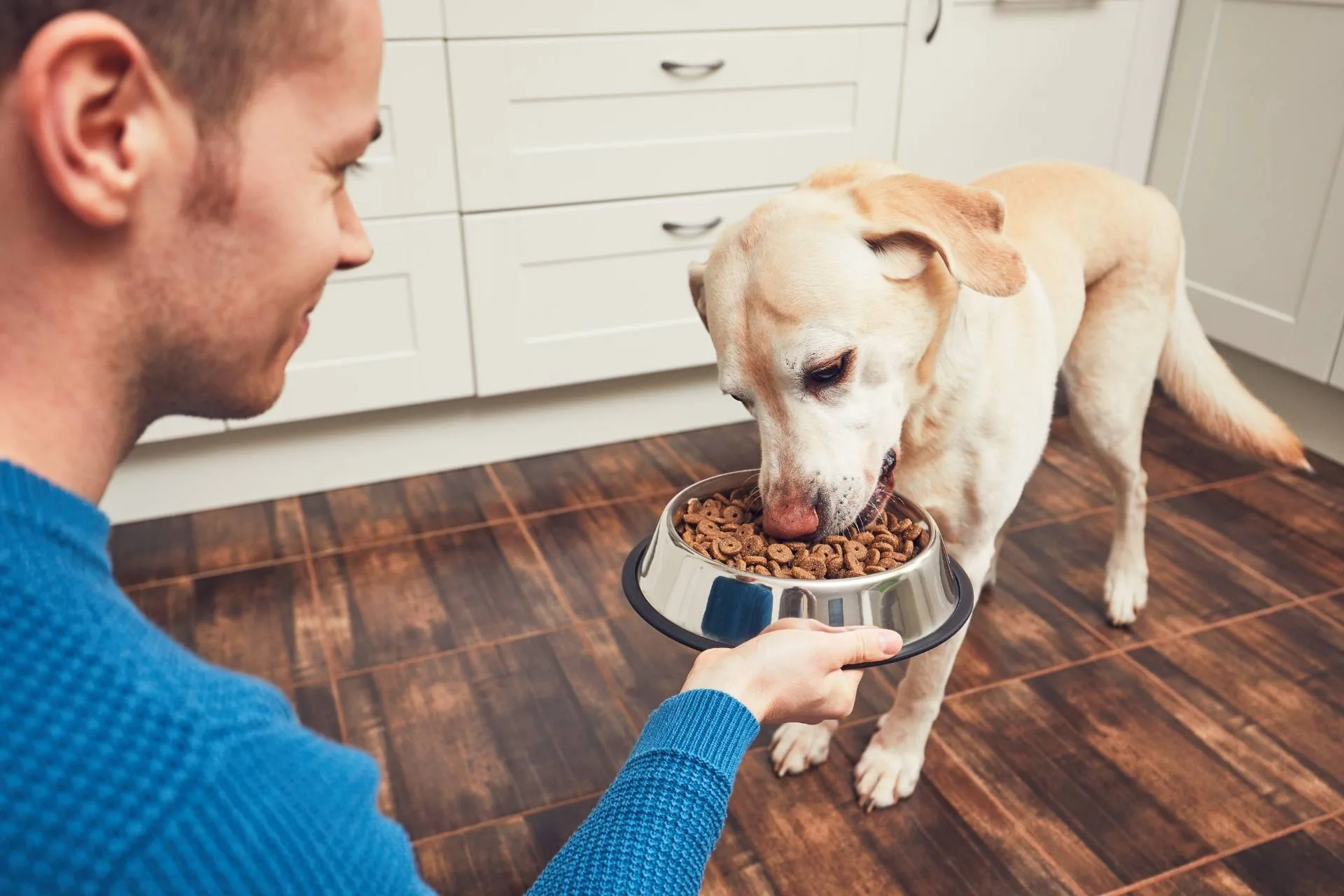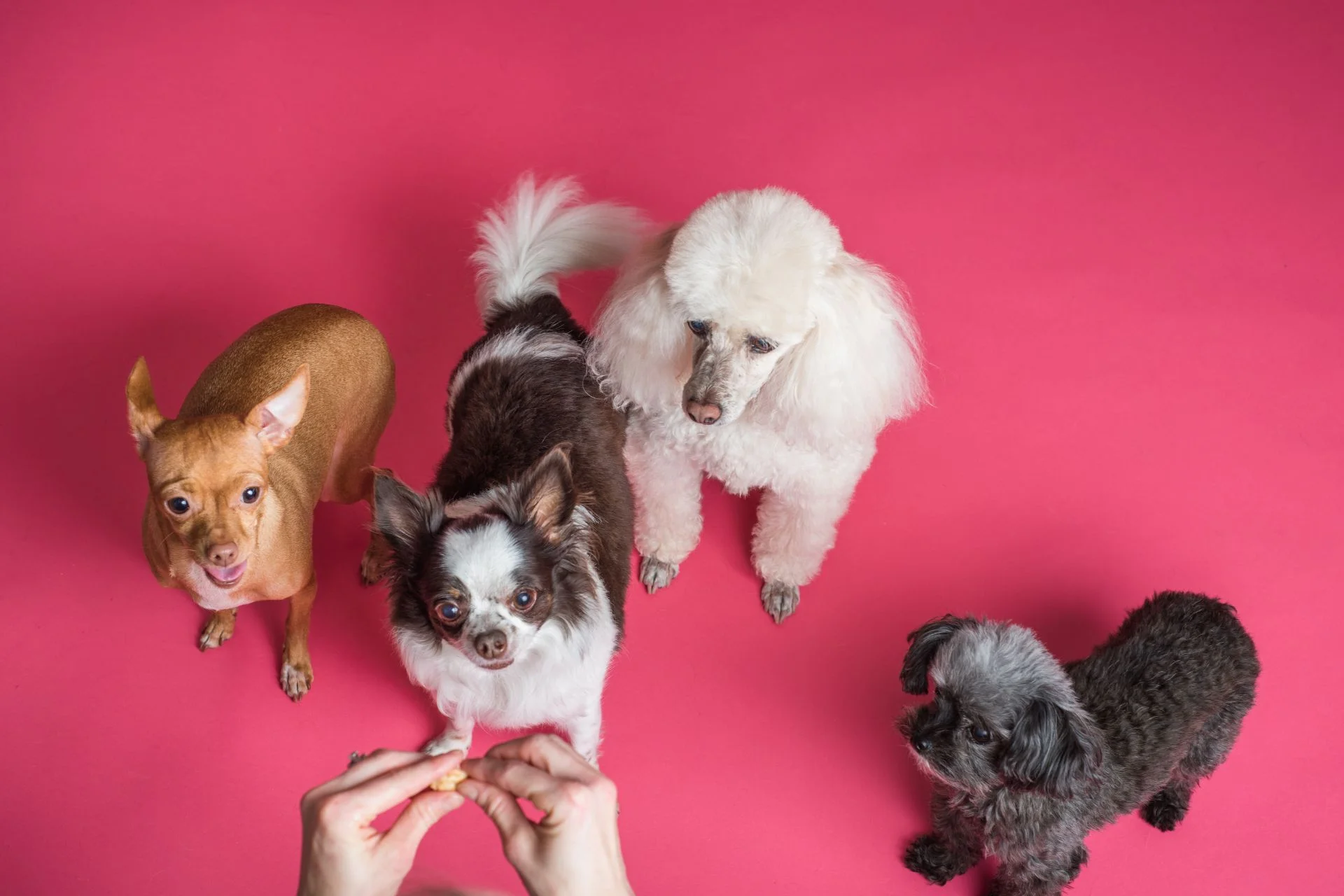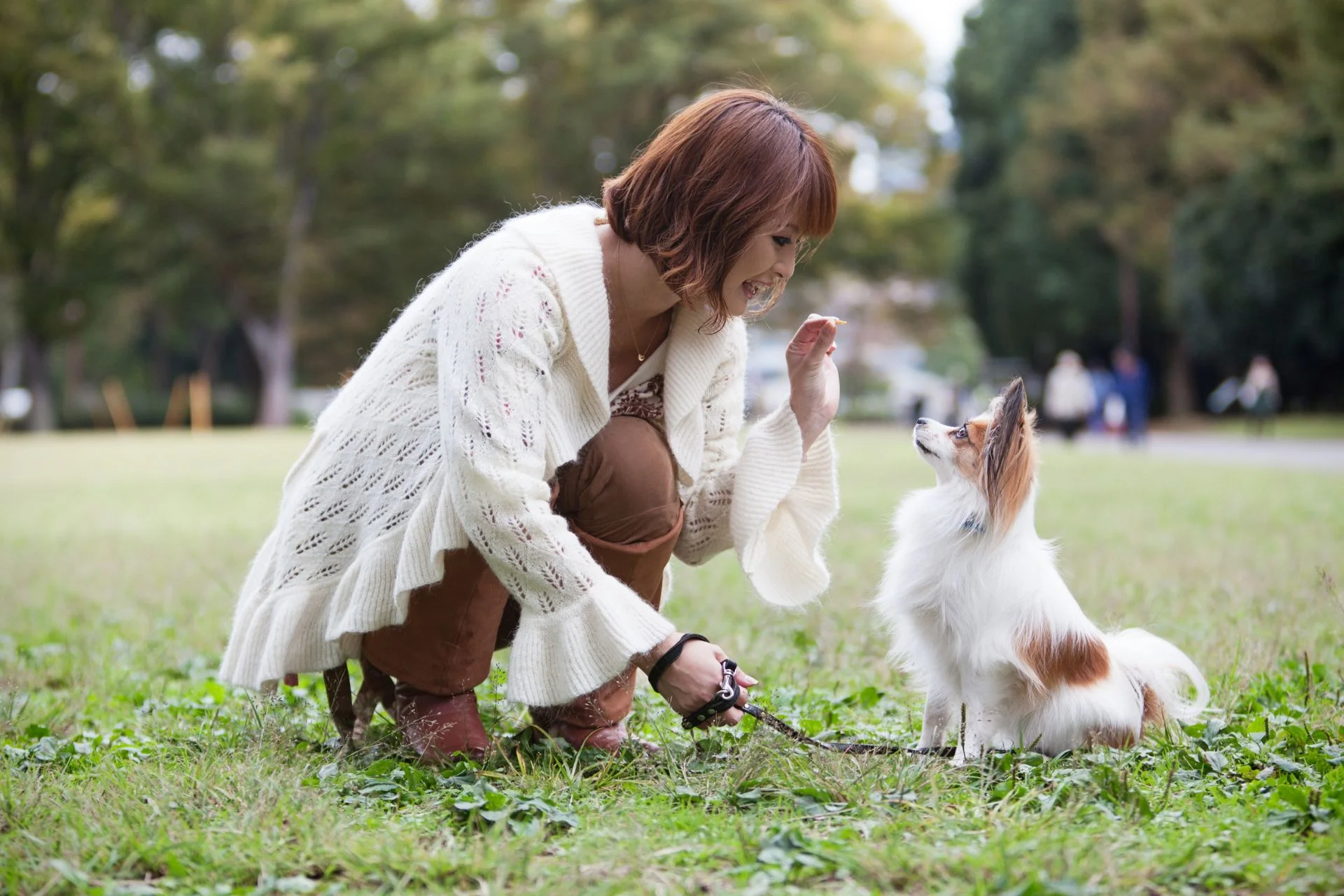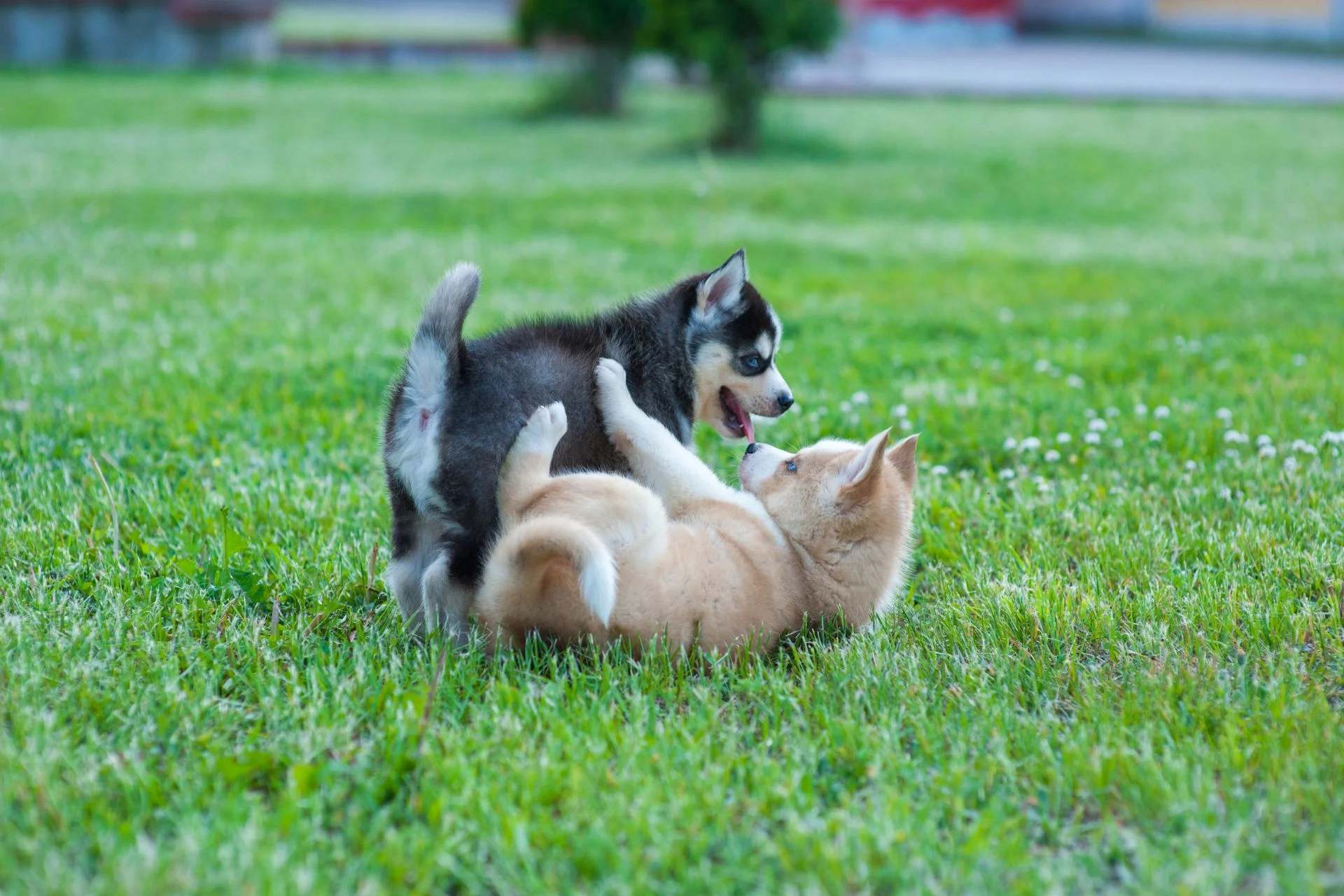
Socialization is the process of introducing puppies to different people, animals, environments, sounds, and experiences in a controlled, positive way. The goal is not to make your puppy love everything - it is to teach them that the world is not a source of constant threat, so they can move through it calmly. A well-socialized puppy becomes a dog who handles new situations without panic. They meet strangers without shutting down. They tolerate handling at the vet and groomer. They do not spend every walk reacting to ordinary things.
When to start socializing your puppy
Start immediately. The critical socialization window is three to sixteen weeks. By the time you bring your puppy home at eight weeks, you are already halfway through it. The common concern is that puppies are not fully vaccinated until around sixteen weeks, which is when the socialization window closes. This creates a genuine tension, but the risk of behavioral problems from poor socialization is considered higher than the risk of disease from careful, controlled early exposure. You can manage this by:- Carrying your puppy in public places such as pet shops, outdoor seating areas, and busy streets
- Inviting vaccinated dogs to your home for controlled interactions
- Introducing household sounds, objects, and people indoors
- Using puppy socialization classes that require health documentation from attendees
- Avoiding high-risk areas such as dog parks or places with unknown dogs
Introducing your puppy to different types of people
Your puppy needs to learn that humans come in all shapes and that none of them are threats. Prioritize exposure to: men with beards, hats, or glasses (dogs often find unfamiliar facial features suspicious); children of different ages, particularly toddlers who move unpredictably and make sudden noises; elderly people who may use walking aids; people in uniforms such as delivery drivers; people of different heights, builds, and voices. Ask people to let your puppy approach first rather than immediately reaching to pet them. Offer treats through a new person so your puppy associates them with something positive. Do not force interaction if your puppy is hesitant - let them set the pace.Exposing your puppy to new environments
Your home is safe and predictable. The rest of the world is not, and your puppy needs to learn that new places are not inherently threatening. Useful places to visit include: pet-friendly shops; the vet clinic for non-appointment visits just to receive treats from staff; the groomer for a brief meet-and-greet before actual appointments; different outdoor environments including parks, pavements, trails, and beaches. Surface exposure matters too. Walk your puppy on grass, pavement, gravel, sand, tile, carpet, wood floors, and metal grates. Different surfaces feel unfamiliar under puppy paws, and early exposure prevents later reluctance. Keep every new environment positive. Bring treats. Use a calm, encouraging voice. If your puppy seems overwhelmed, leave and try again at a lower intensity another time.Dog-to-dog socialization
Learning to interact with other dogs is critical, but not all dog interactions count as good socialization. Good opportunities include:- Controlled playdates with friendly, fully vaccinated dogs you know
- Puppy socialization classes with size and age matching
- Supervised interactions with calm, well-mannered adult dogs
Sound desensitization
Puppies startle at sounds they have never heard. The goal is teaching them that normal household noises are not a cause for alarm. Work on desensitizing your puppy to common sounds including: vacuum cleaners, blenders, hairdryers; the doorbell, phone, and smoke detector; traffic, sirens, and construction noise; TV, music, and loud conversations; thunderstorm and firework recordings played at very low volume to start. Start with sounds at low volume while giving treats. Gradually increase volume over days or weeks. Pair every sound with something positive. Never flood your puppy with loud sounds abruptly - that creates fear, not confidence.Handling and body sensitivity training
Your puppy will need their nails trimmed, ears cleaned, teeth brushed, and body examined by vets throughout their life. Preparing them for handling now prevents every future appointment from being a struggle. Practice:- Touching and gently holding all four paws, including between the toes
- Lifting the ears and looking inside
- Opening the mouth and touching teeth and gums
- Running hands along the body, legs, tail, and belly
- Gently restraining your puppy as a vet would during an examination
Why socialization matters for pet sitting and dog walking
You are going to leave your puppy with someone else at some point. A well-socialized puppy handles this transition significantly better than one who has limited experience with unfamiliar people, environments, and routines. Well-socialized puppies accept strangers without extreme fear or aggression, adapt to routine changes more easily, tolerate being handled by unfamiliar people, and recover from stress faster. Puppies with poor socialization often refuse to eat when their owner is gone, hide and will not engage with the sitter, and become stressed enough to make themselves sick. Start introducing your puppy to different caregivers now, even if you do not need a sitter yet. Have friends or family come over to feed, walk, or play with your puppy while you are home. This teaches them that other people can meet their needs, not only you. Consider short trial sits while you are still in town - a sitter comes for a few hours while you run errands. This gives your puppy practice with separation and new caregivers in a low-stakes situation. For guidance on preparing for a first sitting stay, our article on leaving your puppy for vacation covers the preparation process in detail.Common socialization mistakes
Forcing interactions is one of the most frequent errors. If your puppy is scared, pushing them into the situation creates fear rather than confidence. Let them approach at their own pace. Doing too much too quickly is another. Socialization does not mean cramming every possible experience into one week. One or two new experiences per day is plenty. Your puppy needs time to process each one. Stopping socialization after the critical window is a longer-term mistake. Keep exposing your dog to new experiences throughout their life. Dogs who stop encountering new things can become less confident over time. Ignoring stress signals is also common. Learn what stress looks like in puppies: tucked tail, flattened ears, excessive panting, drooling, trying to escape, freezing in place, or showing the whites of the eyes. If you see these signs, scale back and try again at a lower intensity.What good socialization looks like
Your puppy does not need to love everything. They need to tolerate normal life without panic. A well-socialized puppy meets new people with curiosity rather than terror, recovers quickly after a startle, explores new environments rather than shutting down, tolerates handling by strangers, plays appropriately with other dogs, and adjusts to routine changes - including being looked after by a sitter - without extreme stress.Frequently asked questions
1. How do I socialize my puppy before they are fully vaccinated?
Carry your puppy in public places rather than letting them walk on unknown ground. Invite vaccinated dogs to your home for controlled play. Introduce household sounds, objects, and people indoors. Use puppy socialization classes with health requirements. Avoid high-risk areas like dog parks and places frequented by unknown dogs until vaccinations are complete.
2. Is it too late to socialize a six-month-old puppy?
It is harder after sixteen weeks, but not impossible. The critical window has closed, which means new experiences require more patience and positive reinforcement to normalize. Continue exposing your dog to new situations gradually and keep each experience positive. Progress will be slower than it would have been during the critical window, but consistent effort still helps at any age.
3. How often should I socialize my puppy?
Aim for one to three new experiences daily during the critical window. Quality matters more than quantity - one calm, positive experience is worth more than five overwhelming ones. Each new experience should end on a positive note, with your puppy feeling settled rather than stressed. If your puppy seems tired or overstimulated, take a day at home before introducing the next new thing.
4. Can I take my puppy to dog parks for socialization?
Not initially. Dog parks are unpredictable environments with unknown dogs at varying energy levels. One frightening encounter can undo weeks of positive socialization work. Wait until your puppy has solid social skills from controlled playdates and good recall before introducing dog parks. Even then, go during quiet periods initially and leave if the dynamic feels overwhelming for your puppy.
5. How do I know if my puppy is stressed during socialization?
Watch for tucked tail, flattened ears, excessive panting or drooling, trying to escape or hide, freezing in place, whale eye (showing the whites of the eyes), or refusing food they would normally take readily. If you see these signs, remove your puppy from the situation without making a fuss and try again another time at a lower intensity. Pushing through visible stress does not build confidence - it builds fear.
6. How does socialization affect how my puppy handles being left with a pet sitter? 🐾
Well-socialized puppies are significantly easier for pet sitters and dog walkers to manage. They accept being handled by unfamiliar people, adapt to new environments without shutting down, and recover quickly when their routine changes. A puppy with limited socialization may refuse to eat, hide, or become so stressed it causes itself physical symptoms during a sit. The work you put into socialization now directly reduces the difficulty of every future separation - including the first time you need to leave your puppy with a sitter.
The work you put into socialization during the critical window shapes how your dog handles the world for the rest of their life. Start early, keep every experience positive, and continue exposing your dog to new things well beyond the initial sixteen weeks.