Choosing a pet rabbit involves more than finding a calm, friendly companion. If you travel for work, take regular vacations, or have an unpredictable schedule, you need to think about how your rabbit will handle pet sitters. Not all rabbit breeds adapt equally well to temporary caregivers. Some are naturally calm and accepting of new people; others become seriously stressed when their routine changes or their primary person disappears. This guide covers which rabbit breeds are easiest and hardest for pet sitters to manage, and what that means for owners choosing a breed.
Why rabbit breed matters for pet sitting
Most pet sitters have substantial experience with dogs and cats. Rabbits are less common, and they present challenges that many sitters underestimate. Rabbits are prey animals. Changes in routine, unfamiliar people, and owner absence can trigger serious stress, sometimes leading to health problems like gastrointestinal stasis. Recognizing rabbit body language, identifying health warning signs, and knowing what constitutes an emergency all require rabbit-specific knowledge that general pet sitters may not have. Unlike cats and dogs, rabbits have fragile spines and can seriously injure themselves if lifted incorrectly or if they panic and kick. Diet precision also matters: rabbits need specific vegetables, unlimited hay, and measured pellets. Sitters unfamiliar with rabbit nutrition can make dangerous feeding errors. Choosing a breed that is naturally calm, adaptable, and has straightforward care needs increases your chances of finding qualified sitters and ensures lower-stress care when you travel.The easiest rabbit breeds for pet sitters
These breeds consistently receive positive feedback from sitters due to their temperaments, manageable care needs, and adaptability to new caregivers.Holland Lop
Weight: 3 to 4 pounds. Holland Lops are considered the most sitter-friendly rabbit breed. Their naturally social, gentle temperament means they usually accept new caregivers without excessive stress. Small enough to handle easily, short coats requiring minimal grooming, and a forgiving nature with minor routine changes. The main sitter task beyond basic care is occasional ear checks for debris.Mini Lop
Weight: 4.5 to 6 pounds. Mini Lops share the Holland Lop's friendly disposition in a slightly larger package. Sitters report that Mini Lops are typically curious about new people rather than fearful, which makes introductions smoother. Their medium size is manageable for most sitters and their short coats require only weekly brushing.Himalayan
Weight: 2.5 to 4.5 pounds. Himalayans are the calmest rabbit breed and are well-suited to pet sitting situations. Their laid-back temperament means they are less likely to panic when the owner leaves or when a stranger enters the home. Small, easy to handle, and minimal grooming needs. Sitters consistently describe Himalayans as uncomplicated assignments.Dutch Rabbit
Weight: 4 to 5.5 pounds. Dutch Rabbits have easygoing personalities that translate well to temporary care. They are not skittish, adapt reasonably well to routine changes, and their short coats create no special demands.Mini Rex
Weight: 3.5 to 4.5 pounds. Mini Rex are popular with sitters partly because their velvety fur requires less brushing than most other breeds. They are friendly, curious, and their smaller size makes handling easier. Sitters with mild allergies can often manage Mini Rex more comfortably than other breeds.Rabbit breeds that challenge pet sitters
These breeds can make excellent pets but require experienced sitters or significant additional preparation.Lionhead
Weight: 2.5 to 3.75 pounds. Lionheads' distinctive manes require regular brushing to prevent matting. Many sitters lack this skill, and even a few days without correct grooming during a sitting assignment can cause noticeable problems. Their sometimes energetic or skittish nature means they may not settle easily with a new caregiver. Owners must: provide detailed grooming instructions, demonstrate the brushing technique during the meet and greet, and only book sitters with confirmed rabbit grooming experience.French Lop and Flemish Giant
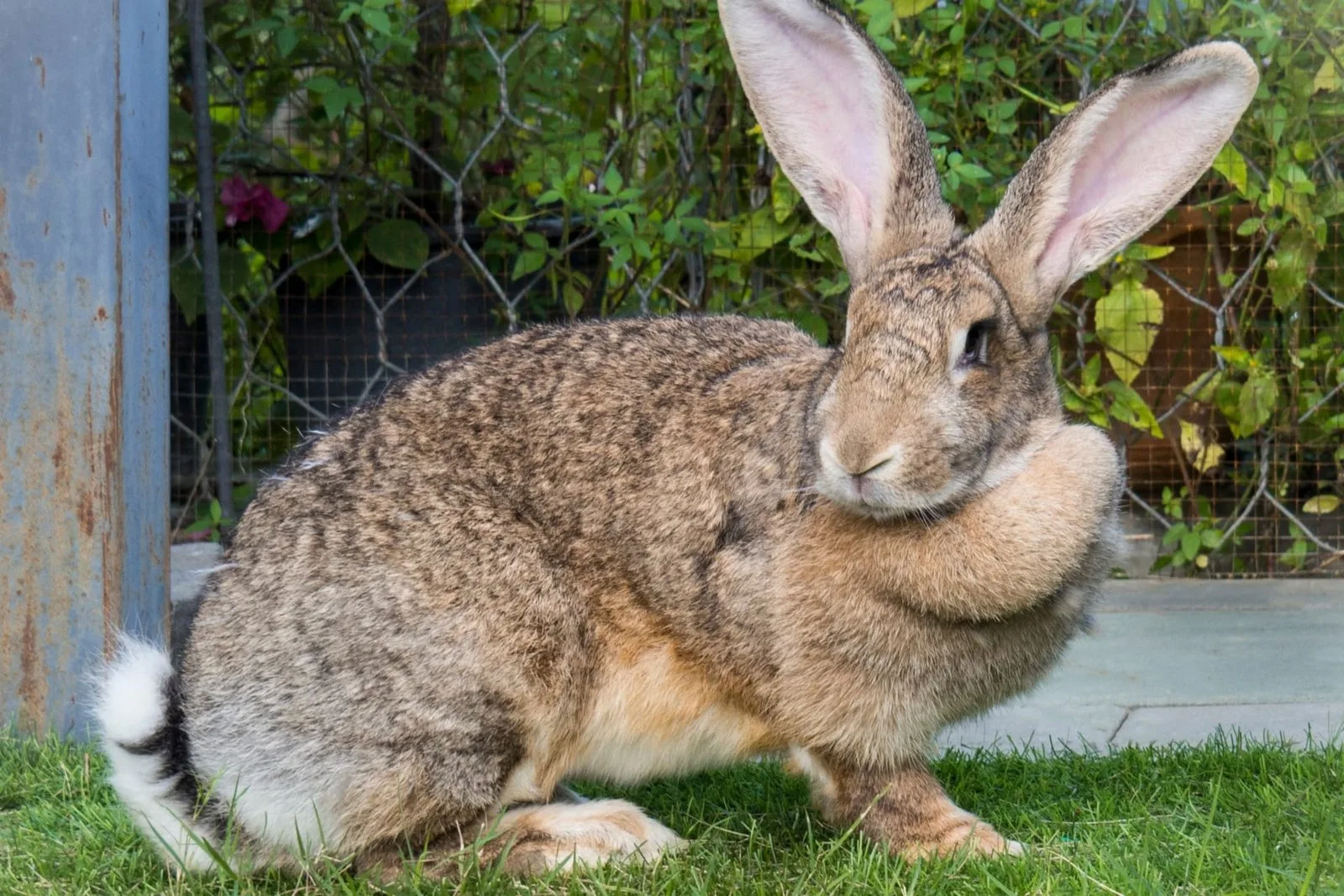
Weight: 10 to 20 pounds. Their size requires correct handling technique - supporting both the chest and hindquarters, with back legs controlled to prevent spinal injury. Many sitters are not comfortable managing a rabbit of this weight, which limits available options considerably. Owners must: demonstrate proper handling, confirm the sitter is physically comfortable with large rabbits, and accept that some sitters will decline these assignments.Angora (all varieties)
Angoras require daily grooming to prevent matting and to minimize the risk of wool block, a potentially fatal intestinal blockage caused by ingested fur. The level of grooming skill and time required is beyond what most pet sitters can provide. Owners must: only book sitters with confirmed Angora experience, or arrange for a professional groomer to visit during the absence in addition to the regular sitter.What pet sitters look for in rabbit assignments
Understanding what attracts sitters to rabbit bookings helps owners prepare and find appropriate care. Sitters prefer rabbits that do not panic when approached, allow handling without excessive struggling, and recover quickly from stress. Clear written care routines make every aspect of the sit easier than vague instructions. Litter-trained rabbits are significantly more appealing than those who are not. Owners who provide detailed instructions, emergency vet information, and a practical demonstration during the meet and greet consistently get better care than owners who hand over a one-line summary and leave.How rabbits adjust to new caregivers
When your rabbit meets a new sitter, expect an adjustment period. For the first few days, your rabbit may hide more, eat less, or seem withdrawn. This is normal stress behavior, not a sign of poor sitter performance. Over a longer stay, most rabbits settle into a routine with the new caregiver. For short trips of a weekend to one week, your rabbit will likely spend most of the time in the initial adjustment phase. Choosing a naturally calm breed like a Himalayan or Holland Lop makes this adjustment shorter and less pronounced. Calm breeds also reach the phase where they show their full personality to the sitter more quickly on longer trips.Preparing any rabbit for pet sitting
Regardless of breed, these steps improve pet sitting outcomes:- Introduce your rabbit to potential sitters while you are still home, allowing multiple visits before the first real trip
- Create detailed written care sheets covering feeding amounts, approved vegetables, litter box cleaning frequency, exercise routines, and emergency signs
- Record short videos of yourself handling your rabbit, cleaning the litter box, and feeding - sitters can reference these throughout the sit
- Provide the rabbit-savvy vet's contact and the nearest emergency vet clinic, with clear guidance on what constitutes an emergency
- Run a trial sitting session of a few hours while you are still in town, before your first actual trip
- Use the same sitter repeatedly where possible - rabbits do better with familiar people than constantly changing caregivers
Finding rabbit-experienced pet sitters
Not all pet sitters have rabbit experience, and asking about it directly is worth doing. Useful questions: how many rabbits have you cared for? What rabbit health situations have you encountered? How do you handle a rabbit that refuses to eat? Sitters who own or have owned rabbits bring practical knowledge that is hard to substitute. Check reviews that specifically mention rabbit care. During the meet and greet, ask the sitter to demonstrate how they would pick up your rabbit - incorrect technique is a genuine red flag. If you have a Lionhead, confirm they can brush the mane correctly. If you have a large breed, ensure they are comfortable with a rabbit of that weight before confirming the booking.Frequently asked questions
1. Which rabbit breed is easiest for pet sitters to care for?
Himalayan rabbits are easiest for pet sitters due to their extremely calm temperament and minimal grooming needs. Holland Lops and Mini Lops are close alternatives, offering friendly personalities that accept new caregivers well. These breeds experience less stress when owners travel, require no specialized grooming skills, and their manageable size makes handling straightforward for most sitters.
2. Can pet sitters handle large breeds like Flemish Giants?
Some experienced sitters can, but many cannot or will not due to the size, weight, and specialized handling required. If you own a Flemish Giant or French Lop, you will need to search specifically for sitters with large rabbit experience. Your available sitter pool will be significantly smaller than for compact breeds like Holland Lops, so factoring this in before choosing a large breed is worthwhile.
3. How long can I leave my rabbit with a pet sitter?
Most rabbits can be left with a qualified sitter for one to two weeks without significant problems, provided the sitter visits at least once daily - twice is better for most rabbits. Calm breeds like Himalayans and Holland Lops handle longer absences better than anxious breeds. For trips longer than two weeks, consider boarding at a rabbit-experienced facility or arranging for a live-in sitter.
4. Do rabbits recognize their owners after a vacation?
Yes, rabbits recognize their owners after time apart. Some show brief aloofness when you return, particularly after extended absences - this is normal readjustment behavior, not permanent personality change. Calmer breeds typically readjust faster than more sensitive ones. Most rabbits return to their normal behavior within a day or two of the owner coming home.
5. Should I choose a rabbit breed based on how often I travel?
Yes. If you travel frequently, choosing a naturally calm and adaptable breed like a Holland Lop, Himalayan, or Dutch Rabbit makes finding reliable sitters much easier. Avoid high-maintenance breeds like Angoras or Lionheads if you cannot commit to training sitters in specialized grooming. The breed decision is also a sitter-availability decision, and treating it as one prevents significant difficulty later.
6. What information should I leave for a rabbit sitter?
Leave a written care sheet covering: the daily feeding schedule with exact hay, vegetable, and pellet quantities; which vegetables are approved and which to avoid; the litter box location and cleaning routine; the exercise schedule and which areas the rabbit has access to; the signs of gastrointestinal stasis and what to do if they appear; the vet's contact number and the emergency vet's address; and how to approach and handle your specific rabbit. A brief video walkthrough of the daily routine, recorded before you leave, gives the sitter a reference they can return to throughout the sit.