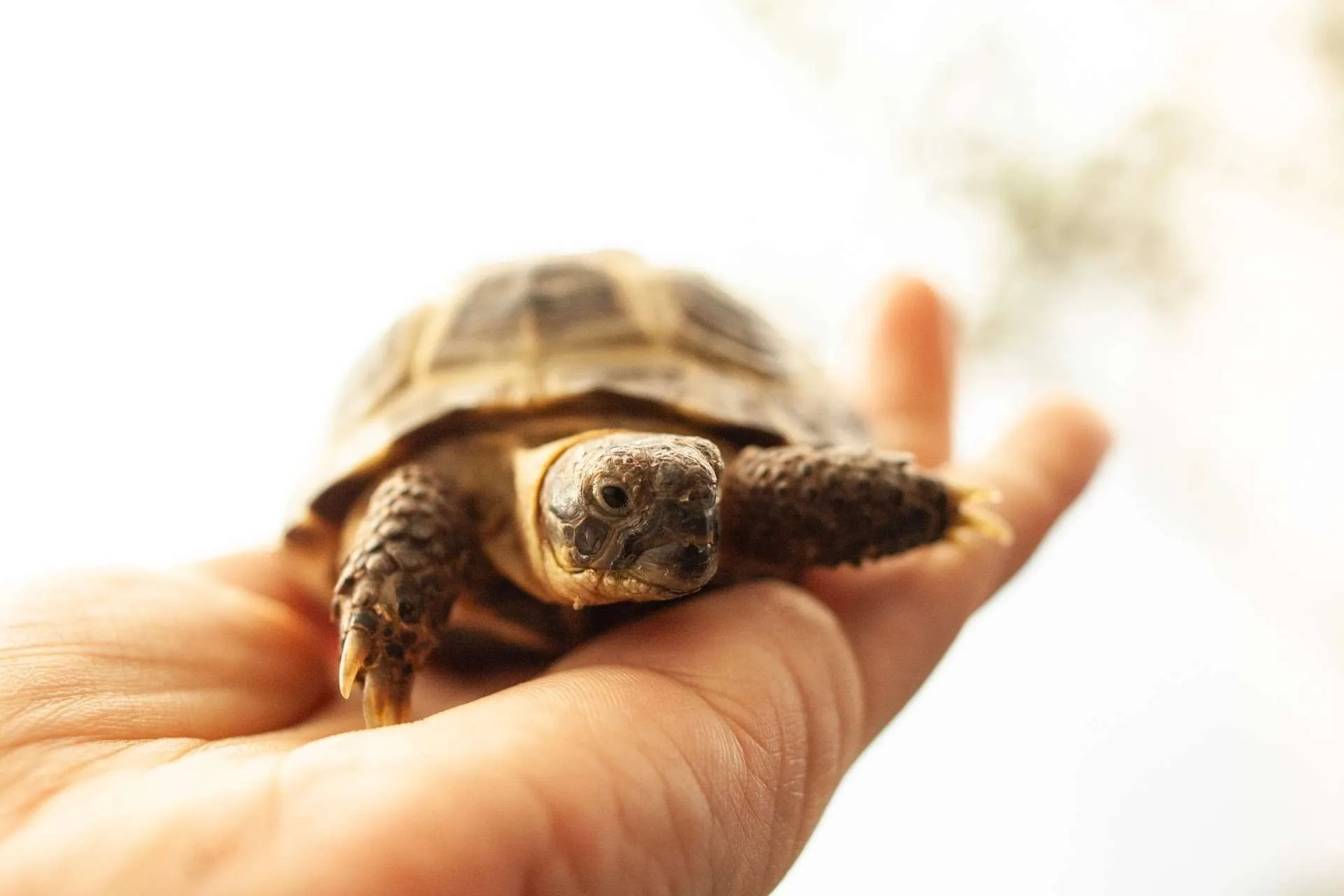
Tortoises may move slowly, but their minds are active. In the wild, they spend their days digging, foraging, climbing, and exploring territory. A pet tortoise that lacks these opportunities can become lethargic, develop stress behaviors, or start engaging in repetitive or destructive patterns. Providing appropriate enrichment addresses this directly, and most of it costs very little.
Why tortoises need enrichment
Without stimulation, tortoises can become bored, which leads to stress, reduced appetite, and behaviors like shell rubbing against enclosure walls or constant attempts to escape. These are signals that the environment is not meeting the animal's needs, not signs of personality quirks. Good enrichment does not require expensive equipment. Most tortoises respond as well to natural materials and simple DIY setups as to anything sold commercially, provided the design reflects what they actually do in the wild.Choosing the right toys for your tortoise
Not everything that looks like a toy is appropriate for a tortoise. Before placing anything in the enclosure, consider:- Safety: avoid small parts that could be swallowed, materials that may be toxic (many plastics and rubbers are not safe), and anything with sharp edges that could damage the shell or skin
- Durability: tortoises investigate objects by pushing, biting, and climbing over them. Anything that can break apart or shed fragments under this treatment is a risk
- Ease of cleaning: enclosure hygiene matters for tortoise health. Choose materials that can be wiped down or replaced without difficulty
The best toys for tortoises
Digging boxes
Digging is one of the most instinctive behaviors for tortoises. A box filled with soil, sand, or coconut fiber gives them a dedicated space to dig and explore. You can bury safe food items in the substrate to add a foraging element: the tortoise works through the material to find them, which extends the time spent in active engagement. Use a container large enough for the tortoise to move around in comfortably. Fill it with natural substrate free of sharp materials or chemical treatments. A plastic storage container with low sides works well for smaller species.Climbing structures
Many tortoise species climb more than owners expect. Providing a low rock arrangement or a piece of untreated wood to climb over gives them physical exercise and a sense of spatial variation in the enclosure. Even a slight elevation for basking, separate from the main basking platform, adds environmental interest. Stack safe rocks or use non-toxic, untreated wood. Make sure the structure is stable and will not collapse under the tortoise's weight. Smooth edges reduce the risk of shell or skin damage.Foraging puzzles
Hiding food inside a simple puzzle engages problem-solving behavior. Hollow logs, cardboard tubes, or PVC pipe sections work well for this. Place leafy greens or favorite vegetables inside, and let the tortoise work out how to access them. The foraging effort also slows down eating, which benefits digestion. Commercial foraging toys for small pets can work, provided they contain no sharp edges or small parts the tortoise could ingest.DIY tortoise toys
Some of the most effective tortoise enrichment costs nothing. Options that work well include:- Cardboard tunnels and boxes from household recycling, arranged to create a small exploration area
- A food bundle made from rolling leafy greens inside a ball of untreated hay, which the tortoise gradually works through to reach the food
- A low basking platform made from a smooth stone or untreated wooden board, positioned slightly off the ground
Toys to avoid
Some objects commonly used for other pets are not appropriate for tortoises:- Anything with small detachable parts, which can be swallowed and cause impaction
- Toys made from untreated rubber or plastic not certified as pet-safe
- Objects with sharp or rough edges that can abrade the shell or skin
- Items treated with paint, varnish, or chemical finishes
Toy rotation and environmental enrichment
Tortoises lose interest in familiar objects over time. Rotating enrichment items every two to three weeks maintains novelty without requiring constant new purchases. Remove toys after a period, clean and store them, and reintroduce them later. Beyond physical toys, simple changes to the enclosure environment can also provide stimulation. Rearranging rocks and hides, introducing a new safe plant, or adding a shallow water feature for species that enjoy it all create new points of interest. Supervised outdoor time in a secure, predator-proof area is valuable when weather and your setup allow it.Enrichment guidance for pet sitters
Tortoises are slower-paced pets that many sitters have not encountered before. A sitter unfamiliar with tortoise behavior may not recognize whether the animal is engaging normally or showing signs of stress or illness. Before leaving your tortoise with a sitter, provide:- A description of your tortoise's normal daily pattern: when it basks, when it eats, how active it typically is
- Which enrichment items are currently in the enclosure and how they are used
- Instructions for any foraging setups, including what food to use and how often to replenish
- Notes on the cleaning routine for the enclosure and enrichment items
- Signs that indicate stress or illness: reduced or absent appetite for more than two days, staying in one position for extended periods, closed eyes during the active part of the day, or watery droppings
- Vet contact details, including a reptile-specialist vet if possible
Frequently asked questions
1. Can tortoises get bored?
Yes. A tortoise without adequate stimulation may become lethargic, develop repetitive behaviors like pacing or wall-rubbing, or show reduced appetite. These responses indicate that the environment is not meeting the animal's behavioral needs. Adding digging opportunities, foraging challenges, and periodic environmental changes addresses this directly.
2. How often should I rotate my tortoise's toys?
Every two to three weeks is a reasonable schedule. Removing familiar items and reintroducing them after a period creates the same effect as introducing something new, without the cost. Pair rotation with cleaning and inspection so you catch any wear or damage before returning items to the enclosure.
3. Are there toys I should avoid giving my tortoise?
Avoid anything with small detachable parts, untreated rubber or plastic, sharp edges, or chemical finishes. Even items that seem solid can break down under repeated biting and pushing. Natural materials like untreated wood, smooth rocks, coconut fiber, and safe plants are consistently the safest choices.
4. What natural materials work well for DIY tortoise enrichment?
Untreated wood, smooth stones, coconut fiber substrate, and edible safe plants are all good options. Cardboard from household packaging works for temporary tunnels and exploration structures. Any natural material used in the enclosure should be free of pesticides, fertilizers, and chemical treatments.
5. Do tortoises really like to climb?
Many species do, more than their reputation for slowness suggests. Climbing provides physical activity and engages their natural behavior in ways that a flat enclosure cannot. Low rock arrangements or gentle log structures give them something to work with. Make sure any climbing structure is stable and that the tortoise cannot fall from a height that would cause injury.
6. How do I explain my tortoise's enrichment routine to a pet sitter? 🐾
Write it out specifically rather than leaving it to verbal explanation. Include what enrichment items are in the enclosure, what purpose each serves, how to prepare any foraging setups, and what a normal day looks like for your tortoise. Sitters who have not cared for reptiles before may not realize how significant small behavioral changes are. A brief video of your routine gives them a concrete reference to return to during the sit, which is far more useful than written instructions alone.