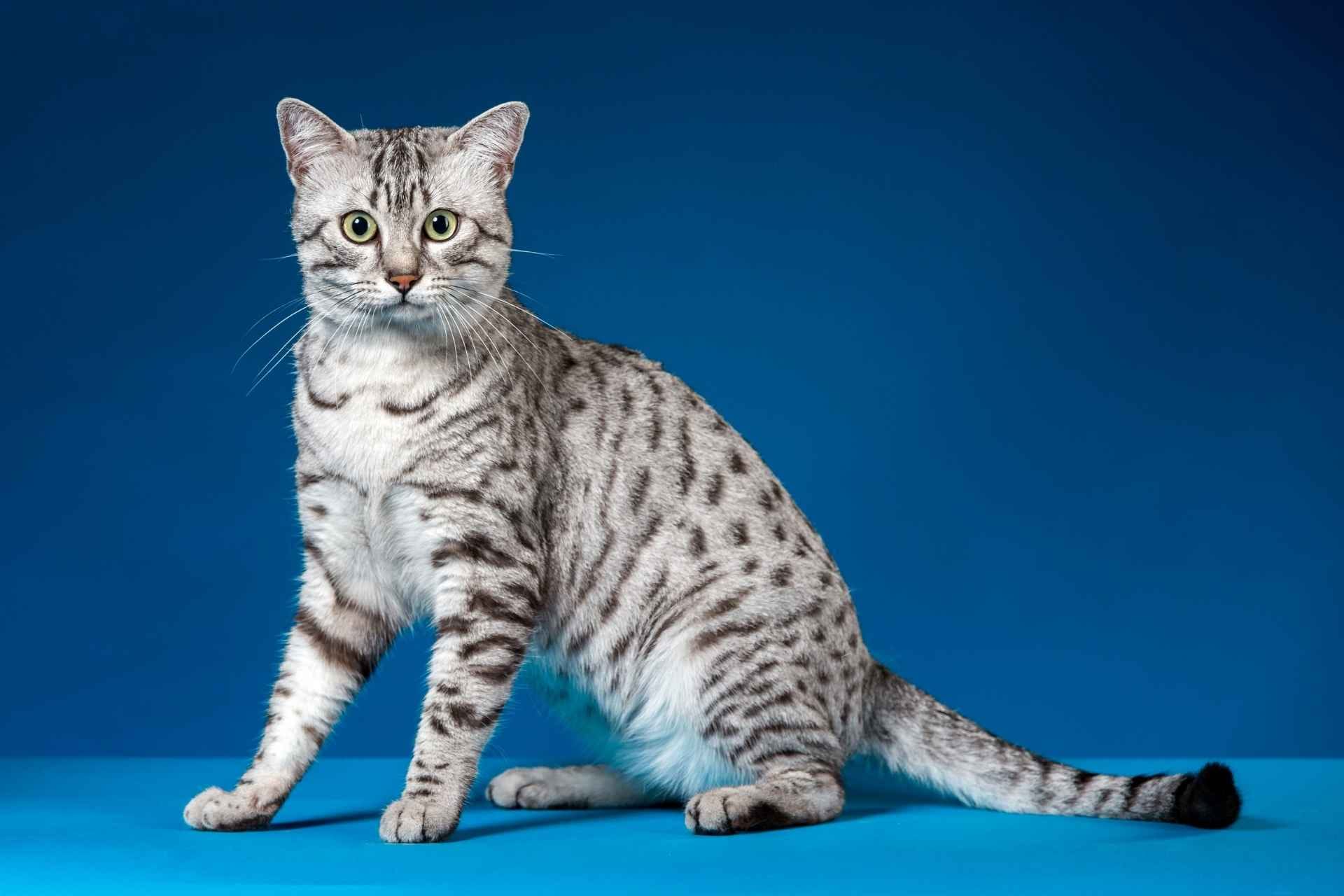
Egyptian Mau care requires a high-protein diet, daily exercise through interactive play, weekly grooming, and an indoor environment with plenty of vertical space. These athletic cats are the fastest domestic breed and need structured activity to stay healthy—think sprinter, not marathon runner.
Your Egyptian Mau can hit 30 mph in short bursts. They’re not just fast—they’re calculating, observant, and selective about who earns their trust. You don’t own an Egyptian Mau. You earn the privilege of living with one.
These spotted cats descended from ancient Egyptian temple cats, and they haven’t forgotten it. They’re regal, independent, and demand an environment that respects their athleticism and intelligence. If you wanted a cat that cuddles strangers, you picked the wrong breed.
How to Care for an Egyptian Mau (The Real Version)
Caring for an Egyptian Mau isn’t complicated—it’s specific.
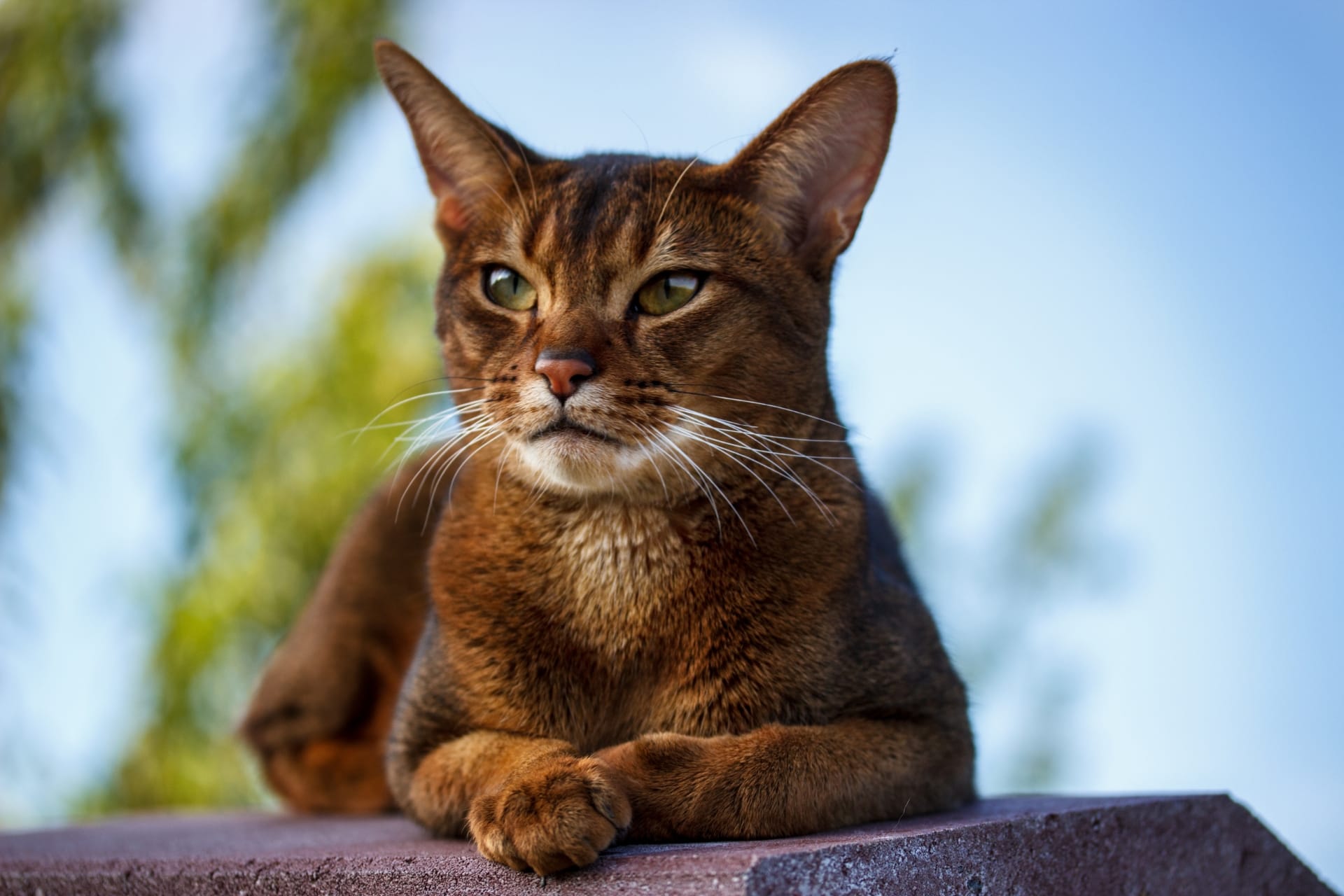
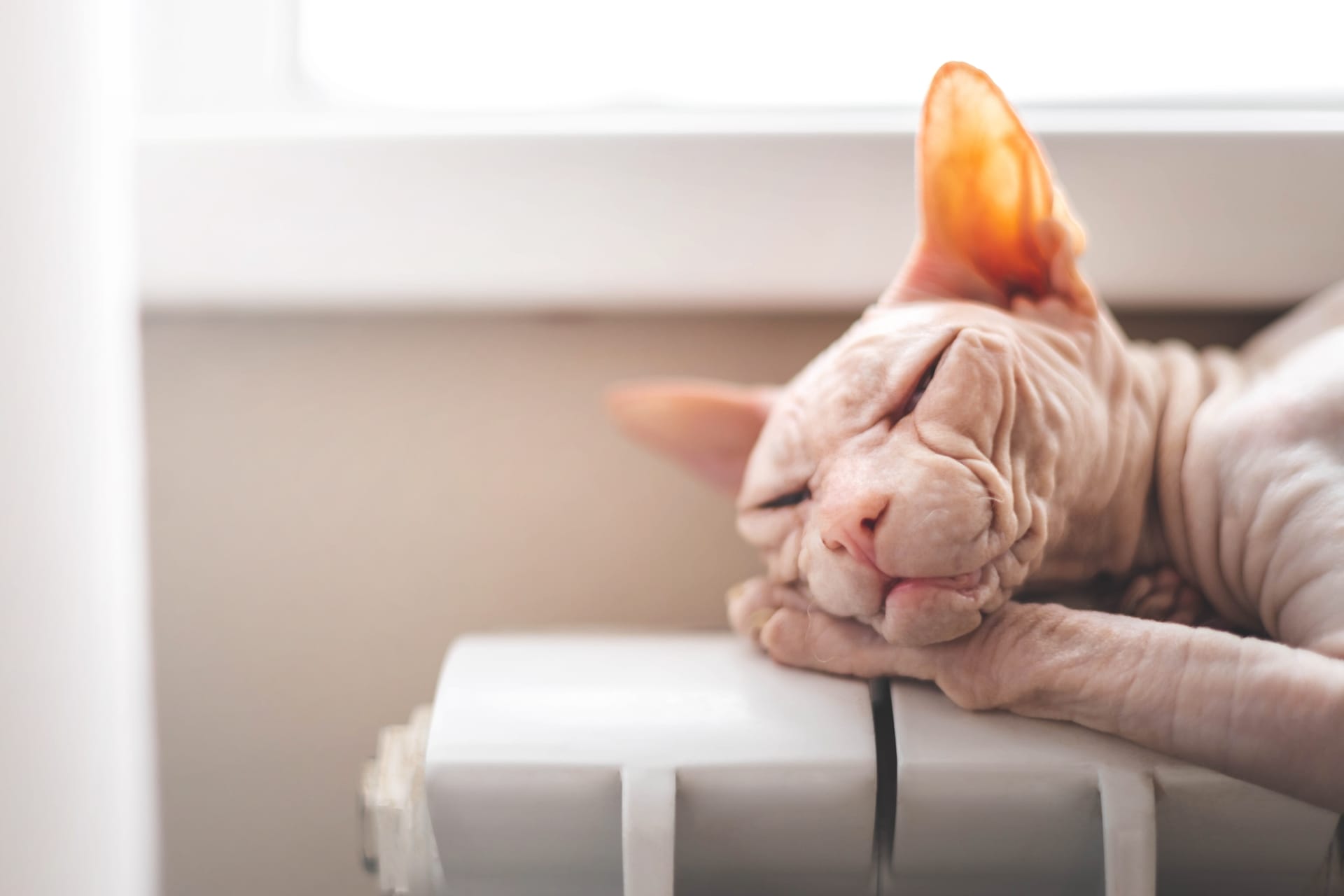
They’re not high-maintenance in the grooming sense (unlike Sphynx cats who need weekly baths), but they’re demanding in the engagement sense (like Abyssinians who need constant stimulation). The difference? Egyptian Maus are more selective about when and how they interact.
What makes Egyptian Mau care unique:
- Need space to run at full speed (not just climb)
- Selective about human interaction—trust isn’t automatic
- Prone to weight gain despite their athletic build
- Require high-quality protein to fuel their metabolism
- Sensitive to temperature extremes due to short coats
- Meticulous about litter box cleanliness (pickier than most cats)
Think of Egyptian Mau care like managing a professional athlete who also happens to be an introvert. Physical needs are clear, but the emotional boundaries require attention.
Egyptian Mau
Feeding Your Egyptian Mau (Fuel for Speed)
Egyptian Maus are muscular, athletic cats with fast metabolisms when active—but they’re also prone to obesity when sedentary. The combination makes diet management critical.
What to Feed an Egyptian Mau
Protein-first diet: Feed high-quality cat food with minimum 40% protein content. Egyptian Maus are obligate carnivores who thrive on meat-based diets, not grain-heavy fillers.
Best food types:
- Wet food (higher protein, better hydration)
- High-quality dry food as supplement
- Occasional raw or cooked lean meats (chicken, turkey, rabbit)
- Avoid foods with corn, wheat, soy, or excessive carbohydrates
Portion control matters: Egyptian Maus love food and will overeat if given the chance. Measure portions based on their activity level, age, and weight. Most adult Maus need 200-250 calories daily, split into 2-3 meals.
Free-feeding works for kittens, but adult Maus do better with scheduled meals. It prevents obesity and gives you control over their calorie intake.
For detailed portion guidance, check our cat food portions calculator.
Hydration Is Critical
Egyptian Maus can be prone to urinary tract issues, making hydration essential.
How to encourage water intake:
- Use a cat water fountain (running water attracts them)
- Add ice cubes to their bowl (some Maus find this entertaining)
- Feed wet food to increase moisture intake
- Place multiple water bowls throughout your home
- Keep water fresh—change it daily
If your Mau isn’t drinking enough, wet food becomes even more important. Dehydration contributes to kidney and urinary problems later in life.
Exercise and Play (They’re Built for Speed)
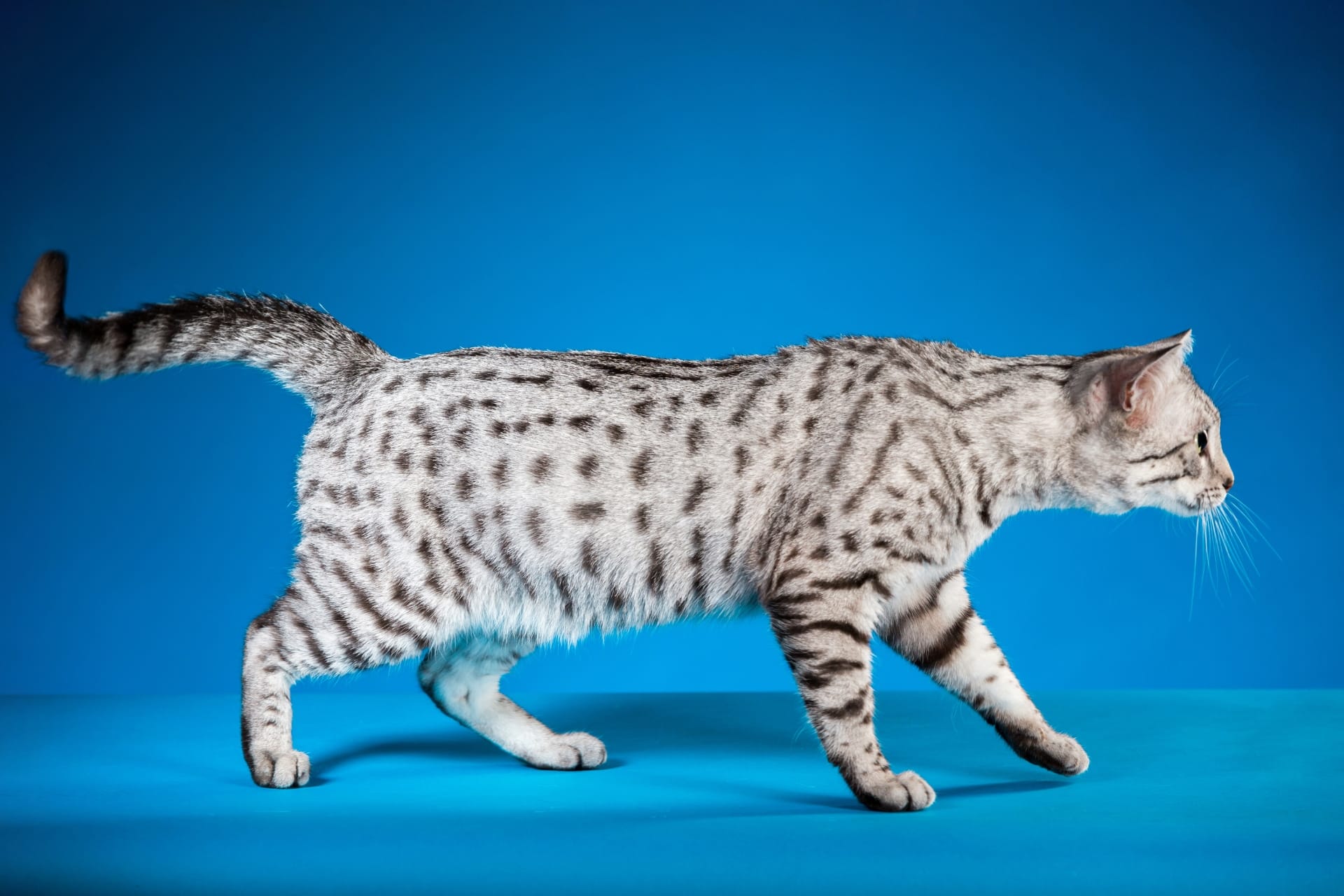
Egyptian Maus are the fastest domestic cat breed. They’re not just quick—they’re explosive. Zero to 30 mph in seconds when motivated.
This speed isn’t just impressive—it’s part of their identity. Without outlets for their athleticism, they become frustrated, bored, or develop behavioral problems.
Daily Exercise Requirements
Plan for 20-40 minutes of active play daily, focusing on activities that let them run at full speed.
Best exercises for Egyptian Maus:
- Chase games with wand toys (lets them sprint short distances)
- Laser pointers (always end by letting them catch a physical toy)
- Ball toys in long hallways (encourages full-speed runs)
- Interactive fetch (some Maus retrieve like dogs)
- Climbing and jumping challenges (cat trees, wall shelves)
Egyptian Maus are sprinters, not endurance athletes. Short, intense play sessions work better than long, slow activities. Think 5-10 minutes of high-intensity play, multiple times per day.
Climbing and Vertical Space
Like most athletic breeds, Egyptian Maus need vertical territory.
How to create climbing space:
- Install tall cat trees (5-6 feet minimum)
- Add wall-mounted shelves at varying heights
- Provide window perches for bird watching
- Ensure high furniture access (secure bookshelves to walls first)
- Create multi-level pathways between rooms
Egyptian Maus enjoy surveying their territory from above. Height equals security for them.
Your inbox needs this
Subscribe to the Petme newsletter for weekly updates with pet care tips, tales, and member-only perks.

Grooming: Low Effort, Consistent Maintenance
Egyptian Maus have short, spotted coats that require minimal grooming compared to long-haired breeds.
Weekly Brushing
Brush once a week with a soft-bristle brush or grooming glove. This removes loose hair, distributes natural oils, and reduces hairballs.
Brushing sessions take 5-10 minutes. Most Egyptian Maus tolerate grooming once they trust you, though they’re not as enthusiastic about it as some breeds.
If your Mau resists brushing, try our tips on how to trim a cat’s nails that won’t let you—the same trust-building techniques apply to grooming.
Bathing (Rarely Needed)
Egyptian Maus groom themselves effectively and rarely need baths unless they get into something messy. If you do bathe them, use cat-specific shampoo and rinse thoroughly.
Unlike hairless breeds, Egyptian Maus manage their coat maintenance independently most of the time.
Nail Trimming
Trim nails every 2-3 weeks. Egyptian Maus are active and use their claws for climbing and playing, but overgrown nails cause discomfort and can snag on fabric.
For step-by-step guidance, see our article on how to trim your cat’s nails.
Dental and Ear Care (Prevention Matters)
Dental Health
Egyptian Maus are prone to dental disease, particularly gingivitis. Regular dental care prevents painful infections and expensive vet treatments.
Dental care routine:
- Brush teeth at least 2-3 times per week (daily is ideal)
- Use cat-specific toothpaste (human toothpaste is toxic)
- Start young—adult cats resist new routines
- Schedule annual professional cleanings with your vet
Signs of dental problems:
- Bad breath
- Drooling or pawing at mouth
- Difficulty eating or dropping food
- Red or swollen gums
- Visible tartar buildup
Catch issues early. Advanced dental disease requires anesthesia and potentially tooth extraction.
Ear Cleaning
Check ears weekly for wax buildup, dirt, or signs of infection.
How to clean Egyptian Mau ears:
- Use a soft, damp cloth to wipe the outer ear
- Never insert cotton swabs into the ear canal
- If you notice excessive wax, redness, or foul smell, see a vet
Egyptian Maus have large ears that collect debris, so regular checks prevent infections.
Are Egyptian Mau Cats Good Pets?
Depends on what you want.
Egyptian Maus are loyal, intelligent, and affectionate—with their chosen people. They’re not social butterflies. They don’t warm up to strangers quickly. They take time to trust and won’t pretend otherwise.
What Egyptian Maus are:
- Devoted to their family
- Selective about interactions
- Independent but not aloof
- Playful on their own terms
- Vocal when they want attention
- Highly intelligent and trainable
What Egyptian Maus are not:
- Lap cats (most prefer sitting near you, not on you)
- Social with strangers
- Tolerant of chaos or unpredictability
- Cuddly with everyone who visits
- Low-energy couch decorations
If you want a cat that greets guests enthusiastically, this isn’t your breed. If you want a cat that bonds deeply with a select few people, you’ve found your match.
Do Egyptian Maus Need Special Veterinary Care?
Not special, but consistent.
Egyptian Maus are generally healthy cats, but they’re predisposed to certain conditions that require monitoring.
Hypertrophic Cardiomyopathy (HCM)
This genetic heart condition causes thickening of the heart muscle and can lead to heart failure. It’s common in Egyptian Maus and other purebred cats.
Symptoms include:
- Rapid or labored breathing
- Lethargy or weakness
- Loss of appetite
- Collapse or sudden paralysis (emergency)
Annual vet check-ups with heart screenings catch HCM early. If you’re purchasing from a breeder, ask about genetic testing for HCM in the cat’s lineage.
Pyruvate Kinase Deficiency
This genetic blood disorder affects red blood cell function and can cause anemia. Responsible breeders test for this condition.
Symptoms include:
- Lethargy or weakness
- Pale gums
- Jaundice (yellowing of skin or eyes)
- Poor appetite
If your Mau shows these signs, see a vet immediately. Blood tests diagnose the condition.
Urinary Tract Issues
Egyptian Maus can be prone to urinary crystals and blockages, especially if they don’t drink enough water.
Prevention strategies:
- Ensure constant access to fresh water
- Feed wet food to increase moisture intake
- Keep litter boxes immaculately clean
- Monitor for signs of straining or blood in urine
Male cats are especially vulnerable to urinary blockages, which are life-threatening emergencies.
Obesity and Joint Strain
Egyptian Maus love food and can gain weight quickly if overfed or under-exercised. Obesity stresses their joints and contributes to other health problems.
Weight management:
- Measure food portions
- Schedule meals instead of free-feeding
- Provide daily exercise and play
- Monitor body condition monthly
You should be able to feel their ribs without pressing hard, but not see them prominently. If you can’t feel ribs, they’re overweight.
Environment and Safety (Indoor Life Is Essential)
Egyptian Maus must live indoors. Their short coats make them sensitive to temperature extremes, and their shy nature makes them vulnerable to outdoor dangers.
Temperature Sensitivity
Egyptian Maus handle moderate temperatures well but struggle in extreme heat or cold.
Ideal temperature range: 68-78°F (20-26°C)
Signs of temperature distress:
- Shivering or seeking warm spots constantly (too cold)
- Panting or lethargy (too hot)
- Hiding or refusing to move from one spot
Provide options: heated beds for cooler months, cool tile or shaded spots for warmer months.
Indoor Enrichment
Egyptian Maus need stimulation to stay mentally healthy.
How to enrich their environment:
- Multiple window perches for bird watching
- Tall cat trees with various levels
- Interactive puzzle feeders
- Rotating toy selection weekly
- Cardboard boxes (Egyptian Maus love boxes)
- Consider a catio for safe outdoor access
Bored Egyptian Maus become destructive or anxious. Keep their environment interesting.
For more ideas, check our guide on indoor vs outdoor cats for why indoor life is safer and how to make it fulfilling.
Litter Box Standards
Egyptian Maus are fastidious about cleanliness. A dirty litter box leads to inappropriate elimination.
Litter box rules:
- One box per cat, plus one extra
- Scoop daily (minimum)
- Complete litter change weekly
- Place boxes in quiet, accessible locations
- Use unscented, clumping litter (most cats prefer it)
If your Mau suddenly stops using the litter box, check cleanliness first, then see a vet. Urinary issues or stress often manifest as litter box avoidance.
Our article on managing litter box cleaning for cats covers best practices for maintaining multiple boxes.
What Are the Health Issues with Egyptian Mau?
Beyond the conditions mentioned earlier (HCM, pyruvate kinase deficiency, urinary issues), Egyptian Maus face a few other health considerations:
Dental Disease
Like many purebred cats, Egyptian Maus are prone to gingivitis and tooth decay. Regular brushing and annual cleanings prevent serious problems.
Allergies
Some Egyptian Maus develop food or environmental allergies that cause skin irritation, excessive grooming, or digestive upset.
Signs of allergies:
- Excessive scratching or licking
- Red, inflamed skin
- Hair loss in patches
- Vomiting or diarrhea after meals
Work with your vet to identify triggers. Food allergies often require elimination diets to diagnose.
Sensitivity to Anesthesia
Some Egyptian Maus react poorly to certain anesthetics. Always inform your vet about your cat’s breed and ask about anesthesia protocols before any surgical procedure.
Why This Matters for Pet Sitting
Egyptian Maus are not “any cat sitter will do” cats.
They’re selective about people, sensitive to routine changes, and require specific environmental conditions. A sitter who doesn’t understand their personality will stress them out—or worse, get scratched trying to force interaction.
What happens with unprepared sitters:
- Stressed Maus hide and refuse to eat
- Trust issues develop (they don’t forget negative experiences)
- Routine disruptions cause anxiety or behavioral problems
- Sitters misinterpret their independence as “easy” and neglect enrichment
Egyptian Maus need sitters who respect boundaries, maintain routines, and understand that low-key doesn’t mean low-maintenance.
Learn what professional cat sitters should be doing by reading what does a cat sitter do.
What to Tell Your Pet Sitter
Before you leave, make sure your sitter knows:
- Trust timeline: Egyptian Maus take time to warm up—don’t force interaction
- Play schedule: When and how to engage them (structured play sessions work best)
- Feeding routine: Exact portions, meal times, and where food is stored
- Litter box standards: How often to scoop (daily minimum) and where boxes are located
- Temperature needs: Ideal thermostat settings and where heated beds or cool spots are
- Emergency contacts: Your vet’s number and 24-hour emergency clinic
Egyptian Maus thrive on routine. Changes stress them. The more your sitter can replicate your normal schedule, the better.
For a complete preparation guide, read how to prepare your cat for a sitter and how to leave detailed instructions for a pet sitter.
Questions to Ask Pet Sitters About Egyptian Mau Care
Not every sitter can handle a reserved, selective breed. Ask these questions before booking:
- Have you cared for shy or selective cat breeds before?
- How do you approach cats who don’t immediately seek interaction?
- What’s your experience with athletic or high-energy breeds?
- How do you handle cats who are meticulous about litter box cleanliness?
- Can you maintain feeding and play schedules consistently?
If they expect your cat to warm up immediately or seem confused by the term “selective,” keep looking. Egyptian Maus need sitters who understand that earning trust takes time.
Our guide on choosing a trustworthy cat sitter and how to interview a pet sitter covers what to prioritize when vetting candidates.
If your Mau leans toward the nervous side, read our article on handling shy cats as a pet sitter and share it with your sitter before your trip.
Finding a Sitter Who Respects Boundaries
Your Egyptian Mau doesn’t need someone who tries to win them over with forced affection. They need someone who respects their space, maintains their routine, and understands that trust is earned, not assumed.
On Petme, you can filter sitters by experience with reserved or shy breeds and read reviews from other owners with selective cats. Look for sitters who mention patience, routine consistency, and understanding feline body language.
A good sitter won’t see your Mau’s independence as rejection—they’ll see it as normal. That’s the difference between leaving your cat with someone who gets it and coming home to a stressed cat who spent the entire time hiding under your bed.
Find experienced cat sitters on Petme who understand that “selective” doesn’t mean “difficult”—it means your cat has standards.
FAQ: Egyptian Mau Care
How to care for an Egyptian Mau?
Feed a high-protein diet with portion control, provide daily exercise through interactive play, brush weekly, maintain dental care, and keep them indoors with plenty of vertical space and enrichment. Monitor weight to prevent obesity.
Do Egyptian Maus need special veterinary care?
Not special, but consistent. Schedule annual check-ups with heart screenings for hypertrophic cardiomyopathy. Monitor for signs of urinary issues, maintain dental health, and discuss genetic testing if purchasing from a breeder.
Are Egyptian Mau cats good pets?
Yes, for the right owners. They’re loyal, intelligent, and affectionate with their chosen people but selective about interactions. They’re not lap cats or social with strangers. Best suited for owners who respect boundaries and provide structured engagement.
What are the health issues with Egyptian Mau?
Common concerns include hypertrophic cardiomyopathy (HCM), pyruvate kinase deficiency (genetic blood disorder), urinary tract issues, dental disease, and obesity. Regular vet check-ups and preventive care minimize risks.
How fast can an Egyptian Mau run?
Up to 30 mph in short bursts, making them the fastest domestic cat breed. They’re sprinters, not endurance runners, and need space to run at full speed during play.
Do Egyptian Maus get along with other cats?
It depends. They’re selective about feline companions just like human ones. Proper introductions and respecting their boundaries help. They often do better with other confident, independent cats rather than overly social breeds.
What do Egyptian Maus eat?
High-quality, protein-rich cat food (minimum 40% protein) with minimal fillers. A mix of wet and dry food works well. Feed 2-3 scheduled meals daily rather than free-feeding to prevent obesity.
How much exercise do Egyptian Maus need?
20-40 minutes of active play daily, focusing on activities that let them sprint and climb. Short, intense play sessions work better than long, slow activities. Provide climbing structures for vertical exercise.
Egyptian Maus aren’t low-maintenance, but they’re not demanding either. They’re clear about their needs: quality food, daily exercise, respect for their boundaries, and an environment that lets them be the athletic, intelligent cats they are.
Just make sure your pet sitter got the memo about earning trust—not demanding it. 🐱