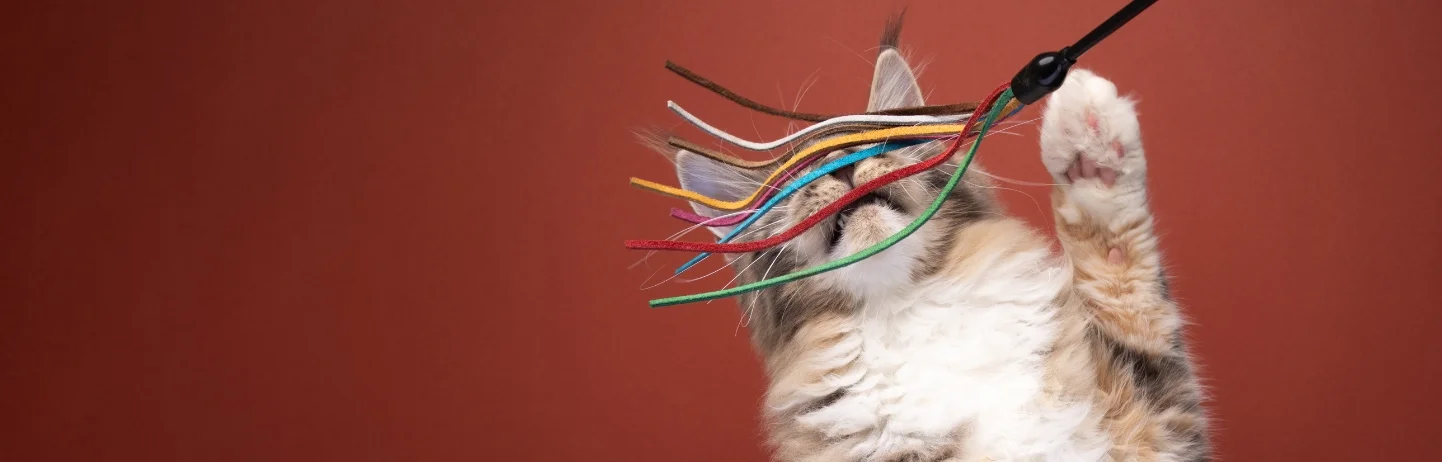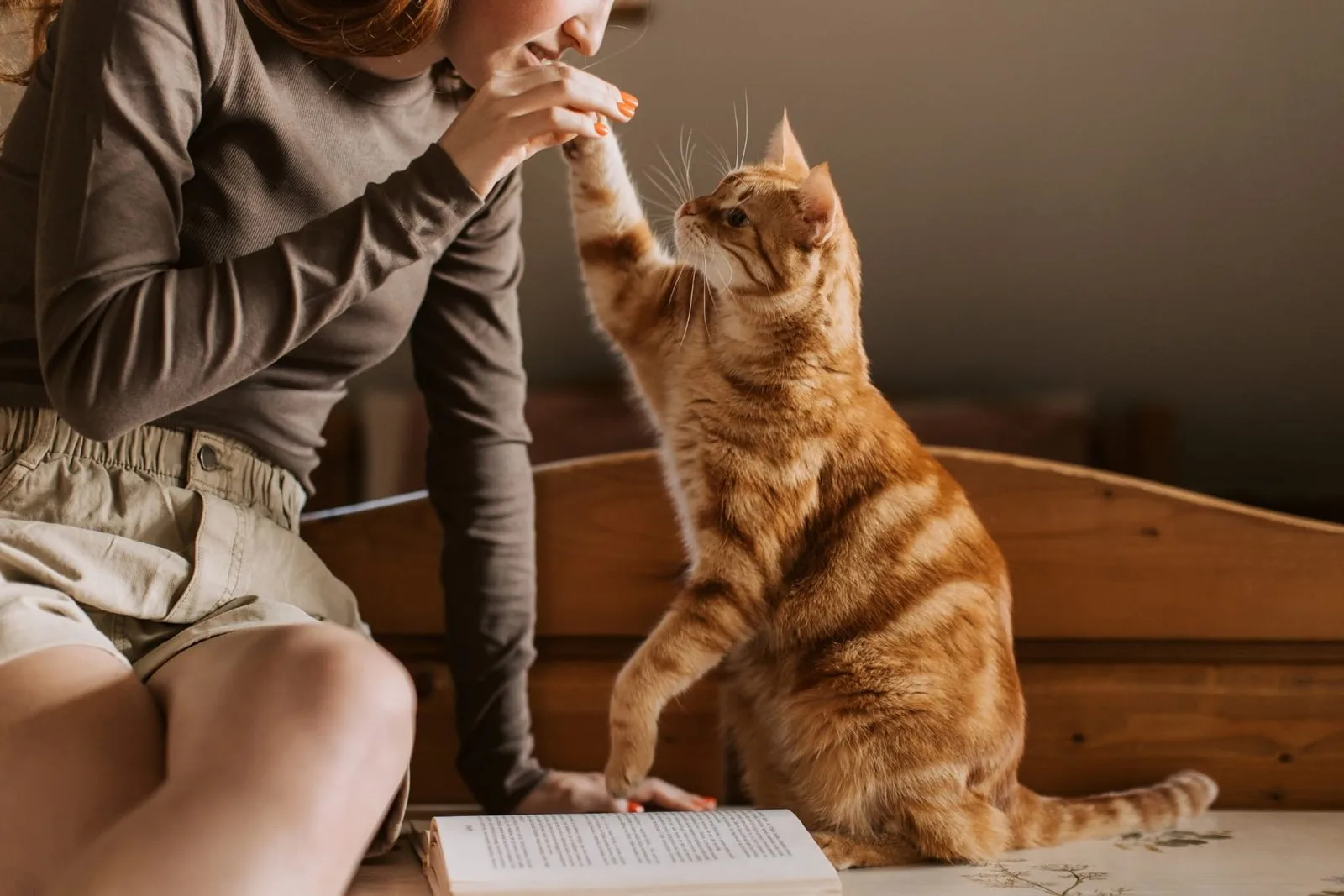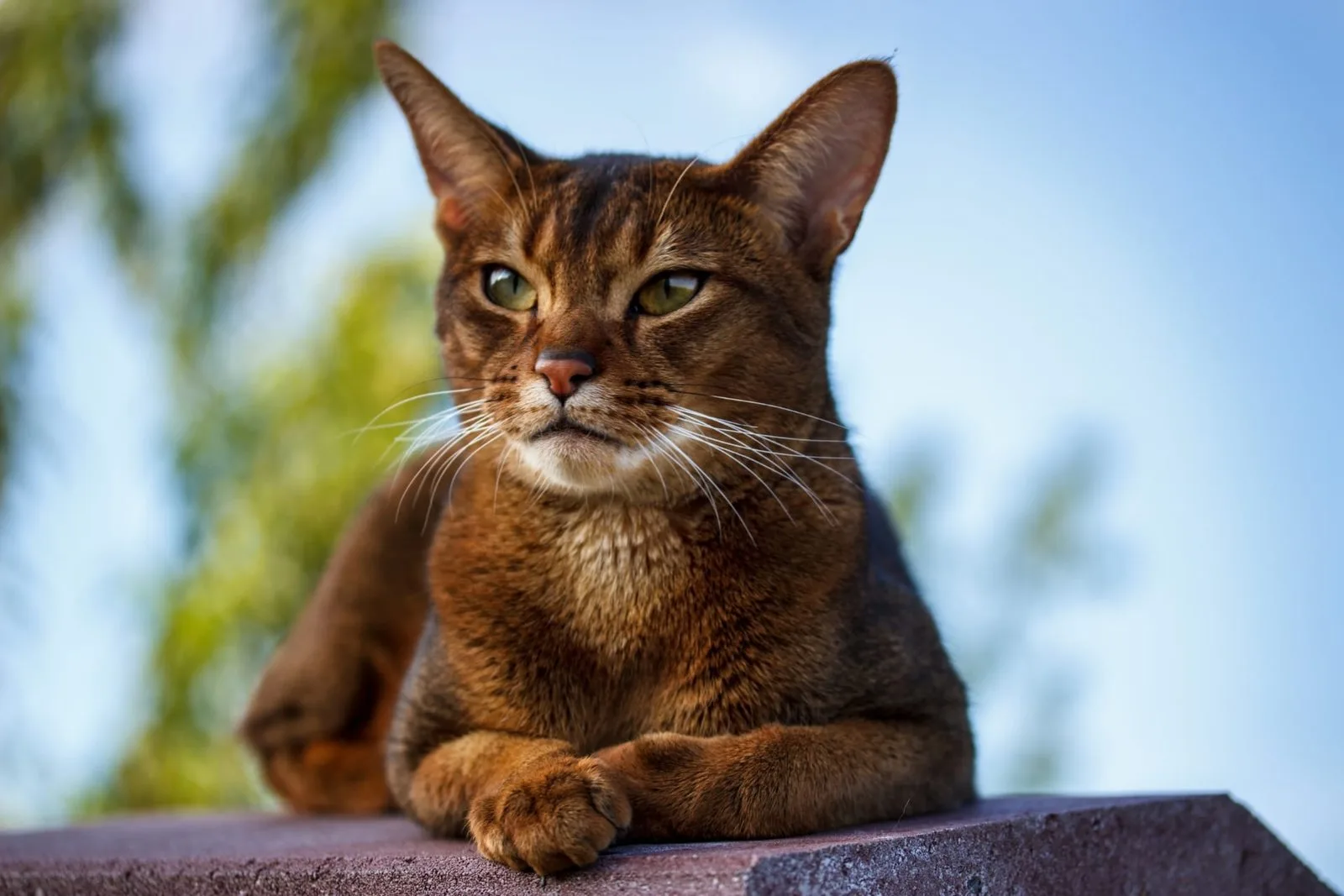
Abyssinian cat care requires daily interactive play, weekly brushing, regular dental care, and plenty of vertical climbing space. These high-energy cats need mental stimulation and physical activity to stay happy. Think of them as the athletes of the cat world who never skip leg day.
Your Abyssinian cat has already scheduled their day: morning sprints at 6am, climbing practice at 9am, supervised human activities from 10am-2pm, afternoon acrobatics at 3pm, and evening zoomies at 7pm. Your job? Show up on time and keep up.
Abyssinians aren't couch decorations. They're intelligent, curious, and athletic cats who will turn your home into their personal gymnasium. If you wanted a cat that lounges around all day, you chose the wrong breed.
Are Abyssinian Cats Hard to Care For?
Not hard. Just demanding.
Abyssinians need more engagement than your average cat. They're not complicated to care for physically (grooming is minimal), but mentally? They require constant stimulation or they'll create their own entertainment, usually involving your curtains or that vase you thought was safely placed.
What makes them high-maintenance:
- Need 30-60 minutes of active play daily (not optional)
- Require vertical space and climbing structures
- Get bored easily without mental stimulation
- Prone to dental issues that need regular attention
- Will supervise every activity you do (privacy sold separately)
- Can develop behavioral problems if under-stimulated
Think of Abyssinian care like coaching a competitive athlete. The physical needs aren't extreme, but the training schedule is non-negotiable.
For a deeper dive into Egyptian feline heritage, explore its cousins in our Egyptian Mau guide and Sphynx cat guide. Abyssinian cat from Petme libraryThe Abyssinian Cat Care Routine (What They Actually Need)
Grooming: Low Effort, High Impact
Abyssinians have short, fine coats that require minimal grooming compared to long-haired breeds. This is the one area where they're legitimately low-maintenance.
Weekly brushing schedule:
Brush once a week with a soft-bristle brush or grooming glove. This removes loose hair, distributes natural oils, and keeps their coat shiny. Brushing sessions take 5-10 minutes max.
Bathing (rarely needed):
Most Abyssinians don't need regular baths unless they get into something messy. If you do bathe them, use cat-specific shampoo and rinse thoroughly, as leftover soap irritates their skin.
Unlike Sphynx cats who need weekly baths, Abyssinians handle their own coat maintenance pretty well.
Nail trimming:
Trim nails every 2-3 weeks. Abyssinians are climbers, and sharp nails help them scale furniture, but overgrown nails can cause injuries when they inevitably launch themselves off your bookshelf at midnight.
If your cat resists nail trimming, check out how to trim a cat's nails that won't let you for techniques that actually work.
Ear and Eye Care (Weekly Check-Ins)
Check ears weekly for dirt, wax buildup, or signs of infection. Abyssinians have large ears that collect debris more easily than smaller-eared breeds.
How to clean Abyssinian ears:
- Use a soft, damp cloth to gently wipe the outer ear
- Never insert cotton swabs into the ear canal (that causes damage)
- If you notice excessive wax, redness, or a foul smell, see a vet
For eye care, gently wipe any discharge from the corners with a damp cloth. Some Abyssinians produce more tear staining than others. If you notice consistent discharge, have your vet check for blocked tear ducts or allergies.
Dental Care (The Non-Negotiable Part)
Abyssinians are prone to dental disease, particularly gingivitis and tooth resorption. Ignoring dental care leads to painful infections, tooth loss, and expensive vet bills.
Dental care routine:
- Brush teeth daily with cat toothpaste (human toothpaste is toxic to cats)
- Use a soft-bristled cat toothbrush or finger brush
- Start when they're young, as adult cats resist new routines
- Schedule professional cleanings annually or as recommended by your vet
If daily brushing feels impossible, aim for 3-4 times per week minimum. Dental treats and water additives help, but they're supplements, not replacements for brushing.
Signs of dental problems in Abyssinians:
- Bad breath
- Drooling or pawing at mouth
- Difficulty eating or dropping food
- Red or swollen gums
- Visible tartar buildup
Catch issues early. Advanced dental disease requires anesthesia for cleaning and potentially tooth extraction, neither of which is cheap or fun for your cat.
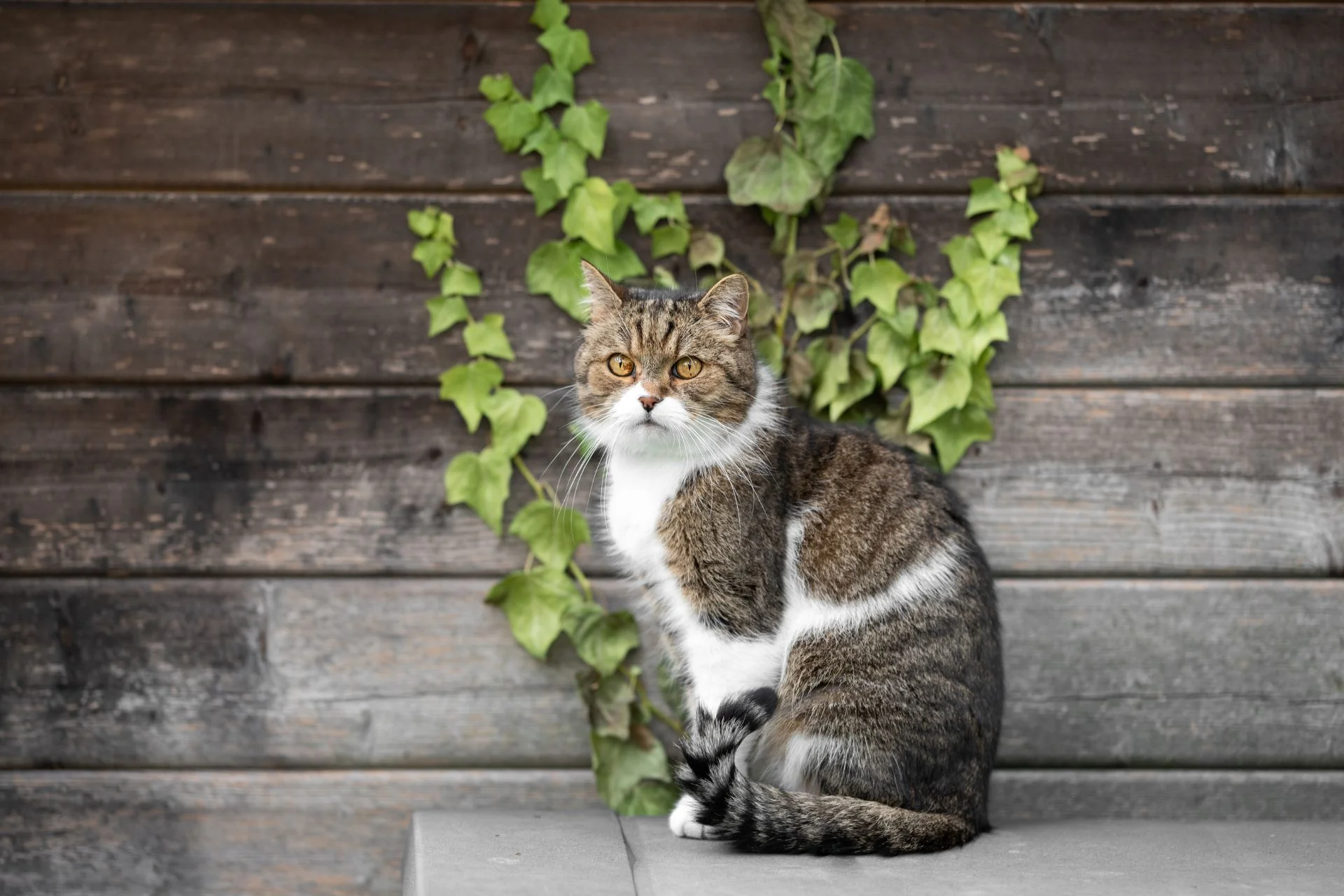
Abyssinian cat in action from Petme libraryExercise and Mental Stimulation (They Need Jobs)
Abyssinians were bred as active, working cats. They're not content sitting around. Without enough stimulation, they become destructive, anxious, or develop behavioral problems.
Daily Play Requirements
Plan for 30-60 minutes of active play daily, split into multiple sessions. Abyssinians have high energy but short attention spans: three 15-minute sessions work better than one long one.
Best toys for Abyssinians:
- Interactive wand toys (feathers, strings, anything they can chase)
- Puzzle feeders (makes them work for meals)
- Laser pointers (always end sessions by letting them catch a physical toy)
- Ball track toys (satisfies their batting instincts)
- Motorized toys (for solo play when you're busy)
Rotate toys weekly. Abyssinians get bored with the same toys quickly, so keep a rotation to maintain interest.
Climbing Space Is Non-Negotiable
Abyssinians love height. They need vertical space to climb, perch, and survey their kingdom (your living room).
How to create climbing space:
- Install tall cat trees (minimum 5-6 feet high)
- Add wall-mounted shelves at various heights
- Provide access to high furniture like bookshelves (secure them to walls first)
- Window perches for outdoor viewing
- Cat towers with multiple levels
An Abyssinian without climbing space is like a runner without legs, frustrated and unhappy. Don't skip this.
Do Abyssinian Cats Like to Be Held?
Some do, most don't.
Abyssinians are affectionate, but on their terms. They prefer being near you rather than restrained in your arms. Expect them to follow you everywhere, sit next to you, and supervise your activities, but don't expect them to tolerate being held like a baby.
What Abyssinians actually want:
- To sit next to you, not on you
- To be involved in whatever you're doing
- To follow you from room to room
- To sleep near you (but not necessarily cuddled)
- To initiate contact when they want it
They're companion cats, not lap cats. The distinction matters.
If your Abyssinian does enjoy being held, consider yourself lucky. Most tolerate brief holds but will squirm free within 30 seconds.
Can Abyssinian Cats Be Indoor Cats?
Yes, and they should be.
Abyssinians adapt well to indoor life if you provide enough enrichment. Outdoor access exposes them to dangers like traffic, predators, disease, and theft (they're expensive, purebred cats that people target).
How to keep indoor Abyssinians happy:
- Multiple climbing structures in different rooms
- Window access for watching outdoor activity
- Interactive play sessions daily
- Puzzle feeders and food-dispensing toys
- Consider a catio (enclosed outdoor space) for safe outside time
- Rotate environmental enrichment to prevent boredom
Indoor Abyssinians live longer, healthier lives than outdoor cats. Just make sure you're meeting their exercise and stimulation needs inside.
For more context on this decision, read our breakdown of indoor vs outdoor cats.
What Are the Behavior Problems with Abyssinian Cats?
Behavior problems in Abyssinians almost always stem from boredom or lack of stimulation. These are smart, active cats. Ignore their needs and they'll find creative (destructive) ways to entertain themselves.
Common Abyssinian Behavior Issues
Excessive vocalization: Abyssinians are naturally chatty, but excessive meowing often signals boredom, loneliness, or anxiety. Increase play sessions and consider getting a second cat for companionship.
Destructive behavior: Scratching furniture, knocking things over, or climbing where they shouldn't usually means they need more appropriate outlets for their energy. Add scratching posts, climbing trees, and interactive toys.
Aggression or rough play: Under-stimulated Abyssinians redirect their energy into aggressive play: biting, scratching, or ambushing. More structured play sessions with toys (not hands) usually solves this.
Food obsession: Abyssinians are food-motivated and can become obsessive about meals. Use puzzle feeders to slow eating and provide mental stimulation. Some Abyssinians do well with scheduled feeding rather than free-feeding.
Attention-seeking behavior: Following you everywhere, interrupting activities, or demanding attention constantly is normal for the breed. If it becomes excessive, they might need more one-on-one playtime or environmental enrichment.
Feeding Your Abyssinian Cat (Quality Over Quantity)
Abyssinians are lean, muscular cats with high metabolisms. They need high-quality, protein-rich diets to maintain their energy levels and body condition.
What to feed an Abyssinian:
- High-protein cat food (minimum 40% protein content)
- Mix of wet and dry food for variety and hydration
- Lean meats as occasional treats (cooked chicken or turkey)
- Avoid fillers like corn, wheat, or soy
Feeding schedule:
Most Abyssinians do well with scheduled meals (2-3 times daily) rather than free-feeding. They're active and burn calories quickly, but they're also food-motivated and can overeat if given unlimited access.
Hydration matters:
Keep fresh water available at all times. Many Abyssinians prefer running water, and a cat water fountain encourages them to drink more and stay hydrated.
For a complete breakdown of cat nutrition, see our cat food portions calculator.
Health Concerns Specific to Abyssinians
Renal Amyloidosis
This genetic kidney condition is more common in Abyssinians than other breeds. It causes abnormal protein buildup in the kidneys, leading to kidney failure.
Symptoms include:
- Increased thirst and urination
- Weight loss
- Lethargy
- Poor appetite
Early detection through regular vet check-ups improves outcomes. If you're purchasing from a breeder, ask about genetic testing for renal amyloidosis.
Progressive Retinal Atrophy (PRA)
This inherited eye condition causes gradual vision loss and eventually blindness. Responsible breeders test for PRA, but if you adopt an Abyssinian without genetic history, monitor for signs like:
- Dilated pupils in bright light
- Reluctance to jump or navigate in low light
- Bumping into furniture
Dental Disease
As mentioned earlier, Abyssinians are prone to gingivitis and tooth resorption. Regular dental care prevents painful infections and tooth loss.
Patellar Luxation
This condition causes kneecap dislocation and is more common in active breeds like Abyssinians. Signs include limping, avoiding jumping, or favoring one leg. Surgery corrects severe cases.
Annual vet check-ups catch these issues early. Don't skip wellness exams.
Why This Matters for Pet Sitting
Abyssinian cats are not self-sufficient. They need interaction and stimulation, qualities many drop-in sitters don't provide beyond basic feeding and litter box scooping.
If you're leaving town, your Abyssinian isn't going to handle a sitter who shows up once a day, fills the bowl, and leaves. They need someone who understands their exercise requirements and won't just ignore their demands for play.
What happens with unprepared sitters:
- Bored Abyssinians become destructive (goodbye, houseplants)
- Under-stimulated cats develop anxiety or aggression
- Energetic cats redirect energy into problem behaviors
- Lonely Abyssinians stress out without companionship
A good pet sitter knows that "active breed" isn't a suggestion. It's a job requirement. Learn more about handling shy cats as a pet sitter if your Abyssinian tends toward the nervous side, or check out tips for handling aggressive cats if under-stimulation has led to behavioral issues.
What to Tell Your Pet Sitter
Before you leave, make sure your sitter knows:
- Play schedule: When and how long to play (minimum 15-20 minutes per visit)
- Favorite toys: Which toys your cat prefers and where they're stored
- Climbing access: Which areas your cat uses and shouldn't be blocked
- Feeding routine: Exact portions, meal times, and whether to use puzzle feeders
- Dental care: If your cat needs teeth brushed during longer sits
- Emergency contacts: Your vet's number and 24-hour emergency clinic
Leave written instructions with specific details. Don't assume they'll remember everything from a quick walkthrough.
For a comprehensive prep checklist, read our guide on preparing your cat for a sitter and how to leave detailed instructions for a pet sitter.
Questions to Ask Pet Sitters About Abyssinian Care
Not every sitter can handle an active breed. Ask these questions before booking:
- Have you cared for high-energy or active cat breeds before?
- How do you structure playtime with cats during visits?
- Are you comfortable with cats who demand interaction and won't just ignore you?
- What's your experience with puzzle feeders or enrichment activities?
- How do you handle cats who are very vocal or attention-seeking?
If they talk about Abyssinians like they're typical cats, keep looking. You need someone who gets that your cat has an agenda and won't settle for a sitter who doesn't participate.
Our article on choosing a trustworthy cat sitter covers exactly what to look for, and how to interview a pet sitter gives you the framework for vetting candidates properly.
Finding a Sitter Who Can Keep Up
Your Abyssinian doesn't need a babysitter. They need a playmate.
On Petme, you can filter sitters by experience with active breeds and read reviews from other owners with high-energy cats. Look for sitters who mention interactive play, enrichment activities, or experience with breeds that need engagement.
A good sitter won't see your play requirements as excessive. They'll see them as part of the job. That's the difference between leaving your cat with someone who gets it and coming home to a stressed, bored cat who's redecorated your living room out of frustration.
Find experienced cat sitters on Petme who understand that "active breed" means actual work, not just a cute description in your booking notes. And if you want to understand what professional cat sitters actually do, read what does a cat sitter do to set proper expectations.
FAQ: Abyssinian Cat Care
Are Abyssinian cats hard to care for?
Not physically hard, but they're demanding. Grooming is minimal, but they need daily play, mental stimulation, and climbing space. They're best suited for owners who can commit 30-60 minutes daily to interactive play and enrichment.
Do Abyssinian cats like to be held?
Most don't. They're affectionate and enjoy being near you, but prefer not to be restrained. They'll follow you everywhere and sit next to you, but don't expect extended cuddle sessions in your lap.
Can Abyssinian cats be indoor cats?
Yes, and they should be. Indoor Abyssinians thrive with proper enrichment: climbing structures, interactive toys, puzzle feeders, and daily play. Outdoor access exposes them to dangers like traffic, disease, and theft.
What are the behavior problems with Abyssinian cats?
Common issues include excessive vocalization, destructive behavior, aggression during play, and attention-seeking. Most problems stem from boredom or lack of stimulation. Increase play sessions, add enrichment activities, and give them appropriate outlets for their energy.
How much exercise do Abyssinian cats need?
At least 30-60 minutes of active play daily, split into multiple sessions. They also need climbing opportunities and mental stimulation through puzzle toys or interactive feeders. Without enough exercise, they become destructive or develop behavioral problems.
What should I feed my Abyssinian cat?
High-protein cat food (minimum 40% protein) with a mix of wet and dry food. Feed 2-3 scheduled meals daily rather than free-feeding. Keep fresh water available at all times, as many Abyssinians prefer water fountains.
Do Abyssinian cats need a companion?
Not required, but many do better with another cat, especially if their owner is gone during the day. They're social cats who need interaction. If you can't provide constant companionship, consider getting a second cat.
How often should I brush my Abyssinian cat?
Once a week is sufficient. Their short, fine coats don't mat easily and require minimal grooming compared to long-haired breeds. Weekly brushing removes loose hair and keeps their coat shiny.
Abyssinians aren't difficult. They're just honest about their needs. If you want a cat that acts like furniture, this isn't your breed. If you want an athletic, intelligent companion who'll turn your home into an interactive cat gym, you've made the right choice.
Just make sure your pet sitter signed up for the same workout program.