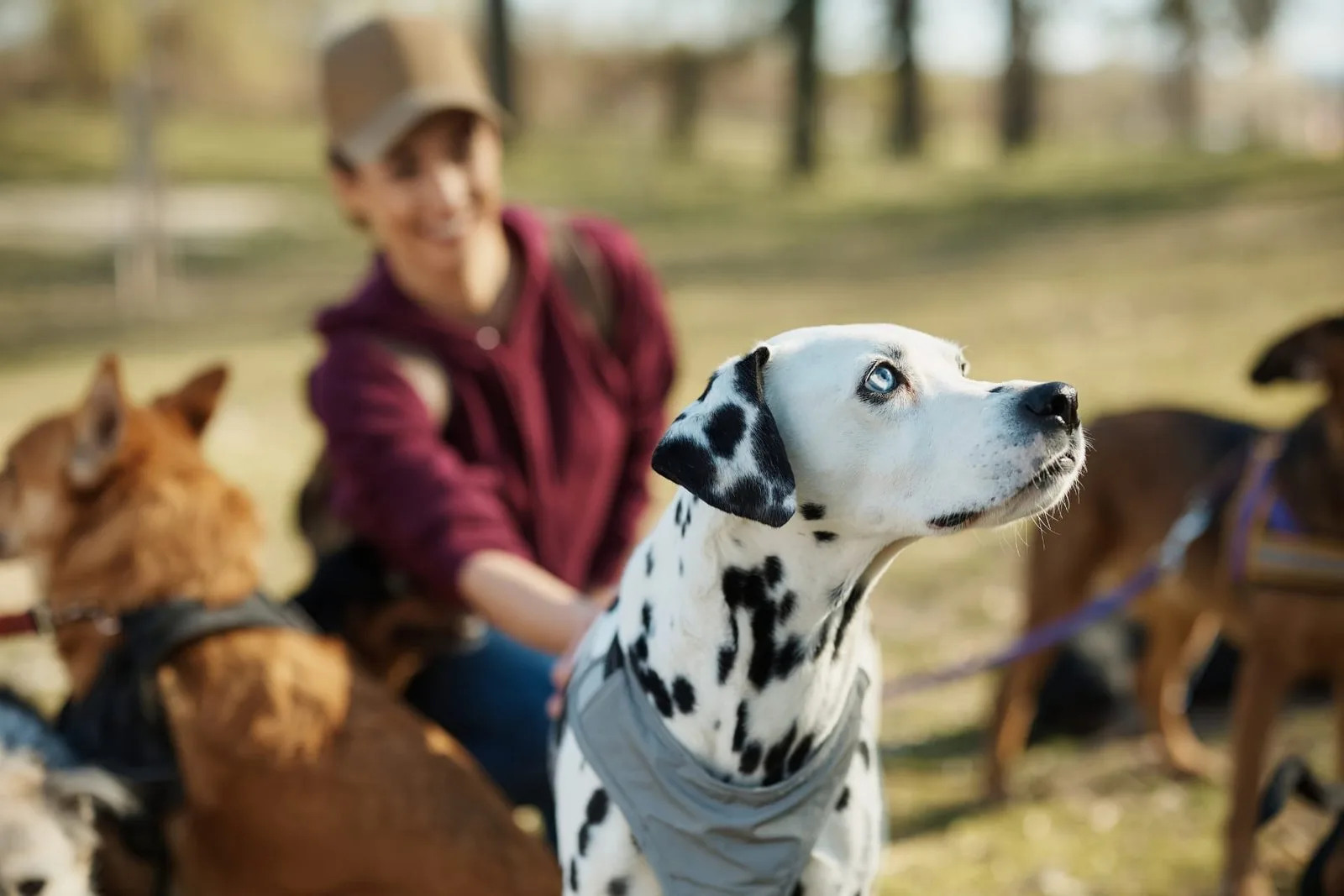
In short: Choosing a reliable dog sitter means starting early, verifying real experience with dogs like yours, asking situational questions rather than general ones, and arranging a meet and greet before any booking is confirmed. The right sitter asks as many questions about your dog as you ask about them.
The hardest part of finding a dog sitter isn't the search itself. It's knowing what you're actually evaluating. A star rating and a short bio give you a starting point, not a decision.
The steps below take you from shortlist to confident booking, without guesswork.
Start your search before you need to
Reliable dog sitters book out fast. Those with specific experience (anxious dogs, medication administration, reactive breeds, multi-dog households) even faster.
Starting three to four weeks ahead gives you time to shortlist properly, interview candidates, and arrange a meet and greet before committing. For school holidays, summer, and public holidays, start earlier still.
Beginning early means you're choosing from a full pool. Starting late means you're choosing from whoever has availability. That difference matters more than most people expect until the first time they find it out the hard way.
For planning your budget: a 30-minute drop-in visit typically costs $15–$25, with overnight boarding running $50–$100 depending on location and the sitter's experience level. See
current dog sitting cost averages for a detailed breakdown by service type.
What experience actually looks like in a dog sitter
Experience isn't just time spent around dogs. The useful question is whether a sitter has handled situations that resemble yours specifically.
A sitter who has cared for a dog with separation anxiety has a different skill set from one who has watched calm, sociable pets for friends. A sitter who has administered daily medication, managed a reactive dog on a walk, or taken care of a senior with mobility issues brings something specific to the table.
Ask directly: "What experience do you have with a dog like mine?" A vague answer ("I love all dogs") tells you considerably less than a specific one. What you're listening for is evidence that they've thought concretely about the challenges your dog would present, not enthusiasm in general.
Certifications such as pet first aid are worth noting. They signal that the sitter has prepared for emergencies, which is exactly when preparation matters most.
How to interview a dog sitter properly
The
interview reveals whether a sitter's confidence comes from genuine experience or just good presentation.
Start with services. Some sitters offer drop-in visits and walks; others cover
house sitting or
overnight boarding. Confirm they can handle what your dog specifically needs: medication schedules, particular handling requirements, or managing a dog who is difficult on the lead.
Situational questions get you further than general ones. Try: "What would you do if my dog stopped eating on day two?" or "How have you handled a dog who becomes distressed when left alone?" A sitter with real experience gives a specific answer drawn from something they've actually dealt with. A generic answer ("I'd do my best to comfort them") should prompt a follow-up.
Pay attention to the questions they ask you. A sitter who wants to know about your dog's routine, history, and temperament before accepting a booking is already doing their job. For a full list of what to cover, see our guide to
questions to ask a pet sitter.
Why the meet and greet matters more than owners expect
The
meet and greet is the most skipped step in the whole process. It's also the most informative.
Schedule 15–30 minutes: at your home for drop-in or house sitting bookings, at the sitter's home if boarding is the arrangement. Let your dog set the pace entirely. A calm, experienced sitter will wait for the dog to come to them rather than pushing for interaction.
Watch how the sitter handles a dog who is uncertain or slow to warm up. That two-minute window tells you more about how they'll behave when you're not there than anything else. A sitter who is visibly frustrated or who tries to force the interaction is showing you something worth taking seriously. 🐕
Observe whether they ask follow-up questions unprompted: about your dog's daily routine, any behavioural quirks, what "a difficult day" looks like for your dog. A sitter who is still gathering information at the meet and greet stage is approaching the booking as a professional, not a transaction.
References and what to do with them
Ask for references from past clients whose dogs resemble yours in breed, energy level, or care needs. The question that gets you the most useful information is: "Can you tell me about a time something unexpected happened and how the sitter handled it?"
A glowing answer about a smooth booking tells you the minimum. An honest account of a difficult situation managed well tells you considerably more.
Red flags to watch for: no references at all, references who can only speak to the sitter's personality rather than their care of a dog, reviews that are uniformly five stars with no detail, and sitter profiles so generic they could describe anyone.
A sitter who is confident in their work welcomes scrutiny before a booking. One who becomes evasive when asked reasonable questions is showing you something important before you've committed to anything.
Confirming the booking and preparing properly
Once you've chosen a sitter, the quality of the booking depends significantly on the preparation you do beforehand.
Give the sitter your vet's contact details in writing: clinic name, number, and if yours doesn't cover emergencies, an out-of-hours vet as well. Note any medical specifics: allergies, medication with precise doses and timing, recurring issues to monitor.
Write down your dog's daily routine, the commands they know, feeding schedule, and anything about your home the sitter needs to navigate safely. Don't rely on a verbal handover: things get missed.
Petme's pet sitter prep checklist covers everything worth including.
On tipping: 10–15% of the booking total is appropriate when a sitter goes beyond what was agreed, calm handling of a difficult day, proactive communication throughout a longer stay, or an unexpected situation managed well. Not expected for every booking, but worth knowing the standard. For help setting a fair budget, see our
guide to affordable pet sitters.
Before your first booking with any new sitter, read through the most common
dog sitting mistakes so you know what to watch for. And for preparing your dog's side of the arrangement, see our guide on
preparing your pet for a pet sitter.
A well-chosen sitter removes the anxiety of being away from your dog, which is, ultimately, the point. Browse verified sitters on
Petme, where every listed sitter has passed identity verification and a background check, social profiles let you follow their daily work with animals before making contact, and there are no owner service fees added at checkout.
Frequently asked questions about choosing a dog sitter
1. How do I choose a reliable dog sitter?
Start your search three to four weeks ahead. Look for specific experience relevant to your dog's needs rather than generic enthusiasm. Interview candidates with situational questions, not general ones. Arrange a meet and greet before any booking is confirmed, and check references from clients whose dogs are comparable to yours. A reliable sitter asks detailed questions about your dog before accepting the booking, not after.
2. What should I ask a dog sitter before booking?
Ask how they'd handle a dog who stops eating, becomes distressed when left alone, or shows signs of illness during a stay. Ask about their experience with your dog's breed or specific care needs. Ask what communication looks like during the booking, how often, by what method, and what they'd escalate to you versus handle independently. See the full list of
questions to ask a pet sitter for a complete guide.
3. How do I find a reliable dog sitter near me?
Petme lists verified local sitters with identity checks, background checks, and social profiles that give you a real window into their work before you make contact. Local vet offices and groomers often recommend sitters they know from direct experience, worth asking at your next appointment. Whichever route you take, confirm with a meet and greet before the first real booking.
4. What makes a good dog sitter?
Specific experience with dogs comparable to yours, clear and prompt communication, and a calm, attentive approach during the meet and greet. A good sitter asks detailed questions before accepting a booking and provides substantive updates during it. References from previous clients with similar dogs, not character endorsements from friends, are the most reliable external signal of consistent quality.
5. Should I tip my dog sitter?
Tipping is not expected on every booking, but 10–15% of the total is appropriate when a sitter handles something that went above what was agreed: managing an unexpected situation calmly, providing consistent updates during a difficult stay, or going beyond the routine care that was booked. Confirm before the booking whether the sitter accepts tips, as preferences vary.
6. What are the red flags when evaluating a dog sitter?
Reluctance to arrange a meet and greet before a first booking. References who can only speak to the sitter's personality rather than their care of a specific dog. Uniformly five-star reviews with no detail. A profile that gives no real information about the sitter's experience or how they work. Any sitter who becomes evasive when asked reasonable questions before you've committed to anything is giving you useful information about how they'll communicate once you're away.