Spain has around 29 million pets, one of the highest densities in Europe. Yet the professional pet sitting market here is still less developed outside major cities than in the UK or US, which means the gap between a well-vetted sitter and an unvetted one is wider than many Spanish pet owners expect when they search for the first time. This guide covers what professional house sitting in Spain looks like, where sitter coverage is strongest, what verification actually means, and the questions worth asking before you leave your pet with anyone.
What professional house sitting in Spain actually means
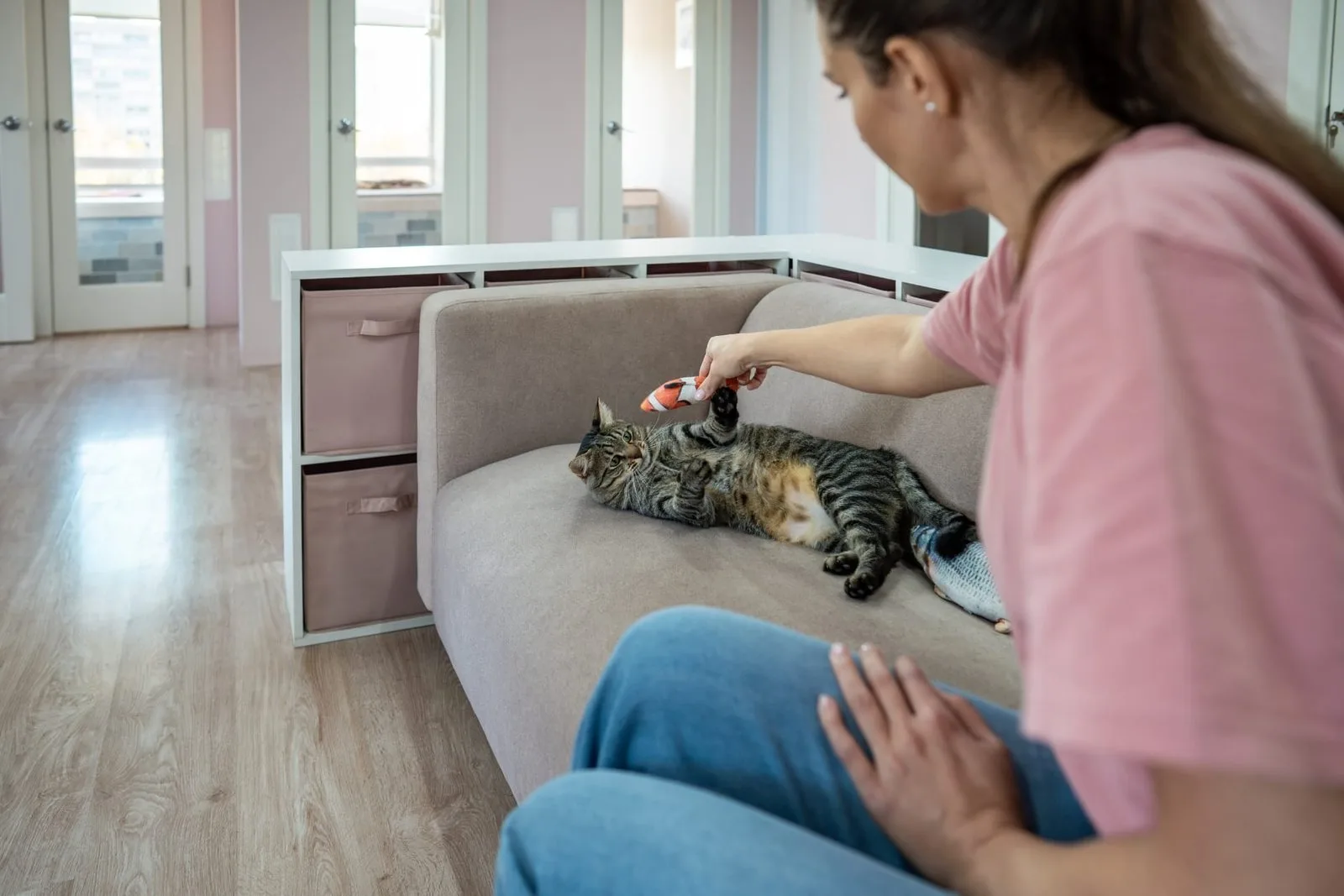
House sitting means a sitter stays in your home while you're away and cares for your pet as part of that arrangement. The sitter looks after your dog or cat on their regular routine, in their own environment, without the disruption of a kennel or an unfamiliar home. Your pet sleeps in its own spot, eats from its own bowl, and gets walked by someone who has already met them.
What separates a professional sitter from a casual one is verification. A properly verified sitter has gone through identity confirmation and a background check independently conducted by the platform they list on, not just self-declared. They have a review history from previous pet owners who can describe specific situations, not just a handful of five-star ratings with no context. And they're someone you've spoken to directly before handing over your keys.
Petme connects Spanish pet owners with verified local sitters. Every sitter completes identity verification and a background check before their profile goes live. Pet parents pay the sitter's rate and nothing more: no service fees added at checkout. The Petme Protection Plan may contribute to eligible vet costs up to €20,000 if something goes wrong during a booked sitting. And every completed booking earns cashback that reduces the cost of your next one.
Where sitter coverage is strongest in Spain
Professional pet sitter availability in Spain follows the population and, to a degree, tourism. The deepest sitter pools are in Madrid and Barcelona, Spain's two largest cities with large expat communities and an active professional pet care market. You'll have genuine choice there with a few weeks' notice for most travel dates.
Valencia, Seville, and Malaga have good coverage during spring-to-autumn travel. The Balearic Islands (Mallorca, Ibiza, Menorca) and Canary Islands (Tenerife, Gran Canaria) have a strong sitter presence given their popularity as holiday destinations, and booking in advance there typically produces several solid options.
Inland Spain, smaller towns, and rural areas present more of a challenge. Sitter pools thin considerably once you move away from the major cities and coastal tourist zones. If you're in a less-visited area, booking further in advance matters even more, and the meet-and-greet becomes essential since your shortlist may be shorter.
What sitter verification looks like in Spain
Not all "verified" labels mean the same thing. Some platforms verify identity only, meaning a sitter has uploaded a photo and a document that was checked against each other. Others go further and run an independent background check through a third-party service. These are meaningfully different levels of vetting, and it's worth checking which applies to any sitter you're considering.
Review history matters alongside formal verification. A sitter with 30 reviews from the past two years, where the reviews describe specific situations and outcomes, tells you far more than a sitter who joined the platform recently with two five-star ratings. When reading reviews, look for mentions of how the sitter handled something unexpected: a dog who wouldn't eat, a cat who hid for the first 24 hours, a minor health concern that needed monitoring. Those are the reviews that tell you how someone actually performs.
Language is a practical consideration specific to Spain. Your sitter needs to be able to communicate with a local vet in an emergency. Not all English-speaking sitters are comfortable doing that in Spanish, and not all Spanish-speaking local sitters work confidently in English. Confirm this directly during your pre-booking call rather than assuming. The meet-and-greet is the right moment to check this.
What house sitting costs in Spain
Professional house sitting rates in Spain generally run €30–€65 per night depending on city, sitter experience, and the number and type of pets. Drop-in visits for owners who don't need overnight coverage typically run €15–€30 per visit. Major cities like Madrid and Barcelona sit at the higher end; smaller cities and towns run lower.
The price shown should be the price paid. If you're comparing platforms, check the total at checkout rather than the listed sitter rate, since some services add a booking fee that only appears at confirmation. Platforms that are genuinely fee-free for pet owners will say so explicitly.
What to ask a potential sitter before booking
The most useful pre-booking questions cover three things: experience, emergencies, and logistics.
On experience: ask how many sits they've completed, what types of animals they've cared for, and whether any had health conditions or a medication routine. A sitter who has only looked after young healthy dogs may not be the right fit for a senior pet with specific needs.
On emergencies: ask which vet they'd call if your pet fell ill, whether they're comfortable giving medication, and how they'd handle a pet that stopped eating. A sitter who has a clear answer to these questions before the sit begins is better positioned than one who would work it out under pressure.
On logistics: confirm the language situation for emergency contacts. Ask how often they'd send updates and in what format. Ask whether anyone else would have access to the property during the sit. These are direct questions, but the answers matter.
For a full handover checklist covering feeding, medications, vet contacts, and house rules, the pet sitter prep guide is the easiest starting point.
How to get the booking right
For summer travel (June–September) and the Christmas and Easter holiday periods, experienced Spanish sitters fill quickly. Booking two to three months ahead for peak-season sits is realistic for popular areas. For off-peak travel, four to six weeks' notice is generally enough.
Before confirming any booking, run the full vetting sequence: profile review, video call, reference check with at least two previous pet owners, and a meet-and-greet in person. This sequence takes a few days and is worth every bit of the time it takes. The difference between a good sit and a stressful one almost always comes back to how thoroughly you vetted the person before leaving.
For the complete framework for evaluating any sitter regardless of platform, the guide to choosing the right pet sitter covers what to weigh and what to ignore.
Frequently asked questions about house sitting in Spain
1. Do I need to pay for house sitting in Spain?
Professional house sitting in Spain works on a paid basis: the sitter charges a daily or nightly rate, you pay that rate, and the sitter provides professional care for your pet. Some platforms add a service fee on top of the sitter's rate at checkout; others, including Petme, charge no owner fees at all. The rate shown is the rate paid. Expect €30–€65 per night for most professional house sits in major Spanish cities.
2. How do I find a pet sitter in Spain who speaks English?
Filter by language when searching on any platform. In Madrid, Barcelona, and Valencia there are enough sitters that filtering to English-speakers still gives you a real shortlist. Confirm language confidence directly during the pre-booking video call: your sitter needs to be able to speak Spanish to a vet clinic in an emergency, even if they communicate with you in English. For rural or less-visited areas, your sitter pool will be smaller, so language filtering may narrow it significantly.
3. What does a house sitter in Spain actually do?
The sitter stays in your home while you're away, cares for your pets on their usual routine, and keeps the property secure. Core responsibilities are feeding, exercise, companionship, and daily updates to you. Some sitters also handle tasks like taking in post or watering plants, but agree anything beyond pet care in writing before the sit starts. For shorter visits rather than overnight stays, the guide to drop-in visits explains what that option involves.
4. Is house sitting in Spain safe for my pet?
Safety comes down to sitter selection, not geography. A sitter who has gone through identity verification and a background check, has a genuine review history, has spoken to you on a video call, and has met your pet before the sit starts is a sitter you can trust with reasonable confidence. No vetting process eliminates all risk, but it reduces it substantially. Platforms that cover vet costs as part of the booking add a further layer of cover if something does go wrong.
5. How far in advance should I book a house sitter in Spain?
For summer travel and the main holiday periods, book as soon as your dates are confirmed. Two to three months ahead is not excessive for popular coastal areas and the islands in high season, when experienced sitters fill early. For off-peak travel to major cities, four to six weeks is normally enough to find a strong shortlist. Last-minute bookings in Spain reduce your options significantly more than in deeper markets like the UK or Germany.
6. What if my house sitter cancels at short notice in Spain? 🐾
Check the cancellation policy before you book, not after. On platforms with a professional sitter model, a late cancellation typically triggers a partial refund to the owner and a fee to the sitter, which deters last-minute dropouts. A good backup plan is worth setting up when you confirm any sit: identify at least one other trusted option before you travel, rather than searching for cover under pressure. The full guide on what to do when a pet sitter cancels covers how to handle this quickly.
Finding a reliable house sitter in Spain takes more planning than in markets with a deeper sitter pool, but it's entirely manageable if you give yourself enough lead time and work through the vetting steps properly. The right sitter, properly chosen, gives you the kind of confidence that makes travel genuinely enjoyable rather than something you spend worrying about your pet.