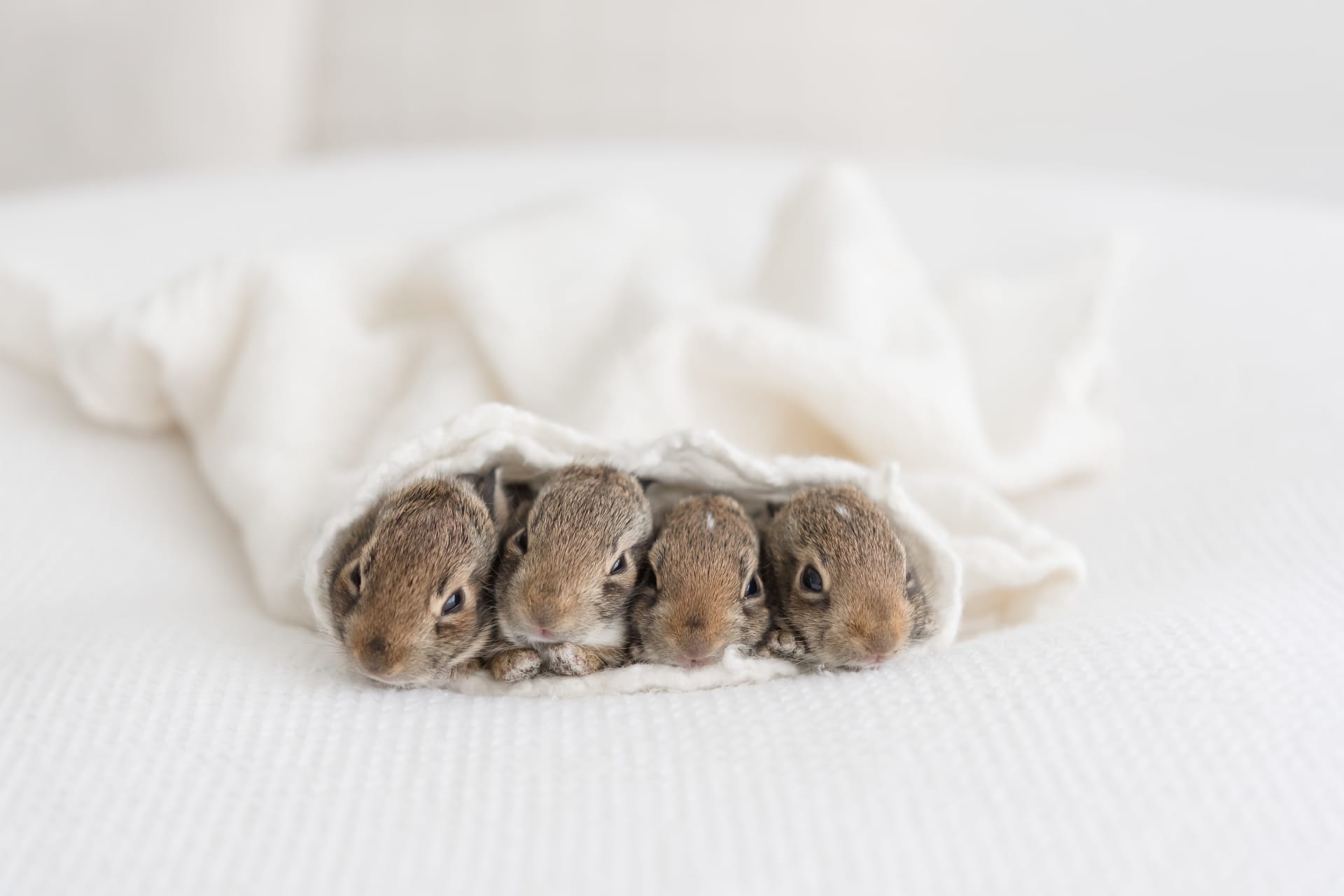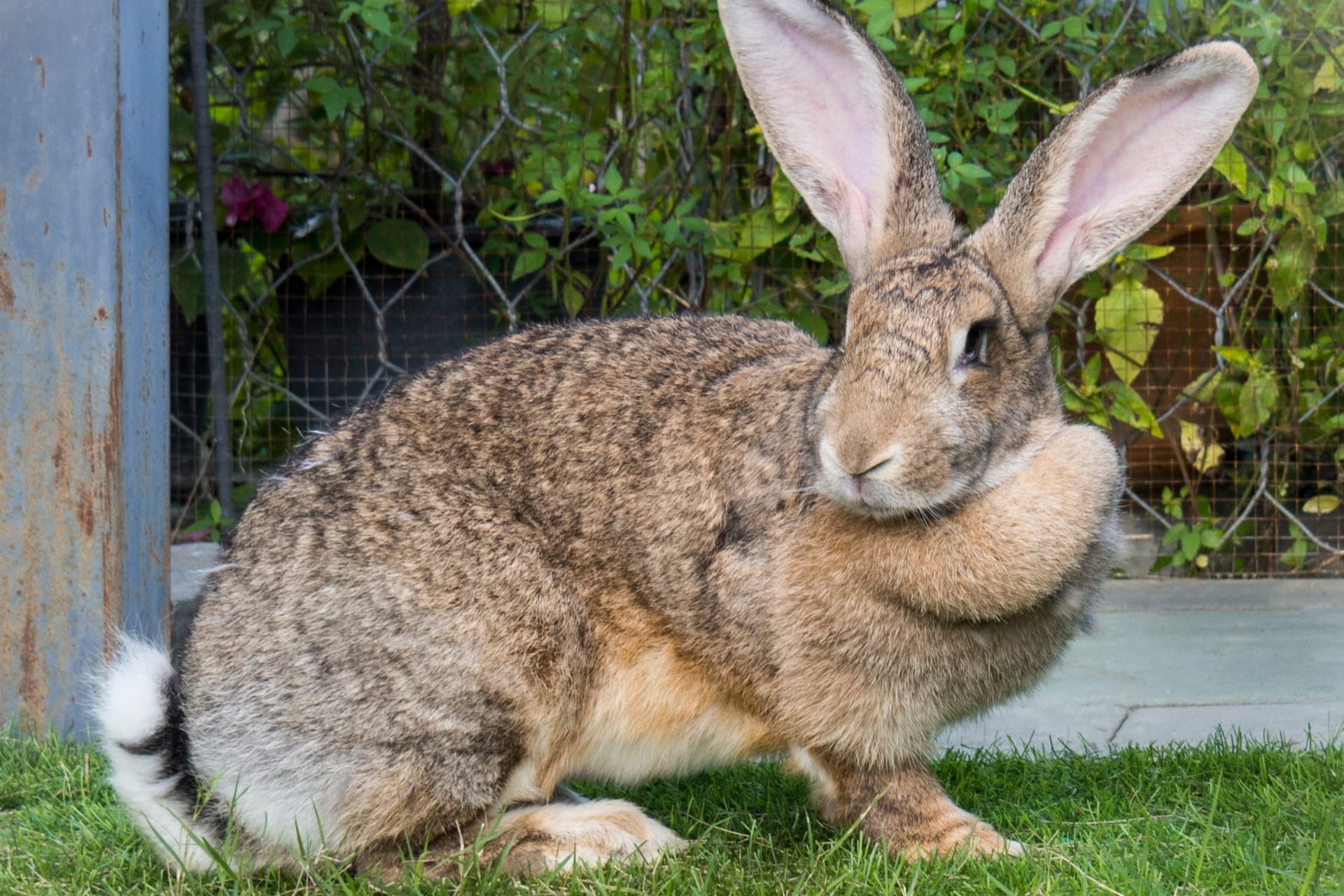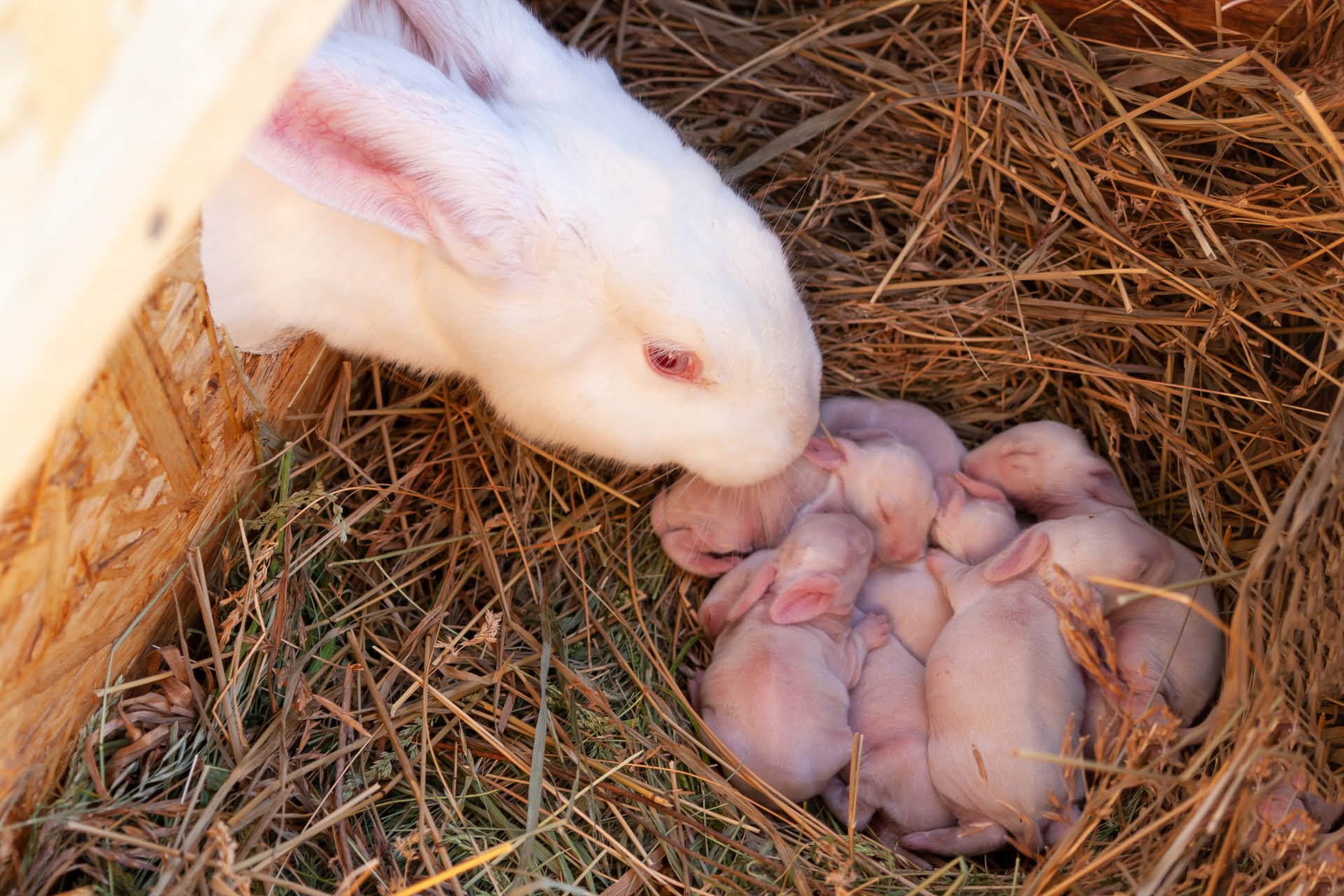
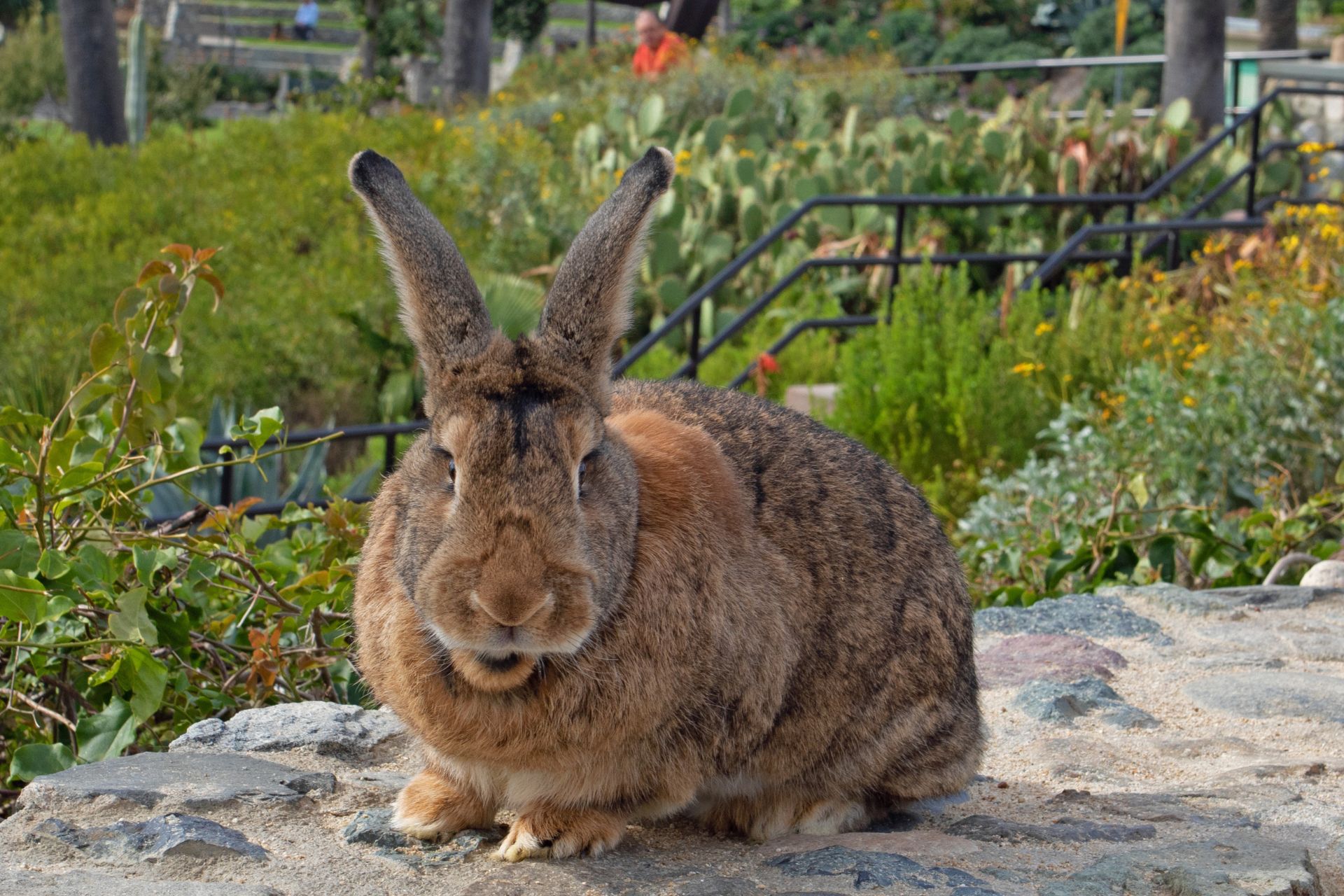
Large rabbit breeds bring a unique charm to the world of rabbit ownership. Their impressive size, gentle nature, and striking appearance make them an appealing choice for rabbit enthusiasts. When considering a large pet rabbit, take into account their specific breed characteristics, care requirements, and the commitment required to provide them with a loving and enriching environment. Whether you’re a rabbit owner or a pet sitter caring for these gentle giants, understanding their needs is essential. With the right knowledge and care, these magnificent rabbits can become cherished companions, bringing joy and happiness for many years to come.
Contents
- Benefits of Owning a Large Rabbit
- Popular Large Rabbit Breeds
- Characteristics of Large Rabbit Breeds
- Choosing the Right Large Rabbit Breed
- Housing and Environment for Large Rabbits
- Feeding and Nutrition for Large Rabbits
- Grooming and Health Care for Large Rabbits
- Training and Socialization of Large Rabbits
- Large Rabbits as Family Pets
- Conclusion
- FAQs
Rabbits make delightful pets, and if you’re looking for a furry companion that stands out from the rest, large rabbit breeds might be just what you’re searching for. These gentle giants offer a unique and charming experience, combining their impressive size with a friendly and affectionate nature. Whether you’re a rabbit owner or a pet sitter, understanding the special needs of large breeds ensures they receive the best possible care. In this article, we’ll explore the world of large pet rabbit breeds, highlighting their benefits, popular breeds, characteristics, care requirements, and what pet sitters should know when caring for these magnificent animals.
Benefits of Owning a Large Rabbit
Owning a large rabbit can bring numerous advantages to your life. Here are a few benefits that these big bunnies offer:
- Cuddly Companionship: Large rabbits are known for their docile and friendly personalities. They enjoy human interaction and make excellent companions, providing unconditional love and affection.
- Eye-Catching Appeal: The impressive size and distinctive appearance of large rabbit breeds make them a standout presence in any household. Their majestic stature is sure to turn heads and spark conversations.
- Unique Bonding Experience: Due to their size, large rabbits offer a different kind of bonding experience. Their gentle nature allows for snuggling and cuddling, creating a special bond between owner and pet.
- Great for Families: Large rabbits can be a fantastic addition to families with children. Their size and temperament make them suitable for gentle interactions, teaching kids about responsibility and compassion.
Popular Large Rabbit Breeds
Several rabbit breeds fall into the category of large pets, each possessing its own unique qualities. Based on feedback from pet sitters on our platform and rabbit owners in our community, we’ve identified the breeds most commonly cared for and their real-world characteristics. Our sitters have logged thousands of rabbit care visits across these breeds, reporting on temperament, handling requirements, and care needs. Let’s explore the most popular large pet rabbit breeds according to Petme sitters and rabbit owners:
Flemish Giant: Known as the largest rabbit breed, the Flemish Giant can reach weights of up to 14 pounds or more. They have calm and friendly personalities, making them great family pets.

British Giant: Originating from the United Kingdom, the British Giant is another large breed, often exceeding 12 pounds in weight. Despite their size, they are known for their gentle and sweet temperament.

Checkered Giant: This breed is recognized for its striking coat pattern, featuring bold markings. Checkered Giants are large, with an average weight of around 11 pounds, and have a curious and playful nature.

Giant Chinchilla: The Giant Chinchilla is a breed that combines both size and luxurious fur. Weighing approximately 12 pounds, these rabbits have a calm demeanor and make great companions.

Continental Giant: Originating from Europe, Continental Giants are known for their massive size, often weighing between 15 and 25 pounds. They have a friendly and inquisitive nature, making them delightful pets.

These breeds represent just a few examples of the large rabbit world, each offering its own set of unique characteristics and charm.
Characteristics of Large Rabbit Breeds
Large rabbit breeds possess certain characteristics that set them apart from smaller rabbit breeds. Understanding these traits can help owners and pet sitters provide appropriate care. Let’s explore some key characteristics:
Size and Weight
One defining feature of large rabbits is their size. These breeds can range from 10 to over 25 pounds, making them significantly larger than their smaller counterparts. The substantial size adds to their visual appeal and creates a commanding presence. Pet sitters should be prepared to handle rabbits of this size safely and comfortably.
Temperament
Large rabbit breeds are generally known for their gentle and friendly personalities. They are often calm and relaxed, displaying a natural affinity for human companionship. These rabbits enjoy being handled and are generally good-natured, making them ideal family pets and easy for pet sitters to care for.
Lifespan
Large rabbits typically have a lifespan of 7 to 10 years or more, depending on their breed and overall care. Providing proper nutrition, regular veterinary check-ups, and a suitable living environment can contribute to their longevity.
Care Requirements
As with all rabbit breeds, large rabbits require proper care to thrive. They need a spacious enclosure, a nutritious diet, regular grooming, and plenty of exercise and mental stimulation. Understanding the specific needs of each breed is essential for their well-being, whether you’re an owner or a pet sitter.
Choosing the Right Large Rabbit Breed
When it comes to selecting a large rabbit breed, there are a few factors to consider. Here are some important points to help you make an informed decision:
- Space Availability: Large rabbits require ample space to move around comfortably. If you have limited indoor space, consider alternative options such as creating an outdoor enclosure or dedicating a rabbit-proofed room for their activities.
- Lifestyle Compatibility: Assess your lifestyle and the amount of time you can dedicate to your pet rabbit. Some large breeds, like the Continental Giant, thrive with regular human interaction and playtime, while others may be more independent.
- Temperament and Personality: Research the temperament of different large rabbit breeds to find a match that aligns with your preferences. Some breeds may be more laid-back and easygoing, while others may be more energetic and require additional mental and physical stimulation.
- Grooming Requirements: Consider the grooming needs of the breed you’re interested in. Long-haired rabbits, like the Giant Chinchilla, may require more frequent brushing to prevent matting and keep their coats in good condition. Pet sitters should ask owners about specific grooming routines.
By carefully considering these factors, you can find the perfect large rabbit breed that will fit seamlessly into your lifestyle and bring you joy for years to come.
Housing and Environment for Large Rabbits
Providing a suitable housing and environment for large rabbits is crucial for their well-being. Pet sitters should understand these requirements when caring for rabbits in their owners’ homes. Here are some essential considerations:
Indoor vs. Outdoor Housing
Large pet rabbits can be kept both indoors and outdoors, depending on the living situation and climate. Indoor housing offers more protection from predators, temperature fluctuations, and potential hazards. However, outdoor enclosures provide rabbits with fresh air, natural sunlight, and a closer connection to their natural habitat.
Enclosure Size and Design
Regardless of whether the rabbit is housed indoors or outdoors, the enclosure should be spacious enough to allow for ample movement. Large pet rabbits need room to stretch, hop, and explore. A minimum enclosure size of 24 square feet is recommended, but the more space available, the better.
Temperature and Lighting
Rabbits are sensitive to temperature extremes, so it’s important to maintain a comfortable environment. Avoid exposing rabbits to direct sunlight or extreme heat. In colder climates, appropriate insulation and heating options should be provided. Pet sitters should monitor temperature conditions carefully.
Enrichment and Exercise
Large pet rabbits are active animals that require mental stimulation and regular exercise. They should have access to toys, tunnels, and platforms for entertainment. Additionally, supervised time outside of the enclosure in a safe, rabbit-proofed area is essential. Pet sitters should maintain these exercise routines during care visits.
Feeding and Nutrition for Large Rabbits
A balanced diet is essential for the health and well-being of large rabbits. Pet sitters should follow owners’ feeding instructions carefully. Here are some key nutritional considerations:
High-Fiber Diet
Rabbits are herbivores and require a high-fiber diet to maintain a healthy digestive system. The majority of their diet should consist of fresh hay, which provides essential roughage.
Fresh Hay and Vegetables
Offer a variety of fresh, leafy vegetables to supplement the rabbit’s diet. Dark, leafy greens like romaine lettuce, kale, and spinach are excellent choices. New vegetables should be introduced gradually to prevent digestive upset. Pet sitters should stick to the owner’s approved vegetable list.
Pellets and Treats
High-quality rabbit pellets specifically formulated for large breeds provide additional nutrients, vitamins, and minerals. Treats should be given sparingly and should consist of rabbit-safe options such as small pieces of fruit or herbs. Pet sitters should only offer treats approved by the owner.
Water Requirements
Fresh, clean water should always be available. Use a water bottle or a heavy, tip-proof bowl to ensure a constant supply. Pet sitters should check and refill water at every visit.
Grooming and Health Care for Large Rabbits
Maintaining the health and grooming needs of large rabbits is essential. Pet sitters should be familiar with basic grooming tasks. Here are some key aspects:
Coat Maintenance
Depending on the breed, some large rabbits require regular grooming to keep their coats in optimal condition. Brushing the rabbit’s fur helps remove loose hair and prevents matting. Pet sitters should ask owners about the rabbit’s grooming schedule.
Nail Trimming
Regular nail trims are important for rabbits to prevent overgrowth and discomfort. While pet sitters may not perform nail trims unless specifically trained, they should monitor nail length and alert owners if trimming is needed.
Dental Health
Rabbits’ teeth continuously grow throughout their lives, so proper dental care is crucial. A high-fiber diet, such as hay, helps wear down their teeth naturally. Pet sitters should monitor eating habits and report any changes to the owner.
Common Health Issues
Large rabbits may be prone to certain health issues, including obesity, gastrointestinal stasis, and dental problems. Pet sitters should watch for warning signs such as decreased appetite, lethargy, or changes in droppings, and contact the owner or emergency vet immediately if concerns arise.
Training and Socialization of Large Rabbits
Understanding rabbit behavior and training helps both owners and pet sitters provide better care. Here are some important aspects:
Litter Training
Rabbits are naturally clean animals and can be easily litter trained. Most large rabbits will have an established litter box routine. Pet sitters should maintain the litter box by cleaning it regularly and refilling with the owner’s preferred litter.
Bonding and Handling
Large rabbits require gentle handling due to their size. Pet sitters should approach rabbits calmly, allowing them to approach first if they’re shy. Proper lifting technique involves supporting both the rabbit’s hindquarters and chest to prevent injury.
Social Interaction
Large pet rabbits enjoy social interaction and companionship. Some rabbits live in bonded pairs, which pet sitters should never separate. If the owner has multiple pets, pet sitters should follow established interaction protocols.
Behavioral Enrichment
To prevent boredom and encourage natural behaviors, rabbits should have access to various toys, tunnels, and chewable items. Pet sitters should rotate toys as instructed and provide supervised playtime outside the enclosure.
Large Rabbits as Family Pets
Large rabbits can make wonderful additions to families, offering unique experiences and companionship. Here are a few considerations:
Interactions with Children and Other Pets
Interactions between children and rabbits should always be supervised to ensure gentle handling. When pet sitting, maintain the owner’s rules about who can interact with the rabbit and how. Introduce rabbits to other pets slowly and under controlled circumstances to ensure everyone’s safety.
Bonding and Companionship
Large rabbits have the potential to form deep bonds with their human family members. Pet sitters can help maintain these bonds by following the owner’s interaction routines, providing consistent care, and offering attention during visits.
Safety Considerations
Homes should be rabbit-proofed to prevent accidents and injuries. Pet sitters should ensure that toxic plants are inaccessible, electrical cords are secured, and the rabbit cannot access dangerous areas during exercise time.
Caring for Large Rabbits as a Pet Sitter
Pet sitters who care for large rabbit breeds should understand their unique needs. Here are essential tips:
Meet and Greet: Always schedule a meet-and-greet before accepting a rabbit sitting assignment. This allows you to meet the rabbit, learn their routine, understand their personality, and ask the owner detailed questions about care requirements.
Follow Routines: Large rabbits thrive on consistency. Stick to the owner’s feeding schedule, exercise times, and interaction routines as closely as possible.
Emergency Preparedness: Know the location of the nearest emergency vet that treats rabbits. Have the owner’s contact information and their veterinarian’s number readily available.
Document Care: Take photos during visits to update the owner on their rabbit’s wellbeing. Note any changes in behavior, appetite, or droppings in a care log.
Specialized Knowledge: Consider taking rabbit care courses or certifications to better serve your clients. Understanding rabbit body language, health warning signs, and proper handling techniques makes you a more valuable and trusted pet sitter.
Finding Rabbit Sitting Clients: If you’re a pet sitter specializing in exotic pets like rabbits, platforms like Petme allow you to showcase your experience and connect with rabbit owners in your area who need reliable care.
Conclusion
Large rabbit breeds bring a unique charm to the world of rabbit ownership and pet sitting. Their impressive size, gentle nature, and striking appearance make them an appealing choice for rabbit enthusiasts. When considering a large rabbit as a pet or caring for one as a pet sitter, take into account their specific breed characteristics, care requirements, and the commitment required to provide them with a loving and enriching environment.
Pet sitters who understand the special needs of large rabbit breeds can provide exceptional care, giving owners peace of mind while they’re away. With the right knowledge, preparation, and dedication, these gentle giants receive the quality care they deserve, whether from their loving owners or trusted pet sitters.
FAQs
Are large rabbits good for apartment living?
Large rabbits require ample space to move around comfortably, so apartment living may not be ideal. However, if you can provide a spacious enclosure and dedicate time for exercise and mental stimulation, some large breeds can adapt to apartment living.
How much exercise do large rabbits need?
Large rabbits are active animals and require regular exercise to stay healthy. Aim for at least 3-4 hours of supervised exercise outside of their enclosure per day, allowing them to hop, explore, and play. Pet sitters should maintain this exercise routine during care visits.
Can large rabbits be litter trained?
Yes, large rabbits can be successfully litter trained. With patience and consistency, they can learn to use a litter box filled with rabbit-safe litter. Most rabbits pet sitters care for are already litter trained.
What is the average lifespan of a large rabbit?
The average lifespan of large rabbits ranges from 7 to 10 years or more, depending on their breed and overall care.
Are large rabbits suitable for first-time rabbit owners?
Large rabbits can be suitable for first-time rabbit owners, especially those who have done thorough research and are committed to providing proper care. However, it’s important to be aware of their specific needs and requirements before bringing one into your home.
Can pet sitters care for large rabbits if they have no experience?
While anyone can learn to care for large rabbits, pet sitters should have basic rabbit knowledge and ideally complete a meet-and-greet before accepting an assignment. Owners should provide detailed care instructions, and sitters should ask questions about anything they’re unsure about.
What should I look for when hiring a pet sitter for my large rabbit?
Look for pet sitters with rabbit experience, positive reviews from other rabbit owners, and willingness to do a thorough meet-and-greet. On platforms like Petme, you can view sitters’ profiles to see their experience with rabbits and other exotic pets before booking.