Large rabbit breeds bring something different to rabbit ownership. Their size commands attention, but it is their temperament that makes them appealing: most large breeds are calm and tolerant of handling in ways that smaller, more reactive breeds are not. Whether you are considering a large rabbit as a pet or caring for one as a sitter, understanding their specific requirements is what separates good care from care that looks adequate but slowly causes harm.
Popular large rabbit breeds
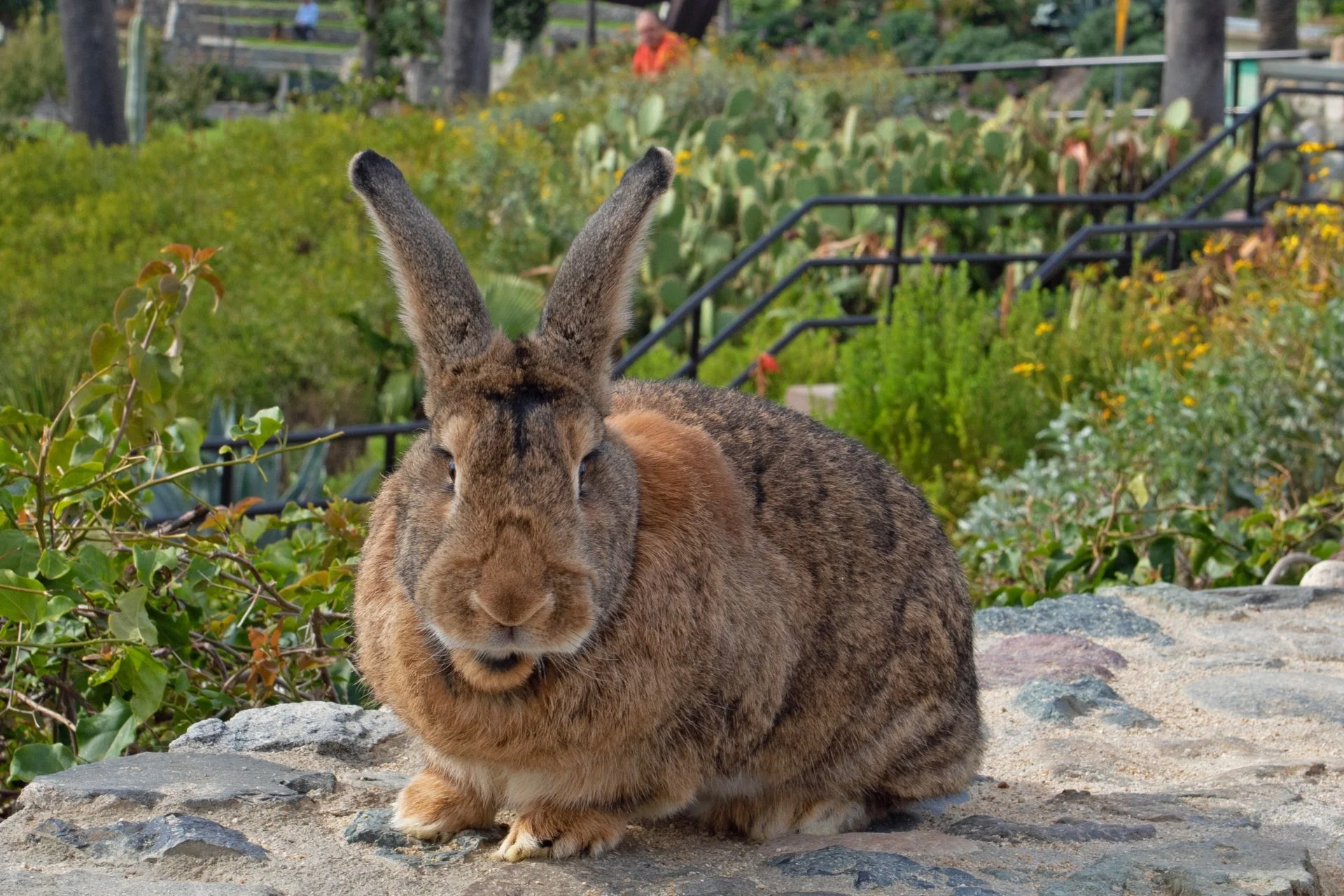
Several breeds fall into the large category, each with distinct characteristics. The following are the most commonly kept. Flemish Giant: The largest rabbit breed, reaching 14 pounds or more. Calm, friendly, and patient, making it a strong choice for families.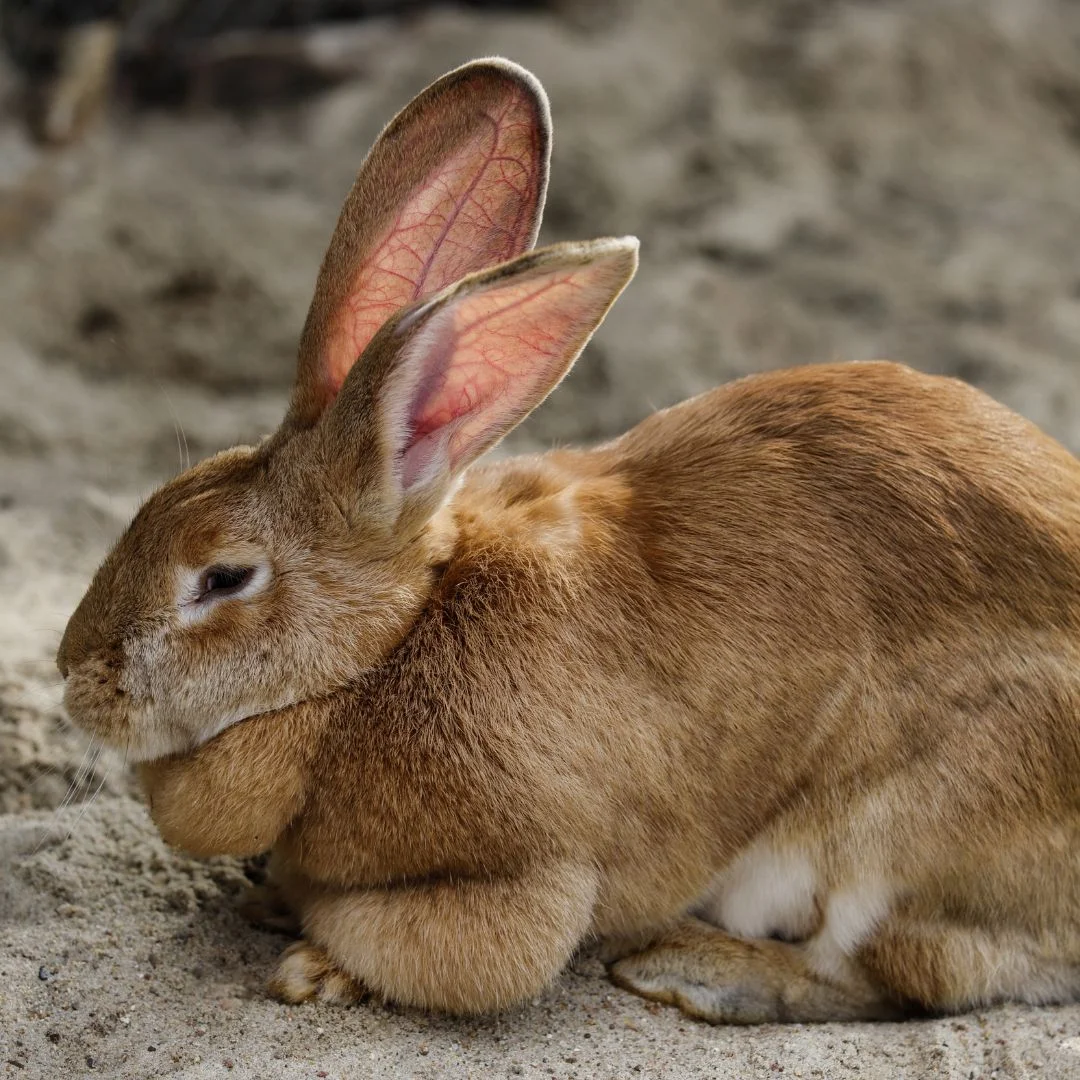
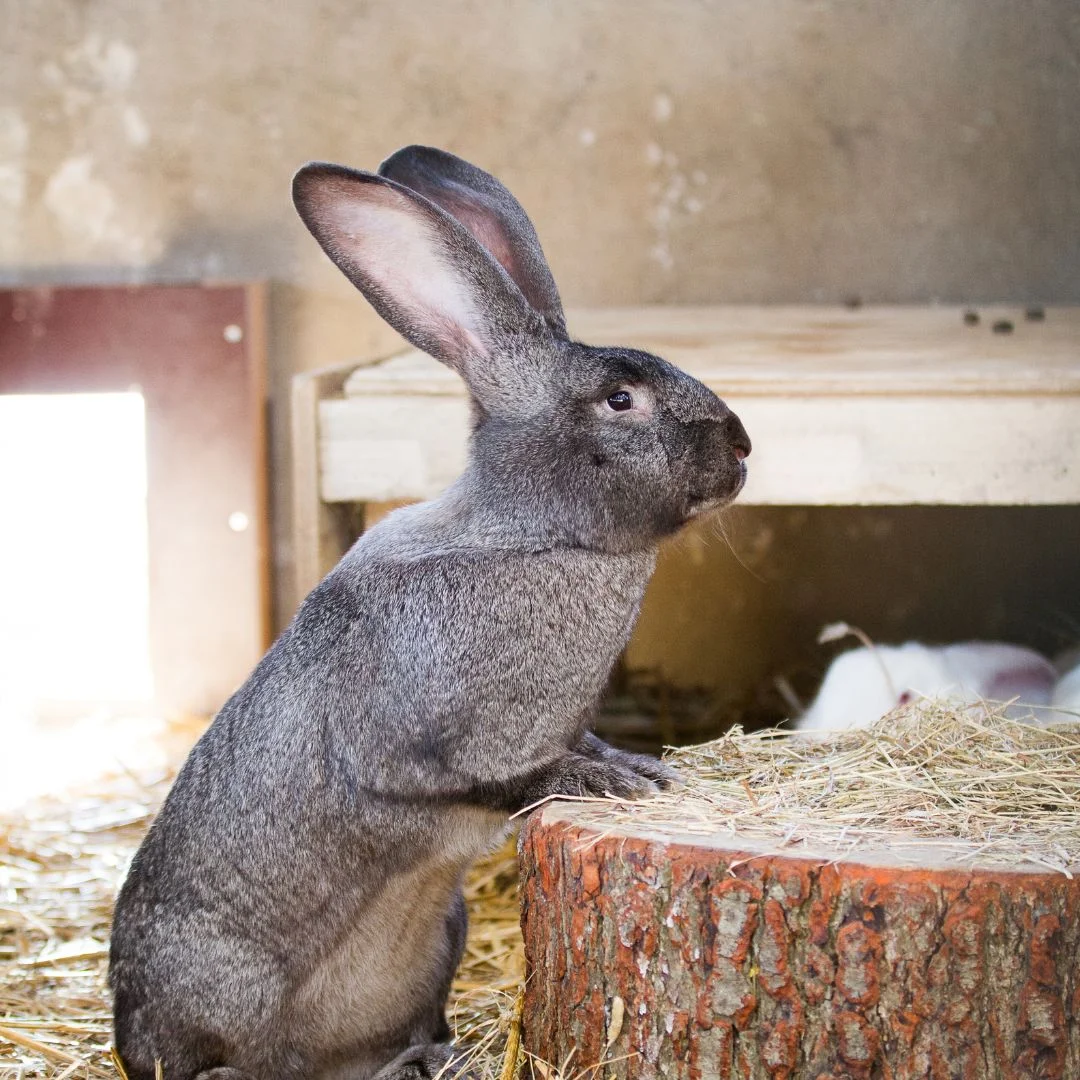
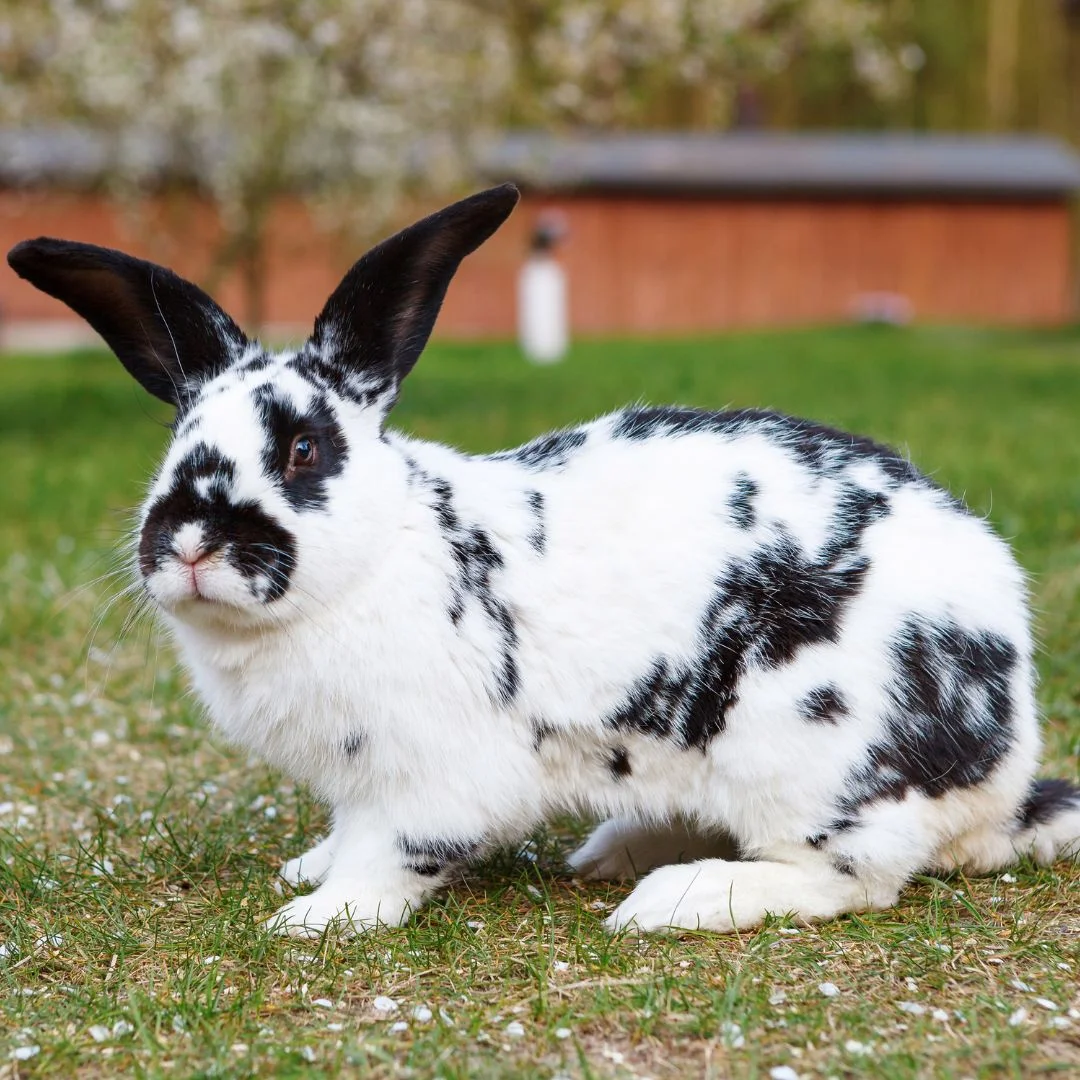
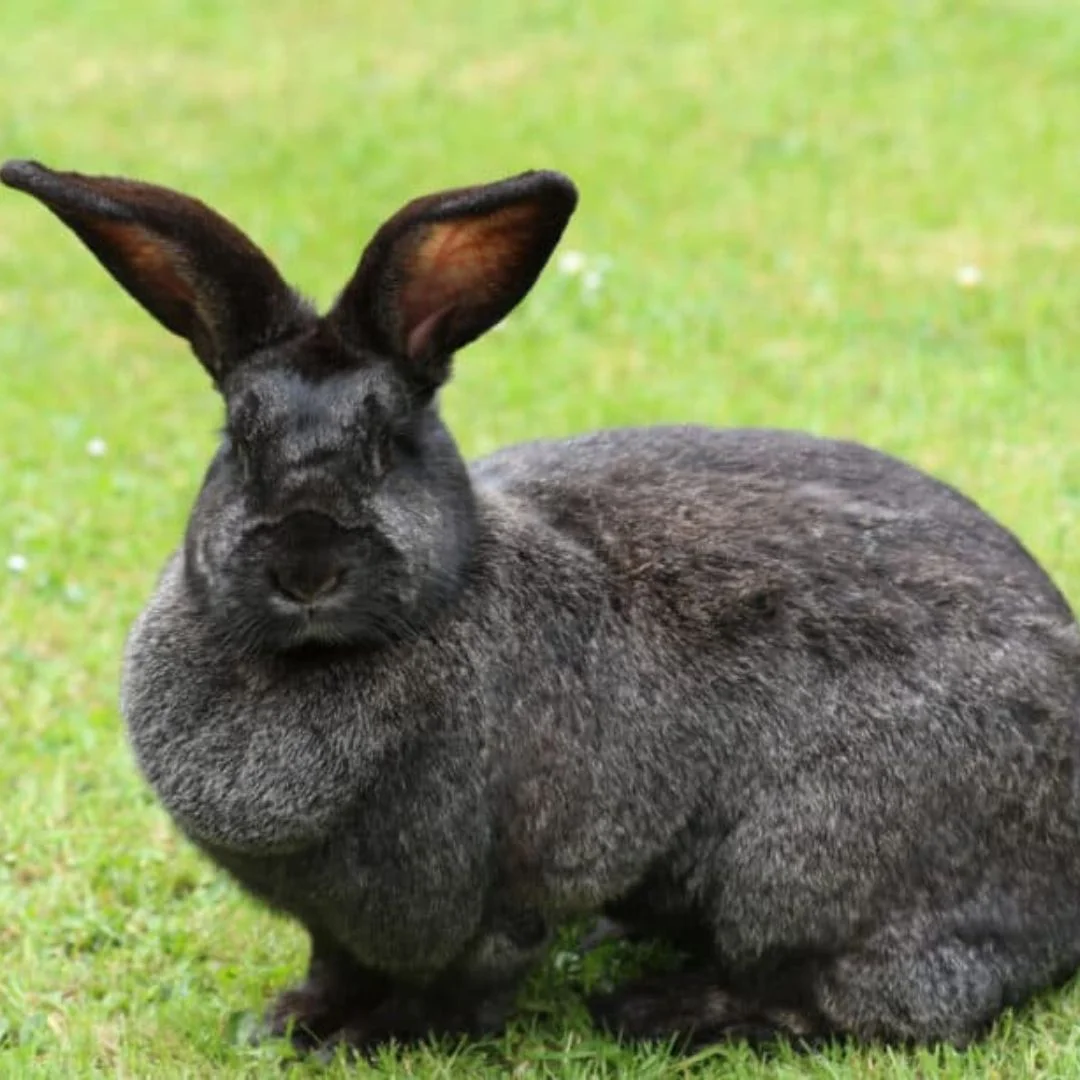
Characteristics of large rabbit breeds
Large rabbit breeds share several traits that distinguish them from smaller breeds. Size and weight range from 10 to over 25 pounds. This physical scale drives most of the care differences: larger enclosures, more food, larger litter boxes, and more careful handling technique. Temperament across most large breeds leans calm and relaxed. They typically enjoy human companionship, are patient with gentle handling, and adapt well to family environments including households with children. Their size also makes them less prone to the skittishness common in smaller breeds. Lifespan for large rabbits is generally 7 to 10 years, sometimes longer with attentive care. Regular veterinary checkups, an appropriate diet, and sufficient exercise all contribute to reaching the upper end of that range.Choosing the right large breed
Before bringing a large rabbit home, consider four practical factors. Space availability is the most immediate constraint. Large rabbits need enclosures with at least 12 to 24 square feet of floor space, plus supervised free-roaming time daily in a rabbit-proofed area. Small apartments without a dedicated rabbit space are not realistically suitable. Lifestyle compatibility matters. Some large breeds like the Continental Giant thrive on regular human interaction. Others are more independent. Honest assessment of how much daily engagement you can provide helps narrow the choice before you commit. Temperament fit depends on your household. A calmer breed like the Flemish Giant suits quieter homes and families with younger children. The more active Checkered Giant fits households that want a more engaged, interactive animal. Grooming requirements vary. The Giant Chinchilla needs more brushing than short-haired large breeds. Long-haired large breeds require substantially more commitment.Housing and environment
Large rabbits can be kept indoors or outdoors. Indoor housing offers protection from predators, temperature extremes, and parasites. Outdoor enclosures provide fresh air and more space, but require secure construction to prevent escapes and predator access, plus insulation for cold climates. Regardless of setting, the enclosure must be large enough for the rabbit to fully stretch out, stand upright on their hind legs, and make several full hops in any direction. Minimum recommended floor space is 24 square feet, with more being better. Wire-mesh flooring causes pressure sores on large rabbits' feet and should be avoided in favor of solid or padded surfaces. Large rabbits need mental stimulation and regular exercise. Tunnels, platforms, and chewable items serve both purposes. Supervised time outside the enclosure daily is important for their physical and psychological health.Feeding and nutrition
Hay should form the majority of a large rabbit's diet - roughly 70 percent or more. It maintains digestive health and wears down teeth naturally. Fresh leafy greens supplement the diet with vitamins and minerals; dark greens like romaine, kale, and fresh herbs are appropriate choices. High-quality pellets formulated for large breeds provide additional nutrition but should be measured, not offered freely, as overfeeding pellets causes obesity. Fresh water must always be available. New vegetables should be introduced gradually, one at a time, to monitor for digestive sensitivity. Pet sitters should follow the owner's approved vegetable list and not add unfamiliar foods.Grooming and health care
Brushing frequency depends on coat type. Short-haired large breeds need weekly brushing; longer-coated breeds may need more frequent grooming. During shedding season, all large rabbits benefit from more frequent brushing to reduce the amount of loose fur they ingest. Nail trimming should happen every four to six weeks. Overgrown nails cause discomfort and can catch on enclosure materials. A rabbit-savvy vet or groomer can do this if you are not comfortable trimming nails yourself. Large rabbits are prone to a few specific health issues: sore hocks from hard flooring, obesity from excess pellets or treats, gastrointestinal stasis from insufficient hay or stress, and dental problems from too little fiber in the diet. Decreased appetite, fewer droppings, or a hunched posture are signs that warrant immediate veterinary attention - gastrointestinal stasis in particular can become fatal within hours if untreated.What pet sitters need to know about large rabbits
Pet sitters caring for large rabbit breeds need specific preparation. Their size introduces handling risks that do not apply to smaller rabbits, and their care requirements are not self-evident to sitters experienced mainly with cats or dogs. Before a sit, give your sitter the following:- A demonstration of correct handling technique: supporting both the chest and hindquarters fully, with no free-kicking of the back legs - rabbits can fracture their own spine if they kick out unsupported
- The feeding schedule with exact quantities, not approximate estimates
- The litter box location and cleaning routine
- The exercise schedule and which areas the rabbit has access to during free-roaming time
- The signs of gastrointestinal stasis and a clear instruction to contact the vet immediately if appetite drops or droppings stop
- Emergency vet contact details and the owner's contact number
Frequently asked questions
1. Are large rabbits good for apartment living?
It depends on the apartment. Large rabbits need substantial floor space both in their enclosure and for daily free-roaming time. A small apartment without a dedicated rabbit-safe room is unlikely to meet their needs long-term. Larger apartments where one room can be rabbit-proofed for supervised exercise can work, but it requires genuine commitment to the daily routine.
2. How much exercise do large rabbits need?
Large rabbits need at least three to four hours of supervised exercise outside their enclosure per day. This does not have to be active play - time spent exploring a rabbit-proofed room, foraging for hay, and moving freely all count. The enclosure alone, even a large one, does not provide sufficient space for healthy movement in most large breeds.
3. Can large rabbits be litter trained?
Yes, and most are already litter trained by the time they are rehomed. Large rabbits follow the same litter training principles as smaller breeds: place the box where the rabbit already chooses to eliminate, use rabbit-safe litter, and reward correct use. The main practical difference is that large rabbits need a larger litter box than the standard sizes sold for small breeds.
4. What is the average lifespan of a large rabbit?
Most large rabbit breeds live 7 to 10 years, with some individuals living longer. The Flemish Giant tends toward the shorter end of that range at 5 to 8 years, while Continental Giants and British Giants often reach 8 to 10 years. Appropriate diet, regular vet care, and sufficient exercise all contribute meaningfully to longer lifespans.
5. Are large rabbits suitable for first-time rabbit owners?
They can be, provided the owner has researched their requirements thoroughly and is committed to meeting their space and dietary needs. Large breeds are often easier to handle temperamentally than smaller, more reactive breeds. The challenges are primarily logistical: enclosure size, food quantity, and finding a vet with large rabbit experience. Owners who prepare for these practical demands generally find large breeds manageable and rewarding.
6. What should I look for when hiring a pet sitter for my large rabbit?
Look for sitters with previous rabbit experience, ideally with large breeds. During the meet and greet, ask them to demonstrate how they would pick up your rabbit - correct handling technique is non-negotiable for a large breed. Sitters should ask detailed questions about feeding, care, and emergency procedures rather than assuming rabbit care is straightforward. Reading reviews from other rabbit owners and asking about specific breed experience gives you the clearest picture of whether a particular sitter is the right fit.
7. Can pet sitters care for large rabbits without prior experience?
Not safely, without significant preparation from the owner. Large rabbits require handling knowledge, familiarity with rabbit health warning signs, and confidence managing an animal of considerable weight. A sitter without this background can cause injury through incorrect handling or fail to recognize early signs of gastrointestinal stasis. Detailed written instructions, a handling demonstration during the meet and greet, and a trial visit before your trip are the minimum steps required for any sitter taking on a large rabbit for the first time.