

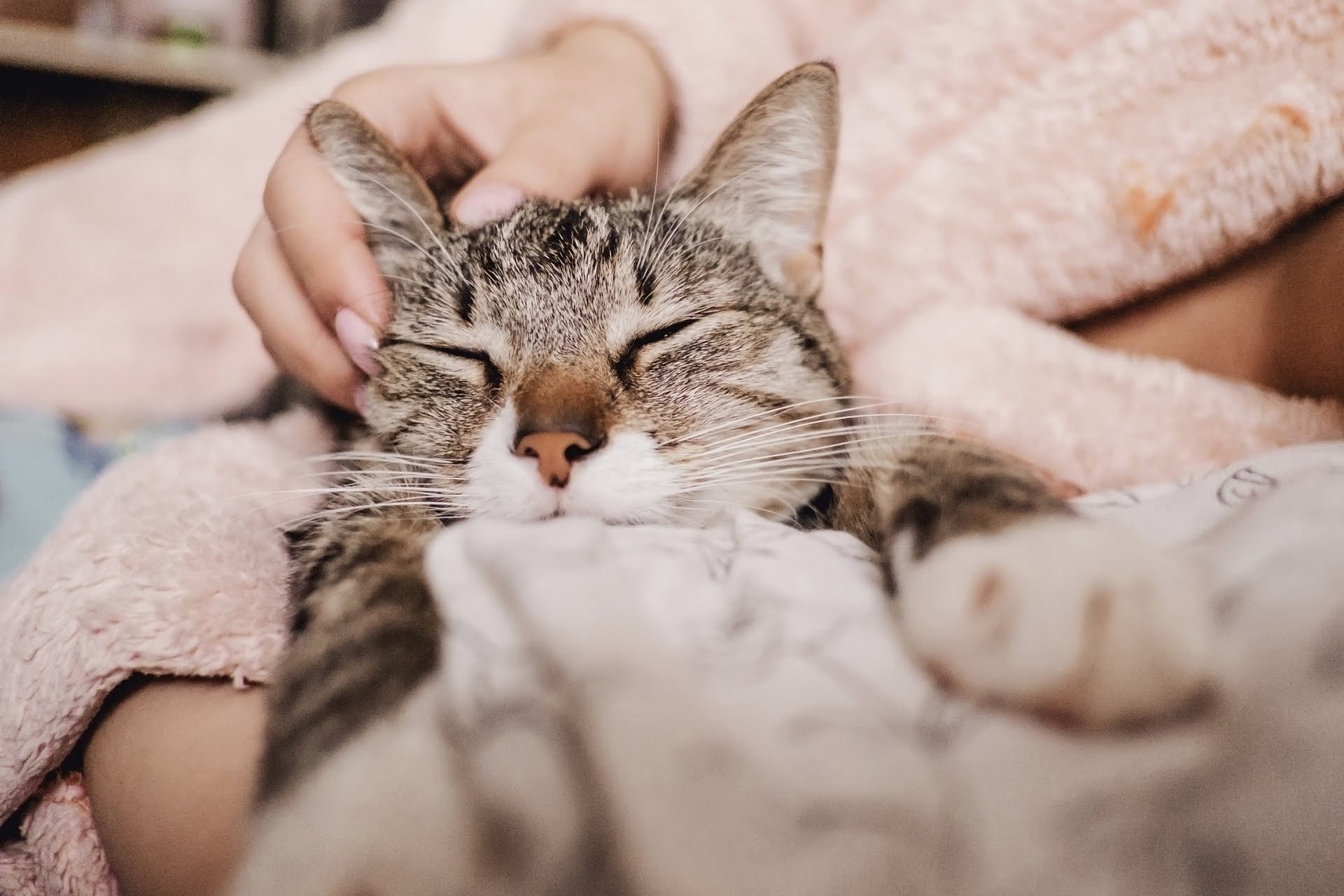
Have you ever wondered why your cat purrs while curled up in your lap, or why they purr at the vet when they’re clearly stressed? Purring is one of the most recognizable cat behaviors, but it’s far more complex than simply expressing happiness.
Understanding why cats purr matters whether you’re a cat owner or a pet sitter. Cats purr in different situations with varying meanings, and recognizing these differences helps you provide better care—especially when a cat’s regular routine changes during pet sitting assignments.
The Sounds of Comfort and Communication
Kittens start purring when they’re just days old to communicate with their mothers, signaling their location and readiness to nurse. This early purring is essential for survival and bonding.
Adult cats continue purring for multiple reasons. They purr when happy and content, when requesting food, when greeting their favorite humans—and surprisingly, when injured, stressed, or in pain. This last point is particularly important for pet sitters to understand: a purring cat isn’t always a happy cat.
When you’re caring for someone else’s cat as a pet sitter, you can’t rely solely on purring to assess their emotional state. A stressed cat adjusting to their owner’s absence might purr while hiding, or purr during handling even though they’re uncomfortable. Context matters more than the purr itself.
The Science Behind Cat Purring
Purring is produced by rapid vibration of the cat’s vocal cords as air moves through their larynx. The frequency typically ranges between 25 and 150 Hertz—within human hearing range and at frequencies shown to have therapeutic effects.
These vibrations don’t just create sound; they resonate throughout the cat’s entire body. Scientists believe these vibrations serve multiple purposes beyond communication, including self-healing and stress regulation.
Health Benefits of Purring
Research suggests cat purring offers remarkable health benefits:
Stress and pain relief: Purring vibrations release endorphins, which naturally reduce anxiety and discomfort. This explains why cats purr when injured or at the vet—they’re self-soothing.
Improved circulation: The vibrations improve blood flow and reduce muscle tension, promoting overall physical relaxation.
Bone healing and growth: Studies show purring frequencies (25-50 Hz) stimulate bone density and repair. This may explain why cats recover from injuries faster than expected.
Anti-inflammatory effects: The vibrations may reduce inflammation, supporting the cat’s immune response and healing processes.
For pet sitters, this means a purring cat recovering from surgery or managing chronic health conditions is actively participating in their own healing—but still needs careful monitoring and proper medication administration. Female cats may also purr more intensely during their heat cycle as a self-soothing mechanism to manage hormonal discomfort.
Find Vetted Sitters to care for your Pet. Download our app today.


Purring as Communication: What Your Cat Is Saying
Cats vary their purring pitch and intensity to convey different messages:
Soft, steady purring: Contentment, relaxation, or falling asleep. This is the “all is well” purr.
Loud, insistent purring: Often combined with meowing, this signals a request—usually for food, attention, or access to a favorite spot.
Erratic or strained purring: May indicate pain, stress, or discomfort. Cats sometimes purr when frightened or hurt, likely as a self-calming mechanism.
Pet sitters should learn each cat’s normal purring patterns during meet-and-greets. When a typically quiet cat suddenly purrs constantly, or a usually vocal purrer goes silent, these changes warrant attention and owner notification.
What Pet Sitters Should Know About Purring
Purring doesn’t always mean happiness: A cat purring while hiding under the bed during your first visit might be self-soothing due to stress from their owner’s absence, not expressing contentment. Observe body language—are ears back? Tail tucked? Eyes wide? These override positive purr interpretation.
Purring patterns change with routine disruption: Cats often purr differently with pet sitters than with their owners. Some purr more (seeking comfort), others less (withholding trust until familiar). Neither indicates you’re doing something wrong—it’s normal.
Medical purring requires vigilance: If a cat purrs excessively while showing other concerning signs—lethargy, hiding, loss of appetite, unusual vocalizations—contact the owner immediately. The cat may be self-soothing through pain or illness.
Purring helps bonding: When cats purr during petting or play sessions with their sitter, they’re genuinely relaxing and accepting you. This positive purring helps build trust throughout longer pet sitting assignments.
When to Be Concerned About Purring
Contact the cat’s owner if you notice:
- Excessive purring combined with hiding or lethargy
- Purring while showing signs of pain (limping, avoiding touch, vocalizing when moving)
- Sudden changes in purring behavior from what the owner described
- Purring that sounds strained, wheezy, or different from the cat’s normal sound
- Absence of purring in a cat the owner described as a frequent purrer
These changes might indicate medical issues, extreme stress, or pain that requires veterinary attention.
Your inbox needs this
Subscribe to the Petme newsletter for weekly updates with pet care tips, tales, and member-only perks.

Creating Purr-Worthy Experiences for Client Cats
As a pet sitter, you can encourage positive, relaxed purring:
Follow routines exactly: Cats purr more readily when their schedule remains consistent despite their owner’s absence. Feed at the same times, play at familiar hours, and maintain bedtime routines.
Create comfortable environments: Ensure access to favorite sleeping spots, sunny windows, and hiding places. Comfortable cats purr; stressed cats hide.
Use gentle interaction: Let cats approach you rather than forcing attention. When they initiate contact and purr in response to petting, you’ve earned their trust.
Respect boundaries: If a cat purrs but shows stress signals (flattened ears, twitching tail), they’re conflicted. Give them space even if they’re purring—they’re trying to self-soothe, not inviting interaction.
Purring and the Human-Cat Bond
Interestingly, cats often purr specifically to communicate with humans. They’ve learned that purring gets our attention and elicits caregiving responses. Some cats even develop a “solicitation purr”—a higher-pitched purr mixed with frequencies similar to a baby’s cry—specifically to request food or attention from humans.
For pet sitters, this means cats will attempt to communicate their needs through purring variations. Pay attention to context: purring at the food bowl signals hunger, purring at the door might mean they want outside access (if allowed), purring while kneading signals contentment.
FAQs About Cat Purring
Why does my cat purr and then bite me?
This is called “overstimulation aggression.” The cat initially enjoys petting and purrs, but reaches a threshold where touch becomes irritating. They bite to communicate “enough.” Watch for warning signs before the bite: tail twitching, ears rotating back, skin rippling. Stop petting before these escalate. Pet sitters should ask owners about each cat’s petting tolerance limits.
Can cats purr in their sleep?
Yes, cats often purr while sleeping or dozing. This sleep purring helps regulate body temperature, maintain relaxation, and may even support healing processes during rest. It’s completely normal and indicates a comfortable, secure cat—a good sign for pet sitters that the cat is adjusting well.
Why does my cat purr at the vet when she’s clearly stressed?
Cats purr when stressed or in pain as a self-soothing mechanism. The endorphins released during purring help them cope with frightening situations. Vet visits trigger this stress response. Pet sitters should understand this so they don’t misinterpret purring during stressful events (like administering medication) as approval.
Do all cats purr?
Most domestic cats purr, but some are naturally quieter than others. Certain wild cat species cannot purr; they can only vocalize on exhale (like roaring big cats). If you’re pet sitting a cat the owner describes as a “non-purrer,” don’t expect purring even when the cat is content—they may show affection through other behaviors like slow blinking or head bumping instead.
What should I do if a cat I’m sitting for stops purring entirely?
Contact the owner. While some cats naturally purr less with sitters, a complete cessation in a cat described as a frequent purrer might indicate extreme stress or illness. Document other behaviors—is the cat eating, using the litter box, and interacting normally? If other behaviors also change, veterinary consultation may be needed.
Conclusion
Cat purring is a complex behavior serving multiple purposes: communication, self-healing, stress relief, and bonding. For pet owners, understanding purring helps you interpret your cat’s emotional and physical state. For pet sitters, recognizing that purring doesn’t always signal happiness prevents misreading a cat’s needs during care.
Pay attention to context, body language, and changes in purring patterns. A cat purring while playing is happy; a cat purring while hiding may be self-soothing through stress. Both are normal, but each requires different responses.
When you understand the nuances of purring, you provide better care—whether you’re a devoted cat owner or a trusted pet sitter ensuring quality care while owners are away.
Looking for experienced cat sitters who understand feline behavior? Download Petme for iOS or Android to find sitters with real cat experience.




I am impressed with this website , really I am a big fan .