Most rabbit guides tell you rabbits are bad pets for frequent travelers. That is not quite right. What matters is not how often you leave, but how well you plan for the time you are away. The right breed, the right sitter, and a good routine make it work.
This guide focuses on breeds that handle short to medium absences, bond well with a regular sitter, and stay healthy with a consistent routine even when their owner is on the road.
What makes a rabbit breed travel-friendly?
No rabbit tolerates total isolation for days, but some breeds are calmer, less anxious, and more adaptable than others. The traits to look for:
- Lower social demands. Some breeds need constant human contact. Others are content as long as they have space, enrichment, and a sitter who comes twice a day.
- Resilience to routine changes. Rabbits are creatures of habit. Breeds with steadier temperaments adjust better when a different person handles feeding and cleaning.
- Good health profile. A breed with fewer genetic health issues is more forgiving if a sitter misses a small health signal.
Best rabbit breeds for frequent travelers
Rex rabbit
Rex rabbits are calm, steady, and not overly clingy. They weigh 7 to 10 pounds, have a plush velvet coat that is easy to maintain, and adapt well to a consistent feeding and cleaning schedule. They form bonds with their owners but do not spiral into anxiety when cared for by a trusted sitter. One of the best overall choices for someone away a few days each week.
Flemish Giant
Counterintuitive, but Flemish Giants are among the most relaxed rabbits you can own. Their sheer size seems to come with a calm temperament. They need more floor space than smaller breeds, but they are not fragile, they eat a straightforward hay-based diet, and they handle transitions between caregivers without much drama. A sitter who has met the rabbit once or twice is usually sufficient.
Chinchilla rabbit
The Standard Chinchilla rabbit is a mid-size breed (5 to 7 pounds) with a gentle, even temperament. They are curious but not hyperactive, and they handle short absences without becoming destructive. Their silver-gray coat is low-shedding compared to longer-haired breeds, which makes sitter care easier.
Dutch rabbit
Dutch rabbits are sociable but not needy. They weigh around 4 to 5 pounds, making them easy for a sitter to handle, and they adjust to new people without excessive stress. Their short, tight coat needs minimal grooming. If you travel monthly for a few days at a time, a Dutch rabbit with a reliable sitter arrangement works well.
New Zealand White
New Zealand Whites are one of the most common domestic rabbits for a reason: they are hardy, even-tempered, and unfussy. They eat well, tolerate routine care from different people, and rarely develop the anxiety-based digestive issues that can affect more sensitive breeds. Not the most affectionate rabbit, but a solid, low-drama choice for a traveling owner.
Breeds to avoid if you travel often
Some breeds need daily human interaction to stay mentally healthy. Leaving them with a sitter who visits twice a day is not enough.
- Holland Lop. Affectionate and attention-seeking. They bond intensely with their owners and can become depressed with extended separation.
- Mini Rex. Active and social. They need more play time than a brief feeding visit provides.
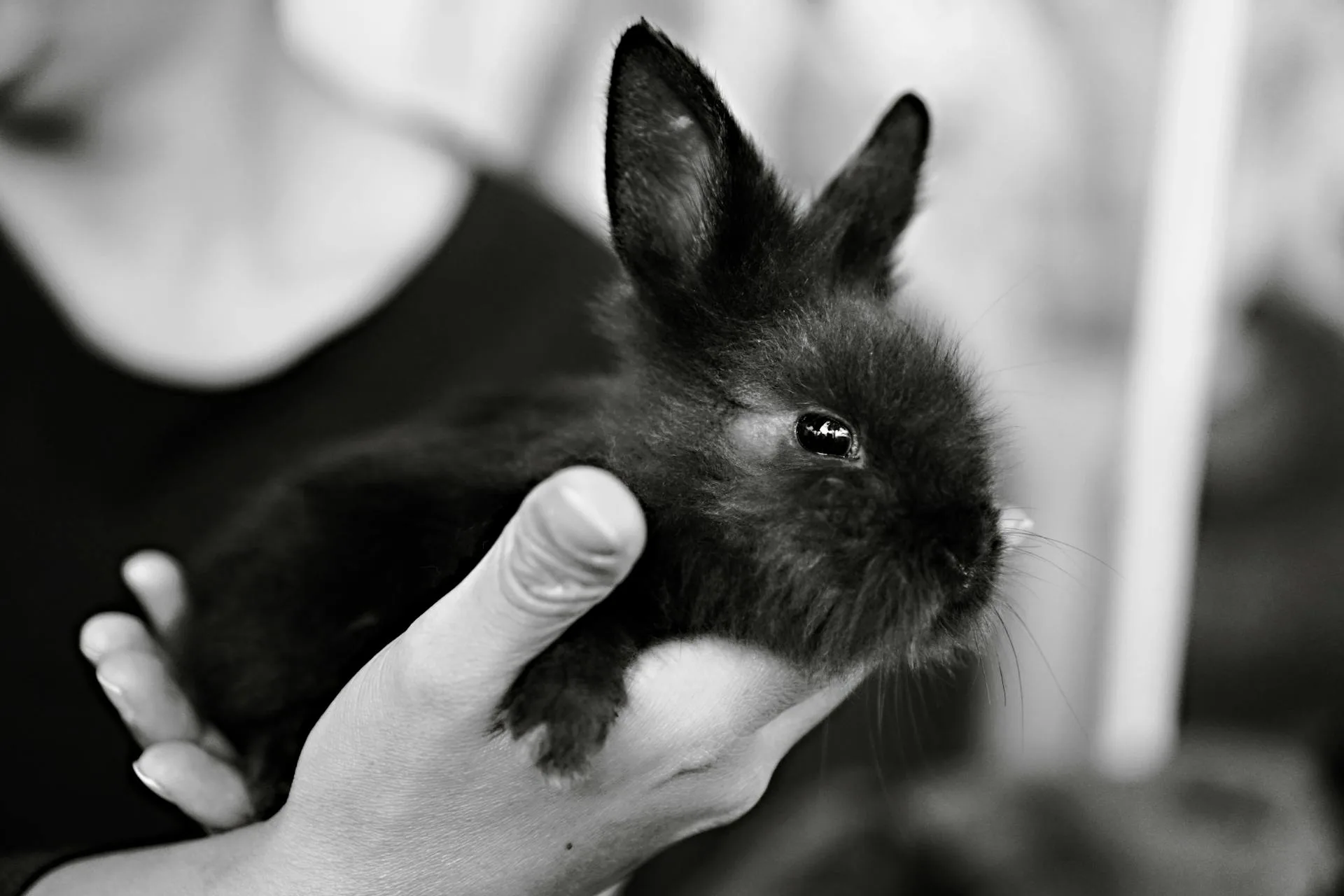
- Lionhead. Their long ear-area fur needs daily brushing. They can also be anxious, which makes owner absences harder on them.
Setting up sitter care for your rabbit
The breed is one factor. The sitter arrangement is the other. Rabbits need at minimum two visits per day: one for morning feeding and a welfare check, one in the evening. A good sitter will:
- Replenish unlimited hay (this is most of the rabbit's diet)
- Top up fresh water
- Provide a small portion of leafy greens
- Spot-clean the litter tray
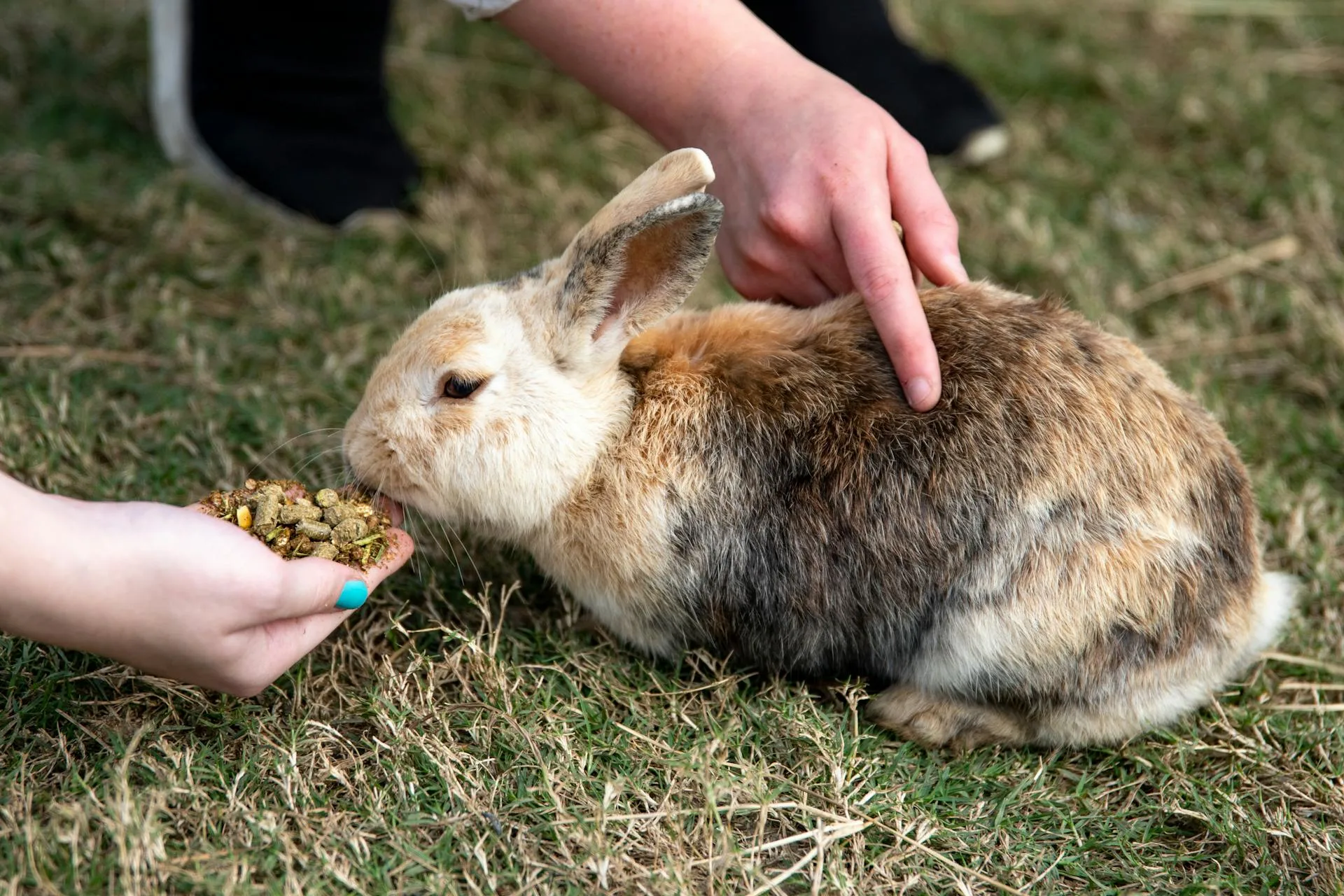
- Spend a few minutes of handling time with the rabbit
If you travel regularly, finding a sitter who has met your rabbit and knows the routine before your first trip makes a real difference. Use Petme to find verified sitters in your area, read reviews from other small-pet owners, and arrange a meet-and-greet before you book.
Practical notes for rabbit owners who travel
A few things that make a real difference:
- Leave written instructions. Feeding amounts, water bowl vs. bottle preference, how the rabbit signals discomfort, the vet's number.
- Double-check hay stock. Rabbits eat a lot of it. Make sure there is enough for the full trip, plus a day extra.
- Set up a camera. A simple indoor camera lets you do a quick check without bothering the sitter.
- Pre-book your sitter. Good sitters fill up. If you travel monthly, lock in a recurring arrangement rather than searching each time.
Owning a rabbit as a traveler is about planning, not about being home every day. The right breed handles your schedule. A good sitter handles the routine.