Digital nomads face a genuine challenge with pet ownership: you are not always in one place long enough to establish the care routines most pets need. But turtles occupy a specific niche that makes them more compatible with a semi-nomadic lifestyle than most people assume.
The catch is that "turtle owner who travels for months at a time" looks different from "turtle owner who works from a changing location but has a home base." Both are workable, but they require different approaches.
Two models for nomadic turtle ownership
The home-base model
You have a fixed address. You leave for one to four weeks at a time. A trusted sitter or friend covers the turtle. This is the most practical arrangement and works well for most turtle species.
The permanent nomad model
You have no fixed address and move every few weeks or months. In this case, owning a live turtle is not realistic. The care, travel regulations, temperature sensitivity during transport, and enclosure logistics make it unfeasible. Consider other options: following reptile content online, volunteering at a herpetological society, or waiting until you settle.
This guide focuses on the home-base model.
Best turtle species for digital nomads (home-base model)
Russian Tortoise
Russian Tortoises are the species most commonly cited by people with unpredictable travel schedules for a reason: they tolerate extended fasting better than almost any other commonly kept species. In their natural environment, they hibernate and aestivate for months. They can go several days without food if fresh hay is available. With a reliable sitter handling weekly check-ins during longer absences, they are manageable. Their terrestrial enclosure (no water filtration) simplifies sitter instructions significantly.
Hermann's Tortoise
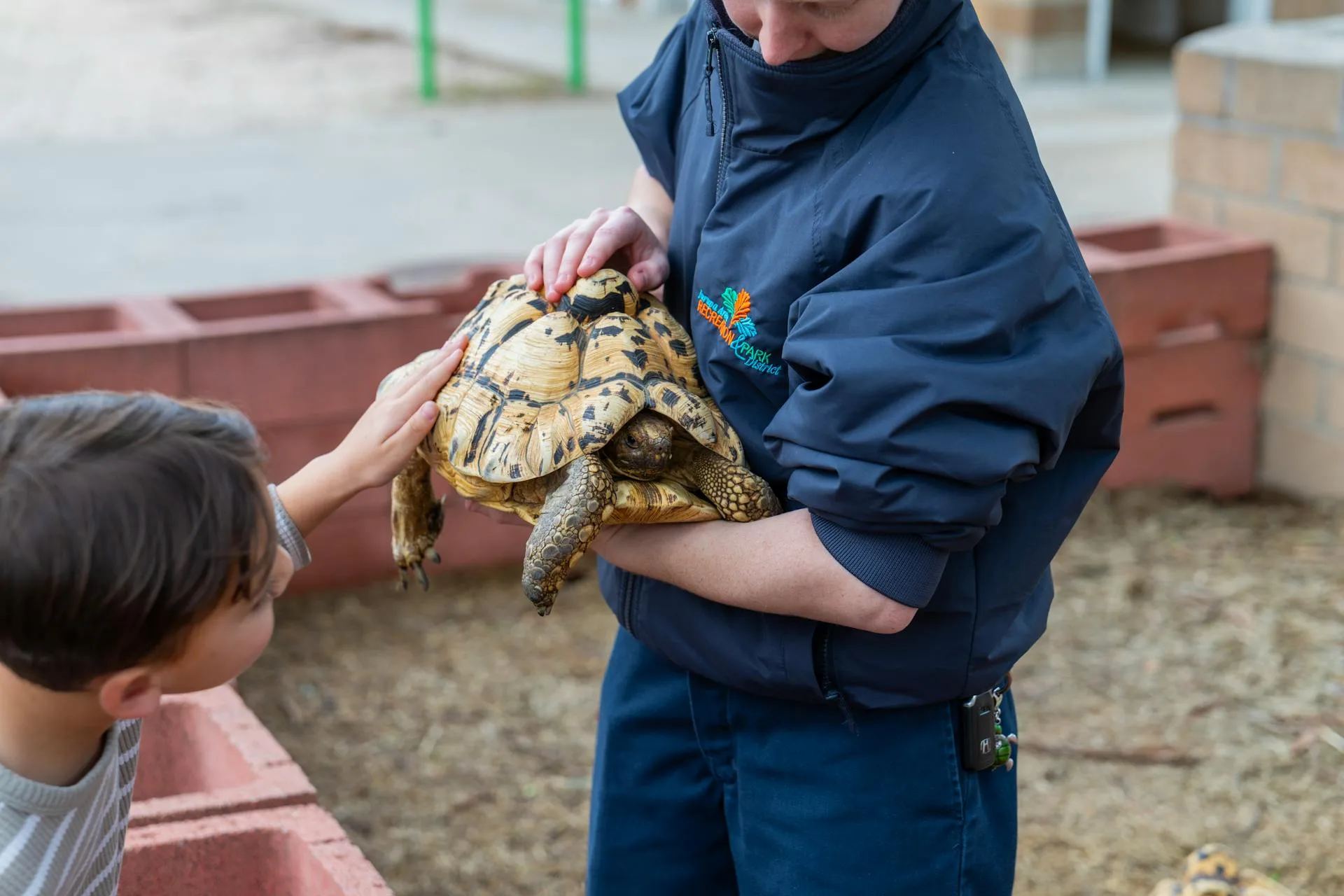
Hermann's Tortoises share much of the same resilience as Russian Tortoises but are slightly more social during active periods, making them more rewarding when you are home. They are slower-paced, herbivorous, and content with a well-set-up enclosure. Their care, written out for a sitter, covers one page. Ideal for a digital nomad who returns to a home base between work trips.
Musk Turtle
For nomads who want an aquatic species, the Common Musk Turtle is the most manageable. Small tank, reliable canister filter, and pellet-based diet make sitter instructions simple. A sitter who visits twice per week can maintain everything. Their small enclosure is also one of the less intrusive setups to leave running in a home while you are away.
Box Turtle
North American Box Turtles are a good choice if you have a friend or family member willing to host the turtle during long absences. Their terrestrial enclosure is moveable, their diet is simple, and they are hardy. Some digital nomads keep a Box Turtle at a family member's home and "visit" the turtle when they return to their home country. Not traditional ownership, but a workable arrangement.
Setting up for extended absences
Before any trip longer than a few days:
- Document everything. Tank temperatures, feeding schedule, what normal behavior looks like, vet contact, and what to watch for. Two pages maximum. If the sitter needs more than that to care for the turtle, your setup is too complicated.
- Test your automation. Run the automated lighting and filter for a week before you leave. Confirm everything is working.
- Have a vet contact. Your sitter needs to know who to call if something looks wrong.
- Find a sitter before your trip, not during it. Petme lets you find experienced small-pet and reptile sitters. Book the first meeting a week before departure, not the day before.
What does not work for digital nomads
- Taking the turtle with you. Temperature fluctuations during transport, stress, legal requirements for interstate and international movement, and enclosure logistics make this impractical for most species.
- Leaving the turtle alone for more than a few days. Even the hardiest species need a welfare check. Equipment fails, temperatures drop, food runs out.
- Large or rare species. Sulcata Tortoises, Alligator Snapping Turtles, or rare freshwater species are not appropriate for owners with unpredictable lifestyles.