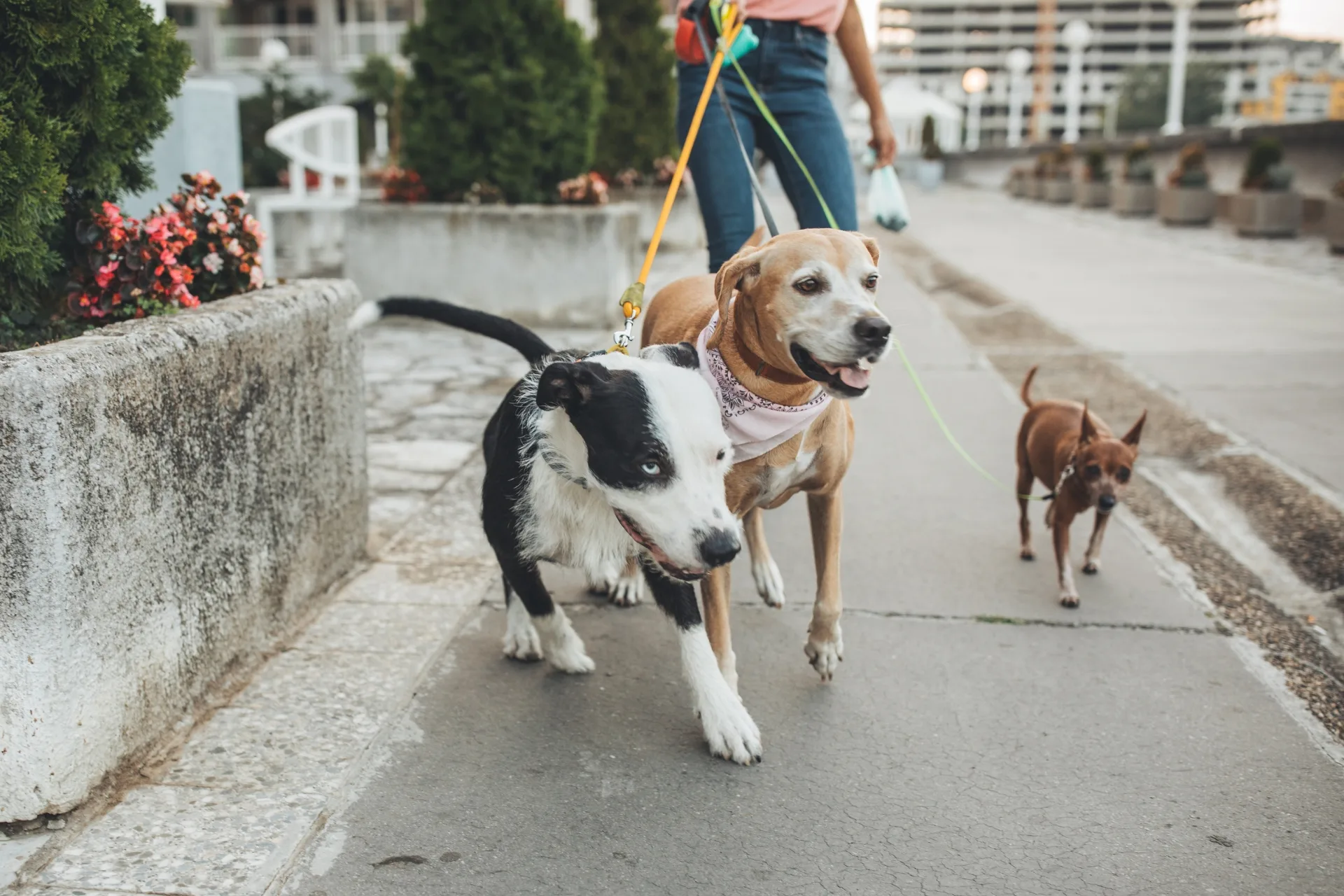
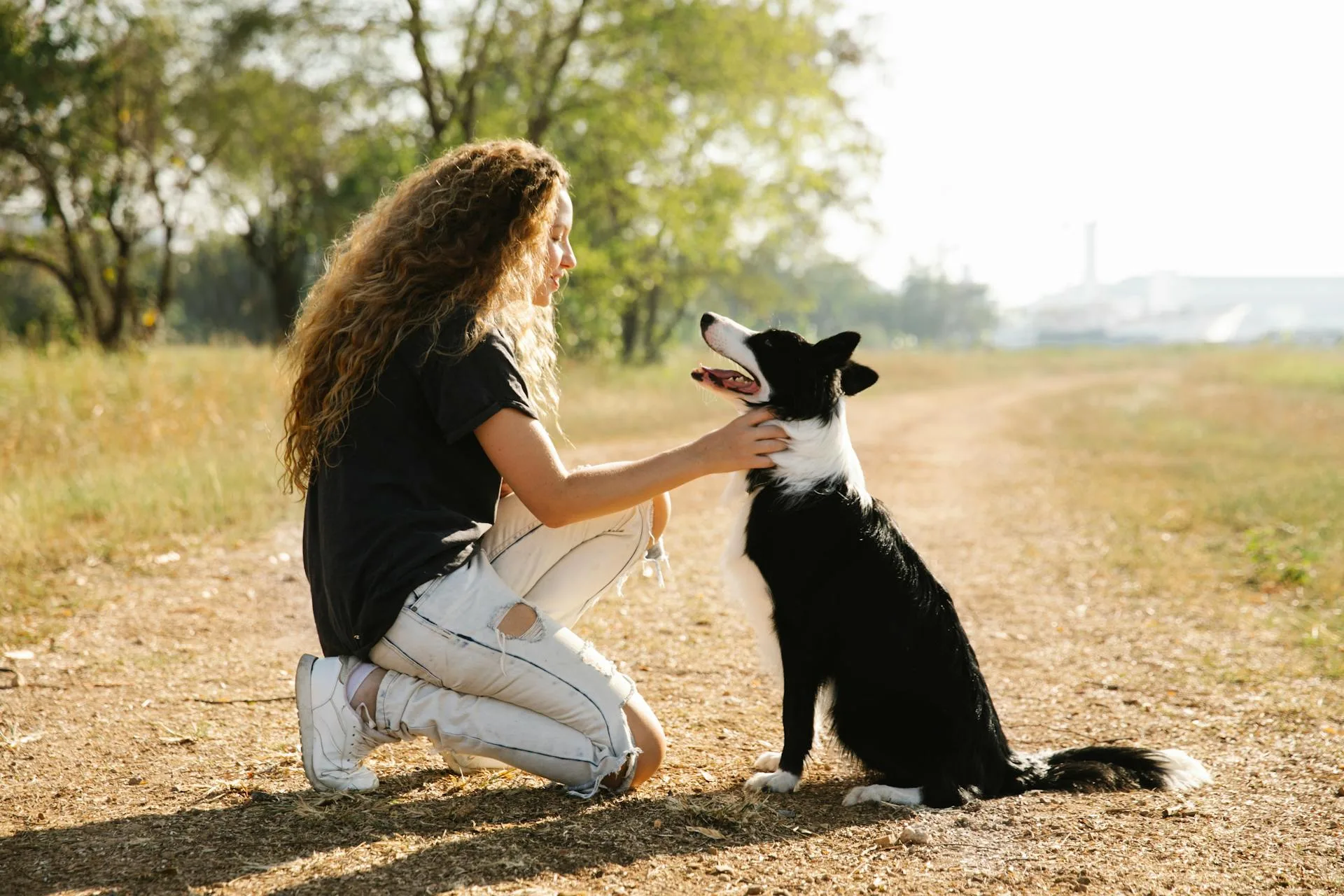
In short: Scotland had no statutory licence for dog walking when the Scottish Government last consulted on it in 2023. What you do need is to pass ID and background checks to walk through Petme, follow your council's rules for commercial walkers (Edinburgh and East Lothian both have them), pick up after every dog, and register with HMRC once you earn more than £1,000 in a tax year.
Sources checked on 30 October 2026. This is general information, not legal advice.
Is there a dog walking licence in Scotland?
Not a national one. In July 2023 the Scottish Government consulted on licensing commercial dog walkers. Its consultation document said: "In Scotland currently there is no statutory licensing requirement to operate a dog walking business, nor is there any need to hold a recognised qualification" (
gov.scot).
The same document says a number of Scottish councils have introduced voluntary local accreditation or registration schemes for dog walking businesses. Because a licence could follow the consultation, check gov.scot for the current position before you start.
Council schemes you may meet
- Edinburgh. The City of Edinburgh Council publishes a code of conduct for commercial dog walkers. Read it before you take paid walks in council parks.
- East Lothian. The council keeps a list of approved professional dog walkers: companies that passed an inspection and gained Dog Watch East Lothian Approved User status.
- Everywhere else. Ask the council's environmental services or parks team whether it has a scheme, and whether any park limits how many dogs one person can walk.
Checks you can get in Scotland
Disclosure Scotland issues a Level 1 disclosure. The
mygov.scot page says it "used to be called a basic disclosure", costs £25, and "does not have to be for an employer", so you can apply as a self-employed walker.
Petme runs its own checks. Every sitter and walker must be 18 or over, use the Petme app on a smartphone, and pass ID and background checks before their profile goes live.
Tax and HMRC
The first £1,000 of trading income in a tax year is covered by the trading allowance. Above that,
gov.uk says you must register for Self Assessment as a sole trader if you earn more than £1,000 from 6 April to 5 April. Keep a record of every walk and every cost from your first booking. Our
pet sitter tax guide covers allowances and what to declare.
What walkers charge in Scottish cities
Each Petme walker sets their own rate per walk, and keeps up to 90% of every booking. These are the bands walkers use in four cities.
| City | Rate per walk |
|---|
| Edinburgh | £14 to £22 |
| Glasgow | £12 to £20 |
| Aberdeen | £12 to £19 |
| Dundee | £11 to £17 |
For comparison, the National Living Wage for workers aged 21 and over is £12.71 an hour from April 2026. A self-employed walker sets their own rate, so count travel time between homes when you set yours. Payouts reach your bank within 2 business days of a completed booking.
Rules on every walk
- Pick up after every dog. Edinburgh issues fixed penalty notices of £80 under the Dog Fouling (Scotland) Act 2003 to anyone caught not picking up in a public place (City of Edinburgh Council).
- XL Bully dogs. Since 23 February 2024 it has been an offence in Scotland to keep an XL Bully without a Certificate of Exemption, or to have one in public without a lead and muzzle. The penalty is a fine of up to £5,000, up to 6 months in prison, or both (gov.scot).
- Insurance. Public liability cover protects you if a dog in your care causes damage or injury. Every Petme booking also includes the Petme Protection Plan for eligible vet costs.
Where to find walking work
Owners search town by town, so start with the page for your area:
dog walker jobs in Edinburgh,
Glasgow,
Aberdeen,
Dundee and
Paisley. If you would rather host dogs at home, read our guide to the
home dog boarding licence in Scotland first, because boarding does need a council licence.