What a Golden's day should contain
- Two hours of exercise. The PDSA calls Goldens very active dogs who need plenty of chances to exercise, play and burn off energy.
- Something to think about. The PDSA says they thrive on training, like being given tasks and have fairly good problem-solving skills.
- People. Like all dogs they chew, the PDSA notes, so it is better if someone is around most of the time.
Day care or a dog walker?
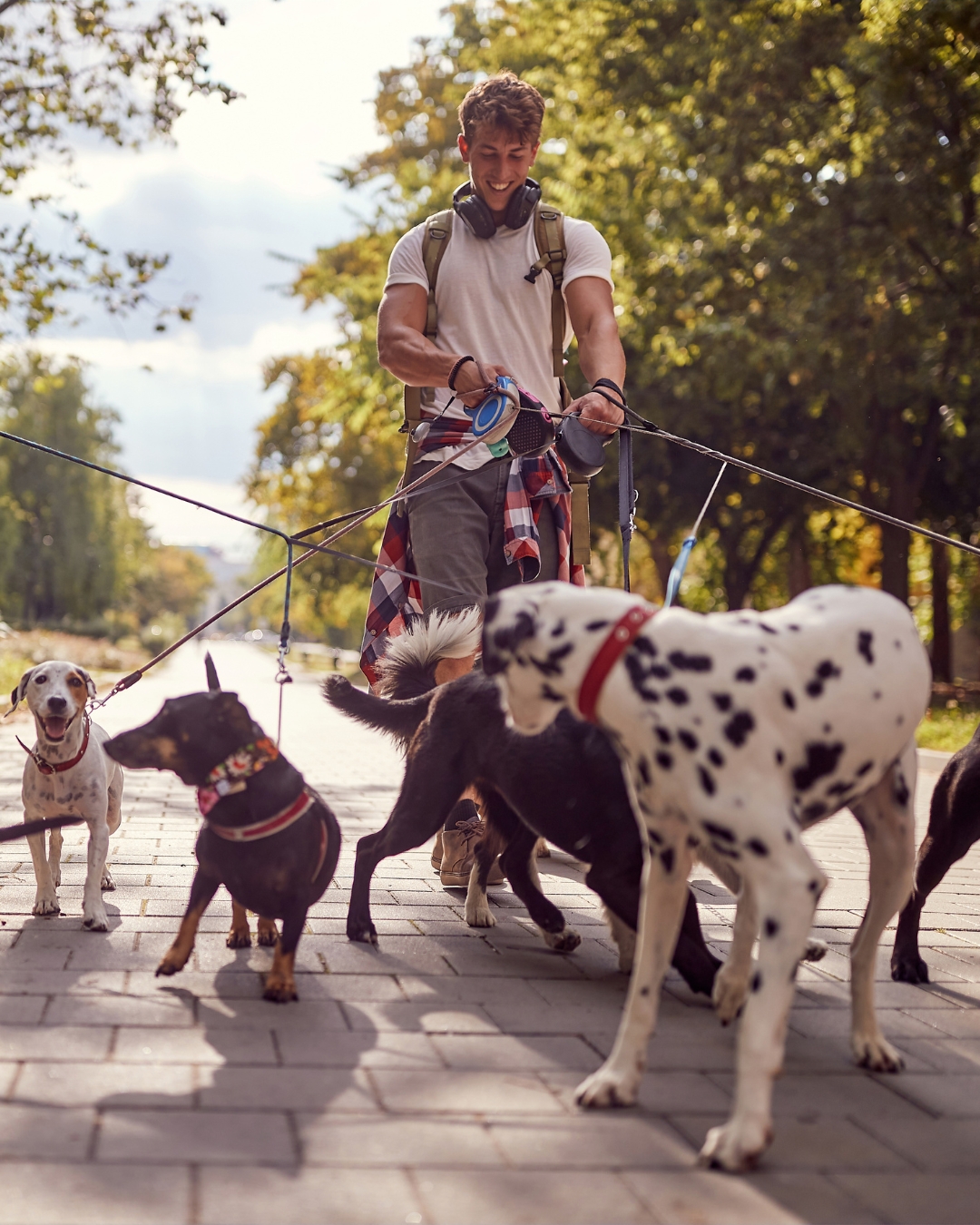
Both keep the time alone under the four-hour guide from the RSPCA. Which suits depends on the dog. A walker costs less and keeps the dog in its own home. Petme sitters in Bristol list a 30-minute walk at £10 to £12, with £12 the middle rate across eight sitters on 7 November 2026. Day care gives a sociable dog a full day with a person and often other dogs. In Bristol, five Petme sitters list day care, from £15 to £30 a day. Ask how many dogs a day care sitter takes, and in England ask to see the council licence required under the 2018 licensing regulations.The coat is a job in itself
Golden Retrievers have medium to long coats and, in the PDSA's words, generally shed a lot. It advises brushing or combing at least three times a week, rising to daily when the coat is changing. It also says clipping the coat back fully is not usually necessary unless a vet recommends it, because the dog would be less able to regulate its temperature. Tell a sitter how often you brush, and do not ask a groomer or sitter to shave the coat for convenience before a summer stay.Health: eyes and joints
The PDSA lists hip dysplasia and elbow dysplasia, which lead to arthritis, and a series of eye problems including cataracts, multifocal retinal dysplasia, progressive retinal atrophy and glaucoma, plus the skin condition ichthyosis. A carer does not need the list. They need to know what your dog has, what medication it takes and when, and what your vet has said about exercise. Changes in sight or movement are for your vet.With children, visitors and other pets
The PDSA describes Goldens as gentle, calm and intelligent, good family dogs if well socialised, and adds that their patience will eventually run out like any dog's, so young children need to treat them with respect. That temperament makes boarding in a family home a reasonable choice for most Goldens.When you go away
A Golden usually settles in a sitter's home if the sitter is around most of the day and the garden is secure. A house sitter suits an older dog with arthritis. Either way, write down the exercise routine and feeding amounts. Retrievers gain weight easily when a kind stranger is in charge of the treats.What moves the price
Size first: a large dog can cost more to board and may count as a solo walk. Grooming second: if you want the coat brushed three times a week during a fortnight away, say so when you ask for a price. The length of walk matters more than the number, because this breed needs distance.Ask a sitter
- How much of the day are you at home?
- How long are your walks, and are any off-lead in a secure area?
- Will you brush a long coat, and how often?
- What do the dogs in your care do when you go out?
More guides
The general rules are in how long you can leave a dog alone. For other breeds, see the Miniature Dachshund and German Shepherd guides, or all our UK breed care guides.Frequently asked questions about Golden Retrievers and time alone
Can a Golden Retriever be left alone for 8 hours?
No. The PDSA recommends never leaving a dog alone for more than four hours because it can cause stress and anxiety, and advises against leaving a Retriever on its own for long.
Can Golden Retrievers be left alone for 6 hours?
Six hours is longer than the four-hour limit. Add a walker, a visit or day care in the middle of the day.
Can Golden Retrievers be left at home while I work?
Yes, with help. A walk before work, a midday break with a person, and a second walk in the evening covers both the company and the two hours of exercise the breed needs.
Can Golden Retrievers be left outside?
Not as a way of leaving them for longer. A garden gives a dog a toilet break, but no company, and the PDSA advises having someone around most of the time.
How much exercise does a Golden Retriever need per day?
A minimum of two hours of good exercise, according to the PDSA. The Royal Kennel Club lists more than two hours.
How much exercise does a Golden Retriever puppy need?
Less than an adult, increasing with age. The breed is prone to hip and elbow dysplasia, so ask your vet what is suitable for your puppy.