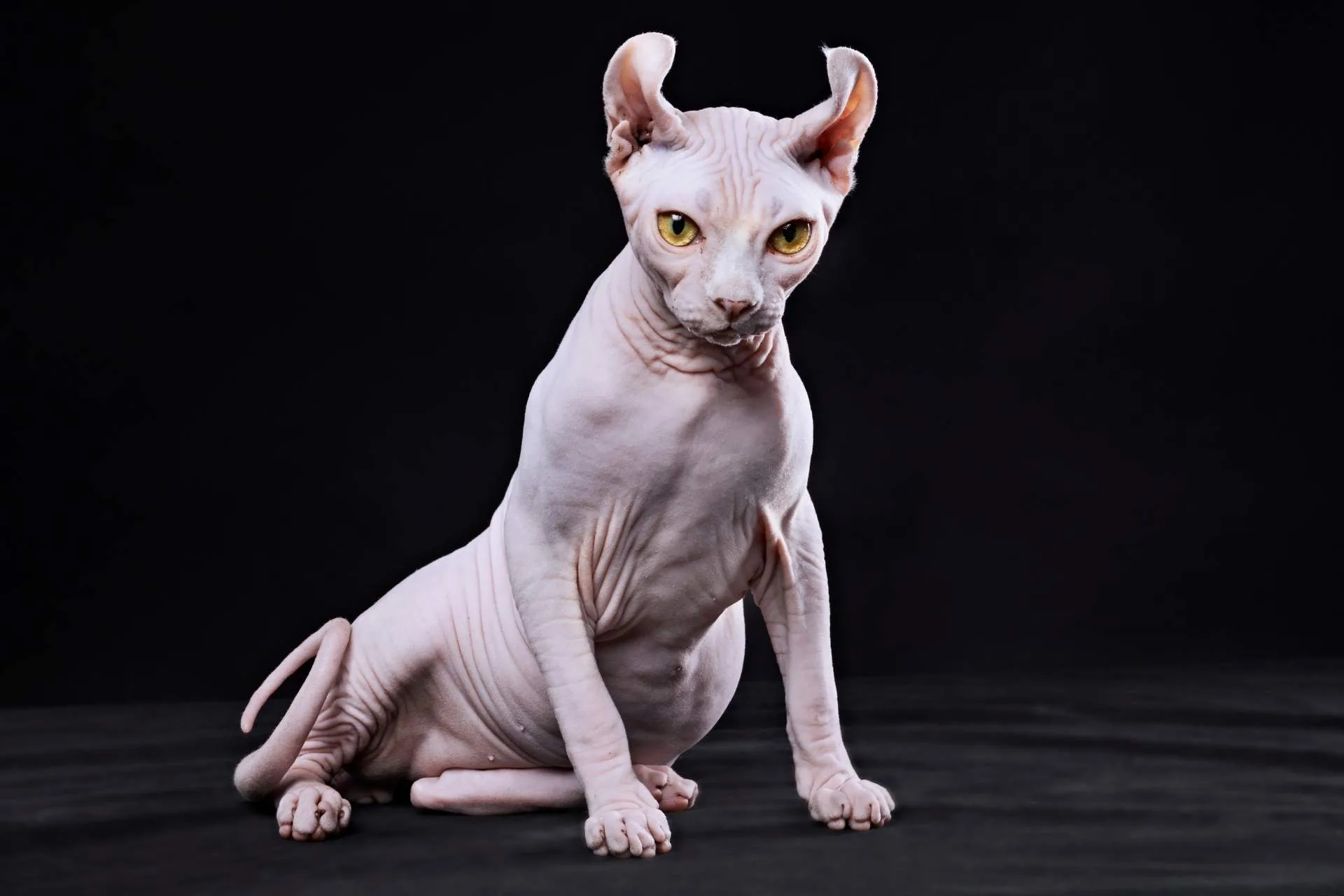
TL;DR: Sphynx cats need more hands-on care than almost any other breed: weekly baths to manage skin oil, daily ear checks, regular nail trimming, temperature control (they get cold easily), and 3-4 small meals a day due to a faster metabolism. They are intensely social and do poorly alone for long periods. If you are leaving your Sphynx with a pet sitter, leave written instructions - bathing schedules, ear cleaning, thermostat settings, and feeding amounts - not just feeding times.
Sphynx cats do not have fur. What they do have is more oil than a standard cat, skin that needs weekly washing, ears that collect wax at an impressive rate, and a social personality that demands real engagement. If you thought a hairless cat meant less grooming work, the opposite is true. But for owners willing to commit to the routine, Sphynx cats are some of the most affectionate and entertaining cats kept as pets.
Curious about other Egyptian-linked breeds? See the Egyptian Mau or the Abyssinian guide. For a breed at the opposite end of the grooming spectrum, the long-haired Maine Coon needs frequent brushing rather than baths.
Are Sphynx cats hard to care for?
Yes, compared to typical cats - but the difficulty is in the routine, not in any single task being particularly complex.
Sphynx cats demand more attention than a low-maintenance breed like a British Shorthair in several specific ways:
- Weekly or bi-weekly baths to manage skin oil buildup
- Regular ear cleaning (those large ears collect wax quickly)
- Constant temperature monitoring - they get cold easily without fur
- Higher food intake due to a faster metabolism
- More frequent vet attention for skin-related issues
Think of Sphynx care like maintaining any piece of equipment that requires regular upkeep. Nothing is particularly difficult, but you cannot skip the routine and expect everything to stay in good condition.
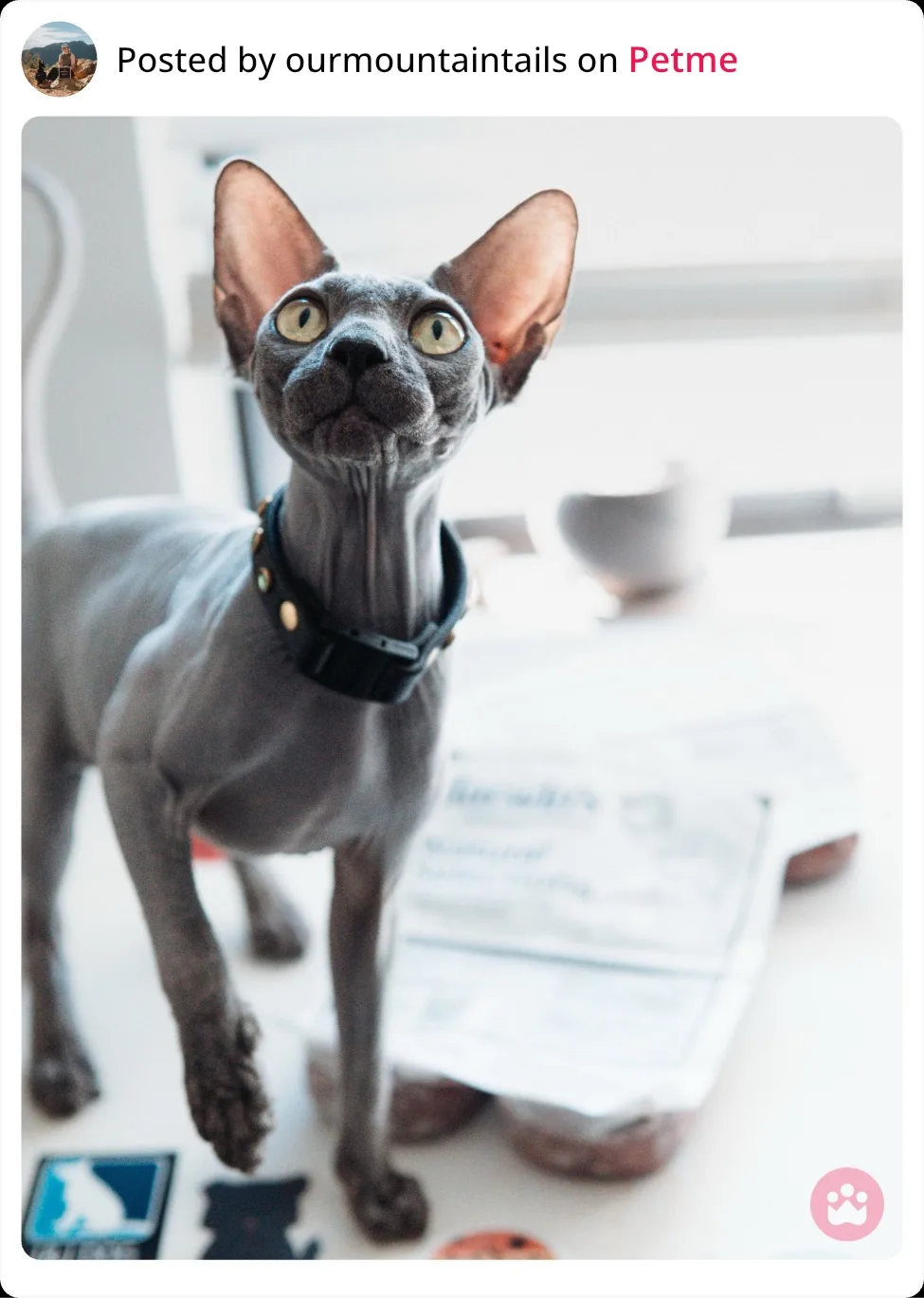
Find an experienced Sphynx cat sitter on Petme to care for yours when you are away.
The Sphynx care routine
Bathing your Sphynx cat
Most cats resist baths. Sphynx cats tolerate them because they have to, and because they were hopefully introduced to baths early. Weekly or bi-weekly bathing is necessary to prevent oil buildup, odour, and skin problems.
Step-by-step bathing process:
- Fill a sink or small tub with 2-3 inches of lukewarm water - test the temperature on your wrist first
- Wet your cat gently using a cup or handheld sprayer, avoiding the face
- Apply cat-specific shampoo (human shampoo irritates their skin)
- Massage the shampoo into skin, focusing on oily areas like the chest, back, and tail
- Rinse thoroughly until no soap residue remains - leftover soap causes skin irritation
- Dry immediately with a soft towel and keep the cat in a warm room until completely dry
Start bathing as early as possible with a kitten. The younger they are when baths are introduced, the more tolerant they become.
Ear cleaning
Sphynx cats produce more ear wax than most breeds. Without fur to absorb it, the wax builds up quickly and can lead to infections if neglected.
Check ears weekly for brown or black buildup. Use a cotton ball (not cotton swabs) dampened with cat-safe ear cleaner and gently wipe the outer ear and visible parts of the ear canal. Stop if your cat shows signs of pain - that means a vet visit, not more cleaning. If you notice a foul smell or excessive scratching at the ears, skip the DIY approach and see a vet.
Nail and dental care
Trim nails every 2-3 weeks using cat nail clippers. Sphynx cats cannot naturally wear down their nails through outdoor scratching, so overgrowth happens quickly.
Brush their teeth 2-3 times per week with cat toothpaste. Dental disease is common in all cats, and Sphynx cats are no exception. Start the habit early or expect expensive professional dental cleanings later.
Temperature control
Sphynx cats lack the insulation that fur provides. They rely on you to maintain a comfortable environment.
Ideal temperature range: 20-26°C (68-78°F).
Signs your Sphynx is too cold:
- Shivering or constantly seeking warm spots
- Burrowing under blankets or into clothing
- Curling into a tight ball
- Cold ears or paw pads
Ways to keep them warm:
- Heated cat beds or self-warming mats
- Soft blankets available in multiple rooms
- Cat sweaters or shirts - they genuinely help
- Drafts and open windows minimised
- Allowed to sleep under covers if they choose to
Sphynx cats will sunbathe, but they burn easily. Limit direct sun exposure to 10-15 minutes and apply pet-safe sunscreen to ears and nose if they are in strong sunlight.
Do Sphynx cats smell?
Sometimes, if the grooming routine is not kept up.
Sphynx cats produce natural skin oils that develop a noticeable odour without regular bathing. The smell is not overwhelming but is distinctly present - a slightly musty or yeasty scent. If your Sphynx smells even after regular baths, check the ears first - wax buildup is usually the cause. If the smell persists after addressing both, consult your vet, as it may indicate a skin infection or dietary issue.
What causes odour:
- Oil buildup on the skin
- Dirty ears
- Infrequent bathing
- Lower-quality food, which can affect skin oil production
Feeding your Sphynx cat
Sphynx cats burn more calories maintaining body temperature than typical cats, so they need more food.
Feed high-protein, grain-free cat food with at least 40% protein. Wet food is ideal for hydration and protein intake. Most Sphynx cats do well with 3-4 small meals throughout the day, plus access to dry kibble for snacking. Unlike some cats that overeat, Sphynx cats generally self-regulate because they genuinely need the extra calories.
Signs your Sphynx is not eating enough:
- Visible ribs or spine
- Low energy or lethargy
- Constantly seeking warmth (undernourished cats struggle to maintain temperature)
If your cat's weight drops or they lose interest in food, see a vet promptly.
Health concerns specific to Sphynx cats
Skin issues
Without fur protection, Sphynx cats are prone to sunburn (especially on ears, nose, and back), oil buildup and acne, fungal infections in skin folds, and visible cuts or scratches. Inspect their skin weekly during baths and look for red spots, bumps, or any changes in texture.
Hypertrophic cardiomyopathy
HCM is a genetic heart condition common in Sphynx cats. Symptoms include rapid breathing, lethargy, and loss of appetite. Annual vet check-ups with heart screenings are essential - do not skip them even if the cat seems healthy.
Dental disease
Sphynx cats are prone to gum disease and tooth decay. Regular at-home brushing and annual professional dental cleanings prevent serious issues from developing.
Socialisation and enrichment
Sphynx cats are not independent. They are social, affectionate, and will follow you everywhere.
To keep a Sphynx cat mentally and physically engaged:
- Spend 15-30 minutes daily with interactive toys
- Provide climbing trees or wall-mounted shelves for vertical space
- Consider adopting a second cat if you are regularly away - they do not handle long solitary periods well
- Let them be part of your daily routine rather than isolated
If you want a cat that ignores you most of the day, this is not the breed. If you want a cat that behaves more like a dog, you have found a good match.
What to tell your pet sitter
Sphynx cats have specific care needs that most casual pet sitters are not prepared for. A sitter briefed on "feed twice a day" will quickly run into problems.
Before you leave, provide written instructions covering:
- Bathing schedule: when the last bath was and when the next is due
- Ear cleaning: how to check and clean properly
- Temperature: ideal thermostat settings and where heated beds and blankets are
- Feeding: exact portions, food type, and meal times
- Emergency contacts: your vet's number and the nearest 24-hour emergency clinic
A good pet sitter will treat these instructions as essential, not excessive.
Finding a sitter for a Sphynx cat
General pet sitters handle typical cats without difficulty. A Sphynx cat requires a different skill set.
When searching for a sitter, look for experience with high-maintenance or hairless breeds. Ask directly:
- Have you cared for hairless or breed-specific cats before?
- Are you comfortable bathing a cat if needed during the stay?
- How do you handle temperature requirements for sensitive cats?
- What is your process for checking ears?
On Petme, you can read reviews from other owners of high-maintenance cats and filter for sitters with relevant breed experience. A sitter who has worked with Sphynx cats before will not find your care instructions surprising - they will understand why every item on the list matters.
FAQs
1. Are Sphynx cats hard to care for?
Yes, compared to typical cats. They require weekly baths, regular ear cleaning, temperature monitoring, and more frequent feeding. Each individual task is straightforward, but the cumulative routine is more demanding than most breeds. They are not well suited for owners looking for a low-maintenance pet or who travel frequently without reliable pet care arrangements.
2. What is the care routine for a Sphynx cat?
A weekly routine includes bathing, ear cleaning, nail trimming, and dental brushing. Daily care involves feeding 3-4 small meals, ensuring the environment stays warm enough, and providing social interaction and play. The grooming tasks cannot be skipped without consequences - missed baths lead to oil buildup and skin problems, neglected ears lead to infections.
3. Do Sphynx cats smell?
They can, if the grooming routine slips. The smell comes from natural skin oils and ear wax buildup. Weekly baths and regular ear cleaning prevent most odour issues. If the smell persists after consistent grooming, check with your vet - it may indicate a skin infection or a diet change is needed.
4. How often should Sphynx cats be bathed?
Weekly or bi-weekly, depending on how oily their skin gets. Some Sphynx cats need baths every 5-7 days, others can go 10-14 days between baths. Adjust based on how their skin feels between sessions. The earlier you establish a bathing routine with a kitten, the more cooperative they become as adults.
5. Can Sphynx cats go outside?
Outdoor access is not recommended. They sunburn easily, cannot regulate temperature effectively without fur, and are more vulnerable to cuts and injuries than coated cats. If you do take them outside, apply pet-safe sunscreen to ears and nose, limit sun exposure, and supervise at all times. Most Sphynx owners use enclosed cat runs or harness walks for any outdoor time.
6. What do Sphynx cats eat?
High-protein, grain-free cat food with at least 40% protein. Wet food is ideal for both hydration and protein intake. Sphynx cats eat more than typical cats because they burn more calories maintaining body temperature - expect 3-4 small meals daily plus access to dry kibble. If weight drops or appetite decreases, see a vet promptly rather than adjusting the diet yourself.
7. Do Sphynx cats get cold easily?
Yes. Without fur to retain body heat, they need environments kept between 20-26°C. Cold rooms, drafts, and air conditioning without warm spots available will cause visible discomfort - shivering, constant burrowing under blankets, and cold ears or paws. Heated cat beds, blankets in multiple rooms, and cat sweaters for colder periods are all practical investments.
8. How do you clean a Sphynx cat's ears?
Check ears weekly for brown or black wax buildup. Use a cotton ball dampened with cat-safe ear cleaner - never cotton swabs inside the ear canal - and gently wipe the outer ear and the visible inner surface. Stop if your cat shows signs of pain. If you notice a strong smell, excessive wax, or frequent scratching at the ears, see a vet rather than cleaning more aggressively. Those symptoms indicate an infection that needs professional treatment, not just more thorough cleaning.