Guinea pigs, adorable and sociable rodents, require a well-balanced diet to maintain optimal health and vitality. While hay and pellets are crucial components of their diet, incorporating fresh vegetables is equally important. Vegetables provide essential vitamins, minerals, and fiber that contribute to a guinea pig’s overall well-being. In this article, we will explore the 18 best vegetables for guinea pigs, ensuring that you can provide your furry friend with a diverse and nutritious diet.
Understanding Guinea Pig Diet
Importance of a Balanced Diet
Maintaining a balanced diet is vital for guinea pigs to thrive. A proper diet ensures they receive all the necessary nutrients, including Vitamin C, which is crucial for their health. Without adequate Vitamin C intake, guinea pigs can develop scurvy, a potentially fatal condition. Therefore, incorporating a variety of vegetables is key to meeting their nutritional needs.
Common Foods to Avoid
Before we delve into the best vegetables for guinea pigs, it’s essential to be aware of foods that should be avoided. Some foods may be harmful to guinea pigs or cause digestive issues. Avoid feeding them chocolate, onions, garlic, rhubarb, potatoes, and any other toxic or high-sugar foods. Additionally, foods treated with pesticides or herbicides should also be avoided.
Nutritional Needs of Guinea Pigs
Key Nutrients for Optimal Health
Guinea pigs require a diet rich in specific nutrients to ensure their well-being. Some essential nutrients include Vitamin C, fiber, Vitamin A, and calcium. Vitamin C is particularly crucial for their overall health, as guinea pigs cannot produce it naturally.
The Role of Vegetables in Their Diet
Vegetables play a vital role in meeting guinea pigs’ nutritional needs. They are a great source of Vitamin C, fiber, and other essential vitamins and minerals. Additionally, vegetables provide enrichment and variety in their diet, keeping them mentally stimulated and preventing boredom.
Best Vegetables for Guinea Pigs
When it comes to selecting vegetables for your guinea pig, it’s important to choose ones that are safe, nutritious, and appealing to their taste buds. Here are 18 of the best vegetables that you can incorporate into your guinea pig’s diet:
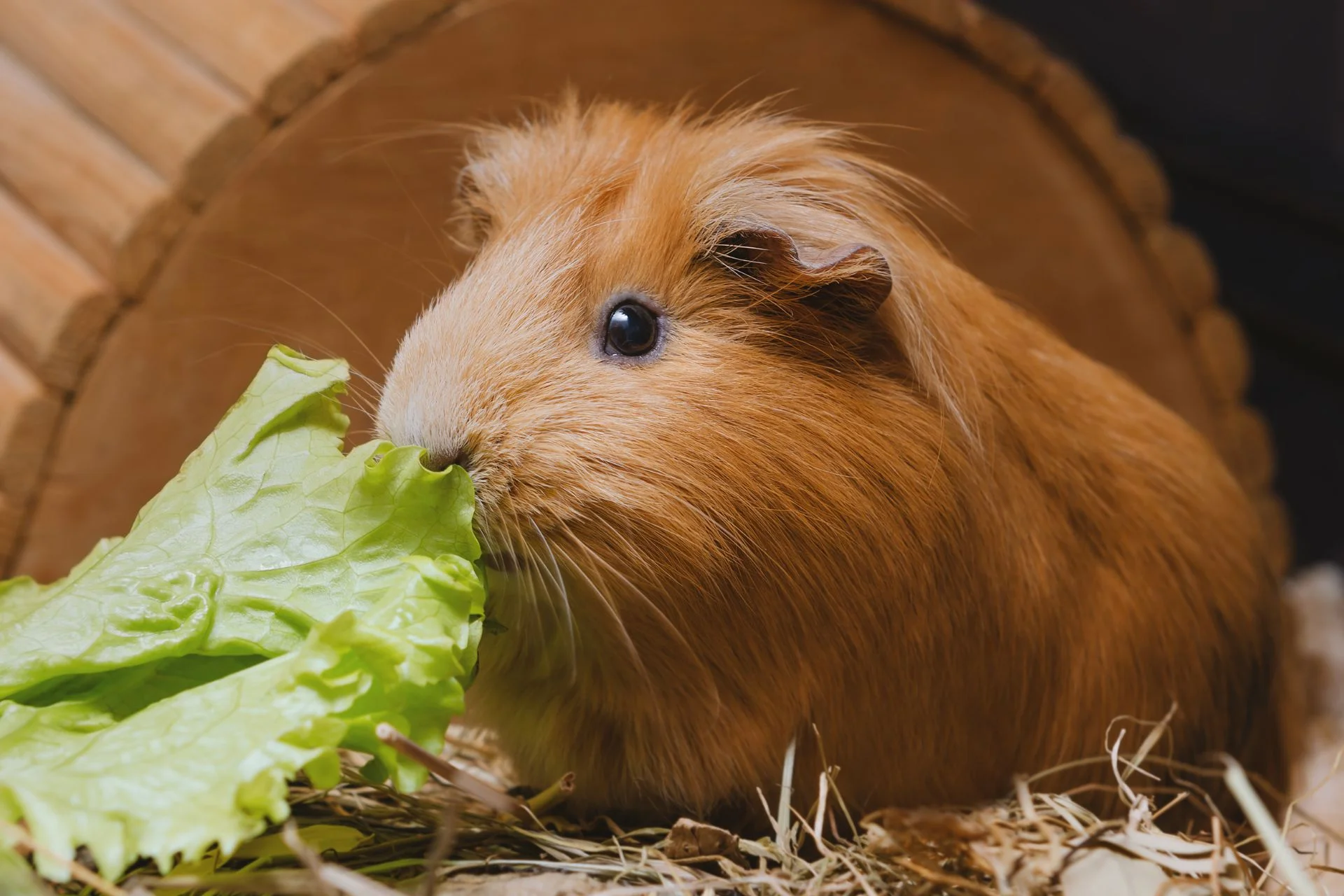
- Romaine Lettuce: Romaine lettuce is a popular choice among guinea pig owners. It is rich in Vitamin C and provides hydration due to its high water content.
- Spinach: Spinach is packed with nutrients, including iron and calcium. However, it should be fed in moderation due to its high oxalic acid content.
- Kale: Kale is a nutritional powerhouse, containing Vitamin C, Vitamin K, and antioxidants. Serve it sparingly as it can be high in calcium, which may cause urinary issues in some guinea pigs.
- Broccoli: Broccoli is an excellent source of Vitamin C and fiber. It should be served in small portions due to its potential to cause gas.
- Cauliflower: Cauliflower is another healthy option for guinea pigs. It provides Vitamin C and fiber while being low in calories.
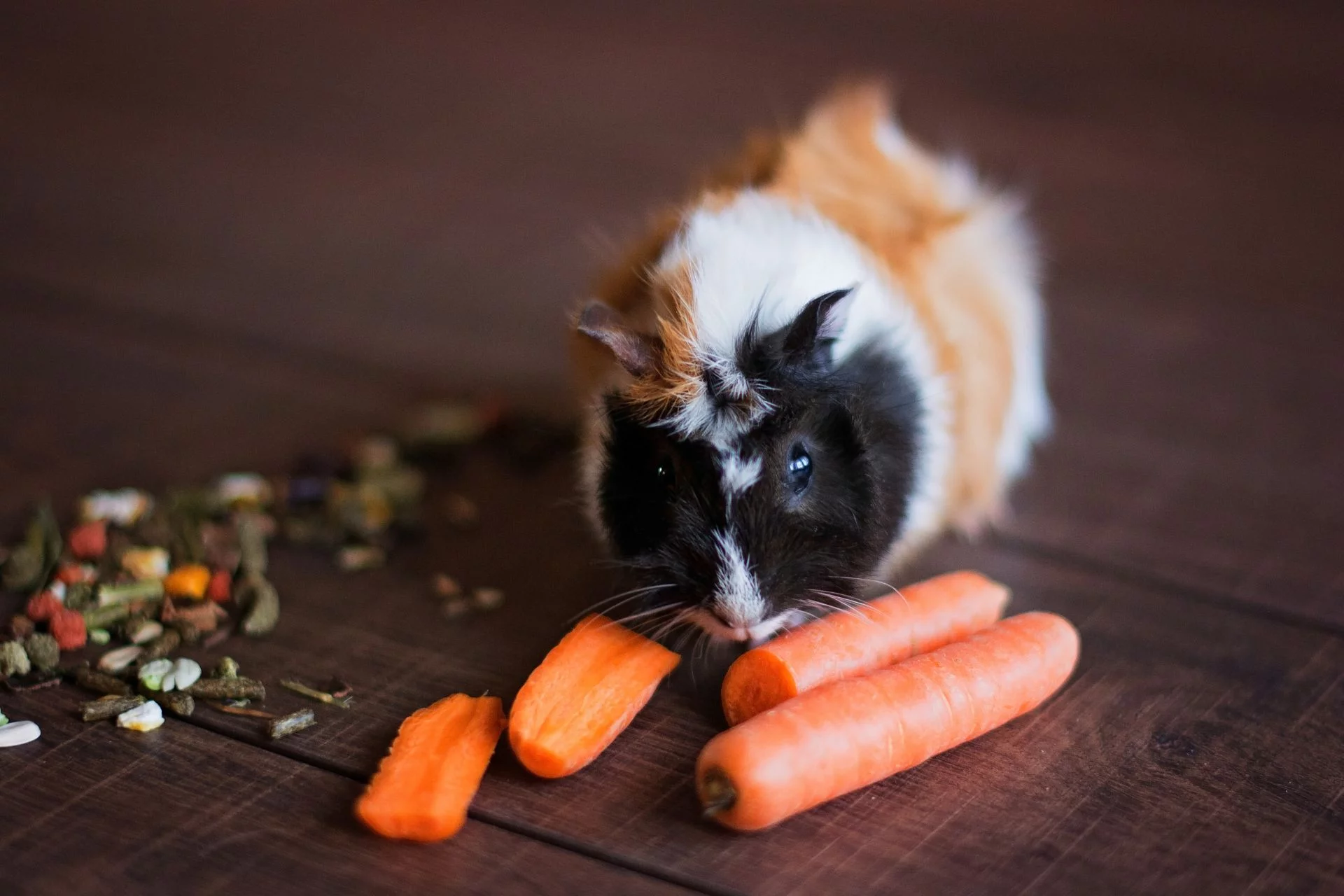
- Carrots: Carrots are a well-loved vegetable among guinea pigs. They are rich in Vitamin A and provide a crunchy texture that helps keep their teeth healthy.
- Parsnips: Parsnips offer a sweet and nutritious addition to your guinea pig’s diet. They are a good source of fiber and Vitamin C.
- Radishes: Radishes can be fed in moderation as a treat. They provide Vitamin C and add variety to their diet.
- Bell Peppers: Bell peppers come in various colors and are packed with nutrients that are beneficial for guinea pigs. They are rich in Vitamin C, which is essential for their overall health and immune system function.
- Cucumbers: Cucumbers are refreshing and hydrating for guinea pigs. They contain Vitamin K and provide a crunchy texture for added enjoyment.
- Zucchini: Zucchini is a hydrating vegetable that offers Vitamin C and fiber. It is low in calories and gentle on the digestive system.
- Celery: Celery is a crunchy and fibrous vegetable that can be enjoyed by guinea pigs. It provides hydration and adds variety to their diet.
- Green Beans: Green beans are a tasty and nutritious choice for guinea pigs. They are a good source of Vitamin C and fiber.
- Peas: Peas are small, round, and packed with nutrients. They offer Vitamin C, fiber, and protein, making them a great addition to their diet.
- Cabbage: Cabbage can be served in small amounts to guinea pigs. It provides Vitamin C and fiber but should be given sparingly to avoid gas.
- Coriander: Coriander leaves, also known as cilantro, are a flavorful herb that guinea pigs enjoy. They provide essential nutrients and can be offered in moderation.
- Bok Choy: Bok choy, a type of Chinese cabbage, is a leafy green vegetable that guinea pigs can consume. It offers Vitamin C and fiber.
- Beet Greens: Beet greens, the leafy tops of beetroots, are safe and nutritious for guinea pigs. They provide Vitamin C, iron, and antioxidants.
Remember to introduce new vegetables gradually into your guinea pig’s diet to allow their digestive system to adjust. Start with small portions and monitor their response to ensure they tolerate the new vegetables well.
Preparing Vegetables for Guinea Pigs
Before serving vegetables to your guinea pig, it’s crucial to prepare them properly:
Washing and Chopping
Thoroughly wash all vegetables to remove any dirt, pesticides, or chemicals. Cut them into small, bite-sized pieces to prevent choking hazards and make it easier for your guinea pig to eat.
Proper Serving Sizes
Offer a variety of vegetables in moderation to maintain a balanced diet. Introduce new vegetables gradually to avoid digestive upset and monitor your guinea pig’s response.
Introducing New Vegetables to Guinea Pigs
When introducing new vegetables to your guinea pig’s diet, follow these guidelines:
Gradual Introduction
Start by introducing small amounts of a new vegetable and gradually increase the serving size over several days. This allows their digestive system to adjust and minimizes the risk of diarrhea or other digestive issues.
Monitoring for Allergic Reactions
Observe your guinea pig for any signs of allergic reactions or adverse effects. If you notice any changes in behavior, appetite, or digestive health, discontinue feeding that particular vegetable and consult a veterinarian if necessary.
Frequently Asked Questions (FAQs)
How often should I feed vegetables to my guinea pig?
Daily. Fresh vegetables are a standing part of a guinea pig's diet, not an occasional treat, because they are the main dietary source of the Vitamin C guinea pigs cannot produce themselves. Rotate through several vegetables rather than repeating one, so the diet covers different nutrients.
Are there any vegetables that are harmful to guinea pigs?
Yes. Avoid onions, garlic and potatoes entirely, and limit high-sugar vegetables. Introduce anything new gradually and watch for a reaction before it becomes a regular part of the diet.
Can guinea pigs eat the leaves of vegetables?
Many leaves are safe and nutritious. Leafy greens such as romaine lettuce, spinach and kale are standard parts of a guinea pig diet and carry Vitamin C along with fibre.
Can guinea pigs eat every type of vegetable?
No. The safe list is wide but not unlimited, and the toxic ones above are excluded regardless of quantity. Stick to the vegetables covered in this article and treat anything outside it as untested until you have checked it.
In conclusion, providing a diverse range of vegetables is essential for maintaining the health and happiness of your guinea pig. The 18 best vegetables mentioned in this article, including leafy greens, cruciferous vegetables, root vegetables, and others, offer a wide array of nutrients and flavors. Remember to introduce new vegetables gradually and monitor your guinea pig for any adverse reactions. By incorporating these vegetables into their diet, you are ensuring that your guinea pig receives the essential vitamins, minerals, and fiber necessary for a well-rounded and nutritious diet.