Why independent dog walking is a strong flexible job
If you have been searching for dog walking gigs or ways to earn on your own schedule, here is the appeal: you set your own rate, you choose your hours, and local demand is steady in most towns and cities. You stay active, work outdoors, and the job fits alongside other work without complicated logistics. The practical advantages over traditional part-time work:- You set your own hours and choose which bookings to accept
- Clients are local, so no commute beyond your own neighbourhood
- Regular clients provide predictable recurring income once you build your base
- The job keeps you physically active without a gym membership
What an independent dog walker actually does
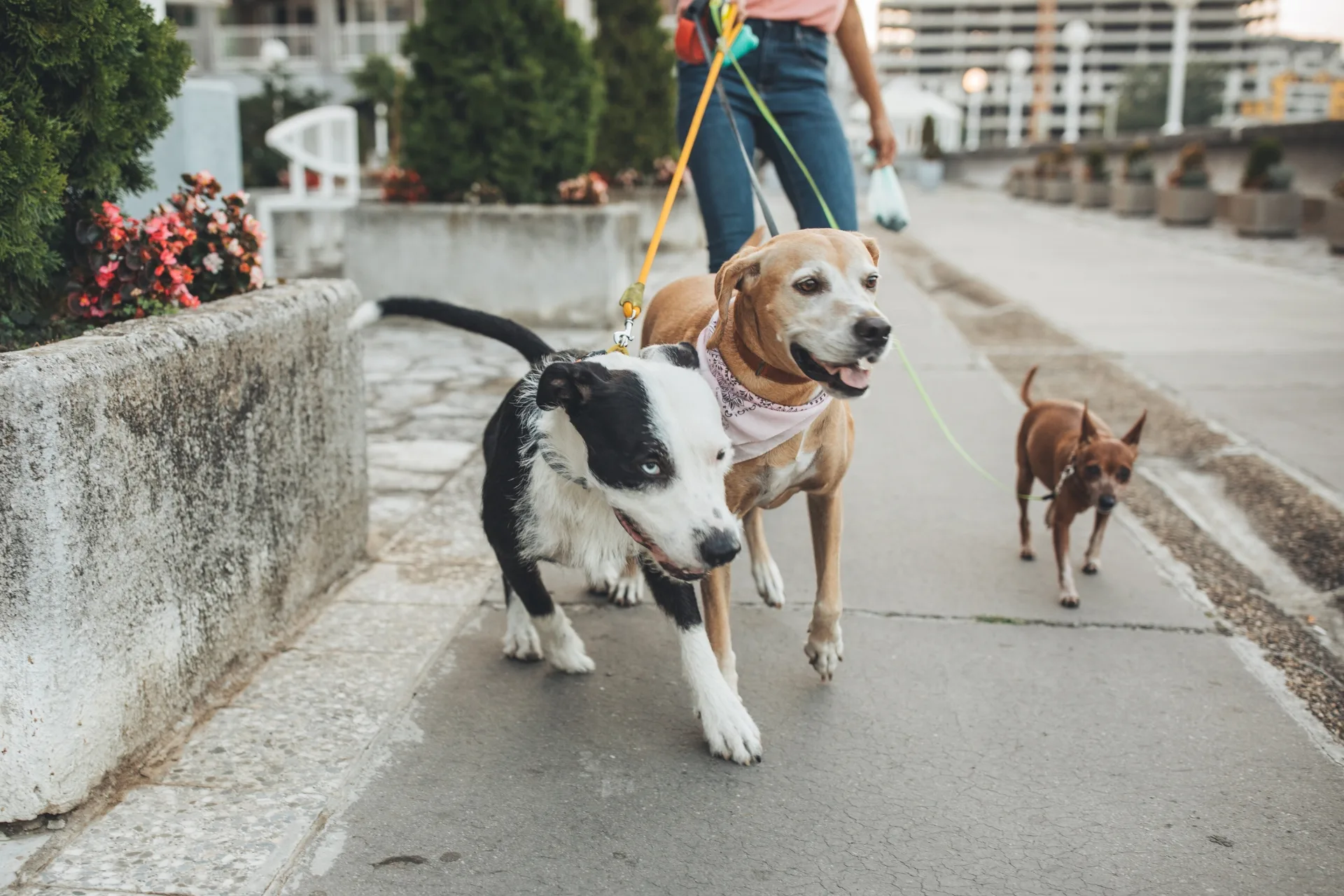
As a freelance dog walker, your main job is providing regular exercise and company to dogs when their owners are busy, typically during work hours, travel days, or school run times. Day-to-day, you will:- Walk one or multiple dogs at a time, usually for 30 to 60 minutes
- Follow specific instructions from owners about routes, timing, and leash handling
- Send a brief update or photo to the owner after each walk
- Handle additional tasks like feeding or short home visits if the client wants them
How to get started as an independent dog walker
1. Set up your walker profile on a pet care platform
The fastest way to start receiving booking requests is to join a platform that handles client matching and payment for you. Petme is built for freelance sitters and walkers. It lets you create a detailed profile, set your own prices, specify the services you offer, and appear in local searches when someone looks for a dog walker nearby. Mention the neighbourhoods you cover and the hours you are available. These details help you show up when someone searches for dog walkers near them, which is how most first bookings come in. Before you take a group booking, check whether the city you walk in caps how many dogs one person may handle. In England that limit comes from your council rather than national law, covered in how many dogs you can walk at once. In Canada it is municipal and several cities require a permit, covered in dog walker permits in Canada.2. Choose a focused service area
Most walkers do best by staying local. Choosing a 2-3 mile radius from your home saves travel time, lets you group walks efficiently, and helps you build a reputation in a specific area. In a busy residential neighbourhood, you can often find ten or more potential clients within walking distance. Reputation compounds in a small area. Word travels between neighbours.3. Set your rates clearly
Pricing depends on your city, your availability, and the types of walk you offer:- Solo walks: more personal, and typically priced higher per walk
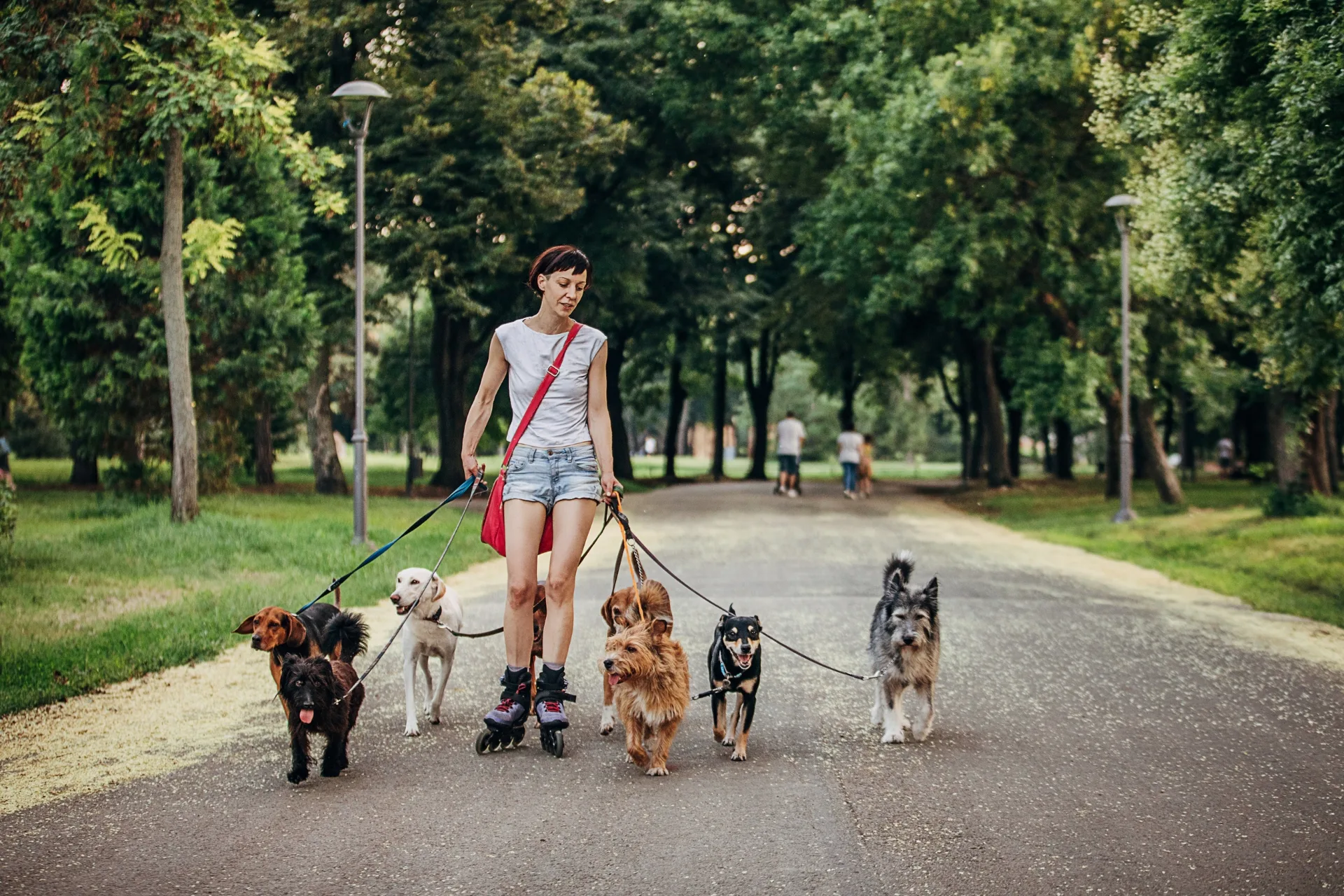
- Group walks: lower price per dog, but higher earning per hour if you walk three or four at once
- Express walks: 15-minute toilet breaks for owners with limited schedules
- Weekend or holiday walks: standard to charge a premium for these
4. Promote yourself locally
Beyond your online profile, visibility in your neighbourhood matters:- Post in local community groups or neighbourhood apps
- Leave cards at dog-friendly cafes, vet offices, or grooming salons
- Ask happy clients for referrals: a satisfied dog owner who mentions you to a neighbour is worth more than most advertising
5. Communicate reliably and show up on time
Pet owners care about trust more than almost anything else. You build it fast or lose it fast. The practical things that matter:- Respond to enquiries within a few hours
- Arrive when you said you would
- Send a short message or photo after each walk so owners know their dog is back safely
- Follow each dog's specific instructions, even the ones that seem minor
6. Manage your schedule and income as a freelancer
As a self-employed walker, keeping your admin organised prevents the gaps that cost money. Use a calendar app or the booking tools in your platform to avoid double-bookings. Track income for tax purposes from the start: it is much harder to reconstruct records at the end of the year than to keep them current. Petme's platform handles booking confirmations and payment records, which reduces the admin you need to do separately.Safety basics for solo dog walking
Whether you are walking one dog or four, a few habits make every outing safer:- Do a brief meet-and-greet with any new dog before the first paid walk: you need to know their behaviour around other dogs, strangers, and traffic before you are responsible for them
- Ask owners about aggression, leash-pulling, or any health issues that affect how you handle them
- Carry poop bags, water for the dog, a spare leash, and your phone with the owner's number saved
- Avoid walks in extreme heat: pavement above 77F (25C) can burn dog pads, and midday summer walks are hard on brachycephalic breeds
- Know the location of an emergency vet in your walking area before you need it
How much can you earn as an independent dog walker?
Earnings depend on your location, walk frequency, and whether you build recurring clients. Some realistic figures:- 1 walk per day: $15-$25
- 2-3 walks per day: $30-$75
- Full regular schedule: $1,000 or more per month
The honest pros and cons of freelance dog walking
Pros:- Flexible hours you control
- Choose your clients and rates
- Active, outdoor work
- Low overhead to start
- Income is variable, especially at the beginning
- Bad weather does not cancel client expectations
- You handle your own taxes and scheduling
- No paid leave or sick pay
FAQs: freelance dog walking
1. How do I find dog walking gigs near me?
The most direct route is creating a profile on a pet care platform where dog owners search for local walkers. Petme lets you build a detailed profile, set your own rates, and show up in local searches. Alongside that, local community groups and referrals from happy clients are how most walkers fill the rest of their schedule once they have a few reviews.
2. Do I need a licence to walk dogs independently?
In most places, no. Some cities or states require a basic business registration if you are earning as a sole trader, and a few jurisdictions have rules about walking multiple dogs in public spaces. Check your local council or city regulations. Pet care insurance is not legally required in most places but is worth considering once you have regular clients.
3. Can I walk multiple dogs at the same time?
Yes, if you are confident and the dogs are suited to it. Solo walks are better for reactive dogs, anxious animals, or dogs that need close attention. Group walks work well for confident, sociable dogs and increase your hourly earning rate. Always discuss group walking with the owner before the first booking: some owners specifically want solo walks, and they should know before they book.
4. How do I get more clients as a new walker?
Respond quickly to every enquiry, offer a meet-and-greet before the first booking, and send a short update after every walk. These three things build the reviews and word-of-mouth that bring in the next round of clients. Keep your profile up to date and ask satisfied clients to leave a review. A specific review is more valuable than a five-star rating with no detail.
5. What should I bring on every dog walk?
Poop bags, water for the dog on longer walks, a spare leash, and your phone with the owner's number and an emergency vet number saved. In summer, know the heat limits for the breeds you walk: short-nosed breeds overheat faster, and hot pavement can burn paws within minutes. In winter, check that smaller or short-coated dogs are warm enough for the conditions.
6. Can dog walking become a full-time job?
It can, particularly for walkers who combine walks with pet sitting, boarding, and drop-in visits. The transition from side income to full-time usually takes six to twelve months: long enough to build a recurring client base, earn enough reviews to attract new clients organically, and diversify services to cover the quieter periods. The guide to pet sitting as a full-time job covers what a sustainable income looks like and what it takes to get there.