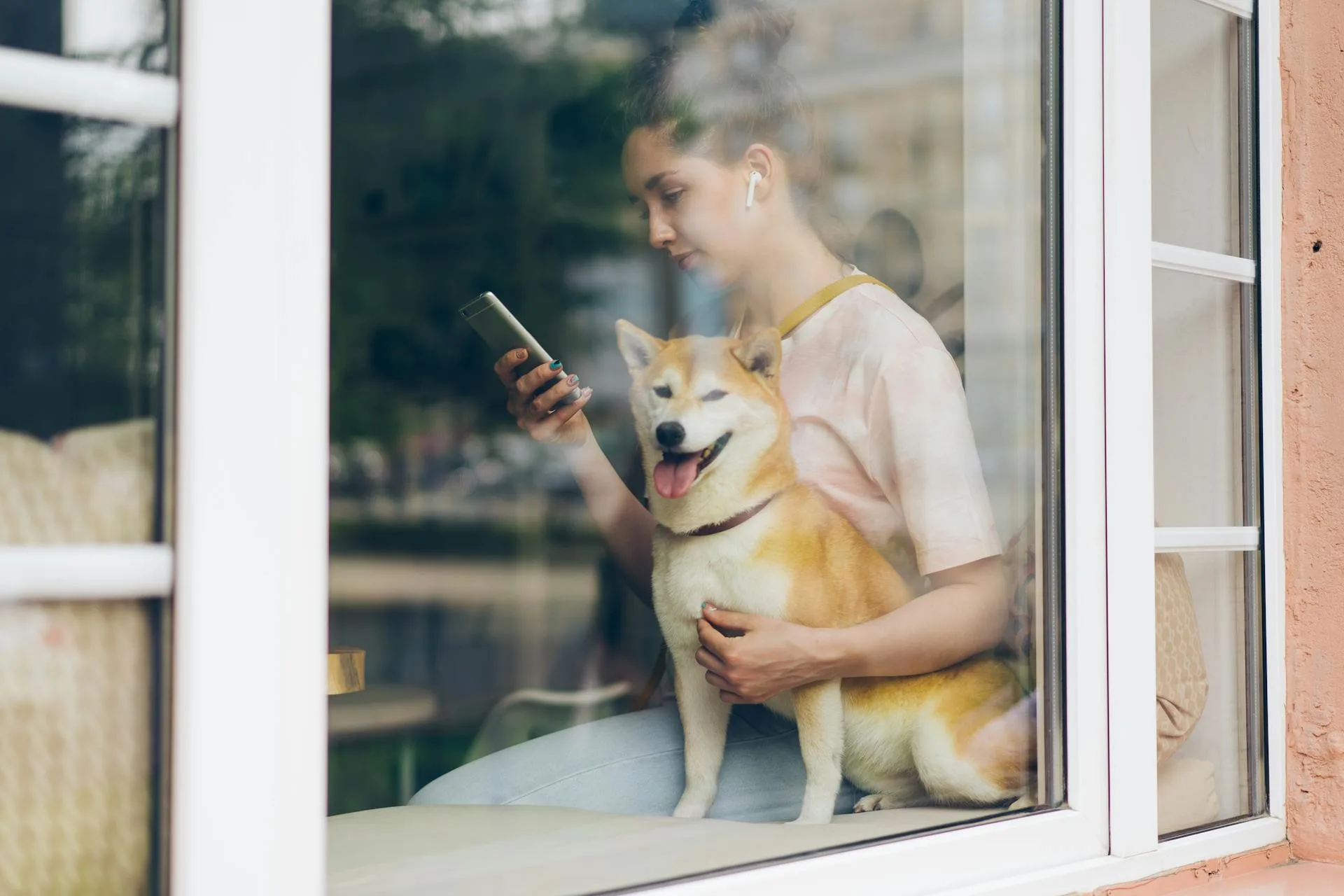
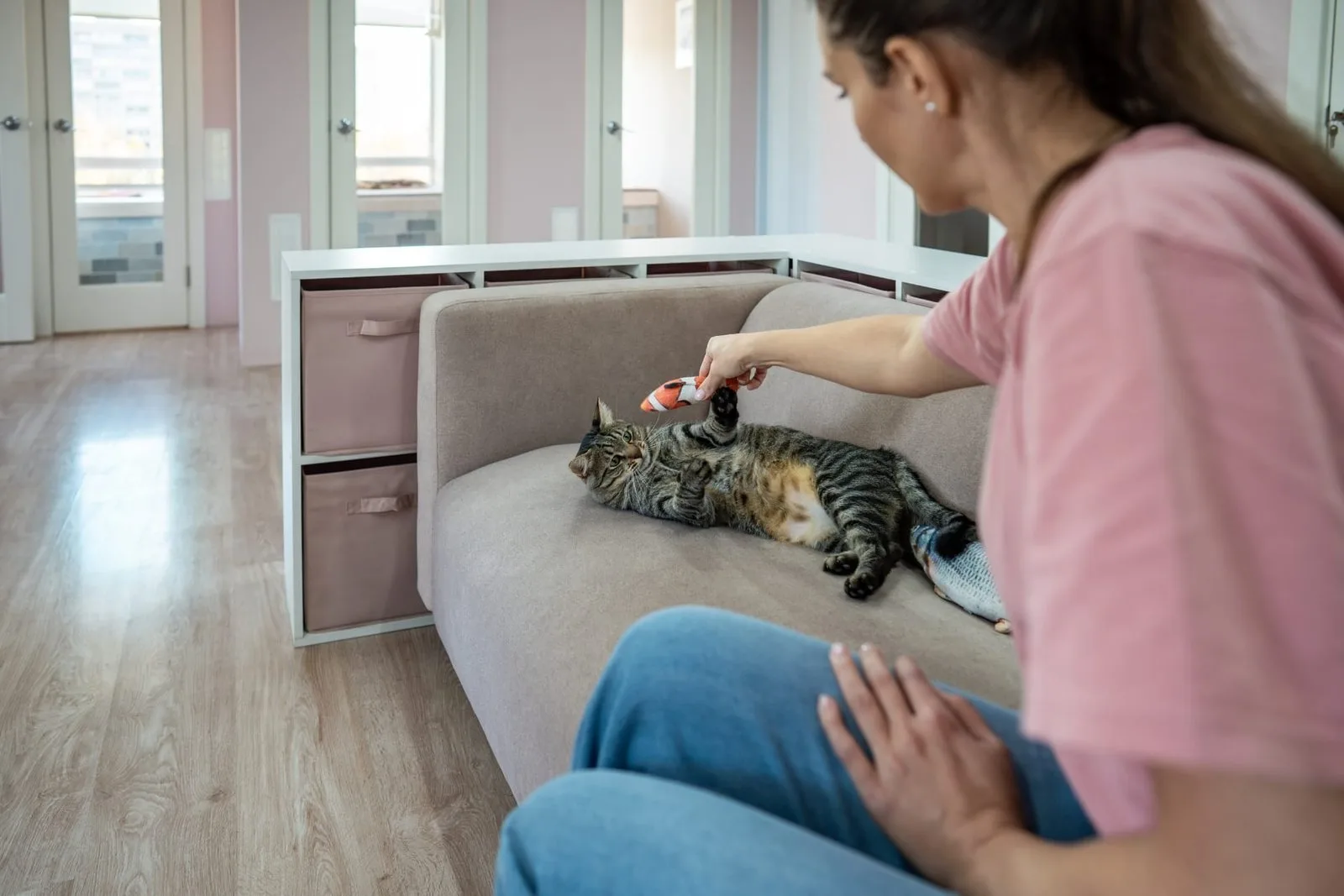
In short: The best pet sitting apps for most owners are evaluated on three things that matter: how well you can know the sitter before booking, how transparent the pricing is, and what verification is actually in place. On all three, platforms differ more than their marketing suggests, and which one you choose can be the difference between leaving your pet with confidence and leaving your pet with a stranger whose star rating is the only thing you know about them.
Finding a pet sitter through an app sounds simple until you're actually doing it. You type in your location, a handful of profiles appear, and you're looking at a star rating, a short bio, and a photo of someone you've never met. At some point, you have to decide whether you trust this person with your dog or cat.
That's the moment most pet sitting app guides don't prepare you for. They compare sitter counts and app store ratings: useful, but not the thing that matters when you're about to leave a pet you care deeply about with a stranger. This article covers what first-time users actually need: what the main platforms offer, how they differ on the things that count, and which one fits your situation.
What to look for in a pet sitting app before you download anything
Most reviews rank pet sitting apps by the number of sitters listed or by commission rates. Those are secondary. Four things matter more: how well you can know the sitter before you commit, how sitters are actually verified, what the total price is after fees, and what support exists if something goes wrong. The platforms that score well on all four are the ones worth your time.
Visibility into who the sitter actually is
A static profile with a bio and a five-star average tells you that previous clients were satisfied. It doesn't tell you what the sitter's home looks like, how they handle a nervous dog, or what kind of person they are outside the managed frame of a public listing. For owners who feel genuinely uneasy about leaving their pet with someone unknown, a snapshot at the point of booking rarely resolves that. The platform you use either gives you a way to build real familiarity before booking or it doesn't.
Sitter verification
"Background checked" appears on nearly every platform, but what it covers varies. A criminal background check and identity verification are not the same thing. Most platforms do one or both, but not all make both mandatory for every sitter rather than an optional badge a sitter can choose to display. Before booking through any app, check whether verification is a requirement or an elective, and what specifically it screens for.
Fee transparency
Most platforms advertise the sitter's nightly or hourly rate, not the total cost. Service fees and booking surcharges are added at checkout, and they differ significantly between apps. On some platforms, the final price is 15–25% higher than the rate shown on the sitter's profile. For an owner who is already uncertain about an unfamiliar sitter, finding out the cost is higher than expected at checkout is exactly the wrong moment to introduce friction.
Coverage if something goes wrong
If a pet is injured during a sitting, what happens next depends on the platform. Some offer financial protection programs toward eligible vet costs; others don't. It's worth understanding what support exists before you need it, rather than reading the terms for the first time after something has gone wrong.
Best pet sitting apps compared
Petme: best overall for pet owners
Petme is built around the problem that most pet sitting platforms don't actually solve: you can't know who you're booking until after you've already booked them. Every sitter on Petme has a social profile, not a static bio, but an active feed where they share their daily life with animals. Their home. Their own pets. Updates on the dogs and cats currently in their care. Pet parents browse these profiles before making any contact, the way they'd follow someone on a social network. By the time a booking is confirmed, most owners already have a genuine sense of who this person is.
All sitters go through both identity verification and a background check before their profile goes live. Pet parents initiate all contact: sitters cannot search for or reach out to owners, which keeps the dynamic in the owner's hands.
On fees: Petme charges pet owners 0% in service fees. The rate shown on a sitter's profile is the total amount you pay at booking. No surcharges added at checkout. Every completed booking also earns cashback, which accumulates toward future care. For owners who book regularly (weekly walks, monthly daycare, trips across the year) that difference compounds meaningfully compared to platforms charging 11–15% on every booking.
Every eligible booking with
Petme also comes with the
Petme Protection Plan, which may contribute toward eligible vet costs up to $22,000 for serious injuries during a sitting, at no extra cost to you.
Petme is available across the US and in major markets in Europe, including the UK, Spain, Italy, France, Germany, and Portugal.
Rover: large network, but limitations to know about
Rover is the largest pet sitting platform in the US, with sitters listed across all 50 states. It covers boarding, house sitting, drop-in visits, doggy daycare, and dog walking, which makes it a common starting point for owners who don't know what type of care they need yet: availability is rarely the issue.
Sitter profiles include photos, written bios, and reviews. Sitters go through a background check via Checkr in the US, however the identity verification is standard everywhere else, with no additional checks. Rover also offers the Rover Guarantee, a financial protection program toward vet costs for covered incidents.
The main limitations: profiles are static bios with a star rating. There's no ongoing window into who the sitter is day-to-day, which means trust is built primarily through reviews from people you don't know. Rover also adds a service fee for pet owners on top of the sitter's rate, so a sitter's advertised nightly price is not what you pay at checkout. Their exact fees are published on their own site and can change. That gap is disclosed, but it's worth noting when comparing total costs.
For owners in areas where sitter availability is thin, Rover's network size is a practical argument. For owners who want to feel genuinely confident before booking rather than relying on a rating average, the platform has real limits.
Wag: on-demand, but not built for relationship-based care
Wag operates closer to an on-demand dispatch model than a traditional booking platform. It's designed for owners who need a same-day walk, a last-minute drop-in, or cover when plans change at short notice.
Sitters are background checked and GPS-tracked during walks, with end-of-visit reports sent to owners automatically. For structured recurring walks with a consistent sitter, it works. The platform takes a commission out of the sitter's earnings, published on its own site, and the size of that cut affects which sitters stay active on it over time.
Wag's on-demand model is a poor fit for situations where relationship and trust matter: a week-long boarding stay, an owner with an anxious dog, or anyone who needs confidence in the specific person caring for their pet rather than just whoever is available. It's a functional tool for a specific use case, not a first choice for pet owners who prioritize knowing their sitter.
TrustedHousesitters: a different model, for a specific situation
TrustedHousesitters works on a different model entirely: no money changes hands for the care itself. Verified housesitters stay in your home and look after your pets in exchange for free accommodation. Both owners and sitters pay an annual membership fee, priced by plan tier and published on their own site.
For owners who travel regularly and have pets that settle better at home than in a sitter's environment, this model has genuine appeal. The cumulative savings across multiple trips can be significant when there's no per-booking rate.
The tradeoffs: finding a sitter requires more active involvement, since you post your listing and review applications rather than browsing available sitters on demand. Background checks are available but not mandatory in every region. And for occasional care or short-notice needs, the platform is slower to navigate than a marketplace. It's worth considering for frequent long-trip travelers; for most other owners, it's a secondary option.
A brief note on Meowtel: Meowtel was a US platform dedicated entirely to cat sitting, with selective sitter vetting. It was acquired by Rover in January 2026 and now operates under the Rover umbrella.
Pet sitting apps comparison: how fees stack up in practice
The pet sitting apps comparison looks different once you account for total cost rather than advertised rates.
Rover adds a service fee on top of the sitter's rate at checkout, so a few nights of boarding a year quietly cost more than the profile rate suggests. Wag adds similar owner-side costs. TrustedHousesitters replaces per-booking fees with an annual membership, making it cost-effective for frequent travelers but carrying an upfront cost.
Petme charges pet owners nothing on top of the sitter's rate, and every completed booking earns cashback toward future care. The practical gap between an owner fee on every booking and 0% grows with each sitting, and cashback compounds that further over time.
Cost alone isn't a reason to choose a platform: confidence in the sitter matters more than what the booking costs. But knowing that the rate shown and the rate paid aren't always the same thing is worth factoring in before you commit. Our guide to
dog sitter rates covers what standard pricing looks like by service type and location.
Want to see what the gap looks like for your own bookings? Pick a service and country below, and the calculator works out what you'd pay on Petme versus a platform that adds owner fees, cashback included.
How to pick the right pet sitting app for your situation
Three questions narrow down the choice.
How much do you want to know about the sitter before booking? If a background check and a good review average feel sufficient, the larger platforms will serve you. If you want to spend a few weeks following a sitter's profile before making contact (seeing their home, how they interact with animals, what other owners have said over time) that requires a platform where sitter profiles are built for ongoing browsing, not just point-of-booking decisions.
How often do you book care? For occasional use, the fee model is a minor consideration. For owners booking weekly walks, recurring daycare, and several trips a year, the gap between an owner-side surcharge and 0% fees with cashback starts to matter.
Where do you live? Sitter availability varies. In major US cities and internationally, multiple platforms will have good coverage. In smaller cities or suburban areas, network size becomes a more practical constraint, and it's worth checking actual sitter availability in your location before committing to a platform.
Before your first real booking on any platform, arrange a
trial run and go in with a prepared list of
questions to ask the sitter. A 30-minute meeting, in person or on a call, surfaces things no profile does.
Frequently asked questions about pet sitting apps
What is the best pet sitting app for first-time pet owners?
For first-time owners, the most important question is how much you can learn about a sitter before booking them. Petme is built specifically for this: every sitter has an active social profile that lets you follow their daily life with animals before you ever make contact. It also charges 0% in owner service fees and earns cashback on every booking. For owners who want the widest possible sitter selection regardless of trust features, Rover has the largest US network.
Is there a better app than Rover for pet sitting?
For most pet owners, yes. Rover has the widest US network, which matters for availability. But Rover's profiles are static, a bio and a star rating, and a service fee is added at checkout on top of the sitter's rate. Petme charges 0% in owner fees, earns cashback on completed bookings, and gives you real visibility into who the sitter is through social profiles before you book. For owners where knowing their sitter genuinely matters, Petme addresses the problem Rover's model doesn't.
What are the red flags in a pet sitter's profile?
Profiles with no reviews, or reviews so generic they don't mention the pet by name or describe the stay in any detail, are worth treating cautiously. Profiles without photos of the sitter's home or own animals leave gaps that are reasonable to fill before booking. A sitter who doesn't ask about your pet's routine, health history, or behavior at the meet-and-greet is another signal to note. For a thorough breakdown of what to look for, see our guide to
how to choose the right pet sitter.
Do pet sitting apps run background checks on all sitters?
Most major platforms require background checks as part of sitter onboarding. Petme requires both identity verification and a background check before any sitter's profile goes live. Rover uses Checkr for background screening. TrustedHousesitters offers background checks but availability varies by region and they are not mandatory everywhere. The phrase "background checked" doesn't mean the same thing across platforms, worth checking what specifically each one screens for before relying on it as a trust signal.
How much do pet sitting apps charge pet owners in fees?
Rover adds a service fee to the sitter's rate at checkout. Wag adds owner-side charges as well. TrustedHousesitters charges an annual membership rather than per-booking surcharges. Each publishes its current fees on its own site, and those fees can change. Petme charges pet owners 0% in service fees (the sitter's rate is the total amount paid) and every completed booking earns cashback toward future bookings.
Which pet sitting app is best for cat owners?
Most major platforms, including Rover and Petme, include cat sitting as a standard service. Meowtel was a US platform dedicated entirely to cat sitting with selective vetting, but it was acquired by Rover in January 2026. For cats with specific care needs or anxiety around strangers, looking for sitters with documented cat experience and reading detailed reviews from previous cat owners is more useful than platform selection alone. Our guide to
finding a trusted pet sitter covers how to assess a sitter for your specific pet's needs.
The question behind every search for the best pet sitting apps is not really about apps at all: it's about finding a person you can genuinely trust with an animal you love. The platforms here all solve the logistics. The ones that also solve the trust problem are the ones worth your attention. 🐾