Cat constipation is one of those problems that looks minor until it isn't. A one-off episode in an otherwise healthy cat usually has a simple cause and responds to straightforward interventions. But constipation that goes unaddressed, or that keeps coming back, can progress to full obstruction or megacolon, both of which require veterinary treatment. Knowing the difference matters.
How to know your cat is constipated
Normal cats defecate once a day, sometimes twice. Signs of constipation include:
- No feces in the litter box for 24 to 48 hours
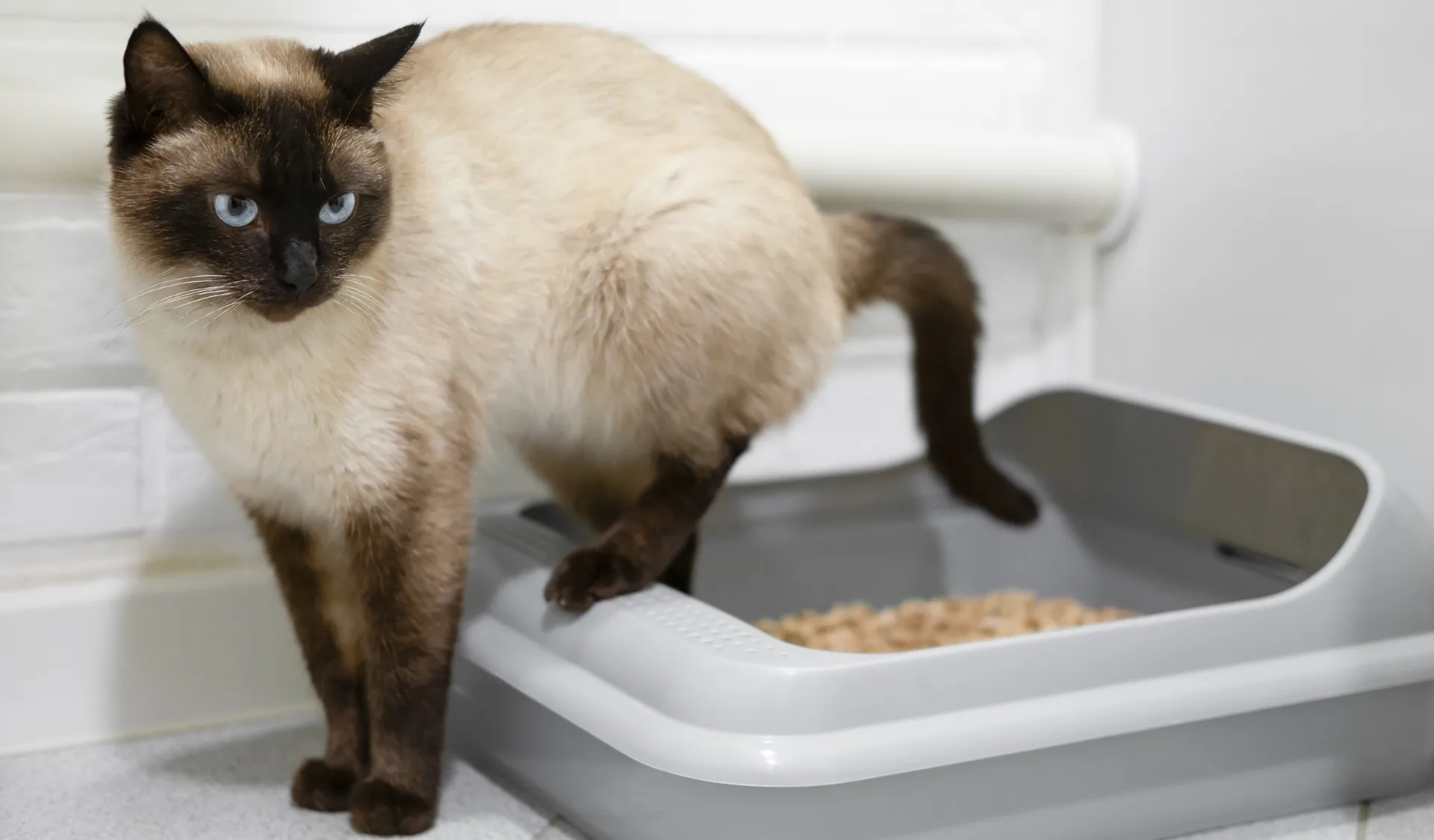
- Straining in the litter box with little or no result
- Crying or vocalizing while trying to defecate
- Hard, dry stools if any are passed
- Small amounts of liquid stool: this can look like diarrhea but is actually liquid leaking around a hard blockage
- Lethargy, reduced appetite, or vomiting
- Repeatedly visiting the litter box and coming away empty
One critical distinction: a cat straining in the litter box without producing anything may have a urinary blockage rather than constipation. A male cat especially, who is straining without producing urine or feces, is a veterinary emergency. Do not wait on that one: it can become life-threatening within hours. For a baseline on what normal litter box habits look like, the guide to how often cats should poop is a useful reference.
What causes constipation in cats
Understanding the cause helps you address the right problem rather than just treating the symptom.
Dehydration is the most common cause. Cats evolved to get most of their moisture from prey and have a low natural thirst drive: a cat eating mostly dry kibble may simply not drink enough to keep their stool adequately hydrated. This is why diet is often the first and most effective lever to pull.
Hairballs are a significant factor, particularly in longhaired breeds or cats who groom excessively. Ingested fur can bind stool and slow gut transit. Regular brushing reduces the amount of fur a cat swallows, and this alone can make a noticeable difference in cats with recurring constipation.
Low activity slows gut motility. Sedentary cats, particularly indoor-only cats who don't have much to stimulate movement, are more prone to constipation than active ones. This is one of the reasons exercise interventions work as a home remedy.
Litter box aversion is often overlooked. A cat who finds the litter box unpleasant (because it's dirty, badly positioned, or filled with a litter they dislike) may hold in defecation long enough to become genuinely constipated. The cause in this case is behavioral and environmental, not physiological.
Underlying health conditions are the concern for recurring constipation: kidney disease, diabetes, hyperthyroidism, and an enlarged colon (megacolon) all predispose cats to chronic constipation. A cat who becomes constipated regularly needs investigation, not just ongoing home management.
Home remedies for cat constipation
These approaches are appropriate for mild, first-time constipation in an otherwise healthy cat. They are not substitutes for veterinary care in severe or recurring cases.
Increase water intake
Switch to wet food or add warm water to dry kibble. A cat water fountain encourages drinking in most cats: running water triggers their instinct more effectively than a still bowl. Use wide, shallow bowls rather than deep ones; cats dislike their whiskers touching the sides. Place water bowls in several locations around the home rather than just beside the food bowl.
Pumpkin puree
Plain canned pumpkin (not pumpkin pie filling, which contains sugar and spices) is one of the most effective and commonly vet-recommended home interventions for mild constipation. Give one to two teaspoons mixed into wet food. The soluble fiber regulates gut motility in both directions, which is why it also helps with diarrhea. Most cats eat it without resistance.
Olive oil
Half a teaspoon of olive oil mixed into food acts as a mild lubricant laxative. Use occasionally, not daily. Mineral oil is sometimes suggested but carries an aspiration risk when given directly; stick to food-grade oils in small amounts added to food.
Exercise and movement
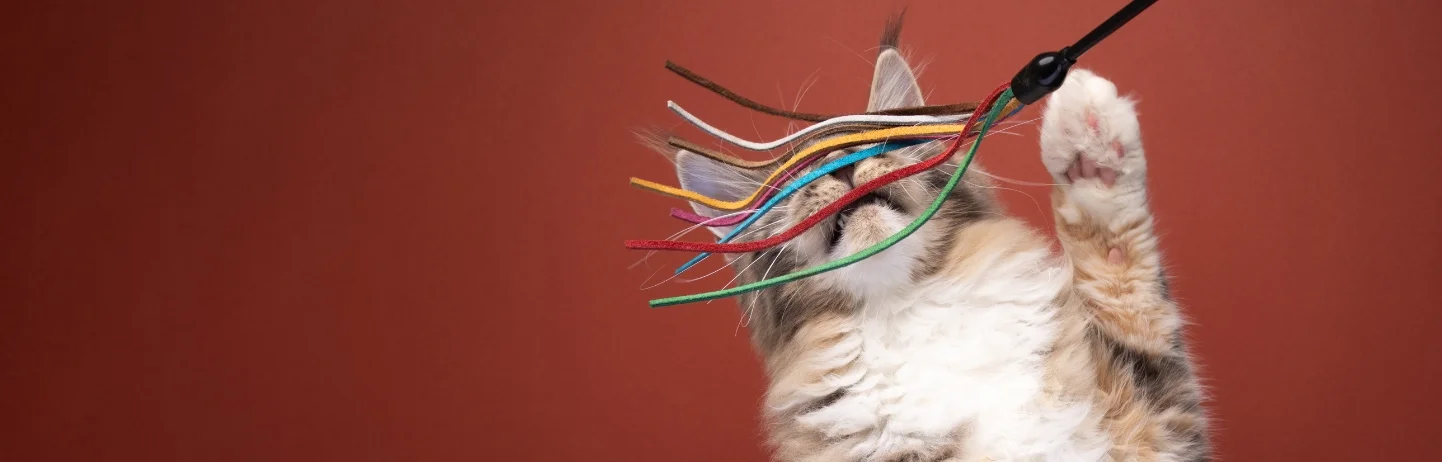
Ten to fifteen minutes of active play with a wand toy or laser pointer, twice a day, stimulates gut movement in a way that has no side effects and costs nothing. For sedentary cats, this alone can produce results. Daily brushing also reduces hairball-related constipation while providing the incidental movement and handling that keeps gut motility better regulated.
Psyllium husk fiber
A quarter teaspoon mixed into wet food can help with mild, infrequent constipation by drawing water into the colon and softening stool. Do not use if the cat isn't drinking adequately: fiber without hydration makes constipation worse, not better.
Check the litter box environment
Clean the box more frequently, try unscented litter, add a second box, or move it to a quieter location. A cat who is avoiding the litter box due to discomfort, smell, or noise will sometimes hold stool long enough to create genuine constipation from what started as a behavioral issue.
What not to give a constipated cat
- Human laxatives. Docusate sodium, senna, and most over-the-counter laxatives are toxic or dangerous to cats. Do not use them without specific veterinary instruction.
- Milk or dairy. Most cats are lactose intolerant. Dairy is more likely to cause diarrhea than relieve constipation, and creates a new problem.
- Enemas designed for humans. Some contain sodium phosphate, which is fatal to cats. Never use them.
- Mineral oil given directly. Aspiration risk makes this inappropriate for home use.
When to call the vet
Get veterinary help if:
- Your cat has not defecated in more than 72 hours
- Home remedies produce no improvement after 24 to 48 hours
- The cat is vomiting, refusing all food, or appears in pain
- There is blood in any stool produced
- A male cat is straining and producing nothing: this is an emergency, not a wait-and-see situation
- Constipation is recurring: a cat that becomes constipated regularly needs diagnosis, not ongoing home management
Veterinary treatment for constipation may include subcutaneous fluids for dehydration, a manual enema administered safely under anaesthetic, prescription laxatives, or prokinetic drugs that stimulate gut movement. Chronic constipation that progresses to obstipation or megacolon requires more significant intervention. The home remedies above are for mild, isolated cases.
Constipation during travel or when a pet sitter is involved
Cats are sensitive to change. A new carer, a different routine, or the stress of their owner being away can all trigger brief, stress-related constipation that resolves within a day or two once the cat settles. This is normal and generally not a cause for concern as long as it resolves.
If you're using a cat sitter while traveling, leave written notes on your cat's normal litter box frequency and what to watch for. A cat sitter who knows that your cat typically goes once a day will flag a 48-hour gap appropriately; one who isn't given that baseline may not notice until it becomes a problem. Include your vet's contact details and the nearest 24-hour emergency clinic in your sitter instructions: if a constipation episode progresses to straining or vomiting while you're away, the sitter needs to be able to act without waiting to reach you.
Frequently asked questions
1. How do you help a constipated cat?
For mild constipation in an otherwise healthy cat: switch to wet food or add water to their current food, offer one to two teaspoons of plain canned pumpkin mixed into a meal, and encourage movement with active play. Check that the litter box is clean and positioned somewhere quiet. If there's no improvement within 24 to 48 hours, or if the cat is straining, vomiting, or in visible discomfort, contact your vet rather than continuing with home remedies.
2. How can you tell if a cat is constipated?
The clearest signs are no feces in the litter box for 24 to 48 hours, straining or crying in the litter box, and hard, dry stool if anything is produced. Reduced appetite, lethargy, and vomiting can accompany constipation but also signal other conditions. Small amounts of liquid stool that look like diarrhea can actually be liquid leaking around a hard blockage: another sign constipation is present rather than absent.
3. How do you stimulate a cat to poop?
Active play for 10 to 15 minutes stimulates gut motility and is one of the most immediate things you can try. Warm food or adding warm water to their meal also encourages gut movement. Plain pumpkin puree mixed into wet food is a reliable short-term intervention. For kittens under four weeks, gentle abdominal stimulation from a warm damp cloth is sometimes necessary, a technique typically guided by a vet or experienced rescue worker rather than attempted by a first-time owner without instruction.
4. How do you unblock a constipated cat?
Mild blockages often respond to the home remedies above, increased hydration, wet food, pumpkin puree, and movement. Significant or complete blockages need veterinary intervention: subcutaneous fluids, an enema administered safely under sedation, or in severe cases of megacolon, surgical intervention. Do not attempt to manually relieve a blockage at home, and do not give human laxatives or enemas, which can cause serious harm or be fatal to cats.
5. Is cat constipation an emergency?
Mild constipation in an otherwise healthy cat that resolves within 48 hours with home care is not an emergency. A cat who hasn't defecated in more than 72 hours, who is vomiting, refusing food, or in visible distress, needs same-day veterinary attention. A male cat straining without producing urine is an emergency that requires immediate veterinary care: urinary blockages can become fatal within 24 to 48 hours if untreated.
6. How can I prevent my cat from getting constipated?
Wet food or a wet-dry mix is the most impactful long-term change for cats prone to constipation: it addresses the hydration deficit that underlies most cases. Daily brushing reduces hairball-related gut issues. Regular active play keeps gut motility healthy. Keeping the litter box clean and accessible removes behavioral reasons a cat might avoid using it. For cats with recurring constipation, a vet check to rule out underlying conditions is worth doing before assuming it's manageable at home indefinitely. 🐈
Most cat constipation is neither mysterious nor complicated, dehydrated cat, dry food, not enough movement. The home remedies work for that scenario. What they don't work for is a cat whose constipation keeps coming back, or one who has progressed past the point where dietary adjustments and exercise are enough. Knowing which situation you're in is the practical judgment call this condition requires.