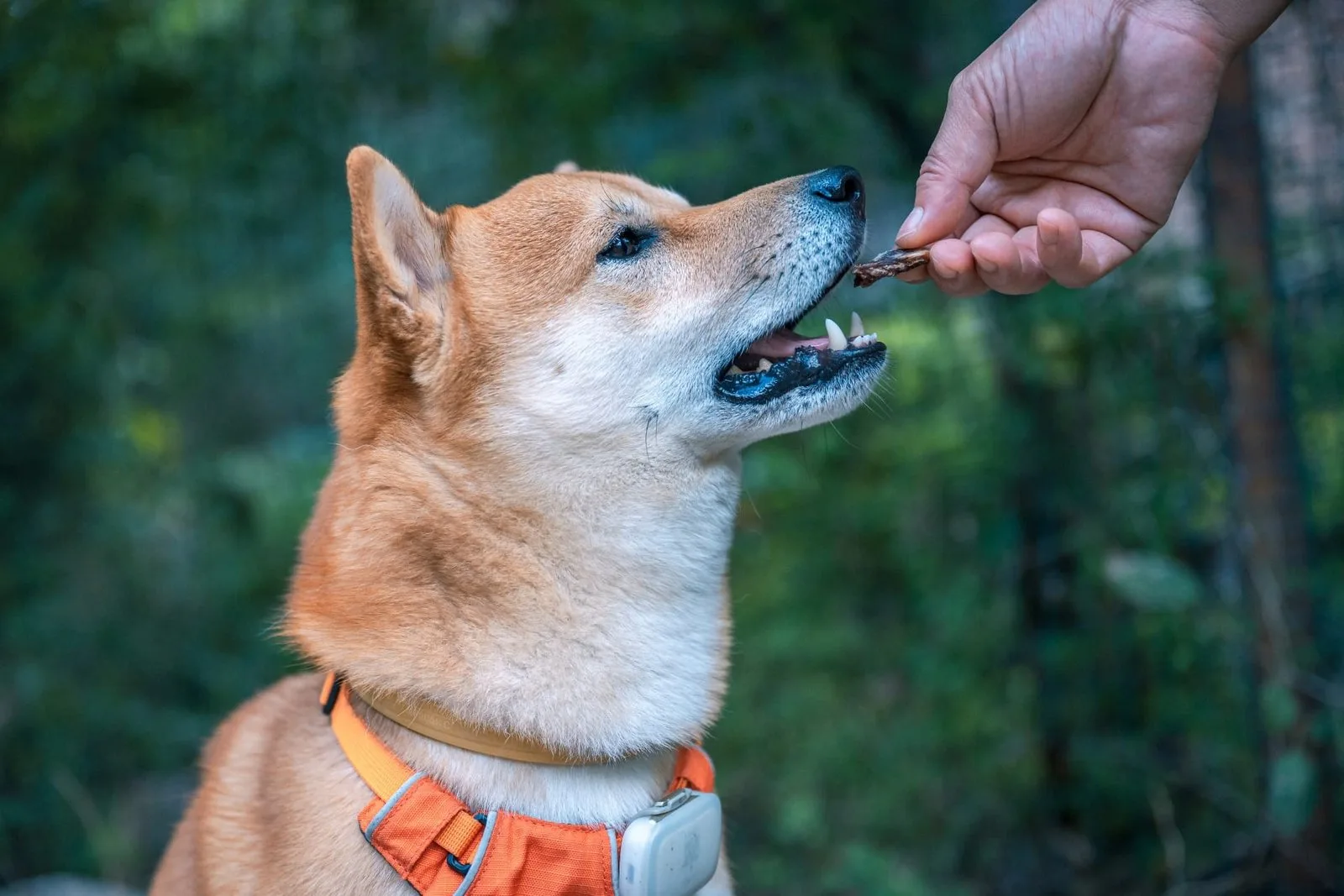
Freeze-dried treats have become one of the more talked-about categories in dog nutrition, which makes them worth understanding past the marketing. They are genuinely different from conventional treats in how they are made, but "freeze-dried" doesn't automatically mean healthy, and the category includes products ranging from single-ingredient raw meat to more processed formulations that just happen to use freeze-drying as the preservation method.
What the freeze-drying process actually does
Freeze-drying removes moisture from food at very low temperatures under vacuum pressure. Unlike cooking or dehydration, this process does not expose the food to high heat, which means proteins and temperature-sensitive nutrients are better preserved. The result is a shelf-stable product that rehydrates quickly and retains much of its original nutritional profile.
This is the meaningful difference between freeze-dried and conventional baked or extruded dog treats: the latter use heat in processing, which degrades some nutrients and typically requires the addition of preservatives for shelf stability. Freeze-dried treats achieve shelf stability through moisture removal rather than heat or chemical additives, which is why the nutrient retention argument holds up.
Are freeze-dried treats healthy for dogs
For most dogs, yes — provided the product is genuinely high-quality. Single-ingredient freeze-dried treats (chicken breast, beef liver, salmon, sweet potato) are about as nutritionally straightforward as a dog treat can be. They contain what the label says and nothing else.
Multi-ingredient products vary considerably. Some are excellent; others use freeze-drying to lend a health halo to formulations that include fillers, by-products, or more ingredients than necessary. The label tells you what you need to know: if the first ingredient is a named protein source and the ingredient list is short and recognizable, the product is likely what it claims to be.
Freeze-dried liver — beef or chicken — is worth a specific mention. It is extremely high-value for most dogs and very nutrient-dense, which makes it an excellent training treat. The density means it should be given in small amounts; liver is rich enough that large quantities cause loose stools.
Are freeze-dried treats safe for dogs
Generally, yes — with the same caveats that apply to any treat. Quality matters: products from established brands that source ingredients responsibly and conduct pathogen testing are a different proposition from bargain imports with unclear sourcing.
Many freeze-dried treats made from raw meat have undergone high-pressure processing (HPP) or equivalent pathogen reduction steps, which addresses the bacterial safety concern associated with raw meat. Check whether a brand uses HPP if bacterial contamination is a concern for your household — this is particularly relevant if there are immunocompromised people in the home or if the dog interacts closely with young children.
Portion size is the other safety consideration. Larger pieces can be a choking hazard for small dogs; break them appropriately. And regardless of how nutritionally excellent a treat is, treats exceeding 10% of daily caloric intake will unbalance the diet and contribute to weight gain over time.
Freeze-dried bones
Freeze-dried bones are less likely to splinter than cooked bones — the cooking process makes bones brittle in a way that freeze-drying does not — but they are harder and denser than soft chews and are not suitable for all dogs. Strong, healthy-toothed adult dogs that are supervised chewers are the right audience. Dogs with dental issues, older dogs with worn teeth, or small dogs who might attempt to swallow pieces whole are better served by softer freeze-dried options like meat chunks or liver pieces.
Choosing a quality product
The ingredient label is the most reliable filter. Single-ingredient products with no ambiguity are the easiest to evaluate. For multi-ingredient products, look for a named protein as the first ingredient, a short ingredient list, no artificial preservatives or colors, and ideally a sourcing statement or third-party safety certification.
Avoid products with vague descriptions — "meat meal," "animal protein," "poultry by-product" — especially as primary ingredients. These may not be harmful, but they provide less information about what your dog is actually eating. Among widely available brands, Stella & Chewy's, Orijen, and Vital Essentials are consistently cited positively in veterinary and nutritional assessments, though the field includes many other reputable options.
Homemade freeze-dried treats
Freeze-drying at home requires a dedicated machine, which is a significant upfront cost. The process works, and the results are genuinely good — you control every ingredient and can use high-quality proteins you source yourself. For most owners, however, the time, equipment cost, and batch limitations make it impractical as a regular approach. Dehydration is a more accessible alternative that produces a similar result without the equipment investment, though at slightly lower nutrient retention.
Using freeze-dried treats effectively
Freeze-dried treats are high-value for most dogs — the smell and texture register as notably rewarding — which makes them particularly useful for training, for building engagement in distracted environments, and as high-motivation rewards during challenging situations like vet visits or introducing new experiences.
Because they are high-value, they work well for dog walkers and pet sitters who need to establish a positive association quickly with a dog they don't know well. A dog sitter covering your dog's care while you travel should know which treats your dog receives, the size of the portions, and the 10% daily calorie limit — particularly if they plan to use treats during walks or training. This is worth including in your written sitter instructions rather than leaving it to judgment. Carry-ability and shelf stability make freeze-dried treats a practical choice for dog walkers specifically; they don't spoil in a treat pouch the way wet food or fresh meat would.
Frequently asked questions
1. Are freeze-dried treats better for dogs than regular treats?
For most dogs, freeze-dried single-ingredient treats are a better nutritional choice than conventional baked or extruded treats that use fillers, artificial additives, or lower-quality protein sources. The freeze-drying process preserves nutrients that heat processing degrades, and the minimal-ingredient profile of the best products removes the question of what else your dog is eating. That said, "freeze-dried" as a category label doesn't guarantee quality — the same ingredient evaluation that applies to any dog food applies here.
2. What should I look for in freeze-dried dog treats?
A named protein as the first and ideally only ingredient. A short ingredient list where every item is recognizable. No artificial preservatives, colors, or flavor enhancers. For raw meat products, confirmation that pathogen reduction (such as high-pressure processing) has been applied is worth checking if you have immunocompromised people in the household. Sourcing transparency — where the protein comes from — is an additional quality indicator that better brands provide.
3. How long do freeze-dried dog treats last?
Unopened, most freeze-dried treats last 12 to 24 months. Once opened, they are best used within one to two months and should be stored in a cool, dry place with the packaging resealed. Moisture is the main threat to shelf stability — exposure to humidity causes the product to rehydrate and deteriorate. Airtight containers or resealable bags extend the useful life of opened packages significantly.
4. Can puppies eat freeze-dried treats?
Yes, with appropriate adjustments for size and hardness. Very young puppies with developing teeth should have softer options like small pieces of freeze-dried chicken rather than dense bones or large chunks. The 10% calorie limit applies equally — puppies have higher caloric needs relative to body weight than adults, but that means proportionally small treat portions rather than more treats overall. Introducing any new food gradually allows you to identify any digestive sensitivity.
5. Are freeze-dried treats raw?
Many are — the ingredients are not cooked before or after freeze-drying. For products made from raw meat, reputable brands typically apply high-pressure processing (HPP) or equivalent pathogen reduction before packaging, which reduces bacterial risk without using heat. If a product is genuinely raw without any pathogen reduction step, this is worth knowing, particularly for households with young children or immunocompromised members who come into contact with the dog or its food surfaces.
6. How many freeze-dried treats can I give my dog per day?
Treats — including high-quality ones — should make up no more than 10% of your dog's total daily caloric intake. For a typical medium-sized dog eating around 1,000 calories per day, that's approximately 100 treat calories. Because freeze-dried treats are often calorie-dense (liver and meat particularly), this limit is reached with fewer pieces than owners often expect. If you're using treats heavily for training or if a dog walker or pet sitter is also giving treats during their visits, the combined total should still stay within the 10% guideline. 🐕
Freeze-dried treats are a genuinely good option when chosen carefully and used in appropriate quantities. The meaningful advantages — minimal processing, nutrient retention, no artificial preservatives, high palatability — are real. So is the need to evaluate labels rather than assuming the format guarantees quality. Read the ingredient list, stay within the treat budget, and they are a straightforward addition to most dogs' diets.