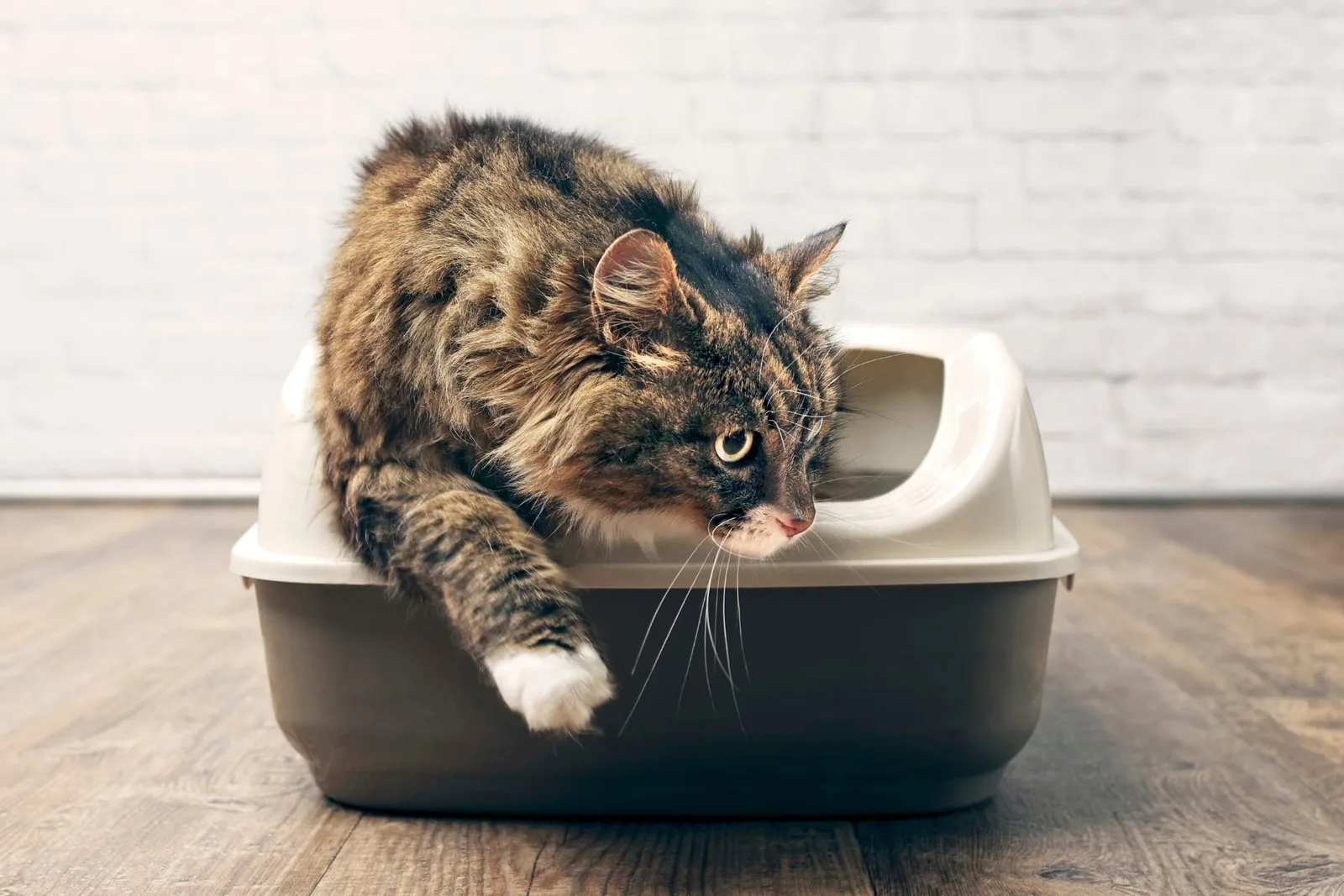
If you are tired of hauling heavy bags or coughing through clouds of clay dust every time you top up the litter box, tofu cat litter is worth a serious look. Made from the fibrous byproduct of soybean processing, it is a natural, biodegradable alternative to clay and silica that has been popular in Asia for years and is gaining ground in Europe and North America. This article covers what it is, what it does well, where it falls short, and how to switch without a protest from your cat.
What is tofu cat litter?
Tofu litter starts with okara, the pulp left over after soybeans are pressed to make soy milk. That pulp is dried and compressed into small pellets or granules. Some brands add green tea extract or activated charcoal for extra odor control. No synthetic chemicals, no mined clay - just a plant-based material that absorbs moisture and clumps loosely when wet. The pellets break down in water rather than forming a hard clay clump. That is what makes some brands flushable, though pipe age and local regulations still apply. Our guide to flushing tofu litter explains when it is safe and when to skip it.The main advantages of tofu cat litter
Virtually no dust
Pouring clay litter can feel like setting off a small dust explosion. Tofu litter produces far less airborne particulate. That matters for owners with asthma or dust sensitivity, and it matters even more for cats with respiratory issues, who inhale everything that comes off the box during digging.Odor control that holds up
Tofu pellets absorb moisture quickly, which traps odor before it escapes. Most owners find it keeps the litter box area fresh for 24 to 48 hours between scoops without needing heavily scented additives. For households where the litter box is in a small or shared space, that makes a real difference.Non-toxic if your cat is a nibbler
Some cats take an occasional bite of litter, especially kittens. Clay litter can clump inside a cat's digestive system if swallowed; tofu litter is made from food-grade soybean material and passes through without causing harm in small amounts. It is not something to encourage, but it removes a genuine safety concern. Our guide on tofu cat litter safety covers this in more detail.Lightweight and biodegradable
A 6-liter bag of tofu litter weighs around 2.5 to 3 kg, compared to the equivalent in clay, which is often twice that. Easier to carry home and easier on the bin when disposal time comes. Because it is plant-based, it breaks down in landfill rather than sitting inert for decades the way clay does.The main disadvantages of tofu cat litter
Higher cost per bag
A 6-liter bag of tofu litter typically costs more than a comparable bag of clay. The premium comes partly from sustainable production costs and partly from the smaller market size in English-speaking countries. Buying in bulk or subscribing for regular deliveries brings the per-bag cost down. Our article on saving money on tofu cat litter has specific options.Softer clumps
Tofu clumps form when the pellets absorb liquid, but they are softer and more fragile than the hard chunks you get from premium clay. They can break apart if you scoop aggressively. A gentle technique with a wide slotted scoop handles this well for most cats. For heavy users, the clumps can degrade more quickly. Our article on tofu litter disadvantages covers the trade-offs in full.Cats sometimes resist the switch
Cats that are used to clay will notice the different texture and smell of tofu litter. Some accept it without any fuss; others stage a quiet refusal by choosing any spot other than the litter box. The transition matters: mix 25% tofu into the existing litter for the first week, shift to 50/50 in the second, and move to mostly tofu by week three. Going cold turkey rarely works.How it compares to clay and silica
Clay is cheaper and forms harder clumps, but it produces dust, is mined from the earth, and is not safe if swallowed in quantity. Silica gel litter has excellent odor control and needs less frequent full changes, but it costs more per bag and is not biodegradable. Tofu sits between them: better than clay for safety and environmental impact, better than silica for cost and compostability, behind clay for clump hardness and behind silica for long-term odor suppression. For a direct breakdown of each factor, our tofu vs clay comparison goes through cost, safety, and performance in detail.What your cat sitter needs to know about tofu litter
When you book a cat sitter - for drop-in visits, a house sitting stay, or a longer boarding arrangement - the type of litter in your home is one of the details that often gets left out of the handover. Most cat sitters have worked with clay litter and will default to what they know. Tofu litter has different handling and disposal habits, and a quick note before your trip saves confusion. Tell your cat sitter:- The litter clumps softer than clay - scoop gently with a wide, flat scoop
- Whether you prefer flushing small clumps or bagging and binning
- Where the spare litter is and how much to top up after each scoop
- How often to scoop (daily) and when to do a full box change
How long does a bag of tofu litter last?
For one cat with daily scooping, a standard 6-liter bag typically lasts around four weeks. Multi-cat homes go through more - two cats sharing a box might use a 10-liter bag in two to three weeks. For a detailed breakdown by household size, our guide to how long tofu litter lasts covers all the variables.How to switch your cat to tofu litter
A gradual mix over two to three weeks is the standard approach. Start with roughly 25% tofu blended into your current litter. After a week, shift to 50/50. By week three, move to mostly tofu and then fully tofu. Watch your cat at each stage - if they start avoiding the box, slow the transition. Most cats adapt without issue given enough time. For a broader look at sustainable litter options beyond tofu, our eco-friendly cat litter guide compares wood, paper, corn, and other plant-based alternatives.Frequently asked questions
1. Is tofu cat litter better for cats than clay?
For most cats, yes. Tofu litter is dust-free, non-toxic if nibbled, and soft on paws. Clay litter produces significant dust, can clump inside a cat's digestive system if ingested, and has a grittier texture that some cats dislike. If your cat has respiratory sensitivity or a tendency to eat litter, tofu is a safer choice.
2. What is tofu cat litter made from?
Tofu litter is made from okara, the fibrous pulp left over after soybeans are processed into soy milk or tofu. The material is dried and compressed into pellets. Some brands add green tea extract or activated charcoal. No synthetic chemicals are used in production, and the material is food-grade.
3. What are the main disadvantages of tofu cat litter?
The three most common complaints are the higher price compared to clay, the softer clumps that can break apart during scooping, and the tendency for pellets to track outside the litter box on a cat's paws. Each has a practical fix: bulk buying for cost, gentle scooping for clumps, and a litter mat at the box entrance for tracking. Our disadvantages article covers all four main cons.
4. Is it okay if my cat eats tofu cat litter?
A small nibble is not an emergency. Tofu litter is made from food-grade soybean material and passes through in small amounts without causing blockages. If your cat is eating litter regularly, that can signal a nutritional gap, boredom, or a health issue worth a vet visit. Occasional tasting is common in kittens learning the box.
5. How long does a bag of tofu cat litter last?
Around four weeks for one cat with daily scooping from a standard 6-liter bag. Multiple cats, larger boxes, or irregular scooping all shorten the lifespan. A detailed breakdown by scenario is in our tofu litter duration guide.
6. Can kittens use tofu cat litter? 🐾
Yes. The soft texture and non-toxic ingredients make tofu litter a good choice for kittens learning to use the box. It is gentler on small paws than clay and safer if they eat a few pellets out of curiosity, which is common in young cats. If your kitten takes to licking or eating litter frequently, mention it to your vet at the next checkup.
Tofu cat litter costs more upfront, but the absence of dust, the non-toxic ingredients, and the smaller landfill footprint are real advantages. For most cats and most homes, the trade-off is worth it - particularly once you find a brand your cat accepts and a routine that makes the bag last.