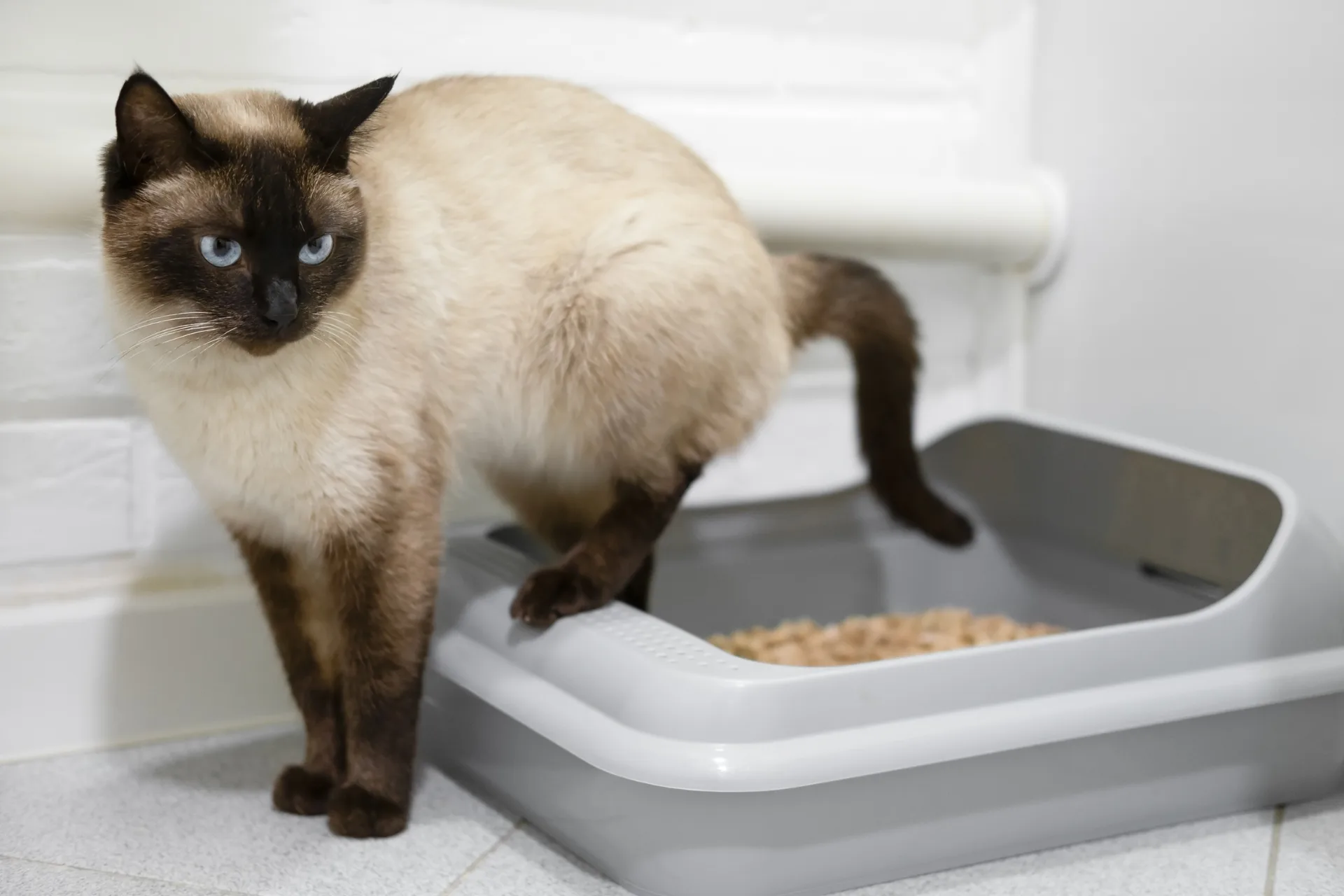
Traditional clay litter is cheap, widely available, and has been the default for decades. It is also dusty, strip-mined from the earth, and sits in landfill indefinitely without breaking down. Eco-friendly alternatives address all three of these problems, and in many cases they perform better on the metrics cat owners actually care about: odor control, clumping, and ease of scooping.
This guide covers the main eco-friendly litter types, how they compare across the factors that matter most, and how to choose the right one for your cat's preferences and your household setup.
Why eco-friendly cat litter is worth considering
Clay litter's main problem isn't just environmental. Silica dust from clay litter is a respiratory irritant for cats and for the people who scoop it: cats living at ground level have their faces near the litter box every day. Many clay litters also contain sodium bentonite, which can be harmful if ingested in quantity. Cats are fastidious groomers; anything that sticks to their paws makes it into their mouth.
Eco-friendly litters made from plant-based materials (soybeans, corn, wood, paper) are naturally low-dust, non-toxic if ingested in small amounts, and they break down after disposal. The trade-off has historically been cost, but bulk purchasing and subscriptions have narrowed that gap considerably for the best-performing options.
Types of eco-friendly cat litter
Tofu cat litter
Made from soybean residue, a byproduct of tofu production, this is the highest-performing eco-friendly litter for most households. It clumps firmly around urine, controls odor through moisture absorption rather than chemical masking, and produces minimal dust. It is non-toxic if ingested in small amounts, biodegradable, and some varieties are rated flushable (confirm with your plumbing before committing to this).
The main drawback is price: tofu litter typically costs $10 to $20 for 6 to 10 litres, compared to $5 to $10 for clay. Bulk purchasing reduces the per-use cost significantly. For a full breakdown of what this litter does well and where it falls short, the tofu cat litter guide covers pros and cons in detail, alongside a direct comparison with clay and notes on safety considerations.
Wood-based litter
Wood litters (most commonly pine, though cedar and other species are used) come in pellet or granule form. They absorb moisture effectively and produce a natural woody scent that controls odors well initially, though the scent dissipates faster than tofu or corn. Pellets feel different underfoot than the fine-grain texture cats often prefer, which means some cats reject them. Wood litter is biodegradable, typically compostable, and generally less expensive than tofu.
The clumping behavior of wood litters varies by brand and formulation: pellets tend to break down into sawdust when wet rather than clumping firmly, which means you scoop sawdust and need to replace the whole box more frequently. For owners in rural areas who can compost, wood litter is a practical low-cost option. For urban apartments, the lack of clumping and the paw-feel issues tend to make it less popular as a primary litter.
Corn litter
Corn litter uses ground maize kernels to produce a fine-textured, clumping litter. It performs comparably to tofu for odor control and is typically cheaper, $8 to $15 per bag. Most cats accept the texture readily because it is closer to fine-grain clay than wood or paper options. Many corn litters are rated flushable in small quantities.
Corn litter tends to track more than tofu: fine particles stick to paws and appear outside the litter box more readily. In humid climates, there have been reports of aflatoxin mold developing in corn litters stored improperly, so storage in a dry, sealed container matters more than with other litter types. For odor control and budget, corn is the strongest alternative to tofu.
Paper litter
Made from recycled newspaper or cardboard, paper litter is the softest and lowest-dust option available. It is the recommended litter for post-surgical recovery or for cats with sensitive or injured paws, and it is gentle for kittens. Absorption is strong but clumping is absent: the whole box needs replacing more frequently, which increases waste and ongoing cost despite the low purchase price.
Odor control is paper litter's weakest area. It absorbs moisture but does not lock in ammonia smell the way tofu or corn do. For cats with health conditions requiring a specific litter or for temporary use during recovery, paper litter is the right choice. As a permanent primary litter for a healthy cat in a multi-use home, the odor performance tends to be limiting.
Other options
Wheat litter clumps well and controls odors through natural enzymes in the grain, but it can produce more dust than other eco options and is less widely available. Walnut shell litter is dark-colored and highly absorbent but may leave staining on light-colored paws. Grass and coconut husk litters are newer categories with limited distribution. All of these are genuinely biodegradable alternatives to clay and worth testing if the main options don't suit your cat.
How eco-friendly litters compare
Odor control: Tofu and corn lead, both absorbing moisture rapidly and containing ammonia smell effectively. Wood is adequate initially but fades faster. Paper performs least well; daily box changes are often necessary to compensate.
Clumping: Tofu clumps softly and firmly. Corn clumps tightly. Wheat clumps variably. Wood and paper do not clump: these require full box replacement rather than scooping.
Dust: Tofu and paper are lowest-dust. Corn and wheat can produce more. Wood pellets produce dust as they break down when wet.
Cat acceptance: Fine-grain textures (corn, tofu) are most easily accepted by cats transitioning from clay. Pellet formats (wood) often require a longer adjustment period. Paper is accepted readily due to its softness.
Cost: Paper and wood are cheapest. Corn is mid-range. Tofu is most expensive per bag but is cost-competitive when purchased in bulk. See the tofu litter disadvantages guide for an honest look at where cost remains a real consideration.
Environmental impact: All eco-friendly litters are substantially better than clay. Tofu, corn, and wheat can be composted; wood is compostable when not contaminated with waste; paper is recycled and recyclable in clean form. How long the litter lasts per bag affects the real-world environmental footprint alongside the material itself.
How to choose the right eco-friendly litter
Start with your cat's texture preference. Cats who are currently on fine-grain clay are most likely to accept corn or tofu without a transition period. Cats who have used pellet litter before will adapt to wood more readily. If your cat is post-surgery or has sensitive paws, paper is the clinical recommendation regardless of other factors.
Consider odor priorities. Multi-cat households or apartments with limited ventilation benefit most from high-performing odor control, tofu or corn. Single-cat homes with good ventilation may find wood adequate.
Match storage and budget to the litter type. Corn litter should be stored in a dry, sealed container in humid climates. Wood litter can be stored more loosely. Tofu stores well in a cool, dry space and bags last longer per cat per month with daily scooping than wood or paper equivalents, which affects the real cost over time.
Switching from clay to eco-friendly litter
Cats resist abrupt changes to their litter box. A transition over 10 to 14 days produces better results than a sudden switch. Start with 25% new litter mixed into 75% existing litter, increasing the proportion of new litter every few days. If your cat stops using the box, slow the transition: the change is happening faster than the cat is comfortable with.
If you're leaving a cat with a pet sitter during the transition period, note in your instructions exactly which litter brand and ratio is currently in the box. A sitter who tops up with the wrong litter or switches to whatever's convenient can stall a transition that was going well. Include the brand name, the current mixing ratio, and where to buy more in your written sitter notes: this is one of those small specifics that prevents a behavioral issue from developing during your absence.
Frequently asked questions
1. What is the most environmentally friendly cat litter?
All plant-based litters are significantly better than clay, which is strip-mined and does not biodegrade. Among the eco options, tofu and corn litter are compostable, often flushable in small amounts, and produced from agricultural byproducts rather than virgin materials. Paper litter uses recycled material, which is also a strong environmental credential. The most environmentally friendly choice in practice also depends on how efficiently the litter is used: a clumping litter that lasts longer per bag produces less waste than a non-clumping litter requiring frequent full replacement.
2. What cat litter changes color to detect UTIs?
Several products use pH-indicator dyes that change color when they come into contact with urine outside the normal pH range, which can signal a urinary tract issue. These include dedicated diagnostic litters like those from Petnostics and some brands that incorporate color indicators into standard litter. They are most useful as a monitoring tool for cats with a history of urinary problems. Color-changing litters are typically not eco-friendly formulations, most use silica or clay, so they function as a diagnostic tool rather than a permanent primary litter.
3. Is eco-friendly cat litter safe for cats?
Yes. Tofu, corn, wood, and paper litters are all non-toxic to cats in the quantities likely to be ingested during normal grooming. This is a meaningful advantage over clay litters containing sodium bentonite, which can cause intestinal blockage if ingested regularly. The low-dust formulations of most eco litters also reduce respiratory irritation for both cats and the people who scoop. For specific safety information on the most popular option, the tofu cat litter safety guide covers what the research shows.
4. How do I switch my cat from clay to eco-friendly litter?
Gradually. Mix 25% new litter with 75% existing litter for the first three to four days, then move to 50-50 for another few days, then 75% new, then fully new. The transition typically takes 10 to 14 days. If your cat avoids the box at any point, slow down: the change is happening faster than the cat is comfortable with. Going back a step for a few days and progressing more slowly almost always resolves the issue.
5. Can I flush eco-friendly cat litter?
Some tofu and corn litters are marketed as flushable, but flushing any cat litter carries a risk of pipe blockage if done in large volumes, and some water treatment systems are not designed to handle cat waste. Cat feces can also carry Toxoplasma gondii, a parasite that is harmful to marine life and not eliminated by standard water treatment. Small amounts of tofu litter flushed occasionally are generally low-risk, but this shouldn't be the default disposal method for large quantities. Check your plumbing type and local sewage guidelines before adopting this approach routinely.
6. Which eco-friendly litter works best for multiple cats?
Tofu or corn, both for odor control and clumping performance. Multi-cat households generate more waste and more ammonia buildup, which puts more pressure on the litter's odor management. Non-clumping litters (wood, paper) require complete replacement much more frequently in multi-cat homes, which increases cost and effort. A rule of thumb for any litter setup: one litter box per cat, plus one additional, with daily scooping. 🐈
The shift from clay to an eco-friendly litter is one of the easier positive changes a cat owner can make: it's better for the cat, better for the home environment, and better for the planet, and the performance of the best options now genuinely matches or exceeds what clay delivers. The main variable is finding which texture and format your specific cat accepts, which usually takes no more than two weeks to establish.