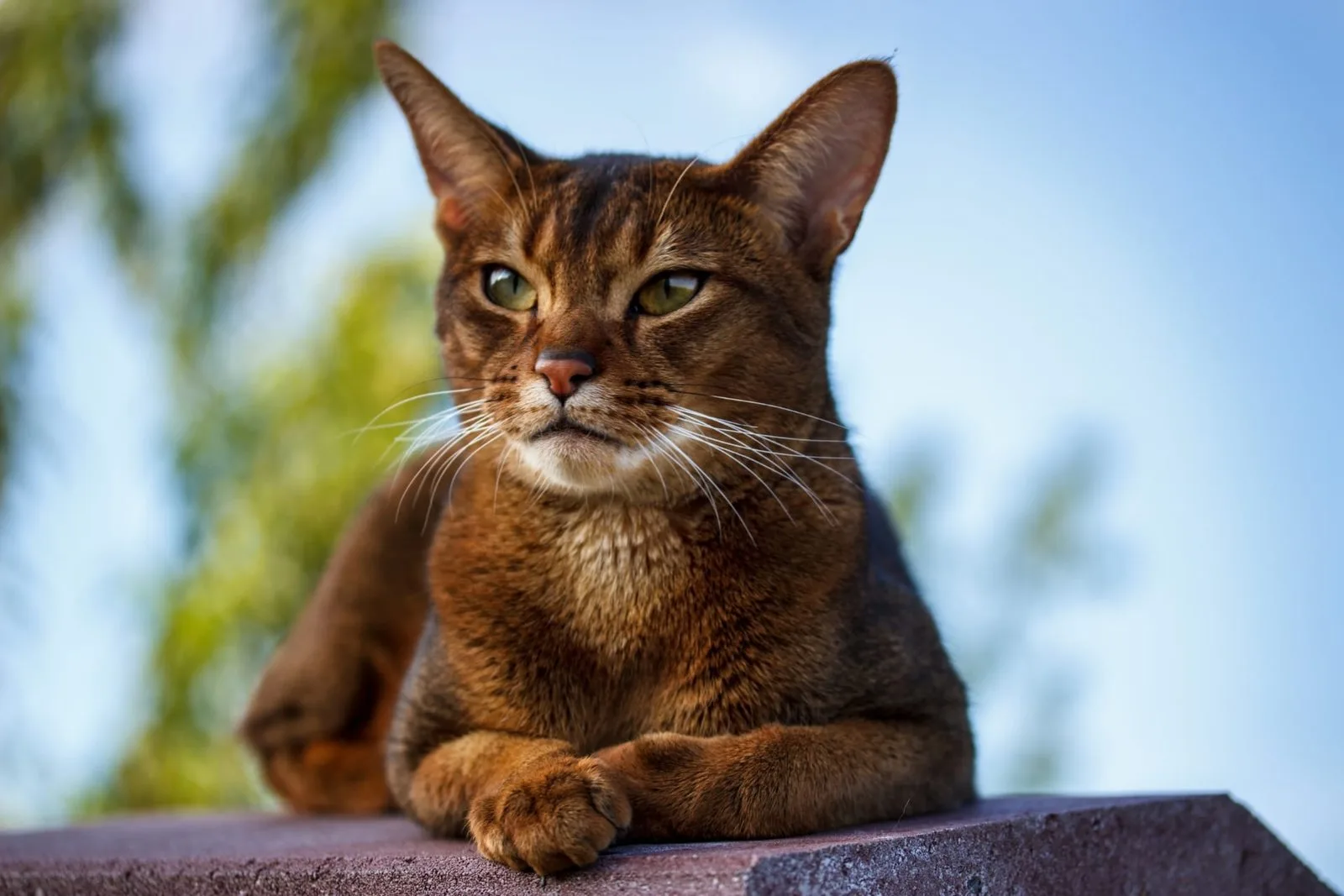
Few cats make a first impression like a Maine Coon. They are enormous by domestic-cat standards, with tufted ears, a plumed tail, and a long shaggy coat, yet their character is the opposite of aloof. Maine Coons are famous for being social, gentle, and almost dog-like, which is exactly why demand for the breed keeps climbing. This guide covers how big they really get, what they are like to live with, and the grooming, health, and cost realities that most breed roundups skip.
If you are comparing cat breeds, the guides to the Sphynx, the Abyssinian, and the range of black cat breeds cover very different temperaments and coats.
How big do Maine Coons get?
Maine Coons are one of the largest domestic breeds. Males typically weigh 18 to 25 pounds and females 10 to 14 pounds, and the longest individuals stretch over three feet from nose to tail tip. They also mature slowly, reaching full size at three to four years rather than the twelve months most cats take. A young Maine Coon that already seems big is usually nowhere near finished growing.
Their size is worth planning for. A Maine Coon needs a large, sturdy litter box, a scratching post tall enough to stretch fully, and food and water bowls sized for a bigger animal. Cat trees and carriers built for an average cat are often too small.
Maine Coon personality and temperament
The gentle giant reputation is well earned. Maine Coons are sociable, easygoing, and patient, and they tend to bond with the whole household rather than fixate on one person. Many behave in distinctly dog-like ways: following you from room to room, greeting you at the door, playing fetch, and holding conversations in the soft chirps and trills the breed is known for instead of a standard meow.
That temperament makes them one of the better family cat breeds. They generally tolerate children and cope well with other cats and with dogs, particularly when introduced young. They enjoy company but are not usually clingy, which is part of why they fit busy homes. If you want a cat that ignores you, this is not the breed.
Grooming a Maine Coon's coat
The long, water-resistant double coat is the Maine Coon's signature and its main maintenance task. Brush two to three times a week normally, and daily during the heavy seasonal sheds in spring and autumn, to keep the coat from matting. Mats form fastest behind the ears, in the armpits, and around the belly and hindquarters, so pay those areas extra attention.
Regular brushing does more than prevent tangles. It reduces hairballs, spreads healthy skin oils, and gives you a weekly chance to check for lumps, parasites, or skin problems. Introduce grooming while the cat is young, keep sessions short and positive, and an adult Maine Coon will accept the routine rather than fight it.
Feeding a Maine Coon
A cat this size eats more than an average cat, so budget for it. Feed a high-quality, protein-rich food and measure portions to the cat's weight and activity, because Maine Coons can carry extra pounds that strain their joints and heart. Because they grow slowly, many do well on a large-breed or kitten formula for longer than other cats. Fresh water should always be available, and a wide or fountain-style bowl suits their size.
Maine Coon health problems
Maine Coons are generally robust and often live 12 to 15 years, but the breed carries a few genetic conditions worth knowing before you buy. A responsible breeder screens their cats and shares the results.
- Hypertrophic cardiomyopathy (HCM): the most common concern, a thickening of the heart muscle. Annual vet checks with heart screening are important, even in a cat that seems healthy.
- Hip dysplasia: more common in large, heavy cats and can affect mobility with age.
- Spinal muscular atrophy (SMA): a genetic condition affecting the muscles, which DNA testing can identify in breeding lines.
- Polycystic kidney disease: less common but part of what good breeders test for.
See a vet promptly if your Maine Coon shows fast or labored breathing, sudden weakness or wobbliness in the back legs, or a clear drop in appetite or energy. Those signs can point to a heart or joint problem that is far easier to manage when caught early.
What a Maine Coon actually costs
A Maine Coon kitten from a reputable breeder who health-tests their cats usually costs $800 to $2,000, with show and breeding lines running higher. Adopting through a breed rescue costs far less and is worth exploring. The purchase price, though, is only the start.
Ongoing costs run above an average cat's. A large cat eats more food, needs grooming tools and the occasional professional groom, and benefits from annual heart screening on top of routine vet care. Travel adds another line most guides ignore: when you go away, a big, routine-loving cat is best cared for at home. In-home cat sitting through drop-in visits typically runs about $20 to $35 per visit in the US, which keeps your cat in its own space rather than boarding it somewhere unfamiliar. If a serious problem like an HCM episode ever happens during a booked stay, the Petme Protection Plan may contribute to eligible vet costs up to $22,000, which is real reassurance for a breed with a known heart risk.
Is a Maine Coon right for you?
A Maine Coon suits a home that wants an affectionate, interactive cat and can handle the coat and the cost. They are excellent with families, forgiving of children, and sociable with other pets, but they need weekly grooming, more food, and annual heart monitoring, and they take up real space. If you travel often, factor in reliable in-home care so a social cat is not left alone for long stretches. Meet the grooming and health commitments and you get one of the most rewarding, characterful cats you can own.
Finding a sitter for a Maine Coon
Most cats are easy to sit for, but a large, long-haired breed benefits from a little extra care. Look for a cat sitter who is comfortable handling a big cat, can keep up light brushing on a longer stay to prevent mats, and knows the warning signs of a breathing or mobility problem. On Petme you can read reviews from other cat owners, message sitters about their experience with large or long-haired breeds, and set up a meet and greet before you book. Leave written notes on feeding amounts, the brushing routine, and your vet's details, and a good sitter will treat them as essential rather than excessive.
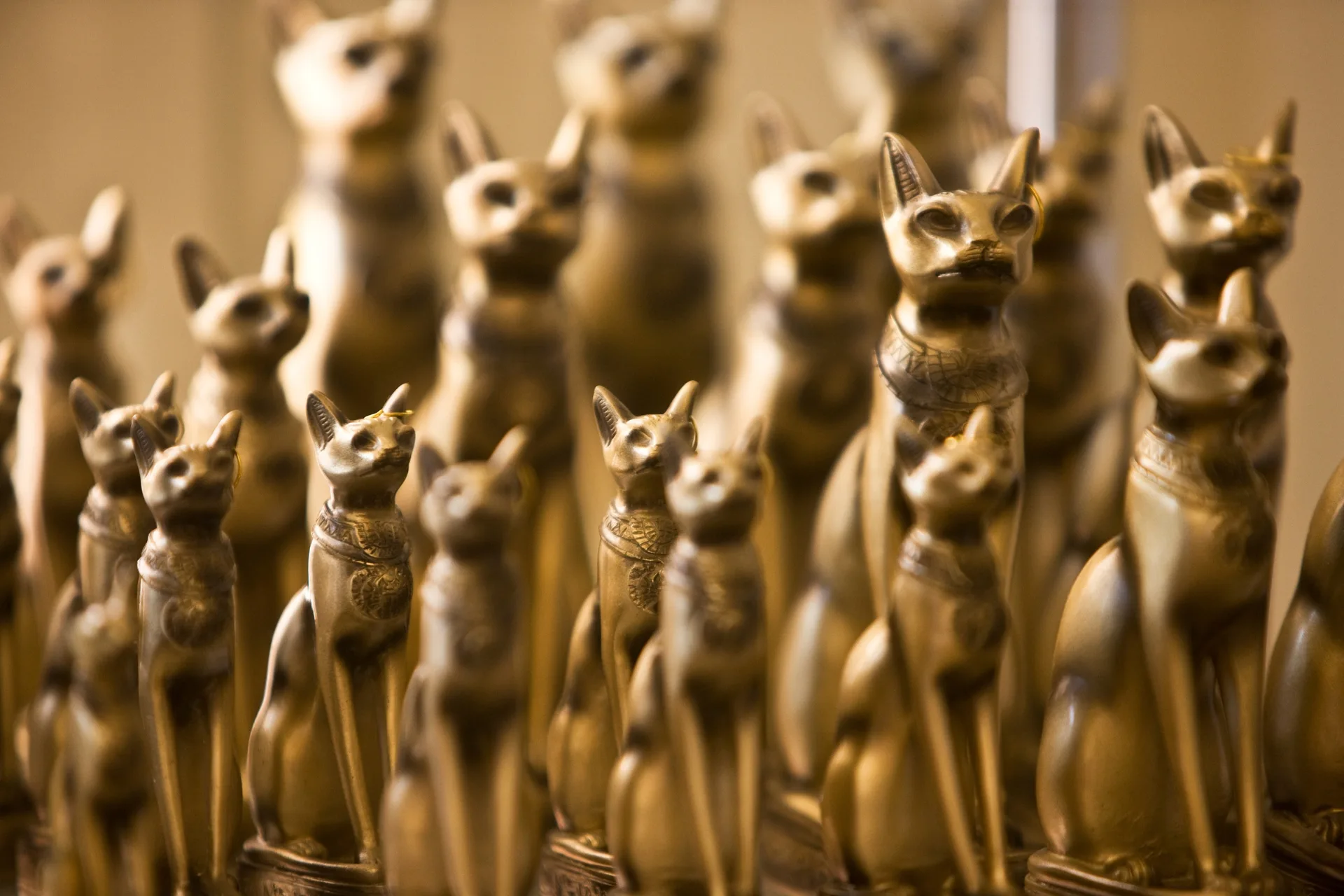
If a grand cat calls for a grand name, the Egyptian cat names guide has plenty that suit a gentle giant.
FAQs: Maine Coon questions answered
1. How big do Maine Coons get?
Male Maine Coons usually weigh 18 to 25 pounds and females 10 to 14 pounds, making them one of the largest domestic cat breeds. Nose to tail they can stretch over three feet. They grow slowly and do not reach full size until three to four years old, so a lanky young Maine Coon still has a lot of filling out to do.
2. Are Maine Coons good family cats?
Yes. Maine Coons are known as gentle giants: sociable, patient, and tolerant of children and other pets, which makes them one of the best family cat breeds. They are affectionate without being clingy and often bond with the whole household rather than one person. Their dog-like nature means many enjoy games of fetch and following you room to room.
3. How much grooming does a Maine Coon need?
A Maine Coon needs brushing two to three times a week, and daily during heavy seasonal shedding, to prevent mats in its long double coat. The areas behind the ears, under the legs, and around the belly tangle fastest. Regular grooming also cuts down on hairballs and lets you check the skin, and starting the routine young makes an adult cat far more cooperative.
4. What health problems do Maine Coons have?
Maine Coons are prone to a few genetic conditions, most importantly hypertrophic cardiomyopathy (HCM), a heart-muscle disease, along with hip dysplasia and spinal muscular atrophy. Reputable breeders screen their cats for these. Book a vet promptly if you notice fast or labored breathing, sudden weakness in the back legs, or a drop in appetite or energy, as these can signal a heart or mobility problem.
5. How much does a Maine Coon cost?
A Maine Coon kitten from a reputable, health-testing breeder usually costs $800 to $2,000, and more for show or breeding lines. Adoption through a rescue is far cheaper. Ongoing costs run higher than for an average cat because a large cat eats more, needs grooming tools, and benefits from annual heart screening, plus in-home cat sitting when you travel.
6. Can Maine Coons be left alone while I travel?
Maine Coons tolerate being alone better than very needy breeds, but as social cats they should not be left for a full weekend without care. For trips, in-home drop-in visits keep them in their own territory with fresh food, water, litter, and some company, which suits a large, routine-loving cat far better than a stay in an unfamiliar place. 🐱
The Maine Coon rewards the extra brushing, the bigger food bowl, and the annual heart check with a cat that behaves more like a devoted dog than an aloof feline. Go in knowing the size, the grooming, and the true cost, and a gentle giant is one of the most rewarding cats you can bring home.