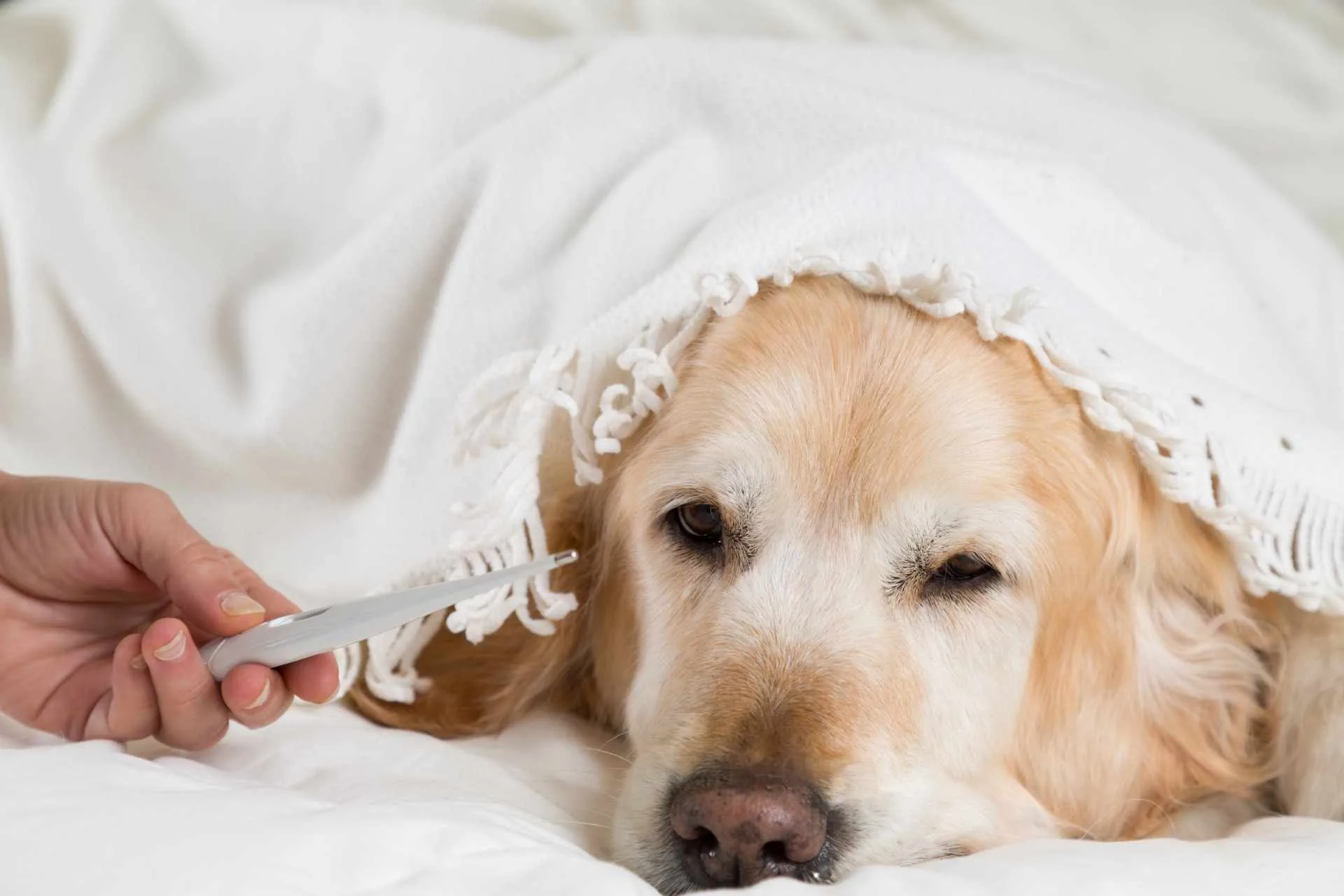
That sudden, alarming honk that sounds like something is stuck in your dog's throat is the classic sign of kennel cough. It is common, it spreads fast wherever dogs mix, and in most healthy dogs it is more unpleasant than dangerous. Knowing what it looks like, when it needs a vet, and how it spreads is what helps you treat it calmly and keep it from moving through every dog your dog meets. For another common way dogs show they are unwell, the guide to why dogs vomit covers when to worry.
What is kennel cough?
Kennel cough, known medically as infectious tracheobronchitis, is an inflammation of the windpipe and airways caused by a mix of highly contagious organisms. The bacterium Bordetella bronchiseptica and the canine parainfluenza virus are the usual culprits, often together, and several other viruses can be involved. It spreads through airborne droplets when a dog coughs, through direct nose-to-nose contact, and through shared surfaces like water bowls and toys. Signs typically appear anywhere from two to fourteen days after exposure.
The name comes from how readily it spreads in places where dogs gather, but a boarding kennel is far from the only source. Daycare, dog parks, grooming salons, training classes, shelters, and even a busy sidewalk can all pass it along.
Signs of kennel cough
The standout sign is the cough itself: a strong, dry, honking sound, sometimes ending in a gag or a retch that brings up a little white foam. It is often mistaken for choking. A few other signs may appear alongside it.
- A persistent, forceful cough that worsens with excitement, exercise, or pressure on the throat from a collar.
- Gagging or retching, sometimes producing white foam, which owners often mistake for vomiting.
- Mild nasal or eye discharge.
- Occasional reverse sneezing or a snorting sound.
The important detail is that a dog with straightforward kennel cough is usually otherwise well: bright, eating normally, and keen to play between coughing fits. When that is not the case, it is a signal to look closer.
When to see the vet
Many mild cases can be managed at home with rest, but some dogs need veterinary care, and a few need it quickly. Call your vet if your dog shows any of the following.
- Lethargy, loss of appetite, or a fever alongside the cough.
- Fast, labored, or wheezing breathing, or gums that look pale or blue-tinged, which need urgent attention.
- A cough that lasts longer than one to two weeks or is clearly getting worse rather than better.
- Any cough in a puppy, a senior dog, a pregnant dog, or a dog with an existing heart or lung condition, since these dogs are more likely to develop pneumonia.
If you are ever unsure, a phone call to your vet is the right move. Kennel cough shares its main sign with more serious problems, so confirming it is worthwhile. The guide to checking your dog for a fever helps you gauge whether a cough is part of something bigger.
How long recovery takes, and home care
An otherwise healthy adult dog usually recovers from kennel cough in one to three weeks. Your vet may prescribe a cough suppressant to ease the worst of it, or antibiotics if a bacterial infection needs treating, but many mild cases simply need supportive care while the body clears it.
At home, give your dog rest and keep exercise gentle while the cough settles. Switch from a collar to a harness so nothing presses on the irritated windpipe. Running a humidifier, or letting your dog sit in a steamy bathroom for a few minutes, can soothe the airways, and keeping fresh water available supports recovery. Most importantly, keep your dog away from other dogs during the illness and for a week or two after the cough clears, since they can stay contagious after they seem better. A dog fighting an infection can also become dehydrated, so watch for the warning signs covered in the guide to dehydration in dogs.
How dogs catch it, and lowering the risk at boarding and daycare
Because kennel cough thrives wherever dogs share air and surfaces, the practical question for most owners is how to reduce exposure without keeping their dog at home forever. A few things genuinely help.
A Bordetella vaccine, available as an injection, a nasal spray, or an oral dose, lowers the risk and usually makes any illness milder. It does not cover every organism involved, so a vaccinated dog can still catch a mild case, but it is worthwhile and is required by most reputable boarding and daycare providers. The care setting matters too: a large kennel with many dogs sharing airspace carries more exposure than in-home boarding with a single sitter and few or no other dogs. When you book care, it is fair to ask how many dogs share the space and whether every dog must show proof of vaccination.
On Petme, dogs stay in a sitter's home rather than a kennel run, which for many owners means a calmer, lower-exposure setting, and you can message a sitter about their vaccination requirements and how many dogs they take before you book. If your dog is social and healthy, doggy daycare is still a great outlet; just confirm the provider requires the Bordetella vaccine from every dog that attends.
What to tell your dog sitter
If your dog is recovering from kennel cough, or you simply want a sitter to know the plan, put it in writing. Note that your dog should stay away from other dogs, list any medication with its timing, and describe the cough so the sitter can tell the difference between the expected honk and a worsening one that needs a call. Include your vet's number and the nearest emergency clinic. If a serious complication like pneumonia developed during a booked stay, the Petme Protection Plan may contribute to eligible vet costs up to $22,000, which is real reassurance when a dog is under someone else's care.
FAQs: kennel cough in dogs answered
1. Is kennel cough contagious to other dogs or to people?
Kennel cough is very contagious between dogs and spreads easily wherever dogs gather, so a coughing dog should be kept away from others. The risk to healthy people is very low, though the bacteria involved can rarely affect someone who is immunocompromised, so speak to a doctor if that applies to your household. Cats are generally not at risk from the canine form.
2. How long is a dog contagious with kennel cough?
A dog is usually contagious for the whole time symptoms last and often for one to two weeks after the cough clears, so most guidance is to keep a recovering dog away from other dogs for at least a week or two after they seem better. Because the exact window varies with the cause, ask your vet when it is safe to return to daycare, boarding, or the dog park.
3. Does kennel cough go away on its own?
In an otherwise healthy adult dog, mild kennel cough often clears on its own in one to three weeks with rest. It is not always safe to wait, though: puppies, senior dogs, and dogs with other health problems can develop pneumonia, so they should see a vet early. Call your vet if the cough worsens, lasts beyond two weeks, or comes with lethargy, fever, or labored breathing.
4. Can a vaccinated dog still get kennel cough?
Yes. The Bordetella vaccine lowers the risk and tends to make illness milder, but it does not cover every organism that causes kennel cough, so a vaccinated dog can still catch it. The vaccine is still worthwhile, and many boarding and daycare facilities require it. Think of it as reducing risk rather than removing it entirely.
5. Can my dog go to daycare or boarding with kennel cough?
No. A dog with kennel cough should stay home and away from other dogs until a vet confirms they are no longer contagious, usually a week or two after symptoms resolve. Sending a coughing dog to daycare or boarding spreads it quickly through the group. If you need care during recovery, an in-home sitter caring only for your dog is the safer option.
6. How do I tell kennel cough from something more serious?
Classic kennel cough is a forceful, honking cough in a dog who is otherwise bright, eating, and playful, often starting a few days after time around other dogs. Warning signs that point to something more serious include lethargy, loss of appetite, fever, fast or labored breathing, blue-tinged gums, or a cough that drags on past two weeks. If you see any of those, treat it as a reason to call your vet rather than wait. 🐕
Kennel cough sounds far worse than it usually is, and most dogs shake it off with a couple of weeks of rest and some sensible distance from other dogs. Keep an eye on the dogs most at risk of complications, choose lower-exposure care when you can, and let your vet guide the return to daycare and the dog park. Handled that way, a dramatic-sounding cough stays the minor illness it usually is.