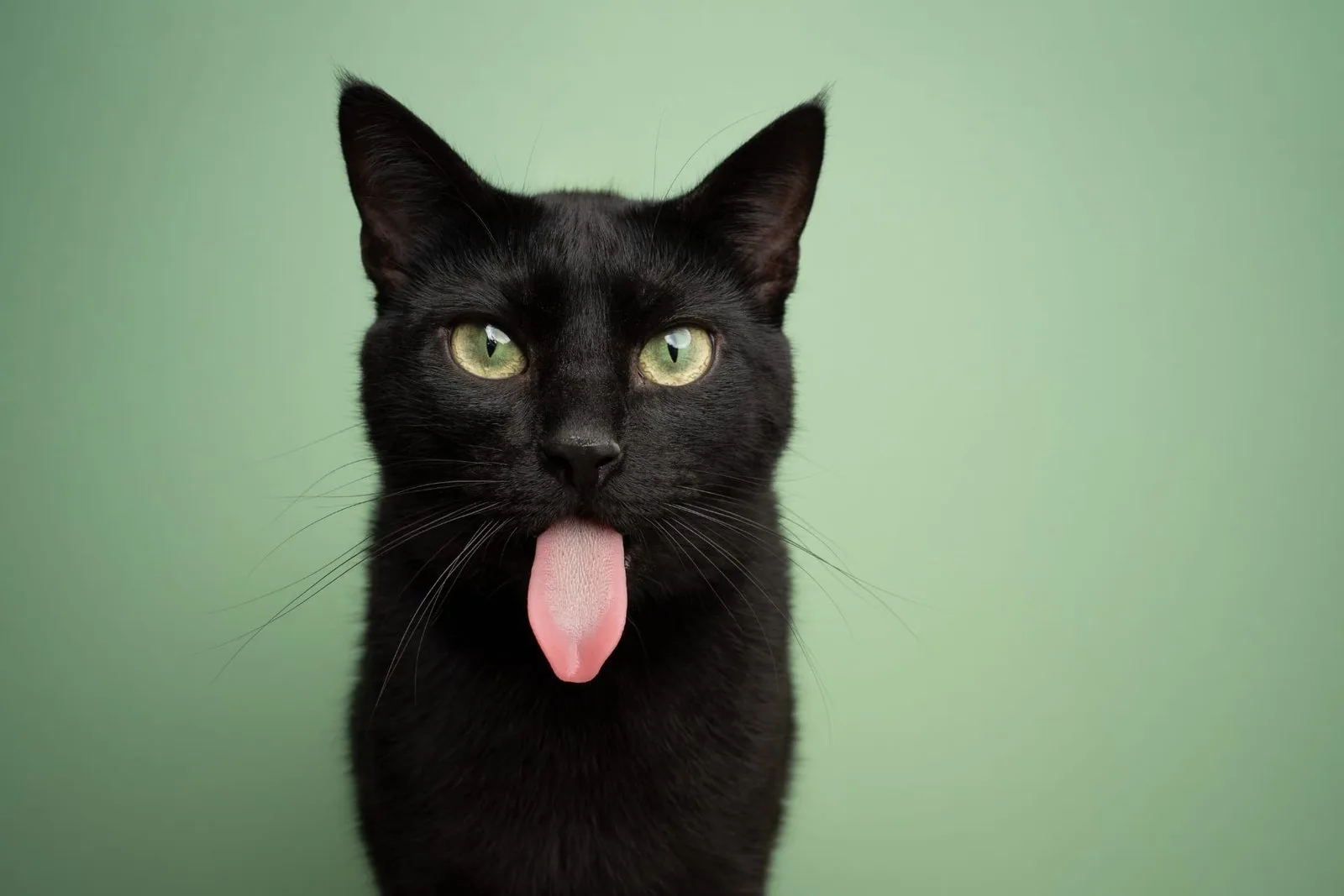
TL;DR: Eight breeds stand out for their sleek black coats: Bombay, Oriental Shorthair, British Shorthair, American Shorthair, Sphynx, Burmese, Havana Brown, and Abyssinian. Each has distinct personality traits and different grooming needs. Black coats are produced by eumelanin, which may also offer some immune benefits. Myths about black cats being unlucky have no basis - they are adopted at lower rates from shelters partly because of these outdated associations, making them well worth seeking out.
Black cats have a long and complicated reputation - feared in some cultures, considered lucky in others, and consistently misrepresented in popular mythology. The reality is straightforward: they are cats, with the same range of personalities and needs as any other colour. What does differ is coat genetics, breed-specific traits, and some practical considerations around grooming and photography.
This guide covers eight breeds known for their sleek black coats, what distinguishes each one, and what to know about caring for them - including when you are leaving them with a cat sitter.
For a broader overview, the full black cat breeds guide covers seventeen breeds in detail.
Eight breeds with sleek black coats
Bombay
The Bombay was developed in the 1950s by crossing a sable Burmese with an American Shorthair to produce a cat with a panther-like appearance. The result is a muscular, medium-sized cat (typically 4-7 kg) with jet-black short fur and distinctive copper-gold eyes. Bombays are social and vocal - they tend to follow their owners through the house, greet visitors, and do not handle prolonged solitude well. Their coat requires minimal grooming: a weekly pass with a rubber mitt keeps it glossy.
Oriental Shorthair
Oriental Shorthairs are slender, athletic cats with large ears, a wedge-shaped head, and a vocal temperament. Black Oriental Shorthairs carry a fine, shiny coat over a lean frame, giving the breed a striking appearance. They are highly active and need consistent mental and physical stimulation - puzzle feeders, climbing structures, and regular interactive play sessions. A weekly brush with a soft bristle brush keeps the coat in good condition.
British Shorthair
The British Shorthair is a solid, stocky cat with a dense, plush coat. In black, the breed's round copper-coloured eyes contrast sharply with the dark fur. British Shorthairs are calm and generally lower-energy than most breeds, making them well suited to quieter households. They tend to be affectionate but not demanding. Their thick coat benefits from weekly brushing with a slicker brush to prevent undercoat matting.
American Shorthair
The American Shorthair is a sturdy, adaptable breed with a short, dense coat that lies close to the body. They are easygoing and tend to get along well with children and other animals, which makes them a practical choice for family households. Grooming is minimal: a quick weekly brush keeps the coat clean and healthy.
Sphynx
The Sphynx is the exception in this list - black pigmentation in this breed shows in the skin rather than fur, giving the cat its characteristic dark, wrinkled appearance. Sphynx cats are intensely social, warm to the touch, and require more grooming than any fur-bearing breed: their skin produces oil that builds up without fur to absorb it, making weekly bathing necessary. They also need external warmth sources since they cannot self-insulate. Full care detail is in the Sphynx cat guide.
Burmese
The Burmese has a silky short coat in a deep sable-to-black range sitting close to a muscular body. Burmese cats are affectionate and lap-oriented, with a tendency to follow their owners through the house similar to Bombays. They are moderately active and respond well to interactive play. Weekly grooming with a rubber mitt maintains the coat's shine with very little effort.
Havana Brown
The Havana Brown is a rare breed with a rich, warm chocolate-to-black coat and distinctive green eyes. They are curious and chatty cats that tend to use their paws to investigate things - a behaviour that makes them entertaining to live with. The coat benefits from a weekly brush with a soft bristle brush. The breed is uncommon in shelters and typically sourced through specialist breeders.
Abyssinian
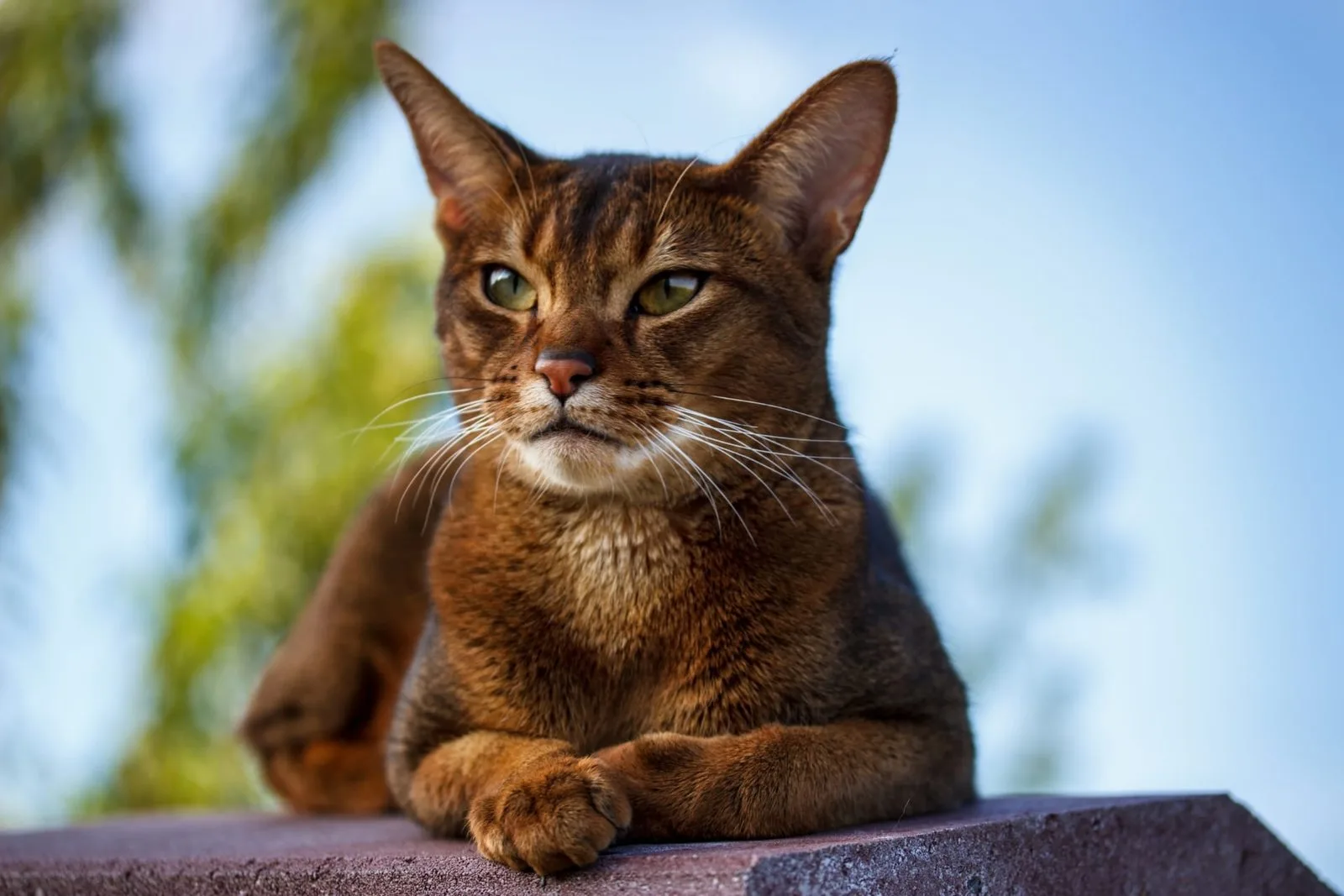
The Abyssinian in its darker variants displays a ticked coat - each hair carries alternating bands of colour - giving the breed a shimmering appearance even at rest. Abyssinians are highly energetic, curious, and poorly suited to low-stimulus environments. They need climbing space, regular interactive play, and ideally a companion if their owner works long hours. More on the breed in the Abyssinian guide.
Why black cats are black
Black coats are produced by eumelanin, a pigment controlled by a dominant gene. This pigment suppresses other coat colours, creates the characteristic dark appearance, and provides some UV protection. Some research suggests the same melanin pathway may be associated with immune resilience, though the evidence is not conclusive.
One visible side effect of eumelanin: prolonged exposure to direct sunlight can cause the coat to shift toward a rusty brown as the pigment degrades. This is a normal and harmless change, not a health issue or grooming failure.
Myths about black cats
Black cats have been associated with bad luck in European folklore and witchcraft associations since the medieval period. In Japan and Scotland, they have historically been considered lucky. Halloween imagery reinforces the negative associations in many Western countries.
None of these associations have any basis in the cats themselves. Black cats are not more aggressive, less affectionate, or less healthy than cats of other colours. They do, however, get adopted from shelters at lower rates - a documented pattern sometimes called black cat syndrome - which means they often wait longer for homes.
Common myths, addressed:
- Unlucky: This is cultural folklore with no basis in fact. Black cats behave and bond with their owners in the same way as any other cat.
- Difficult to photograph: They are harder to photograph in low light, but this is a camera limitation, not a cat characteristic. Natural light and a light-coloured background bring out their features clearly.
- Aggressive: Coat colour does not determine personality. Individual breed traits and early socialisation are what actually shape a cat's temperament.
Caring for a black cat
Coat care
A sleek coat starts with diet - feed high-quality food with adequate protein and omega-3 fatty acids for coat condition. For portion guidance, the cat food portions guide covers how much to feed by weight and age.
Grooming varies by breed: short coats (Bombay, Burmese) need a weekly rubber mitt session; semi-long or ticked coats (Abyssinian) benefit from 2-3 sessions per week with a slicker brush. The Sphynx needs weekly bathing instead of brushing. Black coats show dandruff more visibly than lighter coats, so check the coat during each grooming session.
Health considerations
Breed-specific health concerns matter more than coat colour. Watch for hypertrophic cardiomyopathy in British Shorthairs, dental problems in Sphynx cats, and a tendency toward weight gain in Burmese. Annual vet visits, up-to-date vaccinations, and regular dental care apply across all breeds.
Black cats and pet sitting
When leaving your cat with a cat sitter, the breed matters as much as the individual cat's personality. A cat sitter taking on a Sphynx needs to understand the bathing schedule. A sitter looking after an Abyssinian needs to know the cat requires significant enrichment and does not do well confined to one room. A Bombay owner should let the sitter know that their cat is likely to follow them everywhere and vocalise frequently - this is normal behaviour, not distress.
For any black cat breed, brief the sitter on your cat's specific grooming routine and coat condition at the start of the stay, so they can tell you if anything looks unusual. Black coats also make it harder to photograph a cat for status update photos - suggest to your sitter that natural light near a window produces the clearest images if they want to send updates.
FAQs
1. Are black cats associated with bad luck?
In some Western European folklore traditions, yes - but this is cultural association with no factual basis. In other traditions (Japan, Scotland, parts of the UK), black cats are considered lucky. The superstitions have no bearing on how black cats actually behave or what kind of companions they make. They are adopted less frequently from shelters than lighter-coloured cats, which means they often represent a particularly good adoption choice for people willing to overlook outdated associations.
2. Do black cats have health advantages from their colouring?
Some research suggests that the eumelanin pathway responsible for black coats may have some association with immune function, but the evidence is not strong enough to make definitive claims. What does matter for health is breed genetics, diet, regular vet care, and a good living environment - not coat colour. Breed-specific conditions (like HCM in British Shorthairs, or skin issues in Sphynx cats) are far more predictive of health outcomes than pigmentation.
3. Why does my black cat's coat look brownish in sunlight?
Prolonged UV exposure causes eumelanin to break down, shifting the coat colour toward a rusty brown. This is a normal and harmless phenomenon - it does not indicate a health problem or dietary deficiency. Limiting direct sun exposure will slow the effect, but the change is cosmetic only and does not affect the cat's wellbeing.
4. How do I photograph my black cat clearly?
Use natural light from a window rather than flash, which tends to flatten black fur and create harsh reflections. A light-coloured backdrop (a pale blanket, a white wall) helps their features show up clearly. Position the cat so light falls on their face at an angle rather than directly from the front. Their eyes - whether copper, gold, or green - are the most distinctive feature to capture and will be clearest with good ambient light.
5. Why should I consider adopting a black cat from a shelter?
Black cats are statistically adopted less frequently than lighter-coloured cats and often wait longer in shelters - sometimes significantly longer. This means well-socialised, healthy black cats are regularly overlooked in favour of kittens or cats with more distinctive markings. If you are open to an adult cat, a black cat from a shelter is often an excellent option and one that genuinely needs a home. Many shelters also include standard vet care, vaccinations, and microchipping in the adoption fee.
6. What should a cat sitter know about caring for a black cat?
The most important thing a cat sitter needs is information specific to the breed and individual cat - not just the colour. Let your sitter know the grooming routine (bathing schedule for a Sphynx, brushing frequency for other breeds), any breed-specific health concerns to watch for, and your cat's typical daily behaviour so the sitter can recognise if something changes. On a practical note, black cats are harder to photograph in dim light - suggesting your sitter uses natural light near a window for any check-in photos means you will actually be able to see your cat clearly in the updates.