TL;DR: Making freeze-dried dog treats at home is straightforward with the right equipment. A freeze-dryer produces the best results, but a dehydrator works as a more affordable alternative. Simple recipes - chicken and sweet potato, peanut butter banana, fish and vegetables - take under an hour to prepare, freeze-dry in 18-24 hours, and keep for up to a year in airtight containers. You control the ingredients, skip the preservatives, and end up with treats your dog will prefer over most store-bought options.
If you already read our complete guide to freeze-dried dog treats, you know why they are popular: high nutrient retention, long shelf life, and palatability that gets even picky eaters interested. This article focuses on making them yourself.
Why make freeze-dried dog treats at home?
Store-bought freeze-dried treats are often excellent, but they come at a premium. A small bag of single-ingredient chicken treats can cost as much per gram as the raw chicken itself, with processing and packaging costs baked in. Making your own costs more upfront if you need to buy equipment, but the per-treat cost drops significantly once you are batch-producing.
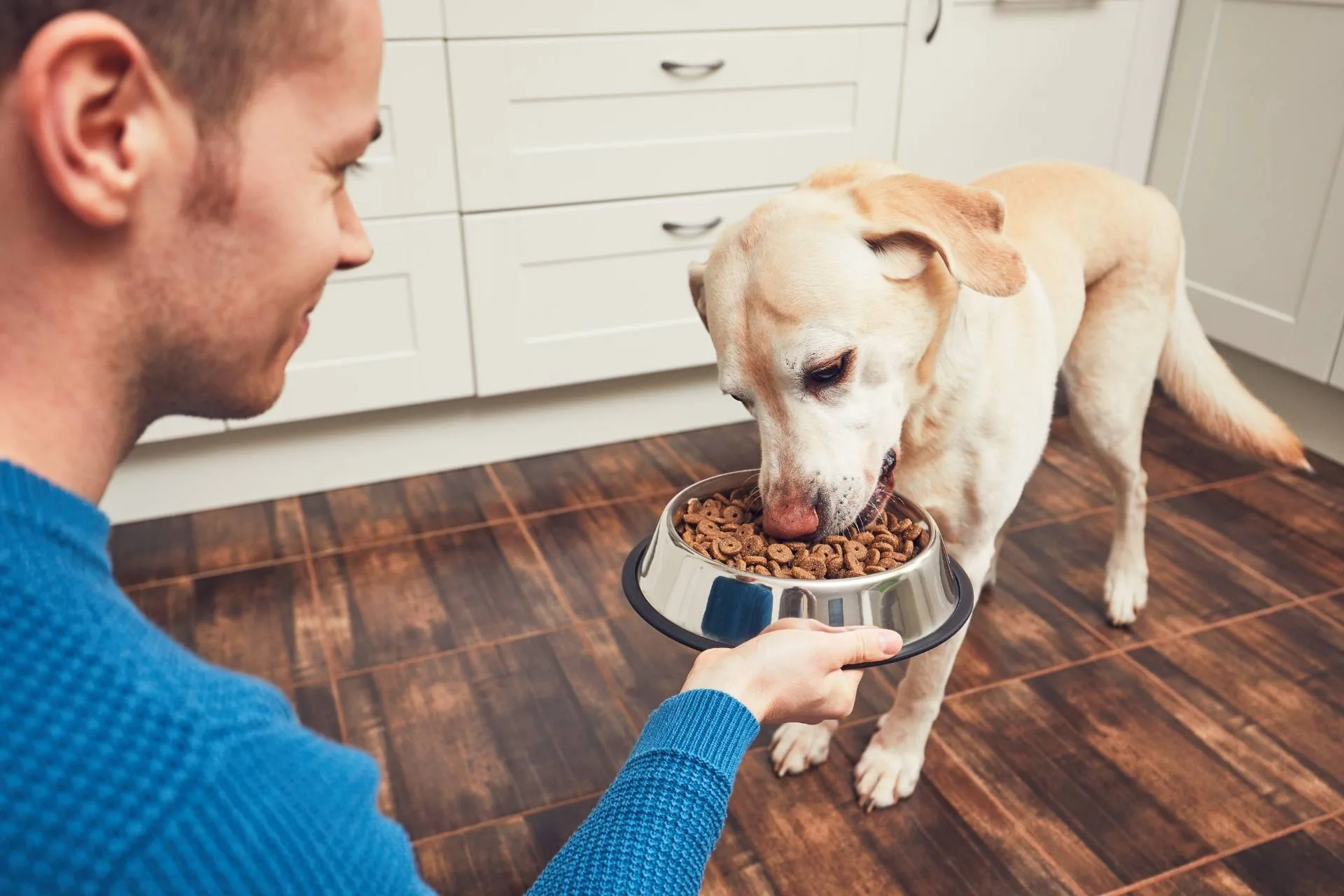
Beyond cost, homemade treats give you ingredient transparency. You know exactly what went in. If your dog has a food allergy or sensitivity, that certainty has real value. And if your dog is staying with a dog sitter or going into dog boarding while you travel, you can send along a labeled bag of treats the sitter knows are safe - with no guesswork about unfamiliar store ingredients.
Equipment you need
A freeze-dryer removes moisture through sublimation: the food is frozen solid, then placed under vacuum, which converts the ice directly to vapor without passing through liquid. This preserves nutrients, structure, and flavor better than heat-based drying. Freeze-dryers are a significant investment, typically starting around $500 for home units.
A food dehydrator is the more accessible alternative. It uses low heat and airflow to remove moisture over several hours. The result is a chewier texture and slightly lower nutrient retention than freeze-drying, but it is still far better than most commercial treats and costs a fraction of the equipment price.
Both methods produce treats worth making. If you are new to DIY treats, start with a dehydrator to test recipes before committing to a freeze-dryer.
What to look for in ingredients
Use fresh, human-grade proteins: chicken breast, turkey, lean beef, salmon, or whitefish. For vegetables and fruits: sweet potato, carrot, apple (seeds removed), blueberries, and zucchini all work well. Pumpkin and unsalted peanut butter are good flavor additions.
Avoid: onions, garlic, grapes, raisins, chocolate, xylitol (found in some peanut butters - check the label), and macadamia nuts. These are toxic to dogs regardless of preparation method.
Keep seasonings out entirely. No salt, no sugar, no spices.
How to make freeze-dried dog treats
Preparation
Wash all produce thoroughly. Dice proteins into small, uniform pieces - roughly 1-2 cm cubes work well. Slice vegetables and fruits into thin rounds or small chunks. Aim for consistent sizing so everything dries at the same rate.
Prepare combinations rather than single ingredients where possible. Protein plus vegetable creates a more nutritionally complete treat than protein alone.
Freeze-drying process
Arrange prepared pieces in a single layer on the freeze-dryer trays without overlapping. Touching pieces will stick together during the process.
Start the machine and let it run its full cycle. Most home freeze-dryers take 18-24 hours depending on moisture content and load size. Do not interrupt the cycle early.
Once complete, remove and test a piece: it should be completely dry, crisp, and light. Any remaining softness means it needs more time. Store immediately in airtight containers or vacuum-sealed bags.
Using a dehydrator
Arrange prepared pieces on the dehydrator trays with space between each piece. Set the temperature to 70-75°C (160-165°F) for proteins, slightly lower for fruits and vegetables. Dehydrating typically takes 6-12 hours. Check periodically and remove pieces when they are completely dry with no moisture in the center.
Storage
Properly freeze-dried treats stored in airtight containers in a cool, dry place last up to a year. Dehydrated treats keep for 1-2 months under the same conditions. Label containers with the preparation date and ingredient list.
Three recipes to start with
Chicken and sweet potato bites
- Chicken breast, diced into 1cm cubes
- Sweet potato, sliced into thin rounds
Slice the sweet potato to roughly the same thickness as the chicken pieces. Arrange both on trays and process. These come out as light, crunchy bites that work well as training rewards.
Peanut butter and banana snacks
- Ripe banana, sliced into rounds
- Unsalted peanut butter (check the label for xylitol - it must not contain it)
Slice the banana and lightly spread a small amount of peanut butter on one side of each piece. Freeze-dry or dehydrate as normal. These are a good treat for dogs who are hesitant about new flavors.
Fish and vegetable medley
- Salmon or whitefish, diced
- Carrot, thinly sliced
- Zucchini, thinly sliced
Mix fish pieces and vegetable slices together on the trays. The fish provides omega-3s and the vegetables add fiber. Good for dogs with dry skin or dull coat.
Practical tips
Batch preparation matters: freeze-drying is most efficient when the trays are full. Plan to make several recipes in a single session rather than running the machine for a small batch. Freeze-dry larger quantities, store them, and work through the supply over weeks.
For a pet sitter, dog walker, or dog daycare facility: send treats in a labeled container with the ingredient list clearly written on the outside. Include a note on how many to offer per session and whether they should be used as training rewards or general treats. A sitter who knows your dog responds well to these specific treats can use them to build comfort and compliance quickly, especially during the first day or two when a dog is adjusting to a new person.
If testing a new recipe, try it in a small batch first. Dogs are individuals and may not take to every flavor. Watch for any digestive reaction after introducing a new protein or ingredient, particularly in dogs with a history of food sensitivity.
FAQs
1. How long do homemade freeze-dried dog treats last?
Properly freeze-dried treats stored in airtight containers in a cool, dry location last up to a year. Dehydrated treats have a shorter shelf life of 1-2 months under the same storage conditions. Moisture is the main enemy: even small amounts of humidity introduced during storage will cause treats to soften and eventually spoil. Always use airtight containers and include a food-safe desiccant packet if you are storing large batches.
2. Can I use a dehydrator instead of a freeze-dryer?
Yes. A dehydrator produces a chewier, denser texture compared to the light, crisp result of freeze-drying, and nutrient retention is slightly lower since heat is involved. However, dehydrated treats are still far better than most commercial options, and the equipment cost is much lower. For most owners making treats at home, a good dehydrator is the practical starting point. You can always upgrade to a freeze-dryer later if you find yourself making large batches regularly.
3. Are freeze-dried treats suitable for puppies?
Yes, with adjustments. Cut treats into very small pieces appropriate for a puppy's size. Single-ingredient treats like chicken or sweet potato are the safest starting point. Avoid recipes with peanut butter for very young puppies, and introduce new ingredients one at a time to catch any sensitivities early. For puppies in dog training, small, high-value freeze-dried treats work extremely well as positive reinforcement rewards.
4. What fruits and vegetables work best for freeze-drying?
Sweet potatoes, carrots, green beans, zucchini, blueberries, and apple (seeds removed) all freeze-dry well. Avoid high-water-content produce like cucumber and watermelon, which shrink dramatically and take significantly longer to process. Grapes and raisins must never be used - they are toxic to dogs. Citrus fruits are also not suitable, as the oils can irritate digestion even when dried.
5. How do I know my dog likes the homemade treats?
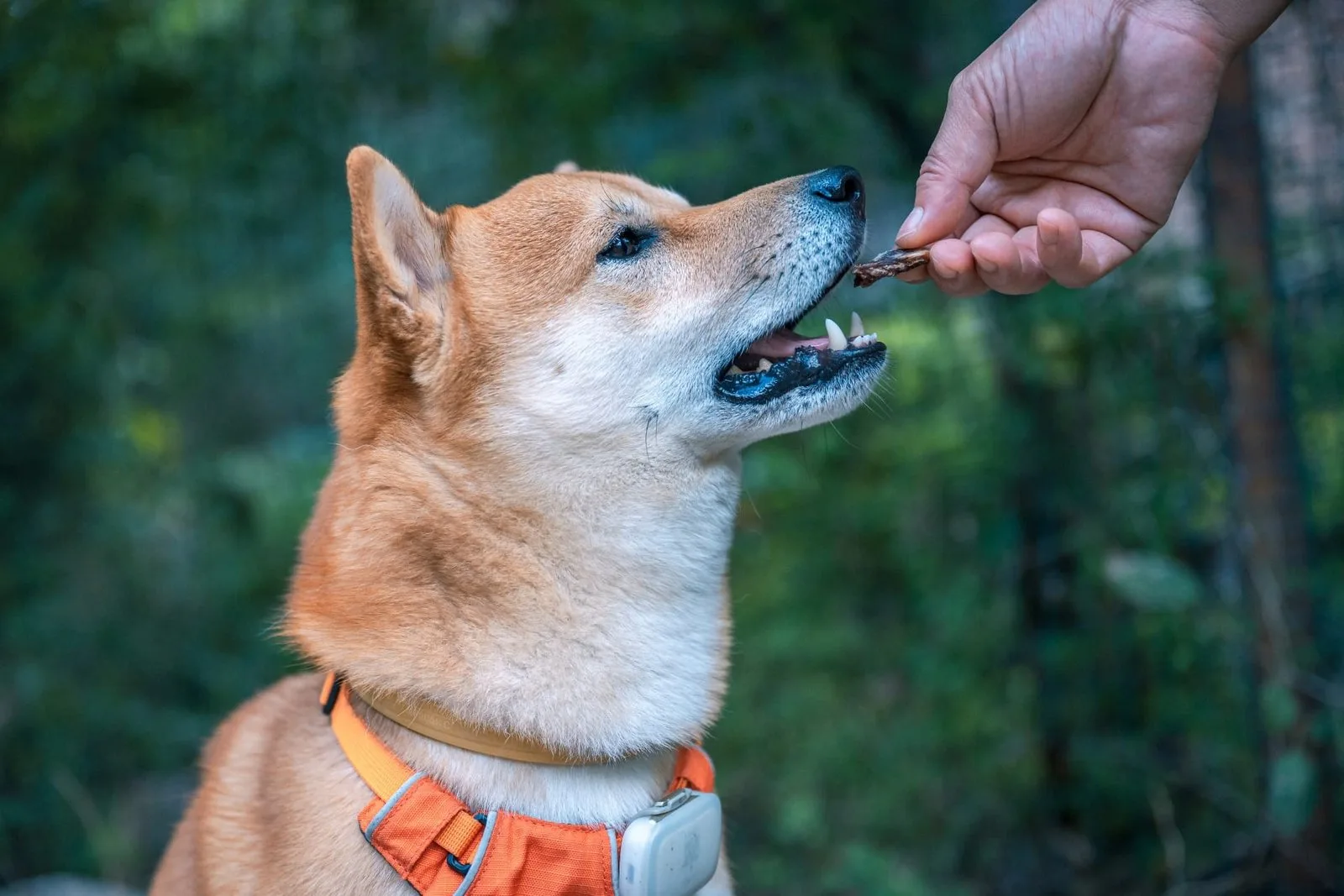
Appetite and enthusiasm are the most reliable signals. A dog that takes treats gently and shows interest in more is clearly enjoying them. Hesitation with a new flavor is common and usually resolves once the dog has tried the treat a few times. If your dog consistently refuses a particular recipe, change the protein or add a small amount of unsalted peanut butter to increase palatability. Watch for any digestive changes after introducing a new ingredient and discontinue that recipe if you see loose stools or signs of discomfort.
6. Can I send homemade treats with my dog to a pet sitter or boarding facility?
Yes, and it is a good idea. Label the container with the ingredient list, the preparation date, and instructions for how many to offer per day. Freeze-dried treats travel and store well, so even a week-long stay is easy to supply for. If your dog is in training or has a specific reward structure, letting the dog sitter or boarding facility know how to use the treats correctly - how often, in what context, as a reward for specific behaviors - helps maintain consistency with what you do at home. A dog that responds to familiar treats is easier for a sitter to handle and bond with quickly.