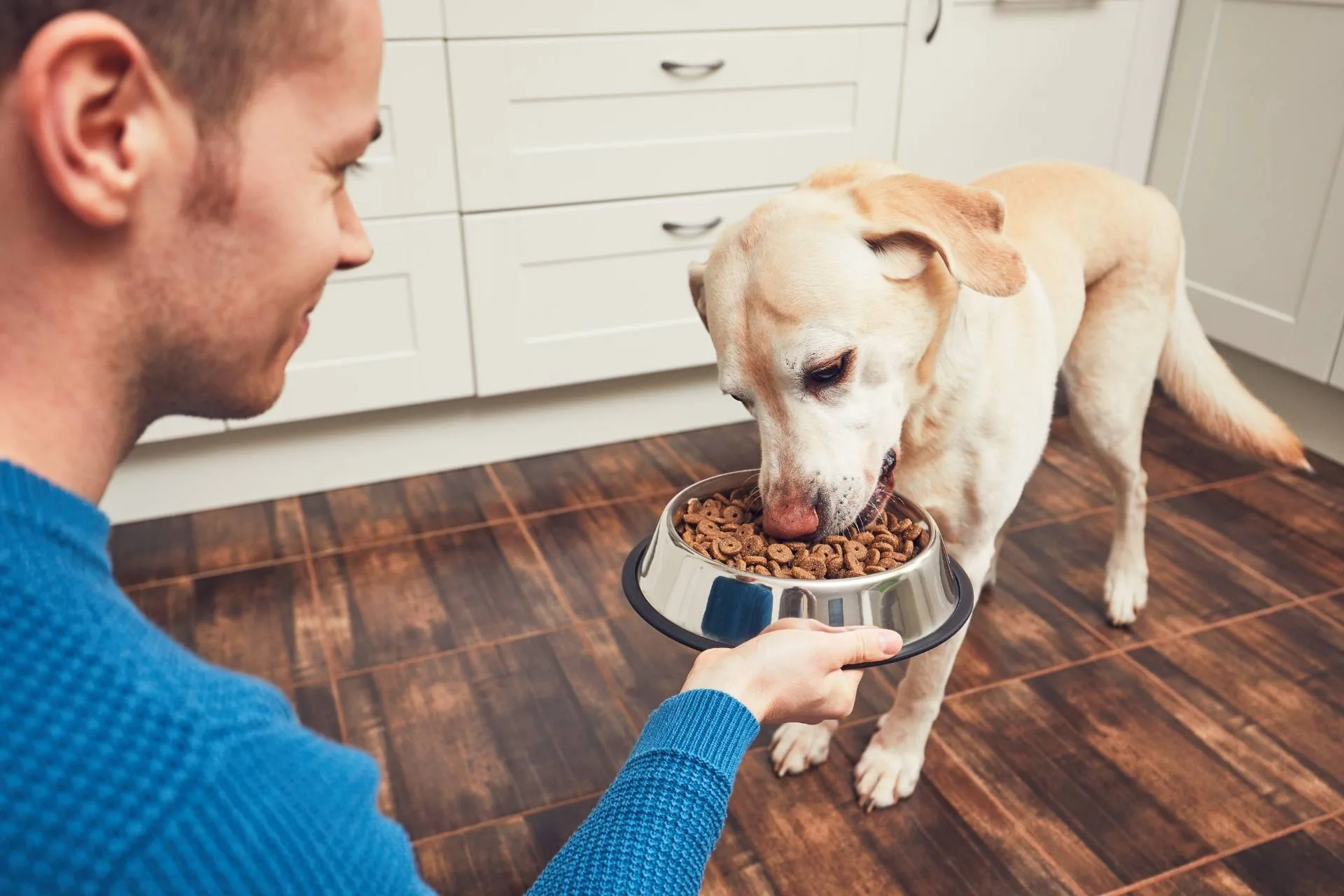
Finding a chewed wrapper is a stomach-drop moment, and the right response is quick but not panicked. Chocolate is genuinely toxic to dogs, but whether a particular amount is a mild worry or a real emergency comes down to the type, the quantity, and your dog's size. This guide explains how to judge the risk and, more importantly, what to do in the first few minutes.
Why chocolate is toxic to dogs
Chocolate contains two stimulants, theobromine and caffeine, that belong to a group of compounds called methylxanthines. People break these down quickly, but dogs metabolise them far more slowly, so the compounds accumulate and overstimulate the heart and nervous system. Theobromine is the main culprit, and the amount in chocolate rises sharply as the cocoa content goes up, which is why a dark chocolate square is far more dangerous than the same weight of milk chocolate.
How dangerous is it? Type, amount, and weight
Three factors decide how serious an ingestion is. The type of chocolate sets how much theobromine is involved, the amount eaten sets the total dose, and your dog's weight decides how concentrated that dose is in their body. A piece that a Labrador would shrug off can seriously harm a Chihuahua.
| Chocolate type | Theobromine level | Relative risk |
|---|---|---|
| White chocolate | Very low | Low theobromine risk; fat and sugar can still upset the stomach |
| Milk chocolate | Moderate | A concern at roughly 1 oz per pound of body weight |
| Dark or semisweet | High | Dangerous in much smaller amounts |
| Baking or unsweetened | Very high | Toxic in small amounts, even for larger dogs |
| Cocoa powder | Highest | The most dangerous form |
Estimate the risk from what your dog ate
This estimator turns your dog's weight, the chocolate type, and the amount into a rough theobromine dose. Treat it as a guide to how urgent things are, not a diagnosis, and call your vet or a poison control service either way.
Use these as a guide to urgency, not as a green light to wait and see. Because the safe threshold is hard to judge at home and dogs vary, any ingestion of dark or baking chocolate, or any real amount in a small dog, warrants a call to your vet.
Symptoms of chocolate poisoning in dogs
Signs typically begin within 6 to 12 hours of eating chocolate and, because dogs clear theobromine slowly, can last up to three days. Watch for vomiting, diarrhea, increased thirst and urination, restlessness or hyperactivity, a racing heart rate, and heavy panting. As the dose rises, these can progress to muscle tremors, an irregular heartbeat, and seizures. Any tremors, collapse, or seizure activity is a medical emergency that needs a vet without delay.
What to do if your dog ate chocolate
Move quickly and calmly through these steps.
- Take away any remaining chocolate so your dog cannot eat more.
- Work out the details your vet will need: the type of chocolate, roughly how much was eaten, when it happened, and your dog's weight. Keep the wrapper if you have it.
- Call your vet or an animal poison control service such as the ASPCA Animal Poison Control Center or the Pet Poison Helpline, and follow their instructions.
- Do not try to make your dog vomit unless a vet specifically tells you to. Doing it at the wrong time or in the wrong way can cause more harm than the chocolate.
- Watch closely for the symptoms above while you arrange care, and head to an emergency clinic if you see tremors, a seizure, or collapse.
For context on which everyday foods are safe and which are not, the lists of safe and toxic fruits for dogs and vegetables dogs can and cannot eat are worth a read, and cat owners can find the feline version in the guide to foods toxic to cats.
Chocolate, real food, and care while you are away
Chocolate is never part of a healthy dog's diet, so the practical prevention is simple: keep it, along with cocoa powder and baking supplies, well out of reach, and be extra careful around holidays when it tends to sit out. For how much actual food your dog should be eating each day, the dog food calculator gives a portion based on their weight, and the guide to healthy food choices for dogs covers what belongs in the bowl instead.
The other risk window is when someone else is watching your dog. A good sitter keeps hazards like chocolate out of reach and knows the emergency steps above. When you book a verified dog boarder through Petme, sitters are identity-checked, and if something goes wrong during a booked stay the Petme Protection Plan may contribute to eligible vet costs up to $20,000.
FAQs: dog and chocolate questions answered
1. Is chocolate poisonous to dogs?
Yes. Chocolate contains theobromine and caffeine, two stimulants that dogs break down much more slowly than people do, so the compounds build up to toxic levels. How poisonous a given amount is depends on the type of chocolate, how much was eaten, and the dog's body weight. Baking and dark chocolate are the most dangerous, and small dogs are affected by smaller amounts.
2. How much chocolate is toxic to a dog?
It depends on the type and your dog's weight. Baking and dark chocolate are dangerous in small amounts because they are very high in theobromine. Milk chocolate is a concern at roughly one ounce per pound of body weight, so a small dog is at risk from a single bar. White chocolate has very little theobromine, though its fat and sugar can still cause stomach upset. Because the safe line is hard to judge at home, treat any real ingestion as a reason to call your vet.
3. What are the symptoms of chocolate poisoning in dogs?
Signs usually appear within 6 to 12 hours and can include vomiting, diarrhea, increased thirst, restlessness or hyperactivity, a fast heart rate, panting, muscle tremors, and in severe cases seizures. Because dogs clear theobromine slowly, symptoms can last for up to three days. Any tremors, collapse, or seizures are an emergency that needs a vet immediately.
4. What should I do if my dog ate chocolate?
Do not wait for symptoms. Note the type of chocolate, roughly how much was eaten, the time it happened, and your dog's weight, then call your vet or an animal poison control service straight away and follow their instructions. Do not try to make your dog vomit unless a vet tells you to, since doing it wrong can cause harm. Prompt advice is what keeps a scare from becoming an emergency.
5. Is white chocolate dangerous for dogs?
White chocolate contains very little theobromine, so it rarely causes the classic chocolate poisoning that dark and baking chocolate do. It is not harmless, though: it is high in fat and sugar, which can trigger vomiting, diarrhea, or in some dogs a bout of pancreatitis. Dark, semisweet, and baking chocolate remain far more dangerous by weight.
6. Can a dog recover from eating chocolate? 🐕
Yes. Most dogs recover fully when the problem is caught early and treated, which is why calling your vet quickly matters so much. The outlook depends on how much theobromine was eaten relative to the dog's size and how fast treatment starts. With a small amount of milk chocolate and prompt advice the prognosis is usually excellent; with a large amount of dark or baking chocolate it is more serious, and early veterinary care makes the biggest difference. 🐕
The short version is the one worth remembering in the moment: take the chocolate away, note what and how much was eaten, and call your vet or a poison control service rather than waiting. Chocolate toxicity is very treatable when it is caught early, and a fast phone call is almost always the difference between a scare and a serious problem.