A crate, introduced the right way, gives a dog a den of their own: a safe, calm place to rest, and a real help with housetraining, travel, and settling when alone. Done the wrong way, it is just a cage a dog resents. The difference is entirely in how you introduce it. This guide covers the step-by-step method, how to handle nights and apartment living, and how to keep the routine going when someone else is caring for your dog.
Why crate training works
Dogs are den animals by instinct, drawn to small, enclosed spaces that feel secure. A properly introduced crate taps into that instinct and gives your dog a spot that is reliably theirs. It also makes several practical things easier: housetraining, because dogs avoid soiling where they sleep; safe travel and vet visits; and rest after surgery or during recovery. Most importantly, a crate-trained dog has a place to feel calm when the house is busy or when they are home alone. The one rule that underpins all of this is that the crate is never a punishment. The moment it becomes where a dog is sent in anger, it stops being a safe place.
Choosing and setting up the crate
Size matters. The crate should be just big enough for your dog to stand up, turn around, and lie down comfortably, and no bigger. Too much space lets a puppy use one end as a toilet, which undermines housetraining. For a growing puppy, a crate with a divider lets you expand the space as they grow.
Place the crate somewhere the family spends time but that stays reasonably calm, so your dog does not feel isolated. Add soft, washable bedding and a safe chew or toy. In an apartment, a quiet corner away from shared walls helps keep any early whining from traveling to the neighbors, and it gives your dog a settled spot away from the front door and its comings and goings.
How to crate train a dog step by step
The whole method rests on building good associations slowly. Move to the next step only when your dog is relaxed at the current one.
- Introduce the crate with the door open. Drop treats near it, then just inside, and let your dog explore at their own pace with no pressure to go in.
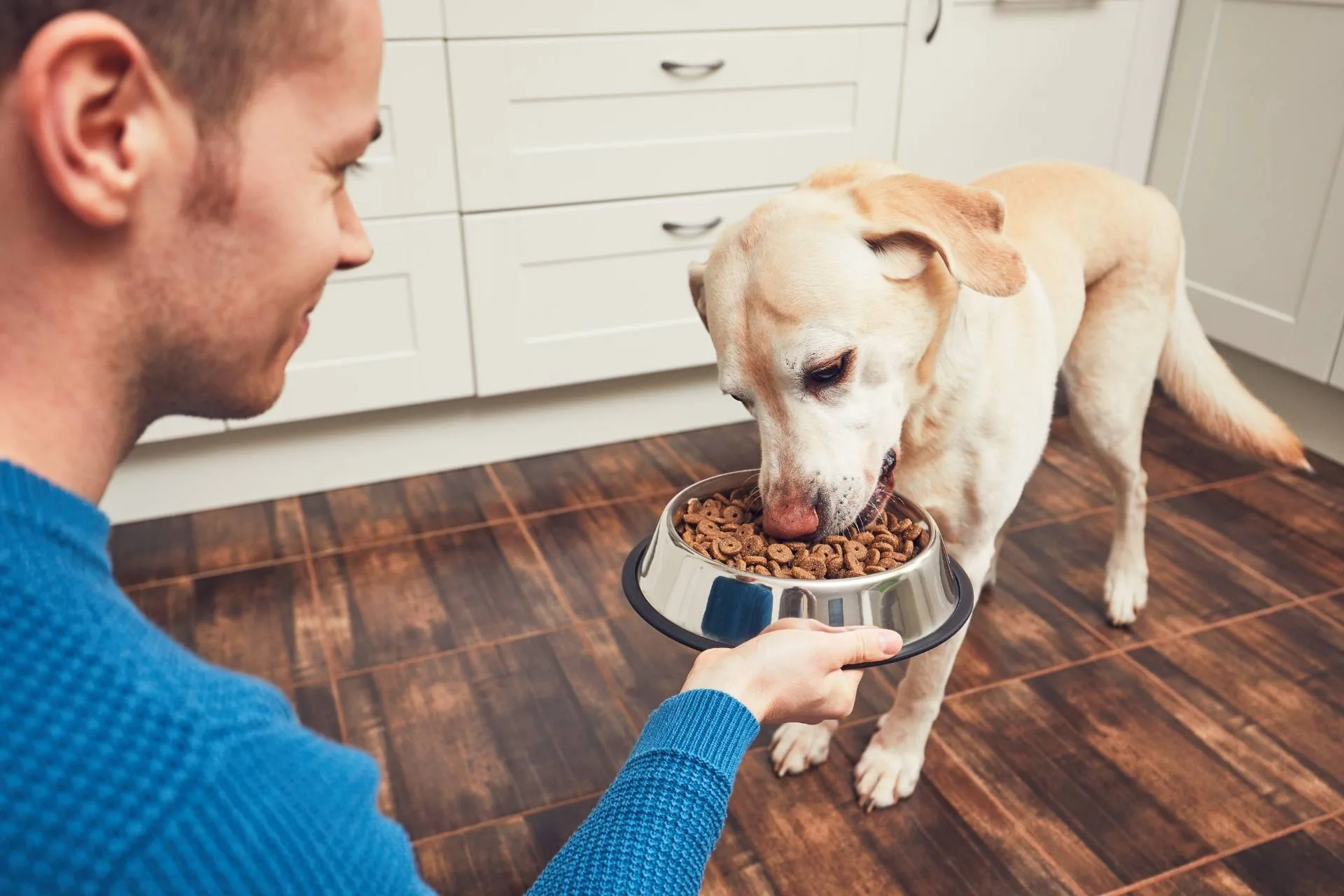
- Feed meals in the crate. Place the bowl inside so your dog links the crate with something they love. Move it further in over several meals.
- Close the door for short periods while you sit nearby. Open it before your dog gets anxious, and build the time up gradually.
- Step out of sight for a few seconds, then return, slowly extending how long you are gone. Keep arrivals and departures calm and low-key.
- Build toward leaving the house for short absences, always returning before your dog reaches the limit of what they can handle comfortably.
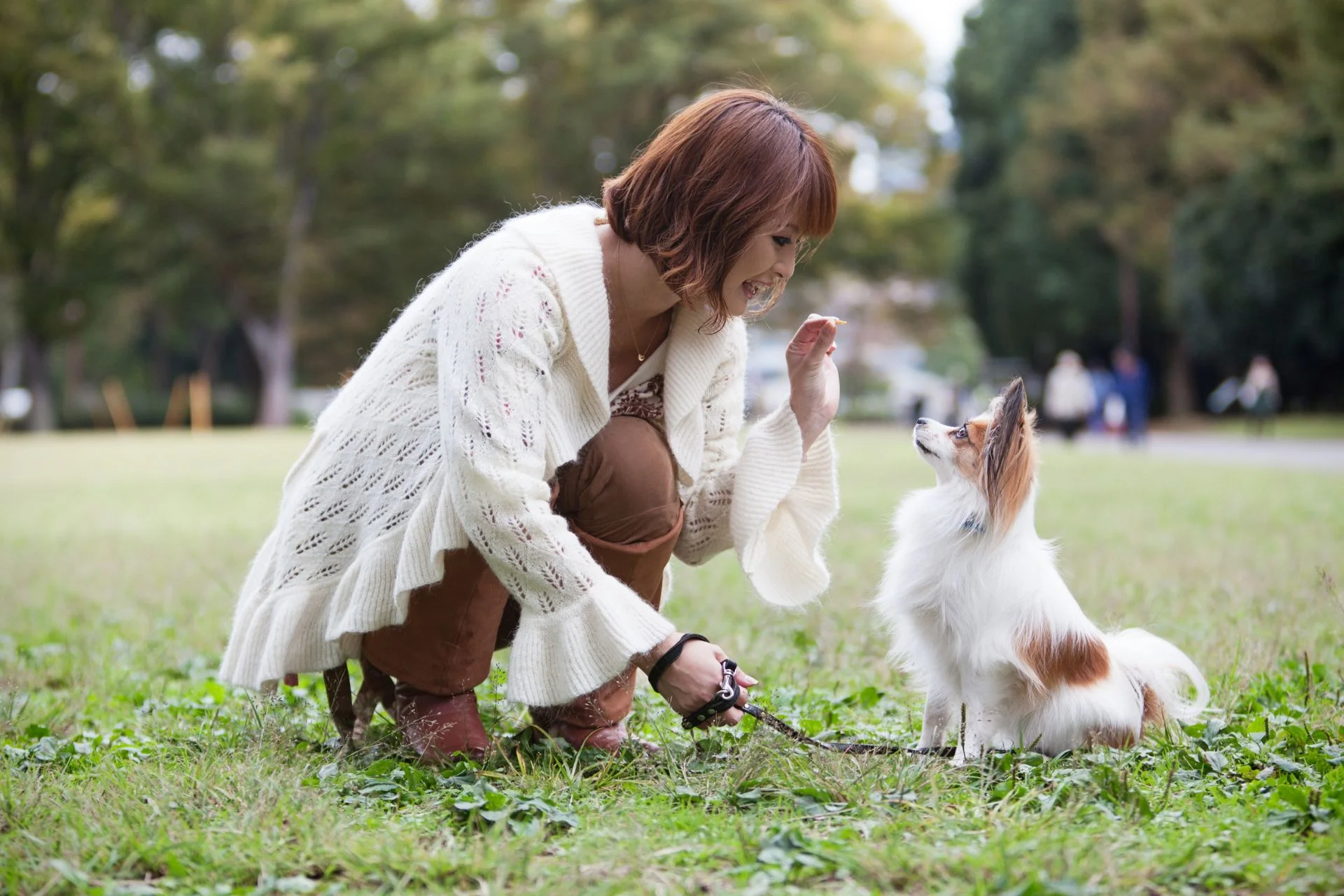
Throughout, reward calm behavior and watch your dog's body language. Relaxed and settled means carry on; panting, pacing, or frantic attempts to get out mean you have moved too fast and should ease back a step. A marker word or clicker, as covered in the guide to positive reinforcement training, helps mark the calm moments you want to reward.
Crate training at night
Nights are often where a crate proves its worth, giving a dog a defined place to sleep. Start with the crate near your bed so your dog feels secure and you can hear a puppy who needs to go out. Young puppies cannot hold their bladder through the night, so plan for one or two calm toilet trips outside, then straight back to the crate with no play. As your dog matures and settles, you can gradually move the crate to its permanent spot if you prefer. Pairing crate work with a solid potty training routine makes both go faster.
Apartment and neighbor considerations
Apartment living adds two challenges: noise and time. Some early whining is normal, and the key is not to release your dog while they are actively crying, which teaches that noise opens the door. Wait for a pause and reward the quiet. White noise or a radio can soften the sound for neighbors while your dog learns.
The bigger issue is time. A crate is a resting place, not somewhere to leave a dog for a full working day. If a dog barks, howls, or panics the entire time you are out rather than settling, that points to separation anxiety rather than a crate problem, and it needs a gentler, separate approach. The guide to dogs with separation anxiety covers the difference, and reducing the hours your dog spends alone often matters more than the crate itself.
How long it takes, and common mistakes
Crate training can take a few days for an easygoing puppy or several weeks for a dog with a negative history. The most common mistakes all come from rushing: shutting the door too soon, extending alone-time too quickly, or using the crate as punishment. Time limits matter too. A rough guide is about one hour per month of a puppy's age up to a few hours, and no more than about four to six hours for an adult during the day. Go at the dog's pace, keep every association positive, and the crate becomes a place your dog chooses to use.
Keeping the crate routine when a sitter cares for your dog
Consistency is what makes crate training stick, and that includes the times you are away. When you book a sitter, brief them on the cue word you use, where the crate is, the comfort items that belong in it, and how long your dog is happy to be crated. Make clear the crate is never used as a punishment and that whining should not earn an early release unless there is a genuine need.
This is one reason in-home care suits a crate-trained dog well. On Petme, a sitter keeps your dog in its own routine and space, so the crate stays the calm den you built rather than becoming a source of stress with a stranger. A dog that already crate-trains alongside good quiet-in-the-crate habits and calm leash manners is an easier, calmer guest for any sitter.
FAQs: crate training questions answered
1. How long does crate training take?
Crate training usually takes anywhere from a few days to several weeks, depending on the dog's age, past experiences, and how gradually you build up. Puppies with no bad associations often adjust in days, while an older dog or one with a negative history can take weeks. The pace is set by the dog, so watch for calm, relaxed body language rather than rushing to a deadline.
2. How long can a dog stay in a crate?
As a rough guide, a puppy can manage about one hour per month of age up to a few hours, and an adult dog should not be crated for more than about four to six hours during the day. A crate is a short-term resting space, not a place to leave a dog all day. If you are out for long stretches, arrange a midday walk or drop-in visit to break up the time.
3. Should I crate train my dog at night?
Yes, and night is often where a crate helps most, since it gives a dog a settled place to sleep. Start with the crate near your bed so the dog feels secure and you can hear a puppy who needs a toilet break. Puppies cannot last all night at first, so expect one or two overnight trips outside. You can gradually move the crate to its final spot once your dog settles.
4. My dog cries in the crate. What should I do?
First rule out a real need like a toilet break, then avoid letting the dog out while they are actively crying, which teaches that noise opens the door. Wait for a pause, however short, and calmly reward the quiet. If crying escalates into panic, drooling, or frantic escape attempts whenever you leave, that points to separation anxiety, which needs a gentler, separate approach rather than more crate time.
5. Is crate training cruel?
No, when it is done properly. A crate introduced gradually and paired with good things becomes a den a dog chooses to use, not a punishment. It becomes unkind only when it is used as a place of punishment, or when a dog is shut in for too long. The goal is a dog that walks into an open crate to relax, which is a sign the training has worked.
6. What should I tell my dog sitter about the crate?
Write down the cue word you use, where the crate lives, the comfort items that go in it, and how long your dog is comfortable being crated. Note that the crate is never used as punishment, and that whining should not be rewarded by an early release unless there is a real need. A sitter who keeps the same crate routine helps your dog stay settled while you are away. 🐕
Crate training is less about the crate and more about patience: build the association slowly, keep every experience positive, and respect your dog's limits on time. Get that right and you give your dog something genuinely valuable, a place of their own to feel safe, whether you are home, asleep, or away and trusting a sitter to keep the routine going.