Teaching a puppy to toilet outside is one of the first things you will work on together, and the fundamentals are simpler than they seem: routine, a consistent outdoor spot, and immediate reward when your puppy does the right thing. What makes it take time is not the method - it is maintaining that consistency across every person in your puppy's day, over several months.
Why routine is the foundation
Young puppies have small bladders and limited muscular control. They cannot hold it for long, and they cannot tell you when they need to go. A predictable schedule removes most of the guesswork. Take your puppy outside:- First thing in the morning, immediately after waking
- After every meal, within 15 to 30 minutes of eating
- After drinking water
- After naps
- After play or exercise
- Right before bed
- Every two to three hours throughout the day for puppies under four months
Using positive reinforcement
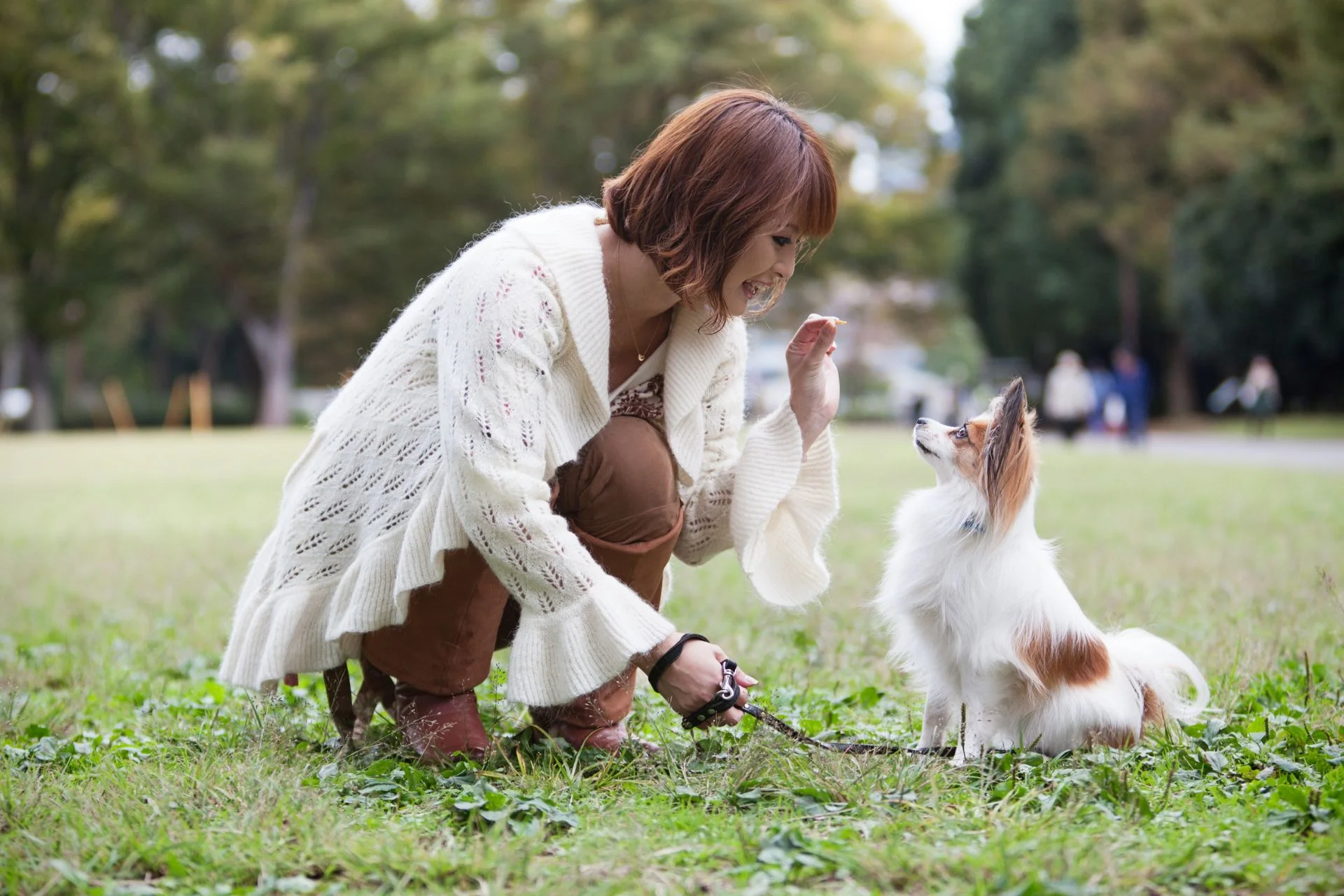
When your puppy toilets in the right place, reward them immediately - within two to three seconds of finishing. Use treats and praise. The timing is the critical part: too much delay and the connection between behavior and reward breaks down, and your puppy has no idea what they are being rewarded for. Do not scold indoor accidents. A puppy punished after the fact does not connect the reaction with the mistake. They only learn that you are unpredictable, which makes the whole process slower. Clean accidents thoroughly with an enzymatic cleaner, which removes the scent and prevents your puppy from being drawn back to the same indoor spot.Recognizing signs your puppy needs to go
Puppies give visible signals before toileting: circling in a small area, sniffing the floor intently, squatting, or moving toward a spot they have used before. Learning to read these quickly and act on them is one of the most effective ways to reduce accidents. When you see the signs, take your puppy outside immediately. Do not wait to see what happens - move straight to the outdoor spot and give them the opportunity to go.Crate training as a support tool
Puppies instinctively avoid soiling their sleeping area. A correctly sized crate - large enough for the puppy to stand, turn around, and lie down, but not large enough to use one corner as a bathroom - uses that instinct to support toilet training. Use the crate for naps and overnight, and take your puppy straight outside immediately after every release. Short supervised periods in the crate during the day help build bladder control over time. The crate should be a calm, positive space and should never be used as punishment.Puppy pads and the transition to outdoor-only training
If you live in a flat without immediate outdoor access, puppy pads can serve as a bridge. Place them in a consistent spot and gradually move them closer to the door, then outside. Once your puppy is reliably using the outdoor area, remove the pads entirely - leaving them available "just in case" sends mixed signals and can slow the transition to fully outdoor training. If you have direct outdoor access, going straight to outdoor-only training avoids the extra step of transitioning off pads later.The 10-minute rule
When you take your puppy to their outdoor spot, give them ten minutes to go. If nothing happens, bring them back inside, supervise closely, and try again in 15 to 20 minutes. This prevents bringing them back in too quickly - which sometimes results in them toileting immediately after you step inside - and keeps outdoor sessions purposeful rather than turning into extended playtime.Toilet training consistency with pet sitters and dog walkers
If a dog walker, pet sitter, or house sitter is part of your puppy's routine, their handling of toilet breaks will either reinforce or undermine your training. A sitter who skips scheduled outdoor breaks, uses a different outdoor area, or does not know your verbal cue will slow your puppy's progress. Before any sitter starts, provide written instructions that include:- The outdoor toilet spot location and which door to use
- The schedule for outdoor breaks, including post-meal and post-nap timing
- The verbal cue you use to prompt toileting (for example, "outside" or "go potty")
- Where treats are kept and when to reward successful outdoor toileting
- How to respond calmly to accidents and where the cleaning supplies are stored
Frequently asked questions
1. How long does it take to toilet train a puppy?
Most puppies reach reliable outdoor toileting by around six months, though some get there earlier and others take longer depending on breed, the consistency of training, and how many people are involved in their care. Consistent routines maintained by everyone - including dog walkers and pet sitters - speed the process significantly. Occasional accidents can continue past six months, particularly during exciting or disruptive situations.
2. How often should I take my puppy outside to toilet?
Every two to three hours at minimum for puppies under four months, plus immediately after every meal, nap, drink, and play session. As your puppy's bladder control develops, the intervals can lengthen. The standard guideline is that a puppy can hold their bladder for roughly one hour per month of age, though this varies by individual and should not be pushed to the maximum.
3. What is the 10-minute rule for potty training?
Take your puppy to their designated outdoor spot and give them ten minutes to toilet. If nothing happens, bring them back inside and supervise closely, then try again in 15 to 20 minutes. This prevents you from cutting the outdoor break too short - which often results in the puppy toileting as soon as you return inside - and keeps the outdoor session focused rather than turning into general play.
4. What should I do if my puppy keeps having accidents in the same indoor spot?
Clean the area thoroughly with an enzymatic cleaner rather than a standard household cleaner. Residual scent from standard products is still detectable to dogs and draws them back to the same spot. After cleaning, consider temporarily blocking access to that area, or placing your puppy's food bowl nearby - dogs generally avoid toileting where they eat.
5. Should I use puppy pads or go straight to outdoor training?
If you have easy outdoor access, going straight to outdoor training is simpler and avoids the extra transition step later. Pads are most practical for owners in flats without immediate garden access, or as a bridge during the very early weeks. If you do use pads, plan for how you will phase them out - leaving them available indefinitely after outdoor training is established sends mixed signals and makes the final transition harder.
6. How do I keep toilet training on track when a pet sitter is looking after my puppy? 🐾
Write down your exact routine and give it to the sitter before they start. Include the toilet schedule, the outdoor spot, the verbal cue you use, how to reward success, and how to respond to accidents without reacting. Walk the sitter through the designated outdoor area during a meet and greet if possible. A pet sitter following your written instructions precisely is the most important protection your puppy's training progress has while you are away.
Toilet training is a matter of repetition and timing, handled the same way by everyone your puppy spends time with.