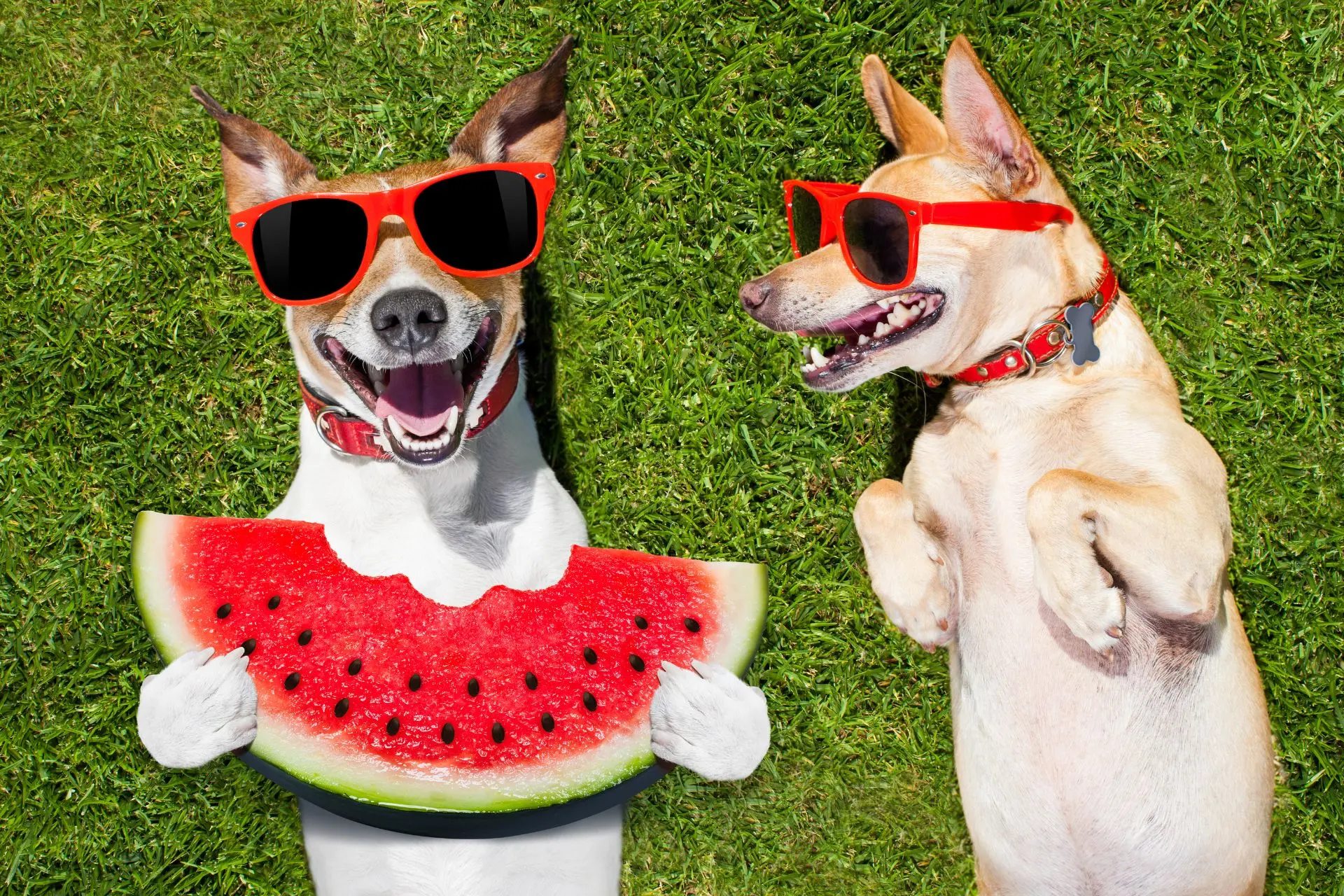
Dogs are primarily carnivores with omnivorous capability: they don't need fruit, but some fruits can offer genuine nutritional benefits as occasional treats. The gap between "safe" and "toxic" in this category is significant enough that every dog owner, and every person who looks after a dog, should know which fruits fall into which group. Grapes and raisins in particular are a common household item that causes preventable deaths in dogs every year because owners don't know the risk. Chocolate is another everyday item worth knowing about, and the guide on what to do if your dog ate chocolate covers how dangerous it is by type and amount.
How to feed fruit to dogs safely
Before offering any fruit: wash it thoroughly to remove pesticide residue. Remove all seeds, pits, stems, and cores: several of these contain cyanide or other compounds that are harmful in their own right, separate from the fruit itself. Peel off rinds and tough skins that are difficult to digest. Cut into appropriately small pieces for your dog's size to prevent choking.
Fruit should make up no more than 10% of your dog's daily caloric intake, not because fruit is inherently harmful, but because dogs' nutritional needs are met by their main diet, and excess fruit adds sugar and can displace calories from more nutritionally complete food. A dog who fills up on fruit and eats less of their balanced dog food is not better nourished. The guide to healthy food choices for dogs covers the broader nutritional context.
Introduce any new fruit gradually and monitor for digestive reaction over the first day or two. Some dogs are more sensitive than others, and even safe fruits can cause loose stools in quantity: this is worth noting for anyone else feeding your dog, including pet sitters and dog walkers.
Safe fruits for dogs
Apples
Apples are one of the most reliably safe and enjoyed fruits for dogs. They provide vitamin A, vitamin C, vitamin K, calcium, phosphorus, and dietary fiber. The mechanical action of chewing apple also has a mild dental benefit. Remove all seeds and the core before feeding: apple seeds contain small amounts of cyanide. Feed fresh, cooked, or frozen in small pieces.
Blueberries
Blueberries are one of the better fruit options for dogs. They are small enough to serve whole without cutting, making them useful as bite-sized training rewards, and they are dense with antioxidants, vitamin C, vitamin K, and phytochemicals. They are low in calories relative to most fruits, though still high in natural sugar. Fresh or frozen both work well; frozen blueberries are a popular warm-weather treat.
Bananas
Bananas are well-tolerated by most dogs and high in potassium, biotin, fiber, and vitamins. They are easy to digest and can be frozen for use as a longer-lasting treat. The sugar and calorie content is relatively high for a fruit, so portions should be modest. Peel before feeding: banana peel is hard to digest and can cause intestinal obstruction in some dogs.
Strawberries
Strawberries are a good source of vitamin C, antioxidants, and fiber. They contain an enzyme that may have a mild whitening effect on teeth with regular use. Remove the stem and leaves, which are difficult to digest. Cut into pieces appropriate for your dog's size. The sugar content is moderate; feed as an occasional treat.
Watermelon
Watermelon is approximately 92% water, making it particularly useful for hydration on hot days. It is low in calories, provides vitamins A, B6, and C, and most dogs enjoy it. Remove all seeds (they can cause intestinal blockage) and remove the rind, which is hard to digest. Feed the flesh only, in pieces.
Cantaloupe
Cantaloupe is high in vitamin A, vitamin C, vitamin B6, potassium, and magnesium. It is hydrating and well-accepted by most dogs. Remove seeds and the rind before feeding. The sugar content is relatively high for a melon, so moderation is more important here than with watermelon, particularly for overweight dogs or those with diabetes.
Pineapple
Pineapple contains bromelain, an enzyme that can support protein digestion and reduce inflammation. It also provides vitamin C, vitamin B6, and manganese. Remove the outer skin and core before feeding: both are tough enough to cause digestive problems and present a choking risk. The flesh is safe in small amounts; pineapple is high in sugar, so it should be genuinely occasional.
Coconut
Coconut flesh, coconut water (without added sugar), and small amounts of coconut oil are all safe for most dogs. Coconut provides healthy fats, fiber, and minerals and may benefit skin and coat health. The calorie and fat content is high, which means it can contribute to weight gain and, in predisposed dogs, pancreatitis if given in quantity. Feed sparingly, unsweetened, and never coconut products with artificial additives or sweeteners.
Kiwi
Kiwi is safe for dogs in small amounts. It provides vitamin C, vitamin K, potassium, and antioxidants. Peel before feeding and cut into small pieces: the skin is tough and the seeds, while not toxic, are best avoided. The high acid content can cause stomach upset in sensitive dogs; introduce slowly and in small amounts.
Oranges
Oranges are safe in small amounts, but their high acid and sugar content means they should be fed sparingly. The vitamin C content provides immune support. Remove all peel, pith, and seeds before feeding. Dogs with sensitive stomachs or gastrointestinal issues may react poorly even to small amounts.
Toxic fruits: never feed these to your dog
Grapes and raisins
Grapes and raisins are among the most dangerous foods a dog can ingest. They cause acute kidney failure through a mechanism that is not fully understood: the toxic compound has not been definitively identified, which means there is no safe dose and no antidote. Even a small amount can be fatal. A single grape has caused kidney failure in small dogs. Raisins are more concentrated and therefore more dangerous per unit of weight.
Symptoms of grape or raisin toxicity include vomiting and diarrhea (often within hours), lethargy, loss of appetite, reduced urination, and signs of kidney failure within 24 to 72 hours. If your dog ingests any amount of grapes or raisins, contact your vet or an emergency animal poison control line immediately: do not wait for symptoms to develop. Time matters with kidney toxicity.
Avocado
Avocado contains persin, a fungicidal toxin found throughout the plant: in the pit, skin, leaves, and flesh. In dogs, persin causes vomiting and diarrhea. The pit is also a choking and intestinal blockage hazard. The flesh of ripe avocado contains a lower persin concentration than other parts of the plant, but the risk is not worth taking when safe alternatives are available. Guacamole and products containing avocado should also be avoided: these often additionally contain onion or garlic, which are toxic to dogs.
Cherries, peaches, and plums
The flesh of cherries, peaches, and plums is not inherently toxic to dogs in small amounts, but all three present a serious hazard through their pits, stems, and leaves, which contain cyanide. Cyanide poisoning symptoms include weakness, pale gums, labored breathing, vomiting, and collapse. The pits also pose a physical choking and intestinal obstruction risk.
Cherry flesh itself contains additional compounds that can cause gastrointestinal distress. The practical advice is to avoid all three fruits entirely when feeding dogs, since the pit removal requirement creates a real-world risk of accidental ingestion, and the flesh alone provides no benefits that cannot be obtained from safer alternatives.
What dog sitters, dog walkers, and pet boarders need to know
Fruit toxicity is one of the areas where a dog sitter or dog walker who doesn't know the risks can cause serious harm through what seems like a kind gesture. Someone who offers a dog grapes from a fruit bowl, lets a dog eat fallen fruit in a garden, or shares a trail mix containing raisins during a walk can unknowingly trigger a medical emergency.
The most important information for any dog sitter or dog walker to have:
- Grapes and raisins are a veterinary emergency. If your dog ingests any amount, call a vet immediately: don't wait to see if symptoms develop. Include your vet's number and the nearest 24-hour emergency animal clinic in your sitter instructions.
- Which fruits, if any, the owner uses as treats. If you give your dog apple slices as a regular treat, your dog sitter should know this and be clear on the preparation, seeds removed, core removed, cut to size.
- No unsolicited fruit. A sitter or dog walker should not offer a dog fruit they haven't been specifically told is part of the dog's treat routine, particularly in environments like farmers' markets, parks, or homes where fruit is accessible.
Written sitter instructions that cover both which treats are given and which foods are emergency situations protect the dog better than verbal briefings. This is worth including explicitly before any trip.
Frequently asked questions
1. What fruits are safe for dogs to eat?
Apples (seeds and core removed), blueberries, bananas, strawberries (stems removed), watermelon (seeds and rind removed), cantaloupe (seeds and rind removed), and pineapple (skin and core removed) are all safe in moderation. Coconut, kiwi, and oranges are also safe in small amounts with appropriate preparation. All fruit should be washed, cut appropriately for your dog's size, and limited to no more than 10% of daily caloric intake.
2. Which fruits are toxic or dangerous for dogs?
Grapes and raisins, kidney failure risk with any amount, no antidote. Avocado: contains persin, causes vomiting and diarrhea, pit is a physical hazard. Cherries, peaches, and plums: pits, stems, and leaves contain cyanide. These three groups should never be fed to dogs under any circumstances. Contact a vet immediately if a dog ingests grapes, raisins, or any amount of these other toxic foods.
3. Can dogs eat watermelon seeds?
No. Watermelon seeds can cause intestinal blockage in dogs, particularly smaller breeds. Always remove all seeds before feeding watermelon, and remove the rind as well: it is tough enough to cause digestive upset and is difficult for most dogs to process. The flesh itself is safe, low in calories, and hydrating.
4. How much fruit can I give my dog?
Treats of all kinds, including fruit, should not exceed 10% of your dog's total daily caloric intake. For a medium-sized dog eating around 1,000 calories per day, that's approximately 100 calories from treats. A cup of blueberries is about 85 calories; a medium banana is about 105 calories. These limits apply regardless of how nutritionally beneficial the fruit is: excess fruit adds sugar and displaces calories from your dog's main balanced diet.
5. Can dogs eat dried fruit?
With exceptions, dried fruit is generally not appropriate for dogs. Raisins (dried grapes) are highly toxic and a veterinary emergency. Dried cherries, plums, and peaches carry the same pit and cyanide concerns as their fresh versions. Dried fruit in general is more concentrated in sugar than fresh, which means smaller amounts produce higher sugar exposure. If you want to give your dog fruit as a treat, fresh or frozen is a better choice than dried in almost every case.
6. What should I do if my dog eats grapes?
Contact your vet or an emergency animal poison control line immediately: do not wait for symptoms. Grape and raisin toxicity can cause kidney failure that begins developing within 24 to 72 hours of ingestion, but intervention is most effective in the early window. Your vet may recommend inducing vomiting if the ingestion was recent, followed by supportive care. The ASPCA Animal Poison Control Center (888-426-4435 in the US) is available 24 hours if your vet is not immediately reachable. 🐕
Most fruit that dogs enjoy can be fed safely with straightforward preparation, washing, removing seeds and pits, and cutting to size. The risks in this category are concentrated in a small number of well-documented items, primarily grapes, raisins, and pits. Knowing these clearly, and making sure anyone else who looks after your dog knows them too, is the most important practical step a fruit-feeding dog owner can take.