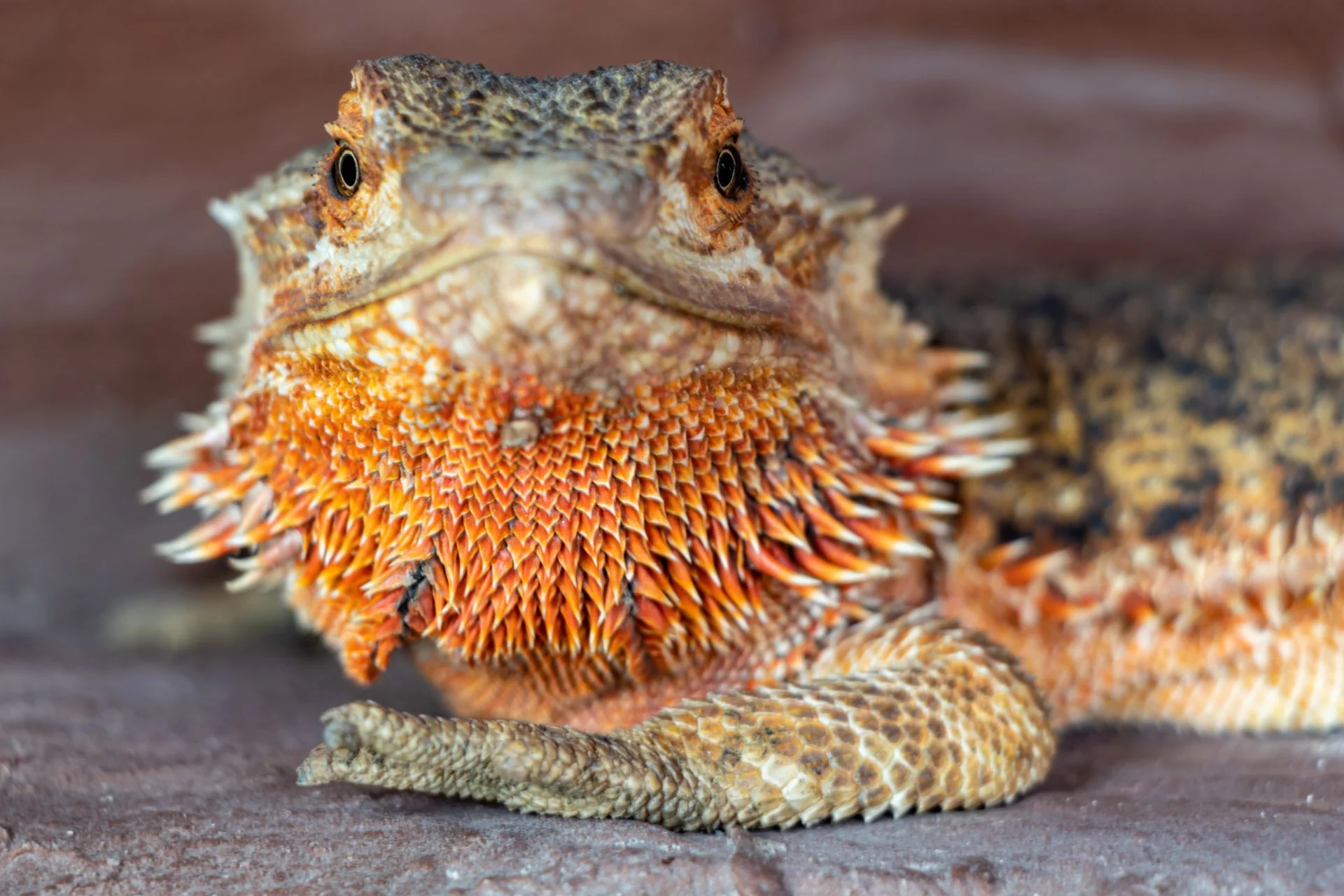
A bearded dragon's diet is one of the most important aspects of its care. A well-balanced diet supports healthy growth, proper bone development, and a lifespan that can reach 10 to 15 years. An imbalanced diet causes problems that compound over time, from metabolic bone disease to obesity. Understanding what to feed, in what quantities, and at what life stage removes most of the guesswork.
Why diet matters for bearded dragons
Bearded dragons are omnivores. Their digestive system is built to process both animal protein and plant fiber, and they need both to thrive. Protein-heavy insects support growth and development, particularly in young animals. Fiber-rich vegetables support digestion and hydration in adults. Getting the balance wrong in either direction causes health problems. A good diet maintains proper weight, supports bone density through adequate calcium intake, keeps the digestive system moving, and supports immune function. Poor diet does the opposite: it stunts growth, causes metabolic bone disease from calcium deficiency, and can shorten lifespan significantly.How diet changes with age
The ratio of insects to vegetables changes as bearded dragons grow. This reflects the shift from rapid growth phase to maintenance phase:- Baby bearded dragons (0 to 3 months): approximately 80% insects, 20% vegetables
- Juvenile bearded dragons (3 to 12 months): approximately 50% insects, 50% vegetables
- Adult bearded dragons (12 months and older): approximately 20% insects, 80% vegetables
The best insects for bearded dragons
Insects provide protein, fat, and calcium. The most suitable options for regular feeding are:- Crickets: widely available, nutritious, and high in protein. They come in multiple sizes to match different ages. Gut-load them with vegetables before feeding to improve their nutritional value
- Dubia roaches: similar nutrition to crickets but quieter, less likely to escape, and easier to digest due to a softer exoskeleton. A strong alternative or rotation option
- Black soldier fly larvae (also called phoenix worms or calciworms): very high in calcium with a natural calcium-to-phosphorus ratio of 2:1, which helps prevent metabolic bone disease. A soft body makes them easy to digest
- Locusts: larger and more active than crickets, which engages natural hunting behavior. Slightly less chitin than crickets, making them more digestible
The best vegetables for bearded dragons
Vegetables provide fiber, vitamins, and minerals. For adult bearded dragons, they form the majority of the diet. The best everyday options are:- Collard greens: high in calcium, vitamins A and C, and fiber. Low in oxalates, with a favorable calcium-to-phosphorus ratio
- Dandelion greens: high in calcium and vitamins, low in oxalates. Often accepted readily and a good staple
- Mustard greens: similar nutritional profile to collard greens. Good for variety in the rotation
- Turnip greens: high calcium content and low oxalate levels. A solid addition to any vegetable mix
- Bok choy: nutritious, with a good calcium balance. Works well mixed with other greens
- Escarole: slightly bitter, but nutritious and low in oxalates
Fruit: occasional treats only
Fruits are high in sugar, which makes them appropriate only as occasional additions, not staples. Limit fruit to no more than 10% of the overall diet. Safe options include apples (seeds removed), bananas, berries, grapes, melons, and pears. Prepare them the same way as vegetables: washed, peeled where necessary, and cut into small pieces. The high phosphorus content of most fruits can interfere with calcium absorption if fed in large amounts. Occasional small servings are fine; daily fruit portions are not.Foods to avoid
Some foods are genuinely dangerous for bearded dragons and must never be offered:- Avocado: contains persin, which can cause heart failure in reptiles. Even small amounts are potentially fatal
- Rhubarb: contains oxalic acid, which binds calcium and can cause kidney failure
- Spinach: high in oxalic acid and can cause calcium deficiency if fed regularly
- Lettuce (iceberg variety): very low in nutrition and can cause diarrhea
- Citrus fruits: high acidity upsets digestion and can damage the mouth
- Meat, dairy, and bread: none of these are appropriate for bearded dragons and can cause serious digestive problems
- Fireflies: contain lucibufagin, a toxin that can cause paralysis and death. A single firefly can kill a bearded dragon
- Wasps, bees, and ants: all pose risks through stings, bites, or parasites
- Wild-caught insects: may carry pesticides or diseases. Only use captive-raised feeders from reliable sources
Water and hydration
Fresh water should be available in a shallow bowl that is easy to access and easy to clean. Replace it daily. Some bearded dragons prefer water misted onto their snout rather than drinking from a bowl. Offer both, particularly with young animals that may not have developed a preference yet. Use filtered or bottled water rather than tap water, which can contain chlorine or fluoride in amounts that may affect reptile health over time. Check hydration by observing skin condition. Wrinkled or tented skin that does not return quickly when gently pinched indicates dehydration. Sunken eyes are another sign. Contact your vet if you notice either.Feeding your bearded dragon while you travel
Bearded dragons require more dietary precision than most pets, which makes finding a capable sitter more important than it might seem. A sitter who feeds the wrong foods, offers incorrect portion sizes, or misses meals can cause digestive problems or nutritional deficits that are not immediately visible but accumulate quickly. Before leaving your bearded dragon with a sitter, prepare:- A written feeding guide covering which insects to offer, how many, how often, and how to dust them with calcium supplement
- A vegetable list with approved greens, quantities, and how to prepare and serve them
- Clear instructions on which foods are forbidden, particularly avocado, rhubarb, and any live insects not from the approved feeder stock
- The water setup and how often to check and replace it
- Signs of concern: refusal to eat for more than two days, unusual lethargy, swollen abdomen, or changes in droppings
- Vet contact details, ideally for a reptile-specialist practice
Frequently asked questions
1. How often should I feed my bearded dragon?
Feeding frequency depends on age. Baby and juvenile dragons should eat insects once or twice daily, with vegetables available at the same time. Adults eat insects every other day and have vegetables available daily. Offer insects in a portion size your dragon can consume within 10 to 15 minutes. Remove any uneaten insects and leftover vegetables from the enclosure after feeding time.
2. What supplements does a bearded dragon need?
Calcium powder should be dusted onto feeder insects at every feeding. Vitamin D3 should be added two to three times per week. A broad-spectrum multivitamin can be offered once or twice weekly to cover any gaps. Calcium without D3 is not properly absorbed, so the two are usually used together unless your dragon receives significant UVB light exposure, which supports natural D3 synthesis.
3. Can bearded dragons eat fruit every day?
No. Fruit is high in sugar and phosphorus, both of which cause problems when consumed in large amounts. Offer fruit as an occasional treat, no more than a few times per week in small portions, and ensure it makes up no more than 10% of the overall diet. Remove fruit that is not eaten promptly to prevent fermentation and bacterial growth in the enclosure.
4. What vegetables are best for adult bearded dragons?
Collard greens, dandelion greens, mustard greens, and turnip greens form the best core of an adult bearded dragon's vegetable intake. They are high in calcium and low in oxalates. Bok choy and escarole are good additions for variety. Rotate through several options rather than feeding the same vegetable every day, and introduce any new vegetable gradually to monitor for digestive sensitivity.
5. How can I tell if my bearded dragon is eating well?
A well-nourished bearded dragon is alert and active during its normal waking hours, maintains a stable body weight, passes regular droppings, and shows interest in food at feeding time. Weight loss, decreased activity, refusal to eat for more than two days, or changes in droppings all warrant a vet consultation. Weigh your dragon monthly using a kitchen scale and keep a record to spot gradual changes early.
6. What should I tell a pet sitter about feeding my bearded dragon? 🐾
Give the sitter a written guide covering: which insects to use and how to prepare them, how to apply calcium supplement before feeding, which vegetables are approved and how to prepare them, what foods must never be offered, and what a normal day's feeding looks like from start to finish. Include a clear list of forbidden foods and explain why, so the sitter understands the stakes rather than treating it as an arbitrary rule. Leave pre-portioned feeder insects and a labeled supply of calcium powder so there is no guesswork involved during the sit.