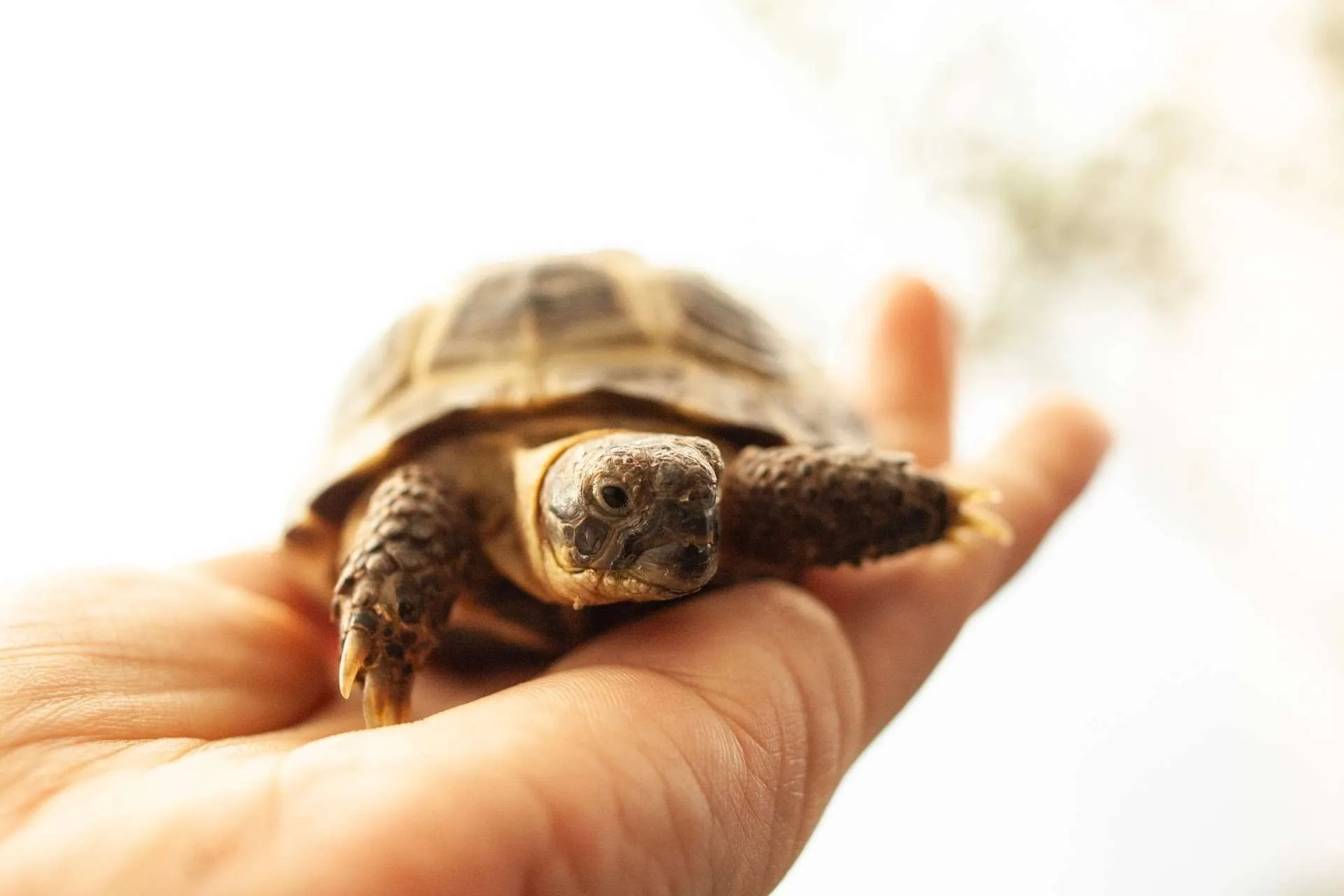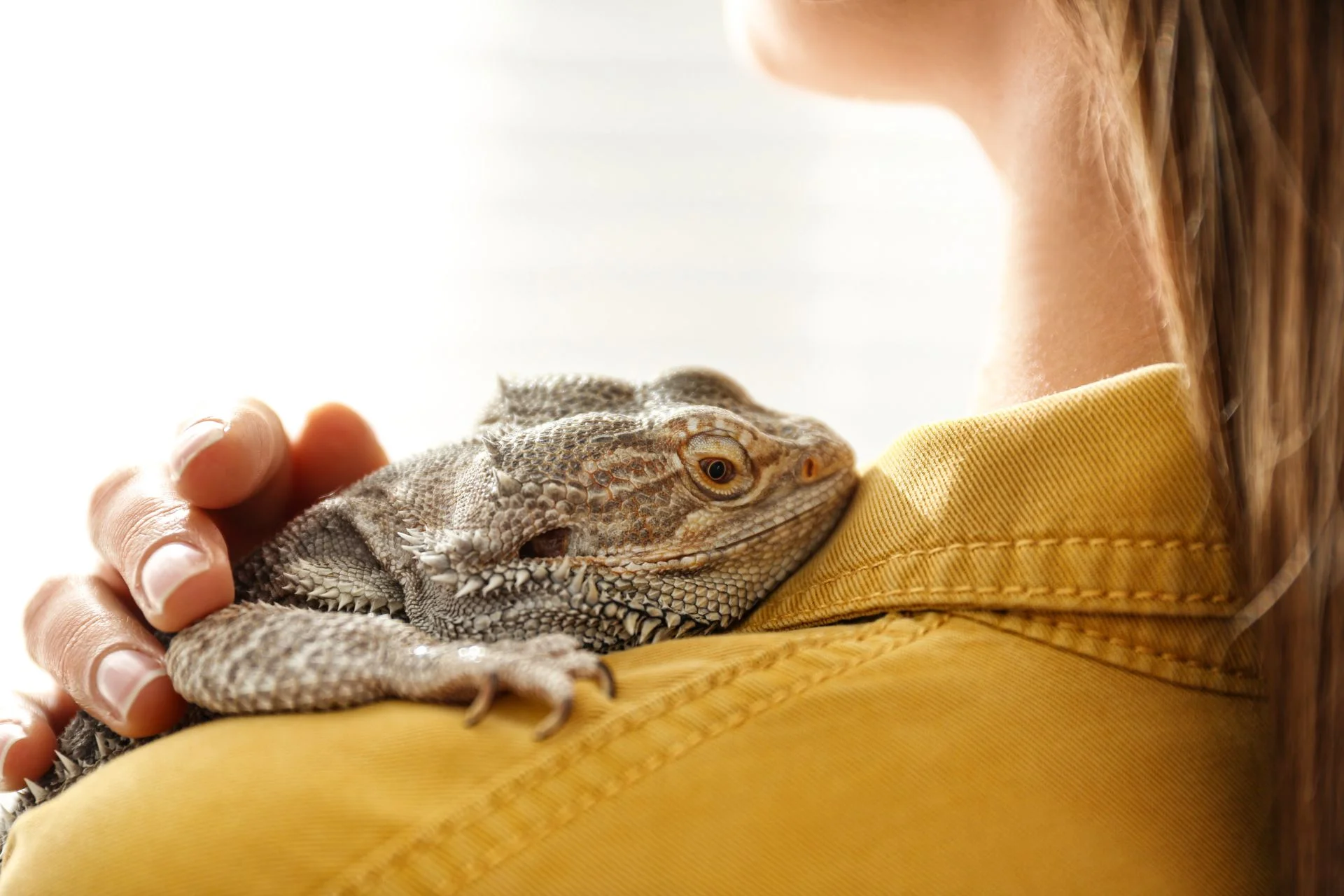
Exotic animals cover a wide range of species, from hedgehogs and sugar gliders to reptiles, amphibians, large parrots, and invertebrates. Unlike dogs and cats, these animals often have highly specific housing, diet, temperature, and social requirements. Getting those details wrong causes real harm, which is why the store you buy from matters considerably. A good store does more than sell you an animal. It helps you understand what you are taking on, confirms the animal's legal status and health history, and supports you after the purchase. A poor store does the opposite, and the animal and the owner both pay the price. If you are considering a reptile as your first exotic pet, our list of the best reptile pets for beginners is a useful starting point for understanding what different species require.
Why buying from a trustworthy store matters
Choosing where to buy your exotic pet has consequences beyond the initial transaction:- Legal protection: a reputable store ensures the animal is legally sourced and that you are not inadvertently purchasing a protected or illegally imported species. This matters both ethically and practically, as ownership of certain species carries legal consequences in many jurisdictions
- Animal health: stores with proper care standards keep animals in appropriate enclosures with correct diet, temperature, and social conditions. Animals from well-maintained environments arrive healthier and transition more easily to a home setting
- Accurate information: a knowledgeable store can tell you what the animal actually needs, not just what will secure the sale. This includes honest information about care demands, lifespan, and whether the species suits your lifestyle
- Ongoing support: reputable stores often provide aftercare resources, vet referrals, and return or exchange policies for animals that turn out to be unwell or not a good fit
Signs of a trustworthy exotic pet store
Use these indicators when assessing any store:- Proper licensing and permits: the store should comply with national and local regulations governing exotic animal sales. In the United States, this includes USDA compliance and adherence to CITES agreements for internationally protected species. In other countries, equivalent frameworks apply. A legitimate store will be transparent about its licensing if asked
- Animal welfare standards: enclosures should be clean, appropriately sized, and stocked with species-appropriate enrichment and diet. Animals should appear alert, well-fed, and not overcrowded
- Transparency about sourcing: staff should be able to tell you where the animal came from, whether it was captive-bred or wild-caught, and what its health history looks like
- Health documentation: reputable stores provide veterinary records or health certificates for animals they sell, particularly for species that commonly carry parasites or diseases
- Knowledgeable staff: employees should be able to answer detailed questions about the specific species you are considering, not just general pet care platitudes
How to find a trustworthy exotic pet store
Online research
Search for stores that specialize in your species of interest rather than general pet shops that carry a few exotic animals as a sideline. Look for detailed care information on their website, verified reviews from exotic pet owners, and active social media presence that shows the animals in their care. Sites like Imperial Reptiles and Underground Reptiles are examples of online retailers with established reputations in the reptile community.Visit in person
If you can visit a store before buying, do so. Walk through the animal areas and observe conditions. Are enclosures clean? Are the animals alert and well-fed? Are staff engaged and informative, or primarily focused on closing a sale? The state of the animals in a store's care is the most direct evidence of the store's standards.Ask the right questions
Whether in person, by phone, or online, ask:- Where do your animals come from, and are they captive-bred or wild-caught?
- What licenses or permits do you hold?
- Can you provide health records or a certificate of health?
- What is your return or health guarantee policy?
- What care requirements should I be aware of for this species?
Community recommendations
Reptile, amphibian, and exotic mammal communities maintain active online forums and local groups. Members share detailed feedback about specific stores, including long-term experiences beyond the initial purchase. This kind of informed peer review is harder to fake than curated testimonials on a store's own website.Exotic pet owners and pet sitters
Exotic pet owners who travel face a specific challenge: most pet sitters have experience with dogs and cats, and very few have hands-on experience with reptiles, amphibians, birds, or exotic mammals. The care requirements are fundamentally different, and the consequences of errors are often less visible until they become serious. When looking for a sitter for an exotic pet, go beyond the standard search and ask specifically about experience with your species. A sitter who has cared for bearded dragons before is meaningfully better prepared for that assignment than one working from written instructions alone. For reptile owners, our guide on what bearded dragons eat is a useful resource to share with sitters so they understand the dietary precision involved. Before leaving any exotic pet with a sitter, prepare:- Written care instructions specific to your species, including temperature requirements, lighting schedules, feeding routine, and water setup
- A list of foods or substances that are dangerous for your animal
- Signs of illness or stress specific to your species, and what action to take
- Contact details for a vet who treats your type of animal
- Emergency contact information and clear guidance on what constitutes an emergency
Frequently asked questions
1. What counts as an exotic pet?
Exotic pets are generally defined as animals not commonly kept as domestic companions and often native to other regions. This includes hedgehogs, sugar gliders, prairie dogs, reptiles like snakes and lizards, tortoises, turtles, large parrots, amphibians, invertebrates, and some larger mammals. The definition varies by jurisdiction, and legal ownership of certain species requires specific permits regardless of where you purchase them.
2. Why does it matter whether an animal is captive-bred or wild-caught?
Captive-bred animals are generally healthier, carry fewer parasites and diseases, and are better adapted to life in a home environment. Wild-caught animals often experience significant stress during capture and transport, arrive with health problems, and may never fully adapt to captivity. Buying captive-bred animals also removes demand for wild collection, which contributes to population pressure on many species.
3. Why is a USDA license important when buying from a store in the US?
A USDA Animal Welfare Act license indicates that the store has met minimum federal standards for animal housing, care, and record-keeping. It does not guarantee exceptional practices, but it confirms the operation is subject to oversight and inspection. Stores operating without required licenses have no external accountability for their animal care standards.
4. How can I tell if an animal in a store is healthy?
Look for clear, bright eyes without discharge, clean skin or scales with no visible wounds or abnormalities, active and alert behavior during the animal's normal waking hours, and a body condition that suggests appropriate feeding. Avoid animals that appear lethargic when they should be active, show signs of respiratory issues such as audible breathing or open-mouth breathing, or are housed in overcrowded or unsanitary conditions.
5. What should I do if a store refuses to answer questions about sourcing or licensing?
Take that refusal seriously. Reputable stores have nothing to hide about their sourcing or compliance status. A store that deflects or dismisses questions about licensing, animal origins, or health records is a store where those standards are likely not being met. Find an alternative source.
6. How do I find a pet sitter experienced with exotic animals? 🐾
Ask directly and specifically. When contacting potential sitters, name your species and ask how many animals of that type they have cared for, what care routines they have handled, and how they would respond to a health concern. General pet experience does not transfer automatically to exotic species. Look for reviews from other exotic pet owners rather than relying on general positive feedback. A sitter who has cared for your species before, or a closely related one, is significantly better prepared than one working from written instructions for the first time.