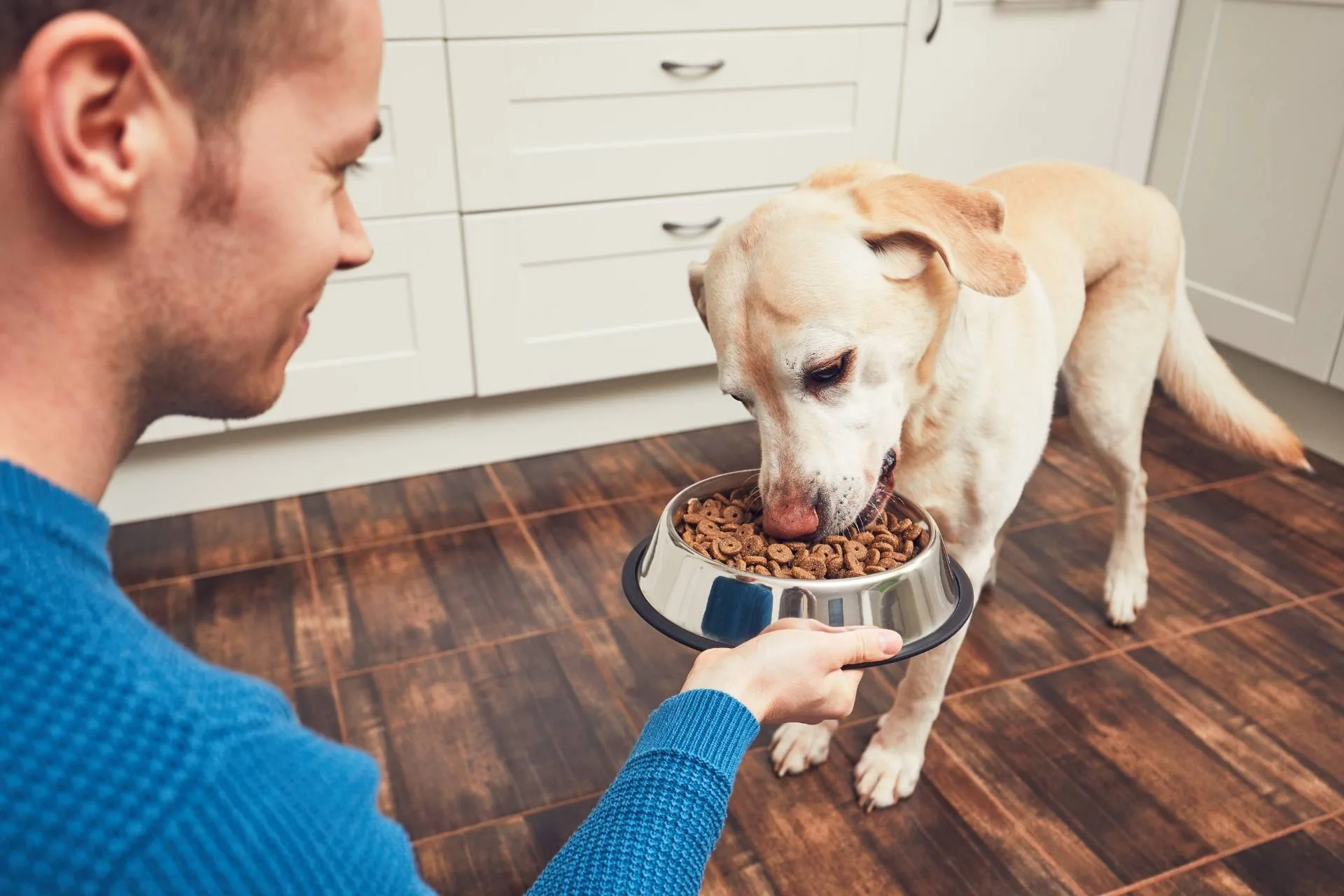
Good dog nutrition is not complicated, but it is specific. Dogs are primarily carnivores with omnivorous capability, which means their core nutritional requirements center on animal protein while they can benefit from selected plant-based additions. Understanding what they need, what they can safely eat beyond their main diet, and what can harm them gives you a clear framework for feeding decisions, and for the instructions you leave with anyone else who looks after your dog.
What a balanced diet for dogs looks like
A complete, commercially prepared dog food meeting AAFCO (Association of American Feed Control Officials) nutritional standards is the most reliable foundation for most dogs' diets. AAFCO certification means the food has been formulated or tested to meet minimum nutrient requirements for the relevant life stage. This is not a guarantee of exceptional quality, but it is a meaningful baseline.
Beyond that baseline, dogs benefit from the following essential nutrients in appropriate proportions:
Protein is the most important macronutrient for dogs. It supports muscle development, tissue repair, immune function, and energy. High-quality protein means named animal sources (chicken, beef, salmon, lamb) rather than generic "meat meal" or "animal by-products," which provide variable nutritional value.
Fats provide concentrated energy and are essential for skin, coat, brain function, and absorption of fat-soluble vitamins. Omega-3 fatty acids, particularly from fish oil and salmon, are especially beneficial for inflammatory conditions and coat health.
Carbohydrates are not strictly essential for dogs but can be a useful energy source. Whole grains (oats, brown rice, barley) and vegetables provide fiber that supports digestive health and can help with weight management. Dogs on grain-free diets should ensure adequate fiber from other sources.
Vitamins and minerals are typically adequately provided by a complete commercial food. Supplementation without veterinary guidance can cause imbalances: more is not always better, and some vitamins are toxic in excess. The American Kennel Club's nutrition guide provides a reliable reference for breed and life-stage specific requirements.
Dry food vs wet food vs raw
Dry food (kibble) is convenient, shelf-stable, and typically lower cost per calorie. The mechanical chewing action provides some dental benefit. Quality varies significantly between brands; read ingredient lists rather than relying on marketing claims.
Wet food has higher moisture content, which benefits dogs who don't drink enough water and those with urinary tract or kidney conditions. It is more palatable for picky eaters and easier for dogs with dental pain to eat. The higher cost per calorie is the main practical limitation.
A mixed diet, primarily dry with wet food added, gives most dogs the dental benefits of kibble alongside the hydration benefits of wet food. The total portion should be adjusted so the combination meets daily caloric requirements rather than treating wet food as an addition to a full dry food portion. To work out that daily amount for your dog's weight and life stage, use our free dog food calculator.
Raw diets are covered in detail in the BARF diet guide. For homemade cooked food, guidance from a board-certified veterinary nutritionist is important to ensure the diet is nutritionally complete; the homemade dog food guide covers the key considerations.
Safe human foods to supplement your dog's diet
Several human foods make safe, healthy additions to a dog's diet as treats or dietary supplements. All should be served plain (no seasoning, no sauces, no additives) and in appropriate portion sizes within the 10% daily calorie guideline for treats.
Lean proteins
Cooked chicken or turkey, skinless and completely unseasoned, is one of the best protein additions. Fully cooked eggs (scrambled or boiled, no seasoning) are nutritionally dense and highly palatable for most dogs. Fish, salmon or sardines specifically, provides omega-3 fatty acids that benefit coat and joint health. Fish must be fully cooked and boneless; sardines in water (no salt or oil) are a convenient option that can be served with the soft bones intact.
Vegetables
Carrots are one of the best vegetable options: low in calories, high in fiber and vitamin A, and the crunching action supports dental health. They can be served raw or cooked. Green beans are filling, low-calorie, and fiber-rich; a useful addition for dogs managing weight. Plain cooked or canned pumpkin (not pie filling, which contains sugar and spices) supports digestive health and is commonly recommended by vets for both constipation and diarrhea. For a full list of safe and unsafe vegetables, see the vegetables to avoid guide.
Fruits
Blueberries are a low-calorie, antioxidant-rich option that most dogs enjoy and that can be used as training treats. Apple slices (seeds and core removed: apple seeds contain trace cyanide) provide vitamin C and fiber. Bananas provide potassium and vitamins but are higher in sugar; feed in small amounts. For a comprehensive reference on safe and toxic fruits, the fruits for dogs guide and the AKC fruit and vegetable guide both cover the full range.
Toxic foods to never feed your dog
Several common foods cause serious harm to dogs. This list is not exhaustive, but these are the most important to know:
Grapes and raisins cause acute kidney failure in dogs through an unknown mechanism. There is no safe dose and no antidote. Even a single grape can be fatal in small dogs. Any ingestion is a veterinary emergency: do not wait for symptoms. Contact the ASPCA Animal Poison Control Center at 888-426-4435 or your vet immediately.
Xylitol is an artificial sweetener found in sugar-free gum, mints, candy, some peanut butter brands, baked goods, and certain medications. It causes a rapid insulin release in dogs, leading to hypoglycemia, and in higher doses, liver failure. Check peanut butter labels before using it with dogs: this is one of the most underappreciated risks because peanut butter is widely used as a dog treat.
Chocolate contains theobromine and caffeine, both toxic to dogs. Dark chocolate and baking chocolate contain the highest concentrations. Symptoms include vomiting, diarrhea, rapid heart rate, tremors, and seizures. The toxic dose varies by body weight and chocolate type; any significant ingestion warrants a vet call.
Onions, garlic, leeks, and chives (in any form, raw, cooked, or powdered) damage red blood cells and cause hemolytic anemia. The powdered forms are more concentrated and therefore more dangerous per gram. Garlic powder in human foods is a common accidental source.
Macadamia nuts cause weakness, hyperthermia, vomiting, and tremors in dogs. The mechanism is not fully understood but the effect is consistently observed.
Avocado contains persin, which causes vomiting and diarrhea in dogs, and the pit presents a choking and obstruction risk.
The ASPCA Animal Poison Control Center maintains a comprehensive database of toxic foods and plants and is available 24 hours for emergency consultations.
Feeding by life stage
Puppies require food formulated for growth, higher protein, higher fat, and the appropriate calcium-to-phosphorus ratio for bone development. Large breed puppies have specific growth requirements that differ from small breeds; large breed puppy formulas control calorie density to prevent rapid growth that can stress developing joints.
Adult dogs need a maintenance diet appropriate to their size and activity level. A working dog or very active adult has different caloric requirements than a sedentary indoor dog of the same breed.
Senior dogs typically need fewer calories as activity decreases, but often benefit from higher protein to maintain muscle mass, the opposite of what some owners assume. Foods specifically formulated for senior dogs typically also address joint health and antioxidant support. The guide to caring for senior dogs covers dietary adjustments in more detail.
What dog sitters, dog walkers, and pet boarders need to know
A well-meaning dog sitter who offers a dog a handful of grapes or shares a sugar-free mint can inadvertently cause a medical emergency. Written feeding instructions that go beyond "feed twice a day" are one of the most important things an owner can provide before traveling.
Your sitter instructions should cover: the brand and amount of food per meal, which treats are approved, what human foods are allowed if any, and (critically) which foods must never be given. Xylitol, grapes, and chocolate should be named explicitly rather than assumed to be obvious. A dog walker who wants to reward a dog during a walk should know exactly which treats are appropriate rather than buying something from a shop en route.
Include your vet's contact and the ASPCA Poison Control number (888-426-4435) in your instructions so a sitter who is uncertain about an ingestion has immediate access to guidance rather than having to search for it.
Frequently asked questions
1. What is the healthiest thing to feed your dog?
A complete, AAFCO-certified commercial dog food appropriate to your dog's life stage and size, supplemented with small amounts of safe whole foods (cooked lean protein, blueberries, carrots, green beans) as treats within the 10% daily calorie guideline. No single "superfood" substitutes for a balanced complete diet; the combination of a quality commercial food and appropriately chosen additions is the most reliably healthy approach for most dogs.
2. What is the 90/10 rule for dogs?
The 90/10 rule refers to the guideline that at least 90% of a dog's daily caloric intake should come from a complete, balanced dog food, with treats and supplements making up no more than 10%. This prevents treat calories from displacing the essential nutrients in complete food and reduces the risk of nutritional imbalance or weight gain from high-calorie additions. For a medium dog eating around 1,000 calories per day, the treat allowance is approximately 100 calories, less than most owners estimate.
3. How often should I feed my dog?
Most adult dogs do well with two meals per day. Puppies under six months generally need three to four smaller meals to support growth and maintain blood sugar. Large breed puppies may also benefit from two to three meals to reduce bloat risk. Feeding at consistent times each day supports digestive regularity and makes it easier to monitor appetite changes that might indicate illness.
4. How do I know if my dog has a food allergy?
Common signs include persistent itching, skin irritation, recurrent ear infections, and digestive issues (vomiting, diarrhea, gas) that are not attributable to a specific incident. Food allergies in dogs are less common than food intolerances, but both require identifying the trigger. An elimination diet, typically a hydrolyzed protein or novel protein diet under veterinary supervision, is the standard diagnostic approach. Self-diagnosis from symptom lists is unreliable; a vet consultation produces better outcomes.
5. What treats are good for dogs?
Low-calorie options with recognizable ingredients are the best choices: carrot pieces, blueberries, a small piece of cooked chicken, apple slices (seeds removed). Commercially prepared treats made with named protein sources and short ingredient lists are preferable to multi-ingredient treats with fillers and artificial additives. Freeze-dried treats made from single protein sources are a particularly good option for training rewards. Stay within the 10% daily calorie guideline regardless of treat type.
6. Is wet food or dry food better for dogs?
Neither is universally better: each has specific advantages. Dry food is more calorie-dense, easier to store, and provides mild dental benefit through chewing. Wet food provides hydration that benefits dogs with urinary tract issues, kidney conditions, or poor water intake, and is more palatable for picky eaters or dogs with dental pain. Many dogs do well on a combination: a primarily dry food diet with wet food added for palatability and hydration. Total daily calories should be managed across the combination. 🐕
Good nutrition for dogs is not about finding a single perfect food or following a trend. It is about a solid foundation (a complete food appropriate to your dog's life stage) supplemented thoughtfully with safe additions and protected from the relatively small number of foods that can cause serious harm. Getting that combination right, and making sure anyone else who feeds your dog knows it too, is the practical goal.