TL;DR: The BARF diet (raw meat, bones, and some vegetables) can improve digestion, coat quality, and energy in dogs and cats, but it carries real risks around bacterial contamination, bone hazards, and nutritional imbalance if not planned carefully. Vet guidance before starting is not optional.
The BARF diet (Biologically Appropriate Raw Food) has been dividing pet owners and vets for years. The core idea is simple: feed dogs and cats the way their ancestors ate before processed pet food existed, raw meat, raw bones, and some plant matter. The reality of doing it well is considerably more involved than that summary suggests.
If you're considering switching your dog or cat to a raw diet, this guide covers what it actually involves, where the genuine benefits lie, what the risks are and how seriously to take them, and what to think about when you need someone else to feed your pet.
What the BARF diet involves
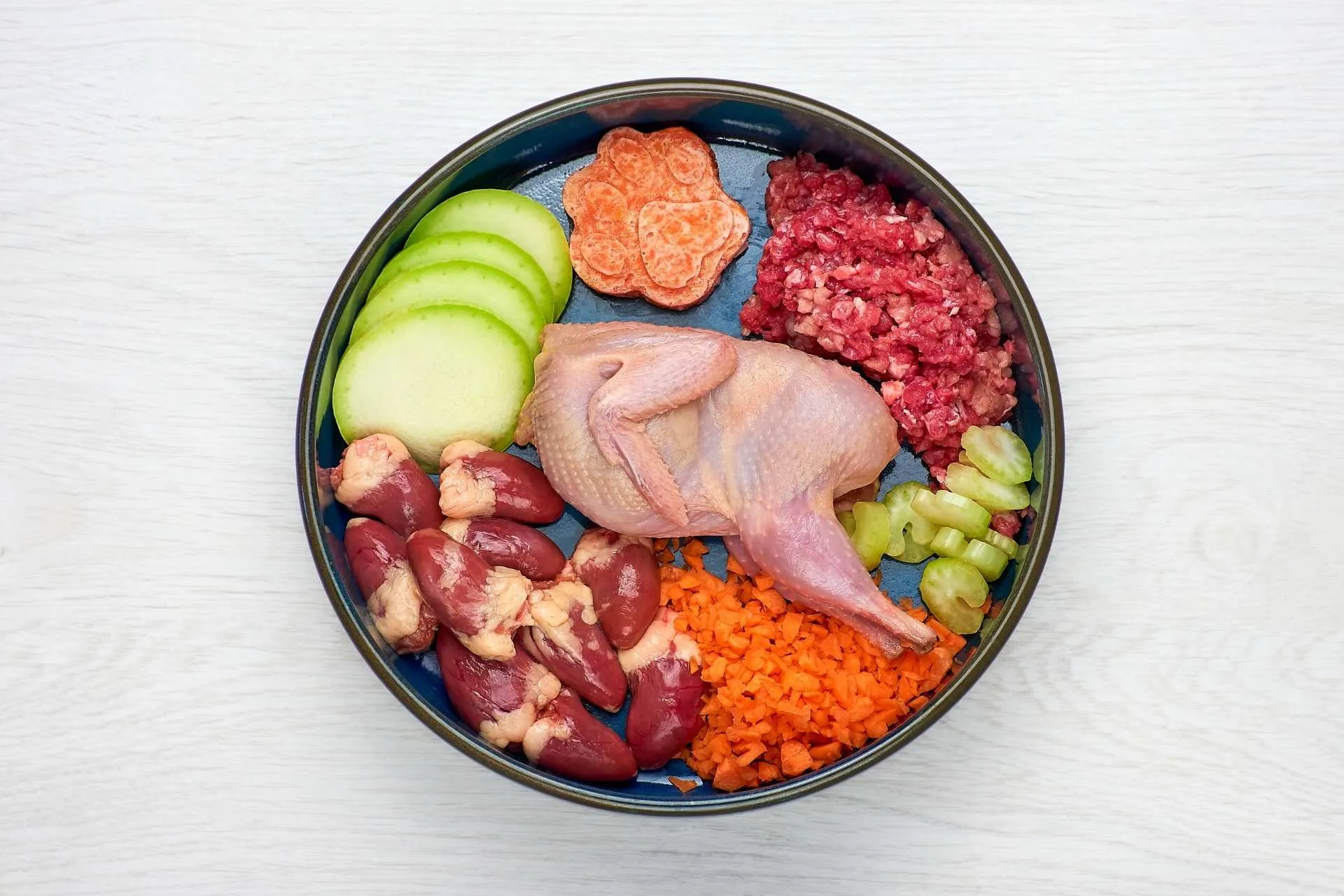
A properly constructed BARF diet typically includes raw muscle meat, raw meaty bones, organ meat (liver particularly), and a smaller proportion of vegetables and fruit. The ratios vary depending on the source, but a commonly referenced breakdown is roughly 70% muscle meat, 10% raw edible bone, 10% organ meat (with liver making up half of that), and the remainder vegetables. Some approaches also include eggs and small amounts of dairy.
The distinction between "raw feeding" and "BARF" is worth knowing: raw feeding is a broader term that covers any diet based on uncooked food, while BARF specifically refers to the biologically appropriate framing developed by veterinarian Ian Billinghurst in the 1990s. In practice, many owners use both terms interchangeably, but BARF implies a more structured ratio-based approach rather than simply feeding raw meat without a framework.
Dogs and cats have somewhat different requirements. Cats are obligate carnivores: they have a biological need for nutrients found only in animal tissue, including taurine and arachidonic acid, and cannot synthesize them from plant sources the way dogs can to some extent. This makes nutritional balance in a raw diet more consequential for cats, and the margin for error smaller.
The case for the BARF diet
The owners who report the most positive outcomes from switching to raw feeding tend to point to the same changes: improved coat condition, smaller and less frequent stools, better digestion, and increased energy. Some also report improvements in pets with chronic skin conditions or food sensitivities once common kibble ingredients like corn, wheat, and artificial additives are removed from the diet.
The argument for better digestion is the most credible. Raw meat is closer to what a dog or cat's digestive system evolved to process: the shorter, more acidic gastrointestinal tract of both species is designed for animal protein rather than the grain-heavy formulations that dominate commercial dry food. Smaller stool volume is a consistent finding among raw-fed dogs and cats, which reflects higher digestibility of the food and less undigested bulk passing through.
Coat improvements are commonly reported and plausible, the higher fat content of a well-balanced raw diet, particularly from omega fatty acids in fish and organ meat, supports skin and coat health in ways that many commercial foods don't match unless specifically formulated for it.
The honest caveat is that much of the evidence for BARF benefits is observational. Controlled studies are limited, and the variation in how owners construct raw diets makes broad claims difficult to substantiate scientifically. The benefits are real for many pets; they're not guaranteed for all of them, and they depend heavily on the diet being correctly balanced.
The risks, and how seriously to take them
There are three risks worth taking seriously, not dismissing as overcaution.
Bacterial contamination. Raw meat can carry Salmonella, Listeria, E. coli, and Campylobacter. Healthy adult dogs and cats have digestive systems well-equipped to handle most bacterial loads that would make a human ill, but immune-compromised animals, puppies, kittens, and senior pets are more vulnerable. The risk to humans in the household is also real: handling raw meat, cleaning food bowls, and contact with a pet that has just eaten all create exposure routes. Strict food hygiene is non-negotiable if you feed raw: clean preparation surfaces immediately, wash hands thoroughly, and use dedicated equipment.
Bones. Raw bones are generally safer than cooked bones, which splinter easily and can cause internal damage. However, raw bones still carry risks, intestinal obstruction, tooth fractures, and in some cases perforation of the gut wall. The size and type of bone matters: large weight-bearing bones from cattle are too dense and can fracture teeth; small poultry bones can be swallowed whole and cause blockages. If you include bones in a BARF diet, they should always be appropriate to the size of your pet and offered under supervision. Many owners who want the dental benefits of raw bones opt for freeze-dried alternatives that carry lower risk.
Nutritional imbalance. This is the risk that most concerns vets, and for good reason. A diet of raw meat alone is not balanced: it's typically deficient in calcium, certain vitamins, and for cats specifically, taurine. Getting the ratios wrong over time leads to deficiencies that manifest slowly and are often not obvious until damage is done. Homemade raw diets require either careful adherence to a veterinarian-formulated recipe or regular blood work to confirm your pet's nutritional status. For more on what constitutes a healthy diet baseline, the healthy food choices for dogs guide covers the fundamentals.
What vets think about the BARF diet
Veterinary opinion is genuinely divided, which is worth acknowledging rather than glossing over. Most mainstream veterinary organizations, including the American Veterinary Medical Association, advise against raw meat diets primarily on the grounds of bacterial risk to pets and humans. Many vets are also skeptical of homemade raw diets because of how frequently they're nutritionally incomplete when tested.
On the other side, a meaningful number of vets (particularly those with a focus on integrative or functional animal medicine) support raw feeding when it's properly formulated and the owner can commit to the hygiene and preparation requirements. Their position is typically that the benefits for the right pet in the right household outweigh the risks, provided those risks are managed rather than ignored.
The practical takeaway: if you want to try a BARF diet, the conversation with your vet needs to happen before the switch, not after. A vet who knows your pet's health history, age, and any existing conditions can give you a realistic assessment of whether raw feeding is appropriate for your specific animal. A blanket endorsement from an online community is not a substitute for that.
How to start the BARF diet safely
Transition gradually. Switching abruptly from kibble to raw can cause digestive upset: loose stools and vomiting are common in the first week if the change is too fast. Start by replacing a small portion of your pet's current food with raw, and increase the proportion over two to three weeks as their system adjusts.
Source meat carefully. Human-grade meat from a butcher or reputable supplier is preferable to pet-grade raw that may have a longer or less traceable supply chain. Freeze meat before use where possible: freezing doesn't eliminate all bacteria but reduces the load.
Use a formulated recipe rather than improvising. Resources from qualified veterinary nutritionists or board-certified specialists are worth seeking out over general online guides, which vary considerably in quality. If you're feeding cats specifically, taurine levels are not negotiable: verify that any recipe you use accounts for it explicitly.
Keep records. Note what you're feeding, in what quantities, and any changes in your pet's coat, energy, stool consistency, or weight. This gives you and your vet something concrete to work from at check-ups rather than relying on impressions.
Feeding a BARF-diet pet when you're away
Raw feeding adds a layer of complexity to pet care arrangements that kibble owners don't have to think about. A pet sitter or dog walker who has never handled raw meat in a pet care context may not know how to manage it safely, how much to prepare, or how to follow a precise feeding schedule that involves thawing, portioning, and cleaning up properly. To estimate the daily amount to leave, use our free dog food calculator or cat food calculator.
This is worth raising explicitly when you're finding a sitter. Ask whether they've cared for raw-fed pets before. If they haven't, consider whether you're willing to walk them through your specific routine during a meet-and-greet: some sitters are entirely willing once they understand the practicalities; others aren't comfortable and will tell you so. Either answer is useful information before you've already confirmed your travel plans.
Your instructions for your sitter need to be more detailed than they would be for a kibble-fed pet: which meals come from the freezer, how long to thaw, exact portion sizes by weight, how to clean bowls and preparation surfaces, and what not to feed under any circumstances. Pre-portioning meals into labeled containers before you leave removes most of the complexity and reduces the chance of error.
On Petme, sitter profiles include a social feed that gives you a real sense of how a sitter operates day-to-day, not just their listed services. For a raw-fed pet, finding someone who is detail-oriented, comfortable in a kitchen, and willing to follow a specific routine matters more than it might for a simpler care situation. Browsing profiles before reaching out lets you filter for that before you've invested time in a conversation.
Frequently asked questions
1. Is the BARF diet good for dogs?
For many dogs, yes, particularly those with food sensitivities, poor coat condition, or digestive issues that haven't resolved on commercial food. The benefits are real when the diet is properly balanced and hygiene is managed carefully. It is not inherently better than a high-quality commercial diet for every dog, and it requires more time and knowledge to do correctly. The answer depends on the individual dog, the owner's capacity to manage it well, and guidance from a vet familiar with the pet.
2. Is the BARF diet good for cats?
Cats can thrive on a properly formulated raw diet: they are obligate carnivores and their digestive systems are well-suited to animal protein. The risk is higher for cats than for dogs if the diet is nutritionally incomplete, because cats cannot compensate for certain deficiencies the way dogs can. Taurine deficiency in particular causes serious and often irreversible heart and eye damage. A raw diet for cats must be formulated to account for this, not improvised from basic meat portions.
3. Do vets recommend the BARF diet?
Opinion is divided. Most mainstream veterinary bodies advise against raw feeding on bacterial and nutritional grounds. A significant number of vets, particularly those with a focus on integrative medicine, support it when properly formulated and managed. The most honest answer is: some do, some don't, and the right vet for this conversation is one who knows your specific pet rather than one giving a blanket answer either way.
4. What is the difference between raw feeding and BARF?
Raw feeding is the broad term for any diet based on uncooked food. BARF specifically refers to the Biologically Appropriate Raw Food framework developed by veterinarian Ian Billinghurst, which specifies approximate ratios of muscle meat, bone, organ meat, and vegetables. In practice, many pet owners use the terms interchangeably. BARF implies a more structured approach than simply feeding raw meat without a nutritional framework.
5. How do I find a pet sitter who can handle a BARF diet?
Ask directly during the meet-and-greet whether they've cared for raw-fed pets before and whether they're comfortable with the preparation and hygiene requirements. Pre-portion meals before you leave to reduce the complexity of what you're asking them to manage. Leave written instructions that cover thawing times, portion sizes, bowl cleaning, and what your pet cannot be given. A sitter who is detail-oriented and willing to follow a specific routine will handle it well; one who seems uncertain is worth taking seriously as a signal.
6. What are the alternatives to the BARF diet?
Mixed feeding, combining raw with a high-quality commercial food, is a practical middle ground that reduces the nutritional balancing risk while still incorporating the benefits of raw protein. High-quality grain-free or limited-ingredient kibble addresses many of the processed-food concerns without raw feeding's complexity. Commercially prepared raw food (frozen or freeze-dried, professionally formulated) is another option for owners who want the raw diet benefits without constructing meals from scratch. 🐾
The BARF diet is neither the miracle some advocates claim nor the straightforward danger some vets describe. For the right pet, in the right household, managed with the right level of care, it can be a genuinely good way to feed. What it isn't is simple, and going into it clear-eyed about that, including what it means for the times when you're not the one feeding your pet, is what makes the difference between it working and it not.