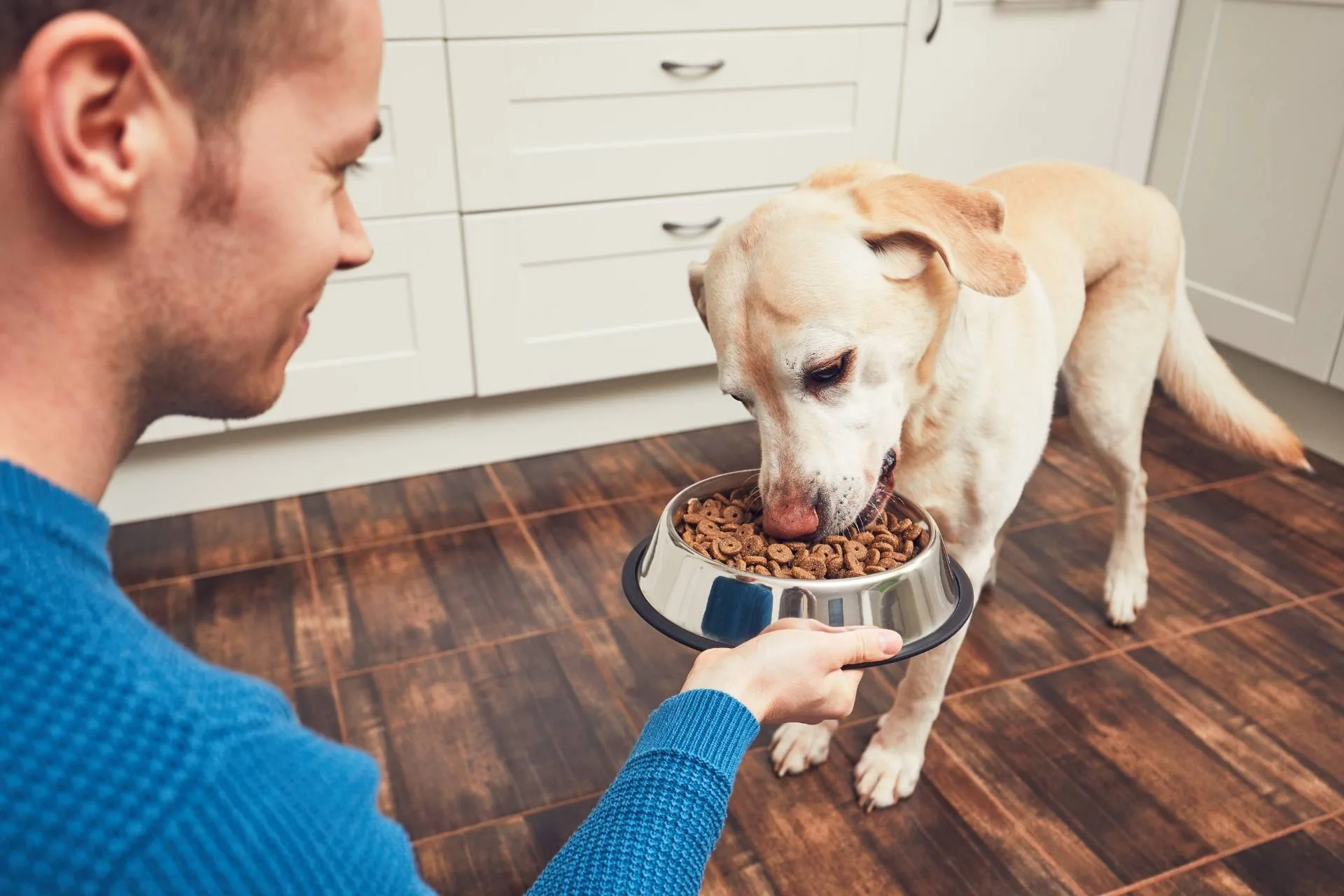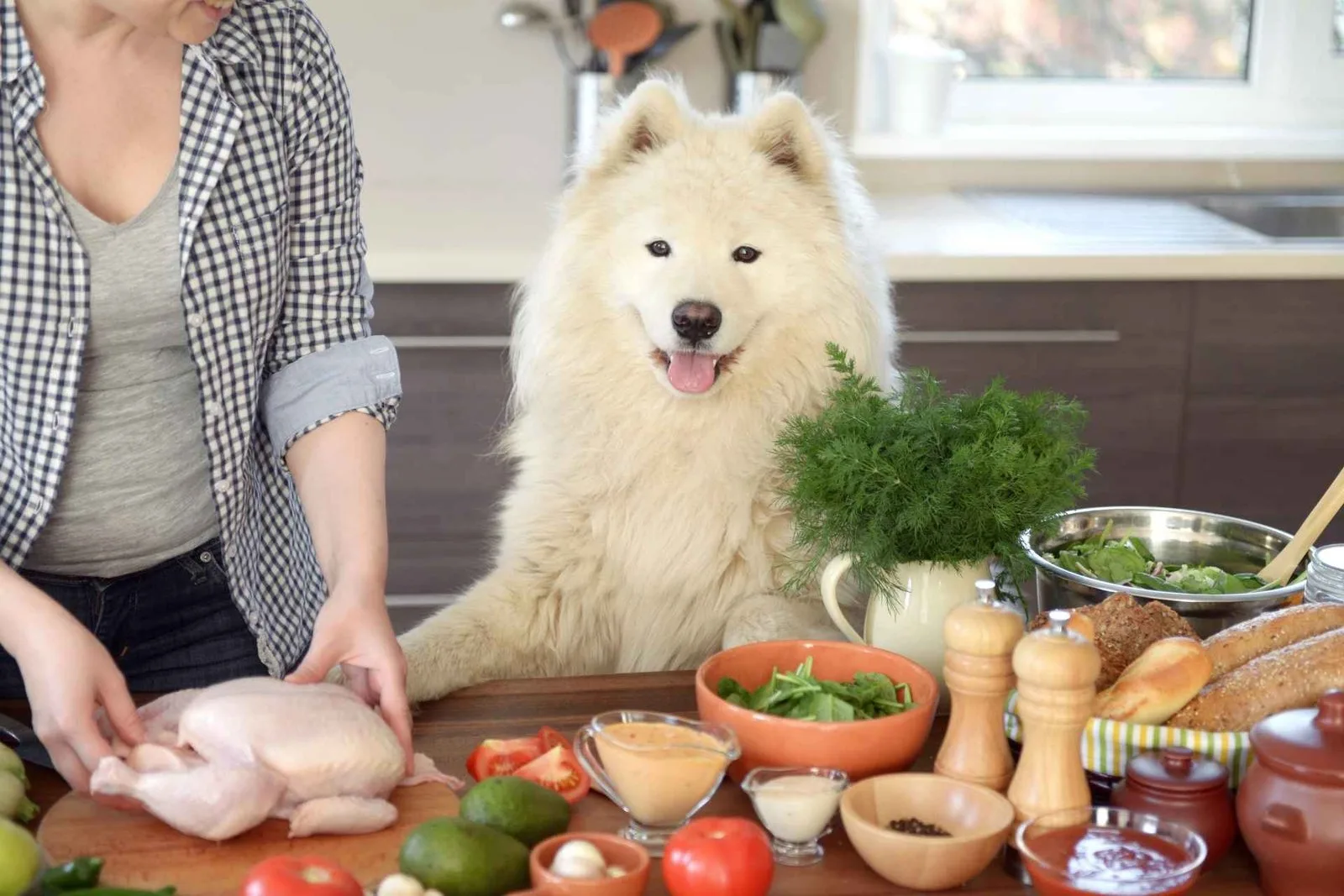
TL;DR: Three vet-approved homemade dog food recipes - chicken and rice for sensitive stomachs, beef and sweet potato for a heartier meal, and salmon with quinoa for an omega-3 boost. All use simple whole ingredients, take under 30 minutes, refrigerate for five days, and freeze for up to three months. Always consult your vet before switching, and add supplements to cover calcium and vitamin gaps.
Homemade dog food has real advantages: you control the ingredients, can eliminate allergens precisely, and adjust meals to your dog's age and health needs. But it has to be nutritionally complete to be worth the effort. These recipes are designed to provide a solid base - balanced protein, carbohydrates, healthy fats, and vegetables - without requiring a culinary background.
Why homemade dog food works
Healthier meals tailored to your dog's needs
A homemade diet lets you pick ingredients that suit your dog's individual profile. An older dog with stiff joints benefits from meals rich in omega-3s. A dog managing food allergies needs a protein source they have never been exposed to. A dog prone to weight gain needs lower fat and higher fiber. Commercial food is built for the middle of the range; homemade food can be built for your dog specifically.
For dogs with food sensitivities, making meals from scratch also makes it much easier to show your dog care through diet rather than managing recurring vet visits for reactions to unknown additives.
Before you start
Always consult your vet before making a full dietary switch. Homemade food can be low in calcium, vitamin D, and certain B vitamins unless these are added deliberately. A vet or veterinary nutritionist can tell you which supplements to include based on the specific recipes you are using. Adding a canine multivitamin or calcium supplement is the most common recommendation.
What makes a good base for homemade dog food
Proteins
Lean meats are the foundation: chicken breast, turkey, lean ground beef, lamb, and fish. These should be cooked thoroughly without any seasoning, garlic, or onion, which are toxic to dogs in any form. Remove all bones before serving. Fish should be fully cooked rather than raw to eliminate parasites.
Carbohydrates
Brown rice, quinoa, and oats provide sustained energy and fiber that supports digestion. Sweet potatoes and pumpkin are excellent starchy alternatives with higher vitamin content. Vegetables like carrots, green beans, and spinach add micronutrients without adding significant calories.
Fats
A tablespoon of flaxseed oil or fish oil added to each meal supports coat health, skin condition, and joint function. Olive oil works as well and most dogs accept it readily. Do not over-add fats - too much contributes to weight gain and can trigger pancreatitis in predisposed dogs.
Three homemade dog food recipes
Chicken and rice (for sensitive stomachs)
This is the most versatile recipe and a good starting point for dogs transitioning away from commercial food. It is easy to digest, low in fat, and acceptable for most dogs including those recovering from a stomach upset.
Ingredients:
- 2 cups cooked chicken breast, shredded
- 1 cup cooked brown rice
- 1/2 cup cooked carrots, chopped
- 1 tablespoon flaxseed oil
Instructions:
- Mix all ingredients in a bowl once everything has cooled to room temperature.
- Serve fresh or divide into daily portions.
- Refrigerate for up to five days or freeze for up to three months.
Beef and sweet potato (hearty meal)
Higher in iron and vitamin A, this recipe suits active adult dogs and those who need more substance in their meals. Use lean ground beef to keep the fat content reasonable.
Ingredients:
- 450g (1 pound) lean ground beef
- 1 large sweet potato, cooked and mashed
- 1/2 cup chopped spinach
- 1 tablespoon olive oil
Instructions:
- Cook the ground beef thoroughly in a dry pan. Drain any excess fat.
- Mix in the mashed sweet potato and spinach while still warm.
- Stir in the olive oil once cooled slightly.
- Allow to cool fully before serving or storing.
Salmon and quinoa (omega-3 boost)
This recipe is particularly good for dogs with dry skin, dull coat, or joint issues. Quinoa is higher in protein than most grains and is gluten-free, making it useful for dogs with grain sensitivities.
Ingredients:
- 2 salmon fillets, cooked
- 1 cup cooked quinoa
- 1/2 cup steamed green beans
- 1 teaspoon fish oil
Instructions:
- Flake the cooked salmon and check carefully for bones.
- Combine with quinoa and green beans.
- Add the fish oil and mix well.
- Serve fresh or refrigerate in sealed containers.
Keeping meals balanced
Avoiding common mistakes
The most frequent error with homemade dog food is nutritional imbalance. Too much chicken and rice and not enough vegetables; too little calcium because there are no bones in the recipe; no vitamin D because the dog never eats eggs or fish regularly. Before committing to a recipe long-term, have a vet check it or use a formulation tool like BalanceIT to identify gaps.
Supplements and portions
Most homemade diets need at least a calcium supplement, since cooked meat without bone is low in it. A canine multivitamin covering vitamins D, E, B12, and zinc addresses the most common deficiencies. Ask your vet which specific supplements to add based on the recipes you are using.
Portions are generally 2-3% of body weight per day, split into two meals. Adjust upward for active dogs and downward for dogs prone to weight gain.
Prepping meals when you travel
If you are going away and leaving your dog with a pet sitter, dog sitter, or a dog boarding facility, homemade meals require a clear handover. Portion each meal into labeled containers marked with the day and serving size. If the meals are frozen, provide thawing instructions (refrigerator overnight, not microwave) and reheating guidance (gentle warming, no added seasoning).
Write out a short care note covering: how much per meal, how many times per day, whether warm or room-temperature food is preferred, and which foods the dog must not have. A pet sitter following these instructions precisely can maintain your dog's diet exactly as you would, which matters especially if your dog is managing a food allergy or digestive condition.
For dogs going into a dog boarding facility, confirm in advance whether they will serve your prepared food or require a commercial alternative. Many facilities accommodate home-cooked meals with advance notice.
FAQs
1. How often should I feed my dog homemade food?
Most adult dogs do well with two meals per day. Puppies and small breeds often benefit from three smaller meals until around six months of age. The exact amount depends on your dog's size, age, and activity level - use the 2-3% of body weight guideline as a starting point and adjust based on whether your dog is maintaining a healthy weight. Your vet can confirm the right portion size for your specific dog.
2. Can I mix homemade food with kibble?
Yes, and this is a practical middle-ground for many owners. Mixing homemade food with commercial kibble improves palatability and adds variety without the full commitment of a homemade-only diet. Account for the calories in the homemade portion by reducing the kibble amount proportionally. Avoid mixing raw homemade food with kibble, as they digest at different rates and the combination can cause digestive issues.
3. Do homemade dog food recipes need supplements?
Usually yes. Cooked meat-based diets are typically low in calcium, vitamin D, and some B vitamins. Without supplements, long-term deficiencies can develop gradually and affect bone density, coat condition, and immune function. The specific supplements needed depend on the recipe and your dog's health status. Have a vet review your planned recipes and recommend what to add before you start.
4. How long can I store homemade dog food?
Refrigerated homemade dog food keeps well for up to five days in airtight containers. Frozen food lasts up to three months. Label each container with the preparation date and serving size. If prepping meals for a pet sitter to use while you are away, frozen portions with clear labels and thawing instructions are the most practical approach for stays longer than five days.
5. Can homemade dog food help with allergies?
Yes. Homemade food is the most effective way to run a true elimination diet for food allergy investigation. By using a single novel protein (one your dog has never eaten before) and a single carbohydrate source, and nothing else, you can identify which ingredient is causing a reaction. This precision is not possible with commercial food, where cross-contamination and complex ingredient lists make true elimination difficult.
6. Can I use table scraps as part of homemade meals?
Occasionally, and only if the scraps contain no toxic ingredients. Plain cooked chicken, plain rice, plain-cooked vegetables like carrots or green beans are fine. What must be avoided: anything cooked with onion or garlic (both are toxic even in small amounts), anything seasoned with salt or spices, anything containing grapes, raisins, chocolate, or xylitol. The safest approach is to treat table scraps as an optional add-on to a planned meal rather than a substitute for it, and always check that what you are offering is explicitly dog-safe before adding it to the bowl.