TL;DR: Most healthy adult dogs poop 1-3 times per day. Puppies go more frequently - sometimes up to five times daily. Factors that affect frequency include diet, age, size, exercise level, and stress. A dog that has not pooped in 48 hours or is straining without producing anything needs veterinary attention. Changes in frequency, consistency, or color are often the first visible signs of a health issue.
Your dog's bathroom habits are a reliable health indicator. A consistent routine is a good sign. A sudden change - more frequent, less frequent, straining, or unusual appearance - is usually your first signal that something is worth looking into. Understanding what is normal for your dog makes it much easier to spot when something is off.
Why poop frequency matters
Bowel movements reflect what is happening across the digestive system. Frequency depends on how quickly food moves through the gut, which is influenced by diet, hydration, activity, and overall gut health. A dog whose frequency shifts notably without an obvious cause like a food change deserves attention.
This also matters if you are leaving your dog with a dog sitter, dog walker, or dog boarding facility. A sitter who knows your dog normally goes twice a day, first thing in the morning and again in the evening, can tell you if that pattern changes - which is useful information for a vet call.
How often should dogs poop?
Most healthy adult dogs defecate 1-3 times per day. Dogs eating higher-fiber diets or wetter food (raw, wet food, or a BARF diet) tend to go more frequently than dogs on dry kibble. Frequency alone is not the key measure - consistency in both the schedule and the stool quality matters more than hitting a specific number.
What affects poop frequency
Several factors determine where in the 1-3 range a dog falls, and why some healthy dogs go outside that range.
Diet is the biggest driver. High-fiber diets speed gut transit time; low-fiber, protein-dense diets slow it. A dog on wet food or a raw diet will typically go more often than the same dog on dry kibble.
Age changes things considerably. Puppies have faster metabolisms and smaller bowel capacity, so they often poop 4-5 times a day, particularly in the weeks after weaning. Senior dogs may slow down and go once daily or even slightly less, which is normal as long as stools remain consistent.
Size plays a role too. Larger dogs have longer digestive tracts, which can mean slower transit. But breed-specific differences in metabolism mean this is not a fixed rule.
Exercise stimulates gut motility. A dog that walks for an hour a day will often have more regular bowel movements than one that rarely leaves the house. Dogs with active owners - or those getting regular dog walking - tend to have more consistent bathroom routines.
Stress and routine changes also matter. Dogs are sensitive to routine disruption. A stay at a dog boarding facility, a move, a new household member, or even a change in walking schedule can temporarily alter poop frequency. This usually resolves within a few days once the dog adjusts.
How long after eating do dogs poop?
Food typically moves through a dog's digestive system in 4-10 hours, though 12 hours is within normal range for some dogs. The gastrocolic reflex - a muscular response triggered by eating - often prompts a bowel movement 15-45 minutes after a meal. This is why many dogs need to go outside shortly after their morning feed.
Knowing your dog's typical post-meal timing is useful information for a dog walker or drop-in visit sitter. If your dog normally needs to go out 20 minutes after breakfast, that is worth specifying in your care instructions.
How long can a dog go without pooping?
A dog that skips one day is not necessarily a concern, particularly if diet has recently changed. Two days without a bowel movement warrants attention. By 48 hours, consider whether the dog is straining, seems uncomfortable, has a distended abdomen, or has gone off food - any of these alongside no output is a reason for a same-day vet call.
Constipation in dogs is often caused by insufficient water intake, low fiber, inadequate exercise, or swallowing something that is causing a partial blockage. Adding pumpkin puree (plain, no spices) to food can help in mild cases. More severe constipation needs veterinary assessment.
If your dog has not pooped during a pet sitter's care, the sitter should note when the last bowel movement was and monitor for signs of discomfort. A dog sitter managing a dog for 3+ days should be told how often your dog normally goes and instructed to contact you or the vet if there is no output within 48 hours.
Potty training and schedule consistency
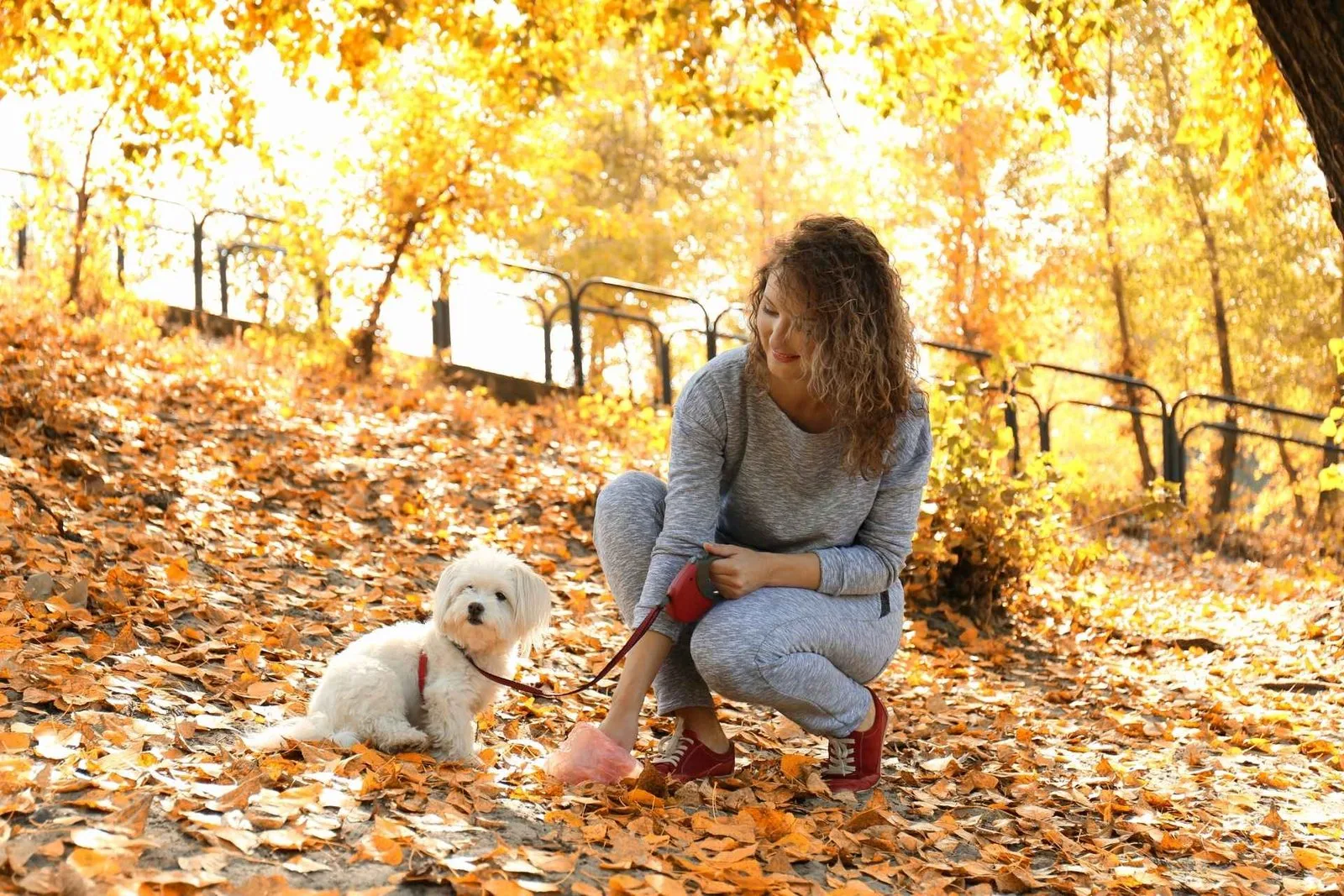
Training a dog to go outside on a schedule typically takes 3-5 days of consistency. Dogs learn to go on cue when taken to the same spot at the same times each day. Reward with praise or a treat immediately after the dog goes outdoors. Do not punish indoor accidents after the fact - the dog cannot connect the punishment to the behavior if it happened more than a few seconds ago.
Signs that your dog needs to go out: sniffing the floor, circling, moving toward the door, whining, or sudden restlessness. These signals often come with very little warning in puppies and young dogs, so frequent scheduled trips outdoors prevent most indoor accidents.
What your dog walker or sitter should know
When briefing a dog walker, drop-in sitter, or anyone caring for your dog, include: how often your dog typically goes per day, what time of day the main bathroom trips happen, whether your dog has any history of constipation or diarrhea, and which foods or treats should be avoided as they may affect digestion. Note what a normal stool looks like for your dog so the sitter can flag any changes.
If your dog is on any medication that affects digestion, or has recently changed food, mention this explicitly. A dog sitter managing a dog during a dietary transition should know to expect softer stools or increased frequency temporarily.
FAQs
1. Is it normal for my dog to poop multiple times a day?
Yes. Up to three bowel movements per day is well within the normal range for adult dogs. Dogs eating wet food, raw food, or high-fiber diets often go more frequently than those on dry kibble. As long as stools are consistent in appearance and the dog is comfortable, multiple daily bathroom trips are not a cause for concern. The number only becomes relevant when it changes suddenly or is accompanied by other symptoms.
2. What should I do if my dog has persistent diarrhea?
A single loose stool after a dietary change or a stressful event is common and usually resolves within 24 hours. Persistent diarrhea - more than two consecutive days, or diarrhea accompanied by blood, mucus, vomiting, lethargy, or loss of appetite - needs veterinary assessment. In the meantime, ensure your dog has access to plenty of fresh water, as diarrhea causes fluid loss quickly. Plain boiled chicken and rice can help settle the stomach short-term while you arrange a vet visit.
3. How often do puppies poop?
Puppies poop frequently - usually 4-5 times per day in the first few months, sometimes more. Their digestive systems are still maturing and they eat more often relative to their size. As puppies transition to adult food and their digestion stabilizes, frequency typically reduces to the adult range of 1-3 times per day by around 6-12 months depending on breed. If a puppy has not pooped in 24 hours, contact a vet - puppies dehydrate and deteriorate faster than adult dogs.
4. What can I feed my dog if they are constipated?
Plain pumpkin puree (not pie filling - check for no added sugar or spices) is the most widely recommended home remedy for mild constipation in dogs. One to four tablespoons mixed into food, depending on the dog's size, often produces results within 24 hours. Ensure the dog has access to fresh water and increase exercise if possible. If constipation persists beyond 48 hours or the dog seems to be straining painfully, see a vet rather than continuing to manage at home.
5. How can I get my dog on a consistent outdoor bathroom schedule?
Take your dog out at the same times every day, particularly first thing in the morning, after each meal, and before bed. Dogs quickly learn to time their bowel movements to match when they know a trip outside is coming. Reward going outdoors immediately with praise or a small treat. Consistency over 5-7 days usually establishes a solid routine. For dog walkers or pet sitters maintaining a schedule in your absence, write out the specific times your dog normally goes and where they prefer to go.
6. What should a dog sitter watch for regarding bathroom habits?
Brief a pet sitter or dog sitter with your dog's normal routine: how many times per day they typically go, at what times, and what the stool normally looks like. Ask the sitter to note any changes - softer stools, harder stools, straining, blood or mucus, or an absence of output for more than 36-48 hours. These are useful details to pass back to you and potentially to a vet. A dog walker who is checking in once or twice a day should be instructed to note whether the dog went on each walk and roughly what the stool looked like, particularly if your dog has any history of digestive issues.