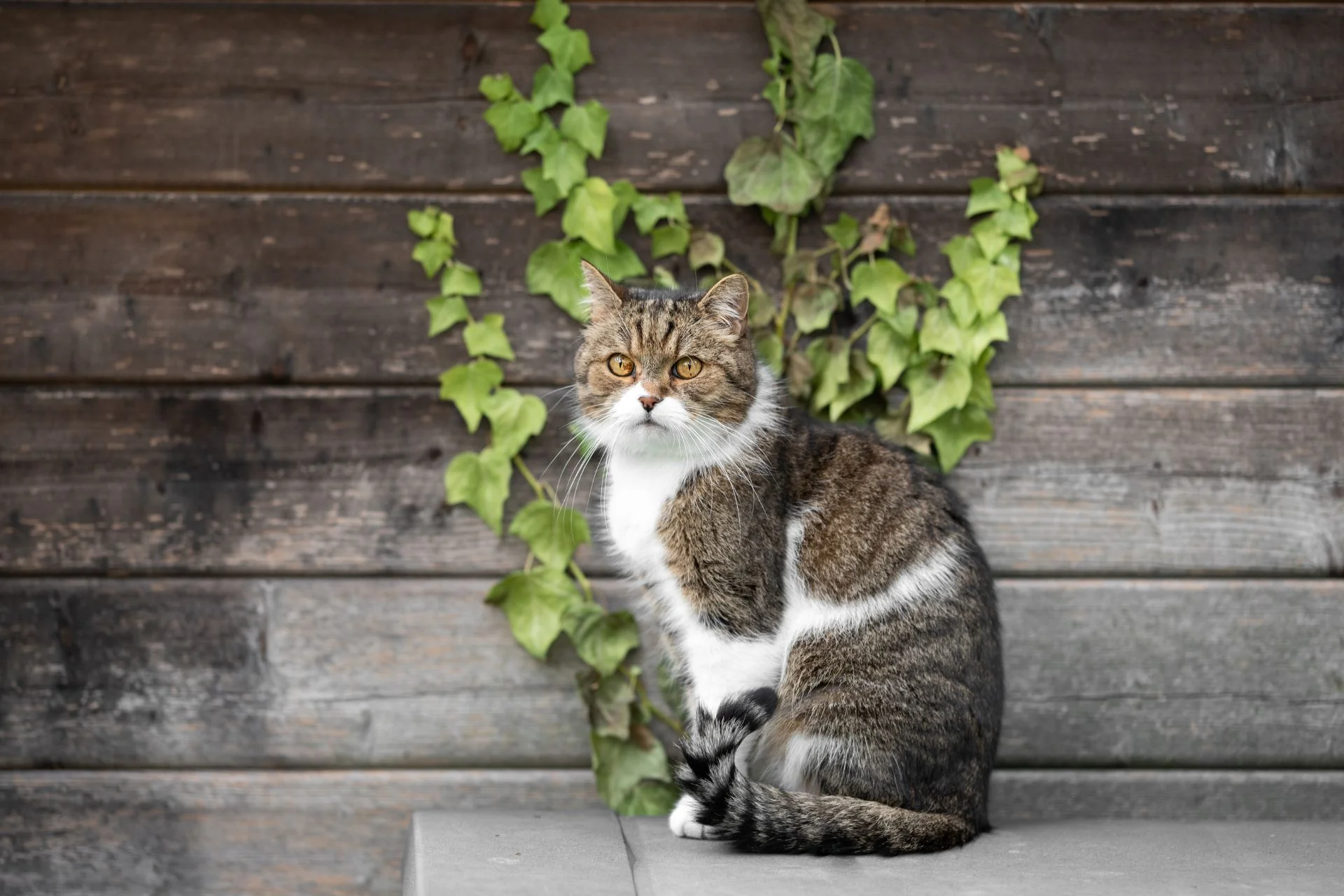
Choosing a pet is one of the bigger decisions a household makes, and it tends to get made too quickly. The impulse to bring an animal home is understandable, but the years of care that follow depend on whether the choice was a good match in the first place. Taking time to assess your lifestyle honestly before committing leads to better outcomes for both the animal and the owner.
Assess your lifestyle and living situation
Start with your daily routine. How many hours are you away from home? Do you travel regularly for work or leisure? Do you live alone, with a partner, or with children? Is your home a small flat or a house with outdoor space? These factors matter more than preference when it comes to which animal will genuinely thrive in your care. Consider the practical constraints too. Some landlords do not allow certain pets. Some homes lack outdoor space for a dog that needs daily free-running. Some schedules do not allow for the multiple daily feeding and handling sessions that a young puppy or a social bird requires. Identifying these limits before you start looking prevents the painful situation of falling for an animal that your circumstances cannot support.Dogs
Dogs need daily exercise, regular social interaction, training, and a consistent routine. Most breeds need a minimum of one to two hours of physical activity per day, and many working or sporting breeds need considerably more. They form strong attachments and do not do well when left alone for long periods without adequate mental stimulation. Dogs are a good match for active households with time for daily walks, training, and social engagement. They are more demanding in terms of time and daily structure than most other pets. Travel requires either a trusted pet sitter, boarding, or bringing the dog along, which adds a layer of planning to any trip.Cats
Cats are more independent than dogs and can manage longer periods alone, provided they have adequate space, enrichment, and social contact. They still need daily interaction, play, and attention, but their tolerance for solitude is significantly higher than most dog breeds. They are well suited to people who work standard office hours and have evening time for play and companionship. Long-haired breeds like Maine Coons or Persians require regular grooming. Some breeds are more vocal or demanding than others. Cats from shelters often adapt quickly to new households and have already established some of their adult personality, which makes the match easier to assess.Small mammals
Hamsters, guinea pigs, and rabbits work well for households with limited space or owners who want a pet with a lower daily time commitment than a dog or cat. They still need appropriate housing, daily feeding, regular cleaning, and social interaction, but their needs are more contained. Rabbits in particular are more social and interactive than many people expect. They can be litter trained, enjoy human company, and form real bonds with their owners. Guinea pigs do better in pairs than alone. Hamsters are largely solitary and most active at night. Match the species to your household's schedule and capacity.Birds
Birds vary enormously by species. A budgerigar is manageable for a first-time owner; a large parrot requires the kind of daily social engagement and mental stimulation that is closer to what a dog needs. Many parrot species live for decades and can develop behavioral problems if their social and cognitive needs are not met. Birds can be noisy. In flats or shared housing, this matters. Their housing needs good ventilation and adequate space for flight within the enclosure. They need a varied diet and regular interaction. Choose a bird species that realistically fits your available time and tolerance for noise.Fish
A well-maintained aquarium is one of the lower daily-demand pet options. Fish do not need walks, social interaction with their owner, or extensive handling. Their primary needs are water quality, temperature regulation, appropriate feeding, and compatible tank mates. That said, setting up a proper aquarium requires upfront investment and knowledge. Water quality maintenance, filtration, and regular partial water changes take time if not automated. Research the specific species you are considering before purchasing them, as different fish have very different compatibility and care requirements.Children and pets
The right pet for a family with children depends on the children's ages and temperament as much as the pet's. Younger children benefit from low-maintenance pets that do not require precise handling, such as fish or a well-supervised guinea pig. Older children can take on more responsibility and handle a dog or cat appropriately, provided they are taught correct handling and given clear expectations. No pet should be left unsupervised with young children, regardless of the animal's temperament. Even the calmest dog can react unexpectedly if cornered, hurt accidentally, or startled. Supervision protects both the child and the animal.Budget
The initial cost of acquiring a pet is rarely the largest expense. Vet care, food, bedding, toys, grooming, training, and boarding or pet sitting all accumulate over years. Dogs and cats tend to carry the highest ongoing costs, particularly through veterinary care. Pet insurance can offset some of this, but it adds a monthly cost in exchange for protection against larger bills. Research realistic annual costs for the species you are considering before committing. A surprise vet bill of several hundred or several thousand pounds, euros, or dollars is not unusual for dogs and cats. Being prepared for this financially prevents the difficult situation of being unable to provide necessary care.Adoption
Adopting from a shelter or rescue organization gives an animal a second chance and usually means you can get honest information about the animal's personality and behavior before committing. Shelter staff spend time with the animals and can tell you whether a dog is good with children, anxious in busy environments, or requires experienced handling. You can also find animals that are already house-trained and past the more demanding phases of puppyhood or kittenhood. Tools like the Petme "Looking for a Home" feature can help you find pets in need near you and connect with local owners rehoming animals for various reasons.Travel and pet sitting
If you travel regularly, your choice of pet directly affects how easy it is to find reliable care when you are away. Dogs require daily visits or a live-in sitter. Cats are more manageable with daily check-ins. Small mammals and fish can often be managed with visits every two to three days if set up properly. Birds typically need daily care due to their social nature. Before acquiring any pet, think honestly about your travel frequency and plan how you will cover care. Regular travelers should choose a species and breed whose care needs align with the available local sitter options. A breed with high-maintenance grooming, specific behavioral quirks, or complex medical needs is harder to find competent sitters for than a calm, short-haired, low-maintenance animal. Establishing a relationship with a reliable pet sitter or pet care service before you first travel is more effective than searching in a rush before a trip. Meet potential sitters before you need them, confirm they are experienced with your specific animal, and do a trial session while you are still available to answer questions.Frequently asked questions
1. How do I know if I am ready to get a pet?
You are ready if you have assessed your schedule honestly and confirmed it can accommodate the animal's daily needs, if your living situation allows for the species you are considering, if your budget can support ongoing costs including vet care, and if you have a plan for care when you travel. The decision should feel settled and well-reasoned rather than impulsive. If you have doubts about any of these areas, address them before proceeding.
2. What if someone in my household has allergies?
Spend time around the specific animal or breed before committing. Allergies vary in severity and not everyone reacts equally to all breeds. Some cat and dog breeds are considered lower-allergen due to coat type, but no breed is fully hypoallergenic. For people with significant allergies, fish, reptiles, and other non-furry pets may be more suitable. Consult an allergist before making a decision if the allergy is severe.
3. What is the most important factor when choosing between pet types?
Lifestyle match. An animal that fits your actual daily routine, living space, and capacity for care will thrive. An animal chosen for appearance or popularity that does not fit your life will struggle, and so will you. The most important question is not "which pet do I want?" but "which pet can I actually care for well for the next ten to fifteen years?"
4. Should I adopt or buy from a breeder?
Adoption is the better choice in most cases. Shelters have animals of all ages, breeds, and temperaments. Older animals in particular often suit first-time owners well, since their personalities are established and they are often already trained. If you have specific breed requirements for health, temperament, or lifestyle reasons, a reputable breeder who health-tests their animals and allows you to see the parents and living conditions is preferable to a pet shop or online listing.
5. How should I introduce a new pet to my home?
Take it slowly. Set up the animal's space before they arrive. Give them time to adjust to smells and sounds before expanding their access to the whole house. Establish feeding, play, and sleep routines from the first day. Limit the number of new people they meet in the first week. A new animal is adjusting to everything at once. Patience in the first few weeks creates a calmer, more confident animal in the long run.
6. How does pet choice affect my options for pet sitting when I travel? 🐾
Significantly. Dogs require daily visits or a live-in sitter with dog handling experience, which narrows the pool of available care providers and increases cost. Cats can be managed by most pet sitters with a once or twice daily visit. Small mammals and fish are more manageable still. High-maintenance breeds, animals with medical needs, or species that require specialized knowledge reduce the available sitter pool considerably. If you travel frequently, factor sitter availability and cost into your pet choice before committing, not after.