Why the choice matters
How your pet is cared for while you are away affects more than their comfort. Anxiety, disrupted routine, and unfamiliar environments can produce behavioral changes that persist after you return. Getting this decision right for your individual animal is worth the extra thought, even for shorter trips.What is the difference between pet sitting and boarding?
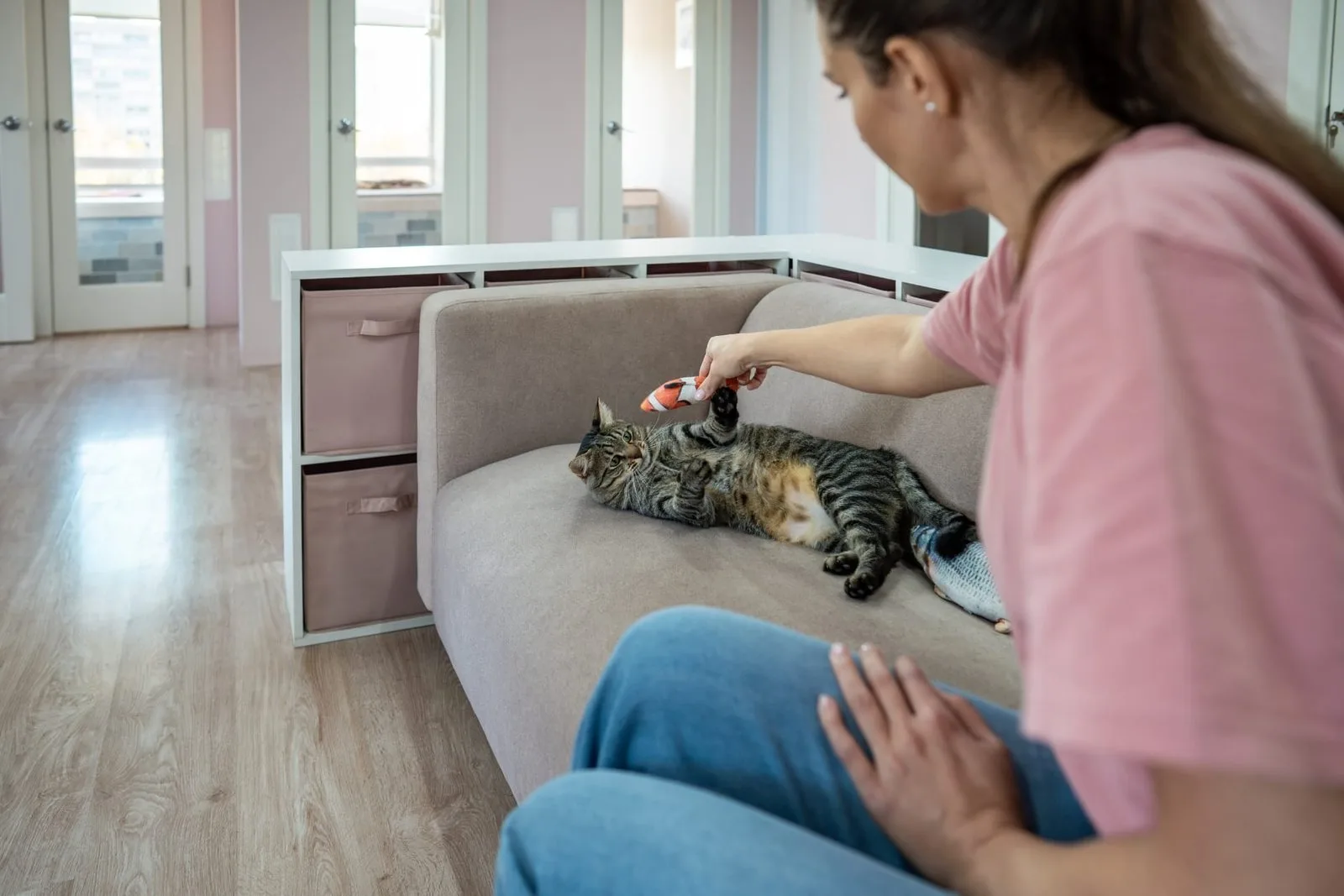
In-home pet sitting means a sitter comes to your home, either staying overnight or visiting on a schedule. Care is focused entirely on your pet in their usual environment. Boarding means your pet goes to a facility, usually a kennel or professional pet hotel, where they are cared for alongside other animals by staff. One involves your pet staying in their own space; the other involves a new environment with a different structure.In-home pet sitting: staying in familiar territory
For pets who are settled into a home routine, in-home sitting preserves that routine as closely as possible. Your cat keeps their litter box in the right place, their feeding schedule, and their usual resting spots. Your dog gets walks at familiar times along familiar routes. There are no new smells to navigate, no other animals competing for attention, and no travel stress.What a dog sitter actually does
A professional in-home dog sitter handles feeding, walks, playtime, and companionship according to your existing schedule. They also monitor your dog's health day to day and can contact you or your vet if something seems off. For guidance on the full scope of in-home care, see our article on what a dog sitter actually does.Advantages of in-home sitting
- Your pet stays in a familiar environment with no travel stress
- One-on-one attention focused entirely on your animal
- Existing routines are maintained rather than disrupted
- Reduced exposure to diseases from other animals
- Better suited to cats, anxious dogs, senior pets, and animals with health needs
Disadvantages of in-home sitting
- Typically more expensive than boarding, particularly for overnight stays
- You are letting someone into your home, which requires a level of trust
- If the sitter cancels, you need a backup arranged in advance
Boarding: group care in a dedicated facility
Boarding works well for outgoing, sociable dogs who adapt easily to new environments and enjoy the company of other animals. A good boarding facility provides structured playtime, consistent feeding, and staff present around the clock.Is it better to have a cat sitter or to board a cat?
For most cats, in-home sitting is the better option. Cats are territorial animals that rely heavily on environmental consistency. Boarding introduces an unfamiliar space, unfamiliar smells, and often other animals nearby, which can cause significant stress. A dedicated cat sitter who visits daily, keeps the routine consistent, and maintains the litter box to the cat's standard is almost always preferable to a boarding facility for cats.Advantages of boarding
- Round-the-clock staff supervision, which suits dogs with separation anxiety or specific safety needs
- Social interaction with other dogs, which suits genuinely sociable animals
- Often less expensive than overnight in-home sitting
- Structured daily routine with set activity times
Disadvantages of boarding
- Unfamiliar environment, which causes stress in many animals, particularly cats and anxious dogs
- Higher disease exposure from contact with other animals
- Less individual attention compared to dedicated in-home care
- Not suitable for senior pets, animals with health conditions, or those with behavioral concerns around other animals
How to choose the right option
The most reliable guide is your specific pet's history and temperament.- Has your pet been boarded before? How did they cope?
- Does your dog actively enjoy the company of other dogs, or tolerate it at best?
- Does your cat have any history of stress-related behavior, such as hiding, litter box avoidance, or appetite loss when routine changes?
- Does your pet have any health needs, medications, or special requirements that benefit from one-on-one attention?
- How long will you be away? Longer trips may call for more personalised in-home care.
Frequently asked questions
1. Can my pet switch between in-home sitting and boarding?
Yes, if they adapt to both. Testing each option with a short stay before a longer trip gives you reliable information about which your pet handles better. Some pets do well with either; others have a clear preference that becomes apparent quickly.
2. How do I prepare for in-home sitting?
Leave a written care guide covering your pet's routine, diet, medications, emergency contacts, and any behavioral quirks. Stock enough supplies for the full duration of your trip plus a buffer. Do a trial visit so your sitter and pet can meet before you leave.
3. Is boarding appropriate for senior pets?
Generally not, unless the facility has experience with older animals and your vet has confirmed your pet is physically well enough to handle the transition. Senior pets have less tolerance for environmental disruption, and the stress of boarding can trigger or worsen health issues. In-home sitting is usually the better option for older animals.
4. What if my pet does not adjust well to boarding?
Signs of poor adjustment include refusal to eat, excessive hiding, unusual aggression, or marked behavioral changes after return. If your pet struggles with boarding, in-home sitting removes the environmental disruption that is typically the root cause.
5. How do I assess a boarding facility before leaving my pet there?
Visit in person before booking. Observe how the staff interact with the animals already in their care, check the cleanliness and ventilation of the space, ask about supervision hours, and confirm how they handle medical emergencies. Reviews from owners with pets similar to yours are also useful. If a facility resists an in-person visit, that is a reliable signal to look elsewhere.
6. How do I find the right in-home sitter for my pet?
Look for sitters with experience relevant to your specific animal: breed, age, and any health or behavioral considerations. On Petme, you can browse sitter profiles that include social posts showing their own pets and home environment, which gives you a more complete picture than a rating and bio alone. A meet-and-greet before your first booking lets you confirm the fit in person before committing.