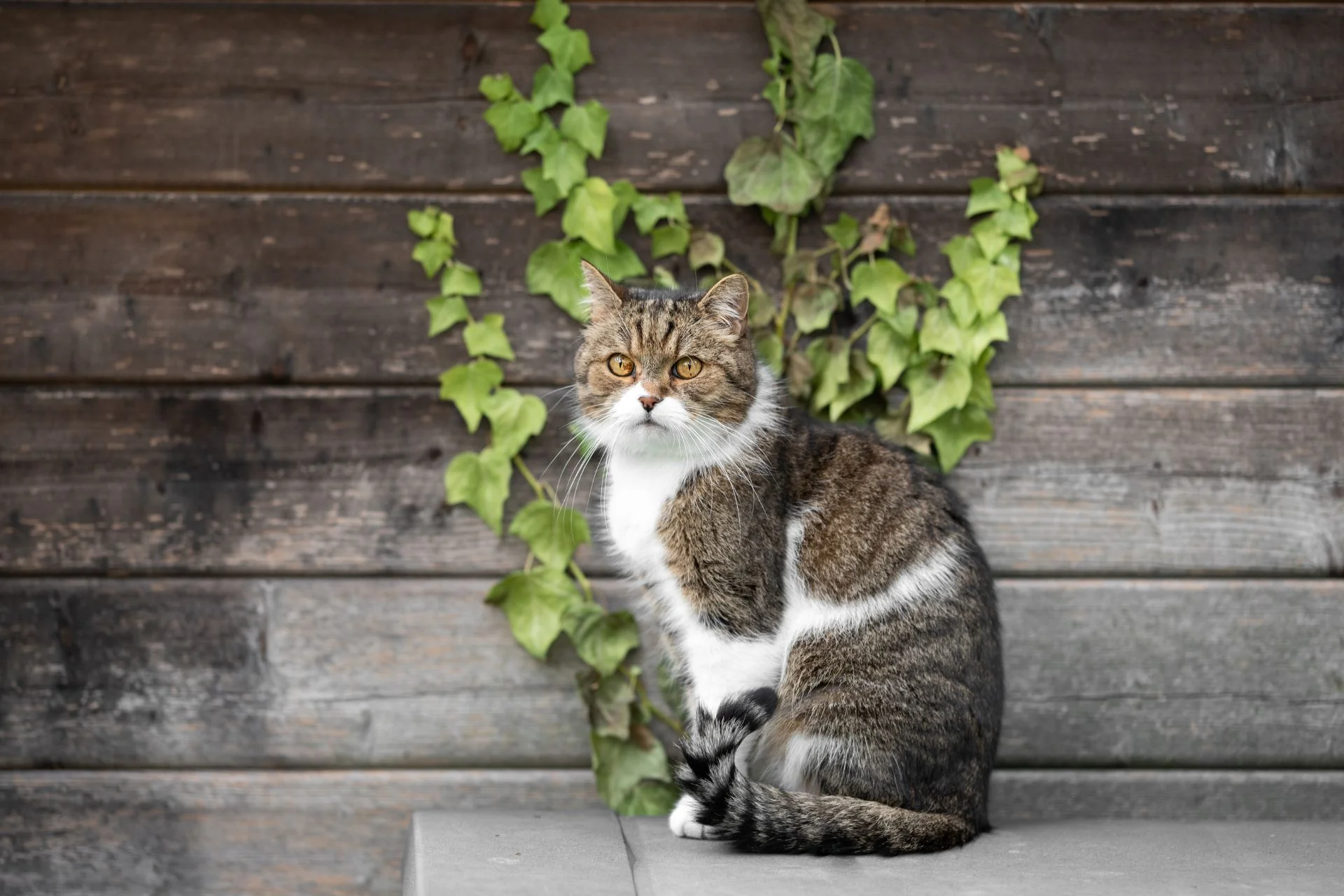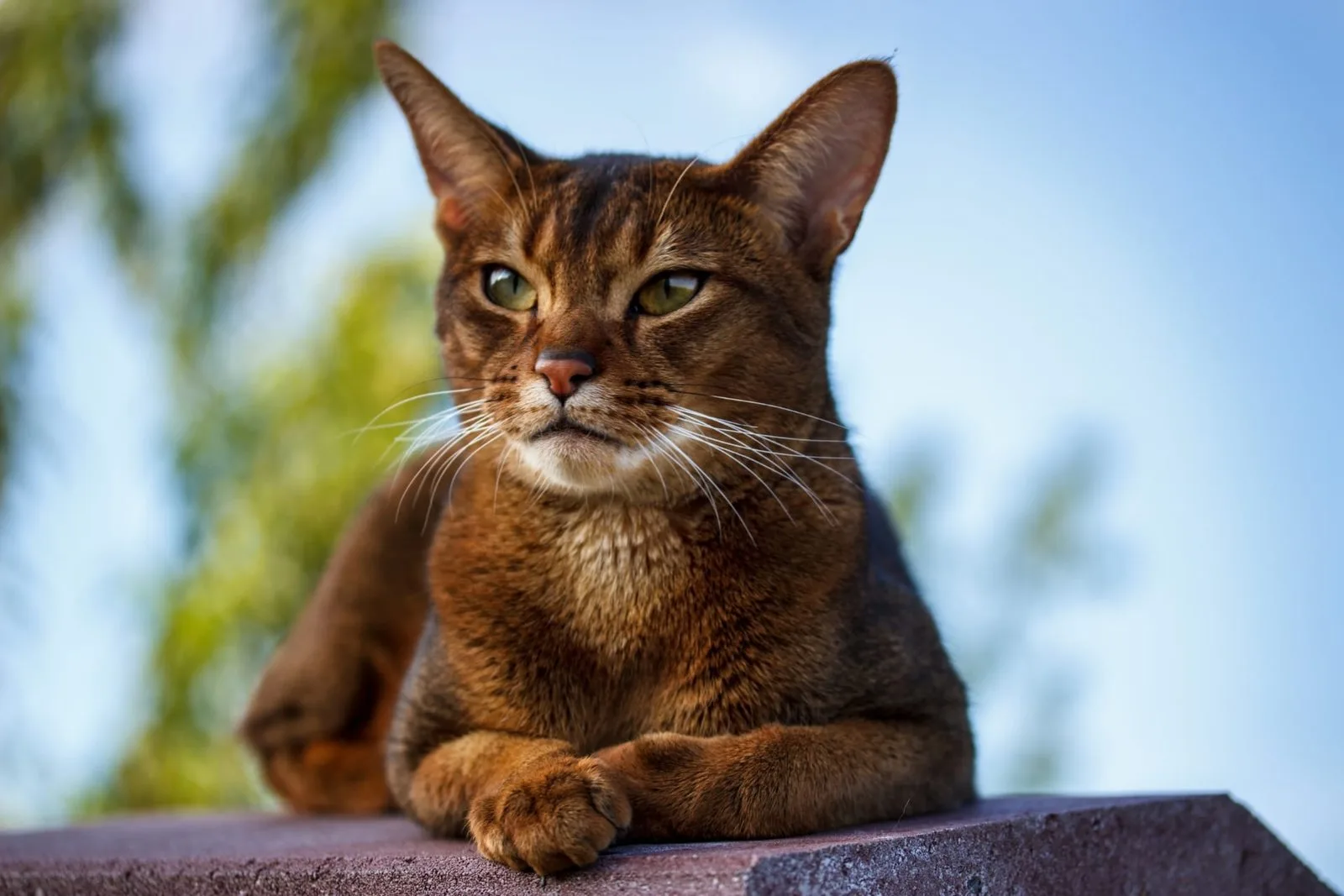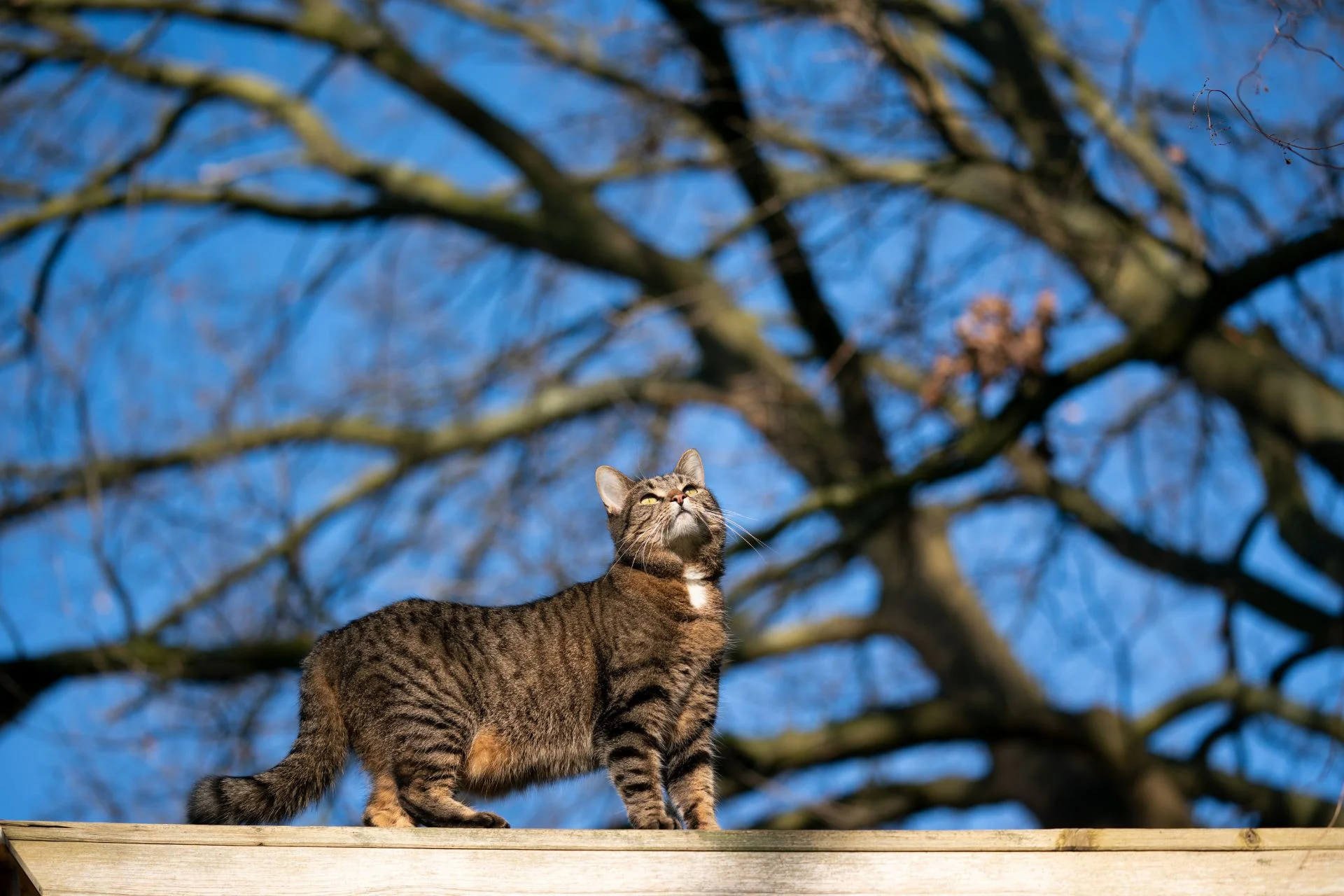
Outdoor cats are not a simpler version of indoor cats. They're a different proposition altogether: more independent, more physically active, and harder to contain, which is both the appeal and the complication. If you're considering adopting one, understanding what that actually means before you bring them home will save you a lot of second-guessing later.
This guide covers what outdoor cats need, how to find the right one, how to set up your home and garden for them, and (often overlooked in adoption guides) what to think about when you need someone else to care for them.
What makes an outdoor cat different from an indoor one
The main difference isn't temperament: it's range. An outdoor cat operates across a territory that extends beyond your home, which means their wellbeing depends on factors you can't fully control: the neighborhood, neighboring animals, traffic, and weather. That's not a reason to avoid adopting one. It is a reason to go in clear-eyed about what the responsibility involves.
Outdoor cats tend to be more physically active than indoor-only cats, which supports a healthy weight and reduces the behavioral problems that come from boredom or under-stimulation. They self-direct much of their day. For many cats, particularly those who've always had outdoor access, being confined indoors full-time causes genuine distress. The freedom isn't optional for them; it's a baseline need.
The trade-off is exposure to outdoor risks: other animals, traffic, disease, and the occasional disappearance that leaves you staring out the window at dusk. Managing those risks is a big part of what responsible outdoor cat ownership looks like. More on that below. If you're weighing up whether outdoor life is right for your cat at all, the indoor vs. outdoor cats guide covers the pros and cons in depth.
Finding the right outdoor cat to adopt
Not every cat is suited to outdoor life, and not every outdoor cat will suit every home. When you're looking at cats available for adoption, the key questions are: has this cat had outdoor access before, how established is their territorial instinct, and what does their history with other animals look like?
A cat who has always lived indoors may struggle with the adjustment to outdoor access, or may take to it immediately. There's no reliable way to predict it without trying. A cat who's spent years as an outdoor or semi-outdoor cat will expect outdoor access and will likely be restless and vocal without it.
Age matters too. Adopting a younger cat gives you more flexibility to shape their habits and comfort with the outdoors gradually. Adopting an older cat often means accepting their established patterns, which can be a benefit if those patterns are what you're looking for.
Talk to the rescue or shelter about the cat's specific history. A good adoption coordinator will tell you honestly whether a cat is likely to thrive with outdoor access in your setup (urban flat with no garden, suburban house with a yard, or somewhere in between) or whether the match isn't right. For a broader overview of the adoption process itself, the cat adoption guide covers what to expect from start to finish.
Setting up your home before they arrive
Outdoor cats still need the inside to feel safe. A cat who doesn't have a comfortable, familiar indoor space will spend more time outdoors than is probably good for them, and may not come back reliably when you need them to.
A few things worth sorting before your new cat arrives:
A secure entry and exit point, whether that's a cat flap, a designated door, or a supervised arrangement. Cat flaps are the most practical solution for genuinely independent outdoor cats. If you go that route, a microchip-activated flap prevents other neighborhood cats from walking in uninvited (more common than people expect).
A designated outdoor area that's as safe as you can make it for the first few weeks. Secure fencing, removal of toxic plants, and identification of any hazards specific to your garden or neighborhood. The guide to keeping outdoor cats safe is worth reading before your cat arrives, not after.
A comfortable indoor retreat: a bed, a quiet corner, somewhere they can decompress after a full day outside. Outdoor cats still need indoor anchoring, especially in the early weeks when they're establishing their territory.
Introducing your outdoor cat to a new environment
The biggest mistake new outdoor cat owners make is giving full outdoor access too early. A cat who hasn't had time to learn that your home is home has no reason to return to it. The result is a cat who wanders and doesn't come back, not because something went wrong, but because the attachment wasn't established yet.
Keep your new cat fully indoors for the first two to four weeks, however uncomfortable that feels. Let them map the inside of your home first. Feed them in the same spot, establish a routine, give them time to recognize your smell and your rhythms as familiar. When you do begin allowing outdoor access, start with short supervised periods and gradually extend from there.
The first few solo outdoor sessions will be nerve-wracking. That's normal. Most cats return. A cat who knows where home is and has food, comfort, and safety there has every reason to come back.
Routine care for an outdoor cat
Outdoor cats have higher baseline health management needs than indoor cats. They're more exposed to parasites, to other animals, and to environmental risks, so preventive care matters more.
Regular vet check-ups, up-to-date vaccinations, and consistent flea and tick prevention are non-negotiable. Microchipping is as well: a collar can come off, a microchip doesn't. If your cat isn't already microchipped when you adopt them, get it done before they go outside for the first time.
Spaying or neutering reduces roaming distance significantly, which lowers the risk of traffic accidents and conflict with other cats. It also prevents unwanted litters and certain health problems. If this hasn't been done before adoption, it should be a priority.
Outdoor cats also tend to need more calories than indoor cats, particularly in winter, because they burn more energy on daily activity. Adjust their food accordingly rather than keeping them on an indoor cat portion.
Planning for care when you're away
This is the part most adoption guides skip entirely, but it's worth thinking about before you adopt rather than after you've already booked a trip.
Outdoor cats present specific challenges for pet sitters. A sitter who's experienced with indoor cats may not be prepared for a cat who disappears for several hours, uses a cat flap on their own schedule, or behaves differently when their owner isn't home. The preparation required, and the instructions you'll need to leave, is more detailed than for an indoor cat.
The key decisions to make in advance: whether you'll restrict outdoor access while you're away or maintain your cat's normal routine, how you'll handle the cat flap during your absence, and what your sitter should do if your cat doesn't return at their usual time. Leaving these as open questions for your sitter to figure out isn't fair to anyone.
When you're ready to find a sitter, look for someone who has genuine experience with outdoor cats, not just cats in general. On Petme, sitter profiles show an ongoing social feed of their actual life with animals, their home, their outdoor spaces, how they interact with the animals in their care. For an outdoor cat, that visibility matters more than a star rating. The guide to choosing a trustworthy cat sitter covers what to look for and what to ask before you confirm a booking.
A trial run before your first real absence is worth doing. Have your sitter come over while you're still home, then once on their own before you travel, so your cat has time to register them as a familiar presence. A cat who recognizes their sitter is a cat who'll come home to them. See the guide to preparing your cat for a sitter for what else to sort before you leave.
Managing outdoor cats and wildlife
Outdoor cats hunt. That's a fact of their biology, and it's worth addressing honestly rather than hoping it won't apply to yours.
The most effective ways to reduce hunting impact: keeping your cat indoors during the hours of highest wildlife activity (dawn and dusk), fitting a collar with a bell if your cat tolerates one, and ensuring they're well fed so hunger isn't adding to the instinct. None of these eliminates hunting entirely, but they reduce it meaningfully.
It's also worth knowing your local environment. Some areas have protected wildlife that makes outdoor cat management more consequential. Others are predominantly urban, where the wildlife impact is minimal. Being informed about your specific situation lets you make proportionate decisions rather than blanket ones. For a fuller look at the trade-offs of outdoor life from the cat's perspective, the outdoor cats pros and cons guide is a useful reference. 🐾
Frequently asked questions
1. Can any cat adapt to an outdoor lifestyle?
Not reliably. Cats who have spent their whole lives indoors may find outdoor access stressful rather than liberating, at least initially. Cats with certain health conditions, sensory impairments, or strong fearfulness toward the outside are generally better kept indoors. A vet or shelter coordinator can give you an honest assessment based on the specific cat you're considering adopting.
2. How long should I keep my new outdoor cat indoors before letting them out?
Two to four weeks is the standard recommendation. The goal is to give your cat enough time to learn that your home is their base before they're given access to a much larger territory. A cat who goes outside before that attachment is formed has no reliable reason to return. It's the most common mistake new outdoor cat owners make, and the most avoidable.
3. Do outdoor cats live shorter lives than indoor cats?
On average, yes, outdoor cats face more risks from traffic, predators, and disease exposure. The gap varies significantly depending on the environment: a rural cat with low traffic exposure has a different risk profile than an urban cat crossing a busy road twice a day. Managing known risks (microchipping, vaccinations, neutering, and safe crossing points) closes the gap meaningfully.
4. How do I find a pet sitter who can handle an outdoor cat?
Ask directly whether they have experience with cats who have outdoor access. A good sitter will ask detailed questions about your cat's territory, schedule, and cat flap setup rather than assuming their usual approach applies. Look for someone who's comfortable with an animal they can't account for every hour: that ease with uncertainty is what separates a sitter who's right for an outdoor cat from one who isn't.
5. Should I restrict outdoor access while a sitter is caring for my cat?
It depends on the sitter's experience and your cat's routine. Restricting access is simpler to manage but disrupts your cat's normal day, which is its own source of stress. Allowing normal access requires a sitter who's briefed on your cat's habits and comfortable with the independence that comes with outdoor cats. The right answer depends on how confident you are in your sitter's experience with this type of cat.
6. What's the most important thing to do before my outdoor cat goes outside for the first time?
Make sure they're microchipped. Everything else (gradual introduction, secure garden setup, familiar indoor space) matters, but microchipping is the one thing that genuinely can't wait. A collar with an ID tag is useful too, but collars come off. A microchip is permanent, costs very little, and is the most reliable way to get a lost cat back home.
Outdoor cats ask more of you than indoor cats in some respects, more vigilance, more preparation, more considered planning for the times you're not home. What they give back is a level of independence and vitality that's hard to replicate in a purely indoor life. Getting the foundations right from the start, including knowing who you'll trust to care for them when you're away, is what makes that trade-off work.