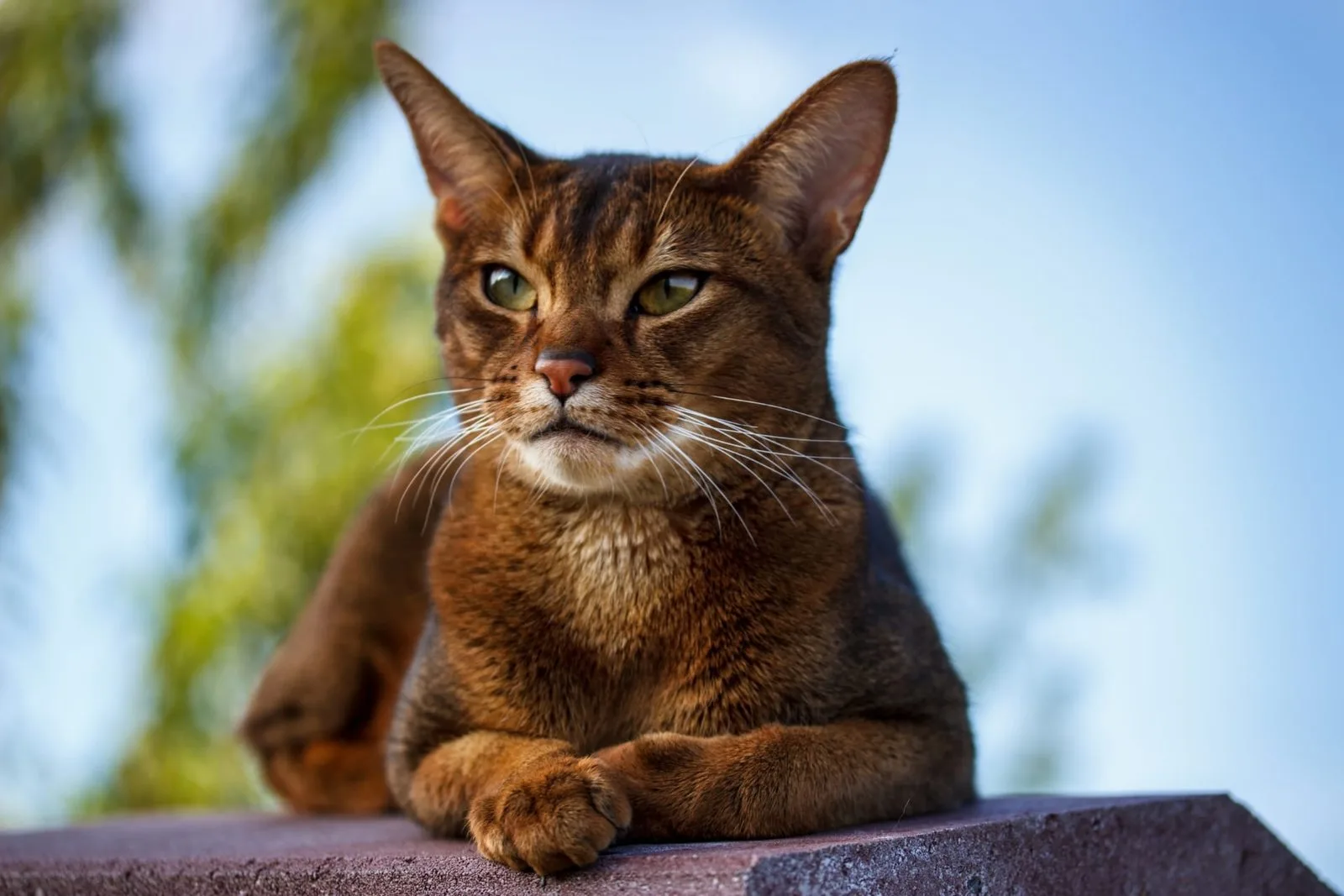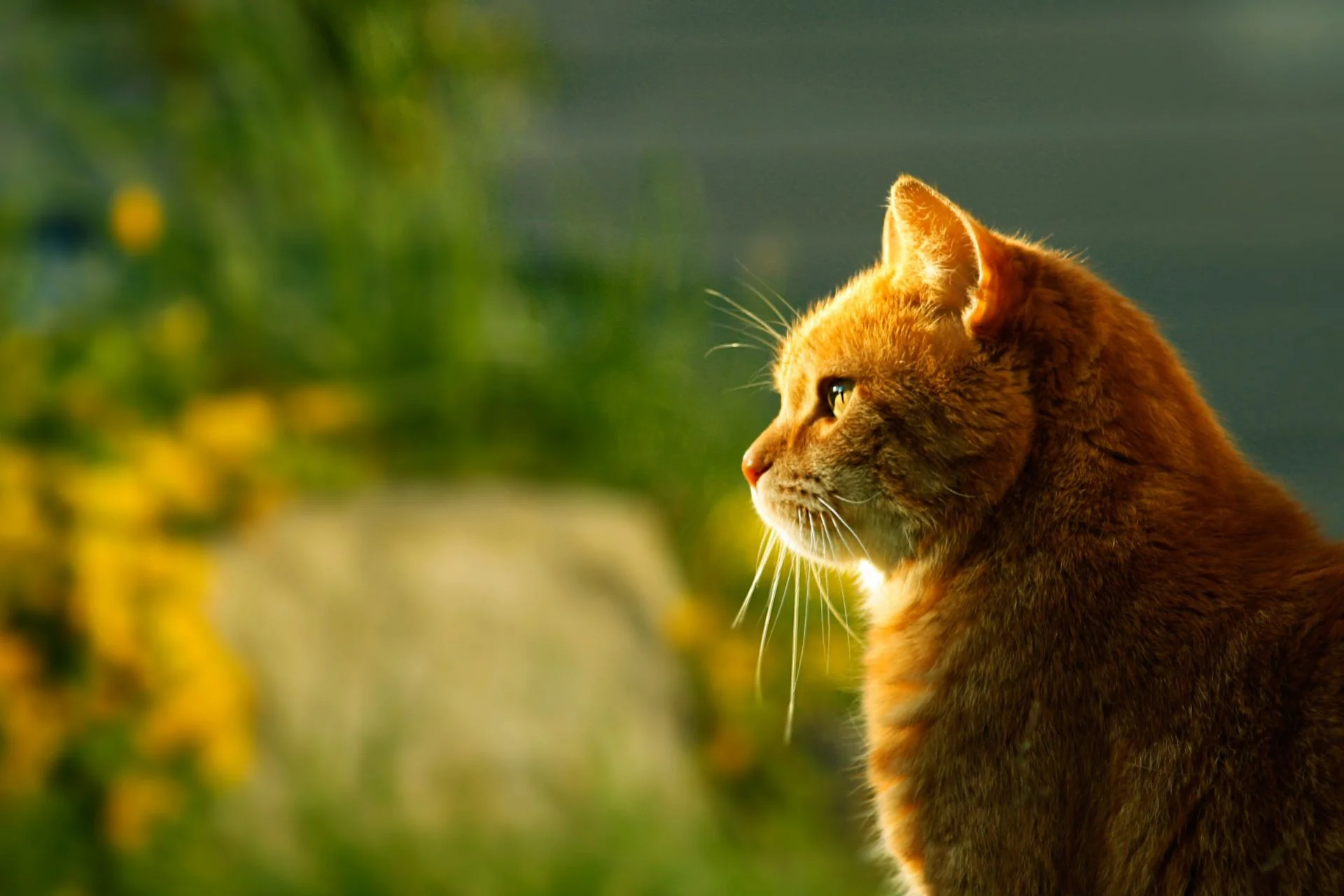
Outdoor cats have been a common sight in neighborhoods for decades. These independent animals enjoy the freedom of exploring beyond their homes. The decision about outdoor access sparks real debate among cat owners, veterinarians, and wildlife conservationists, and both sides have substantive points. Understanding the trade-offs helps you make a better-informed choice for your specific cat.
Pros of outdoor life for cats
- Freedom to roam and explore: outdoor cats can satisfy their curiosity by investigating new territory, climbing trees, and following scents
- Enhanced physical exercise: more space for running, jumping, and climbing supports healthy weight and strong muscles
- Natural stimulation: outdoor environments provide a wide range of sights, sounds, and smells that keep minds sharp and instincts engaged
- Social interaction: outdoor cats may encounter other cats and engage in the social behaviors that matter to their species
- Hunting and instinct: outdoor cats can express natural predatory behavior, which provides mental stimulation that indoor toys only partially replicate
Cons of outdoor life for cats
- Exposure to danger: traffic accidents, attacks by other animals, and contact with toxic substances are all real risks
- Increased injury risk: falls, fights, and entrapment in hazardous spaces can result in serious injuries or death
- Disease and parasites: outdoor cats are more susceptible to infectious diseases and to fleas, ticks, and intestinal worms through contact with other animals or contaminated environments
- Impact on wildlife: cats with hunting instincts can significantly affect local bird, small mammal, and reptile populations
- Community conflicts: outdoor cats may trespass on neighboring properties, disturb gardens, or cause issues with neighbors who are not comfortable with free-roaming cats
Balancing outdoor and indoor life
The goal is not choosing between full outdoor freedom and full indoor confinement, but finding a middle ground that works for your cat and situation.- Supervised outdoor time: allowing cats outside under your direct supervision limits exposure to the most serious hazards
- Secure outdoor enclosures: catios and enclosed runs let cats experience the outdoors while staying protected from traffic, predators, and disease
- Harness and leash walks: a well-fitted harness and leash provides controlled outdoor exploration for cats that accept the equipment
- Indoor enrichment: for cats with restricted outdoor access, providing the right environment indoors compensates for reduced outdoor stimulation
- Microchipping and identification: essential for any outdoor cat, providing the best chance of recovery if the cat gets lost
Responsibilities of outdoor cat owners
- Regular veterinary care and vaccinations: outdoor cats need current vaccinations, flea and tick prevention, and routine health monitoring
- Spaying or neutering: prevents unplanned litters and reduces the drive to roam long distances, particularly in unneutered males
- Monitoring for illness and injury: outdoor cats are more prone to injury and disease; regular observation and prompt vet attention matter more than for indoor cats
- Providing shelter, food, and water: outdoor cats need access to reliable shelter, fresh water, and consistent feeding regardless of their roaming habits
- Respecting the community: being aware of your cat's impact on neighbors' property and on local wildlife is part of responsible outdoor cat ownership
Outdoor cats and pet sitter arrangements
An outdoor cat's routine adds variables that a sitter needs to understand before you travel. The cat's schedule, access points, expected return times, and what to do if the cat does not come back at the usual time all need to be clearly communicated. Some owners choose to keep their outdoor cats indoors for the duration of a trip to simplify the sitter's role and reduce risk. Others maintain the outdoor routine with detailed instructions. Either approach can work, but the decision should be made and communicated explicitly rather than left to the sitter's judgment. Tell your sitter:- Whether the cat has outdoor access during your absence and under what conditions
- When the cat typically goes out and returns, and how long an absence before concern is warranted
- How to call the cat back and whether there are reliable cues the cat responds to
- What identification the cat carries and where the microchip registration details are kept
- Your vet's contact details and the nearest emergency clinic
Frequently asked questions
1. Are all cats suited for outdoor life?
No. Some cats have health conditions, anxiety, or insufficient outdoor skills to navigate safely. Cats that have lived indoors their whole life may not know how to manage the hazards of outdoor environments. Assess your cat's individual temperament, health status, and history before allowing outdoor access, and consult your vet if you are unsure.
2. How can I keep my outdoor cat safe from cars?
Secure fencing or enclosures prevent access to roads. Reflective or brightly colored collars increase visibility in low light. Restricting outdoor access during high-traffic times, particularly early morning and evening, reduces road exposure. Microchipping and ID tags ensure the cat can be returned if injured and found by a third party.
3. Can outdoor cats be trained to avoid hunting wildlife?
You cannot eliminate a cat's hunting instinct, but you can reduce its impact. Providing enrichment toys that satisfy the predatory drive reduces the motivation to hunt. Fitting a collar with a bell alerts potential prey and gives small animals time to escape. These measures reduce hunting frequency but rarely eliminate it in a cat with established outdoor hunting behavior.
4. Are there benefits to keeping cats indoors?
Yes. Indoor cats have longer average lifespans, lower disease exposure, reduced injury risk, and less impact on local wildlife populations. Indoor life requires more deliberate enrichment from the owner, but the safety trade-off is significant, particularly in urban environments. Many cats adapt well to indoor life with adequate stimulation and social interaction.
5. What are some alternatives to outdoor access?
A secure outdoor enclosure or catio provides outdoor experience without the risks of free roaming. Window perches, interactive toys, puzzle feeders, and regular play sessions meet most of the stimulation needs that outdoor access would otherwise provide. Harness walks, for cats that accept the equipment, give controlled outdoor time without unsupervised roaming.
6. How do I prepare a sitter for an outdoor cat? 🐾
Walk through the full outdoor routine before you leave: when and how the cat goes out, what access points exist, what the expected return time is, and what steps to take if the cat does not return. Leave the microchip registration details and your vet's contact information. Consider whether maintaining outdoor access during your absence is worth the added complexity for the sitter, or whether a temporary indoor-only arrangement is simpler for everyone involved.