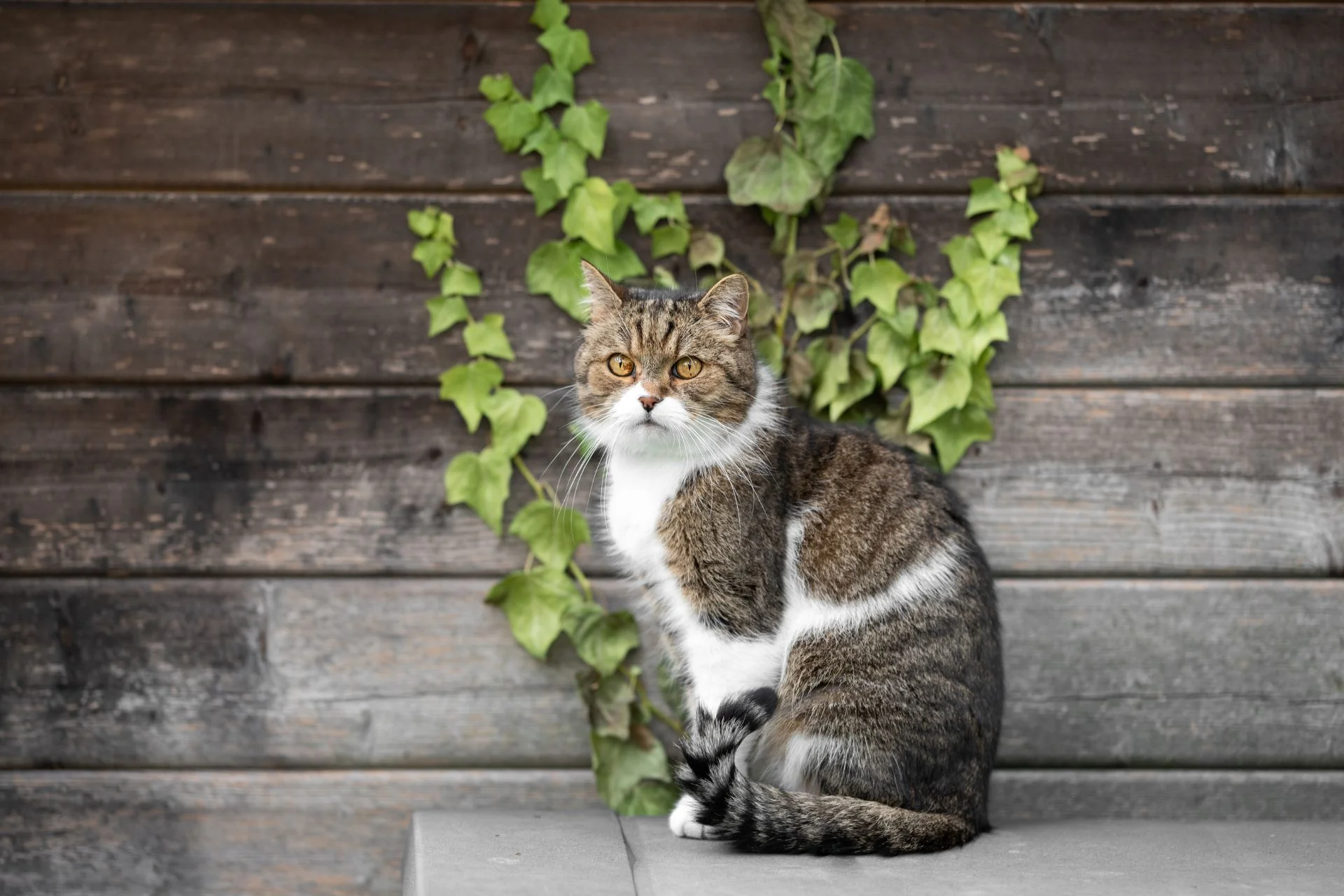
Natural remedies for cat health can address common issues cost-effectively and with fewer side effects than prescription medications for some conditions. Whether you are caring for your own cat or sitting for someone else's, understanding these approaches helps you provide better day-to-day care and follow owner instructions with confidence. That said, natural remedies should never delay necessary veterinary treatment, and anything new should be introduced only with vet approval. It also helps to know which everyday foods are dangerous, so keep the list of foods toxic to cats on hand.
The benefits of natural remedies
- Cost-effective: often less expensive than prescription medications, making them accessible for routine care needs
- Fewer side effects: generally gentler than pharmaceutical options, particularly relevant for cats with sensitivities
- Broader wellness support: many natural remedies support overall health rather than targeting only a single symptom
- Safe when used correctly: most natural remedies are well-tolerated when dosed as directed, though vet guidance is still essential before starting anything new
Common ailments and natural approaches
1. Urinary tract infections
Urinary tract infections are a common problem in cats, especially in males. Symptoms include urinating outside the litter box, straining to urinate, and frequent small attempts. Cranberry supplements can help prevent bacteria from adhering to the urinary tract wall, reducing infection risk. D-mannose, a naturally occurring sugar, has a similar mechanism. Both are preventive rather than curative; an active infection requires veterinary treatment. If you are a sitter caring for a cat on cranberry or D-mannose supplements, follow the owner's dosing schedule precisely. Monitor litter box behavior at every visit and report any changes in output or straining immediately.2. Fleas and ticks
Natural approaches to flea and tick prevention include diluted apple cider vinegar applied to the fur (avoiding eyes and ears), and diatomaceous earth sprinkled on bedding or around the home. These are supplementary measures rather than primary prevention. Chemical treatments prescribed by a vet remain more reliable for active infestations. If you are a sitter, never introduce any flea or tick treatment, including natural ones, without explicit owner permission. If you notice fleas or ticks during a visit, notify the owner immediately so they can consult their vet.3. Hairballs
Hairballs are most common in long-haired cats. Adding a small amount of plain canned pumpkin to food lubricates the digestive tract and helps move hair through. Coconut oil has a similar effect in small amounts. Both should be offered in modest quantities, as excessive fat intake causes its own digestive issues. If the owner has you adding pumpkin or coconut oil to meals, follow their exact measurements and note any hairballs you observe during visits, including frequency and size.4. Digestive issues
For diarrhea, slippery elm bark can soothe the digestive tract and reduce inflammation. For constipation, canned pumpkin regulates bowel movements effectively. Plain psyllium husk added to food also supports regularity. Our guide to home remedies for cat constipation covers these approaches in more detail. Normal frequency, explained in our guide to how often cats should poop, gives you a baseline for identifying when something is off. As a sitter, document all litter box activity: frequency, consistency, and any straining. If a cat misses more than one bowel movement or shows signs of distress, contact the owner immediately. Never administer digestive remedies without owner approval.5. Anxiety and stress
Anxiety in cats is commonly triggered by routine changes, loud noises, heat cycles, and new people in the home. Chamomile tea, cooled and added in small amounts to the water bowl, can have a mild calming effect. Lavender oil diffused at low concentration in the home is another option some owners use, though it should be used sparingly as cats are sensitive to essential oils. This is especially relevant for pet sitters: your presence represents a routine disruption. Many cats experience stress when their owners travel. Ask the owner during the meet-and-greet whether their cat uses any calming remedies, and maintain the exact routine the owner has established, including any diffuser or supplement schedule.6. Joint pain
Senior cats commonly develop arthritis and joint stiffness. Omega-3 fatty acids reduce inflammation and support joint function. Glucosamine and chondroitin supplements can reduce discomfort and improve mobility over time. Both require consistent daily administration and should be introduced gradually. For sitters caring for senior cats with joint issues, note if the cat struggles to jump to usual spots, moves stiffly, or shows reluctance to use the litter box. Administer supplements on the owner's schedule and ensure food, water, and the litter box are easily accessible without requiring difficult jumps.What cat sitters need to know about natural remedies
If you are sitting for a cat that uses natural remedies, the owner's instructions are your only guide. Never substitute, skip, or add remedies without explicit permission. Keep written notes on what was administered, when, and at what dose. Know which symptoms warrant an immediate call to the owner and which justify going directly to a vet. Ask detailed questions during the meet-and-greet: what remedy, how much, at what time, how to store it, what to do if you miss a dose, and what reactions would be concerning. A cat on an established remedy routine depends on that routine being consistent. Gaps or substitutions can undermine the remedy's effectiveness or cause digestive disruption. On Petme, you can read reviews from cat owners who have left sitters specific health care instructions. Looking for sitters with experience in holistic or special-needs cat care is worth the effort when your cat's routine involves anything beyond standard feeding and litter box maintenance.Frequently asked questions
1. Are natural remedies safe for cats?
Most are safe when used as directed and introduced with vet guidance. Some natural substances that seem benign are toxic to cats: tea tree oil, certain essential oils, and some herbs that are safe for humans or dogs can cause serious harm in cats. Always confirm with your vet before trying anything new, and never assume that "natural" means automatically safe.
2. Can natural remedies replace veterinary care?
No. Natural remedies can complement veterinary care for ongoing wellness and minor issues, but they cannot replace diagnosis, treatment of active infections, management of chronic disease, or emergency care. If you are uncertain whether your cat's symptoms require a vet visit, err on the side of calling. Cats hide illness effectively, and delaying treatment for a serious condition is riskier than an unnecessary check-up.
3. How long does it take for natural remedies to work?
It varies by remedy and condition. Pumpkin for constipation may produce results within a day or two. Joint supplements typically take several weeks of consistent use before measurable improvement is visible. If a remedy produces no improvement after a reasonable trial period, consult your vet about adjusting the approach rather than continuing indefinitely without effect.
4. Should I tell my pet sitter about the natural remedies my cat takes?
Yes, in writing and in detail. Provide the remedy name, exact dose, timing, storage instructions, and what to do if a dose is missed. Go through the routine together during the meet-and-greet so the sitter can ask questions while you are there to answer them. A verbal briefing alone is not sufficient for anything that affects the cat's health.
5. Can pet sitters give my cat natural remedies without my permission?
No. A responsible sitter never administers any treatment, supplement, or remedy without explicit owner approval. If a sitter observes symptoms that might benefit from a natural approach, they should contact you for guidance rather than act independently. Their role is to follow the plan you have established, not to modify it.
6. How do I prepare a sitter to manage my cat's remedy routine? 🐾
Write out the full protocol: what each remedy is, what it addresses, how much to give, when, and how. Explain the reasoning, not just the rules, because a sitter who understands why a remedy matters is more likely to follow through accurately. Prepare supplies in advance so the sitter does not have to improvise with measurements or packaging. Leave your vet's contact details alongside the remedy instructions so the sitter has immediate access if anything looks wrong.