Cats normally defecate once a day. Two days without a bowel movement, or repeated visits to the litter box that produce nothing, is the first clear signal that something is slowing down. Cat constipation is common and often manageable at home when caught early, but it can escalate quickly, particularly in older cats, cats with underlying health conditions, or cats who have had constipation before. Knowing what to look for and when to act makes the difference between a resolved home issue and a vet emergency.
What is cat constipation
Constipation is a delay or difficulty in passing stool, typically resulting in hard, dry feces that are difficult or painful to expel. A healthy cat produces stool roughly once every 24 to 36 hours. Stool that has spent too long in the colon loses moisture progressively, becoming harder and more difficult to pass, which is why early intervention is more effective than waiting.
In severe cases, constipation progresses to obstipation (a complete inability to pass stool) and eventually to megacolon, a condition in which the colon becomes chronically distended and loses its ability to contract effectively. Megacolon is serious and difficult to reverse; preventing constipation from becoming a recurring pattern is the practical goal for any cat owner.
What causes constipation in cats
Several distinct causes can produce the same outcome, a cat unable to pass stool normally. Identifying the underlying cause is what determines whether a dietary change resolves the problem or whether veterinary treatment is necessary.
Dehydration and low moisture intake. This is the most common cause. Cats evolved to obtain most of their water from prey and have a naturally low thirst drive. A cat on an entirely dry food diet may not drink enough water to keep stool adequately hydrated. The result is firmer, slower-moving stool. Switching to or adding wet food is often the first and most effective intervention for dehydration-related constipation. Use the cat food portions calculator to adjust the wet-to-dry ratio for your cat's weight.
Hairballs. Cats ingest fur during grooming, and in sufficient quantity this fur can slow or partially block gut transit. Long-haired cats and cats who over-groom are more prone to this. Regular brushing reduces the amount of fur ingested.
Low fibre diet. Dietary fibre supports normal gut motility. A diet dominated by low-fibre processed food can slow movement through the colon, particularly in sedentary cats.
Stress and environmental change. Cats are sensitive to disruption in routine. Moving house, the arrival of a new pet, changes in owner schedule, or an unclean litter box can all cause a cat to hold stool, and held stool becomes harder and more difficult to pass. A cat sitter covering your cat while you travel is a potential stressor worth acknowledging: briefly constipated behaviour in the first day or two of a new carer is common and usually resolves as the cat adjusts.
Pain or mobility issues. A cat with arthritis or pain may find the crouching position required to defecate uncomfortable enough to avoid it. This is more common in older cats and is worth raising with a vet if constipation becomes persistent without an obvious dietary cause.
Underlying health conditions. Kidney disease, hyperthyroidism, and neurological conditions can all affect gut motility. A cat with recurring constipation that doesn't respond to dietary changes needs blood work and a physical examination to rule out systemic causes.
Signs your cat is constipated
The signs of constipation range from easily overlooked to unmistakable. Knowing your cat's baseline litter box frequency is the most useful frame of reference: a change from their personal norm is more meaningful than any general guideline.
Watch for: no stools in the litter box for 24 to 48 hours, visible straining in the litter box without producing a result, crying or vocalizing while attempting to defecate, hard or very dry stool if any is passed, repeated short visits to the litter box that produce nothing, reduced appetite or lethargy, and a distended or firm-feeling abdomen.
One important distinction: a cat straining in the litter box without producing anything could be constipated or could have a urinary blockage, particularly if they are also not producing urine. A male cat who is straining and not urinating is a same-day emergency. Don't assume straining is always constipation without checking whether urine is also absent.
How to help a constipated cat at home
For mild, first-time constipation in an otherwise healthy cat, several home interventions are worth trying before calling the vet:
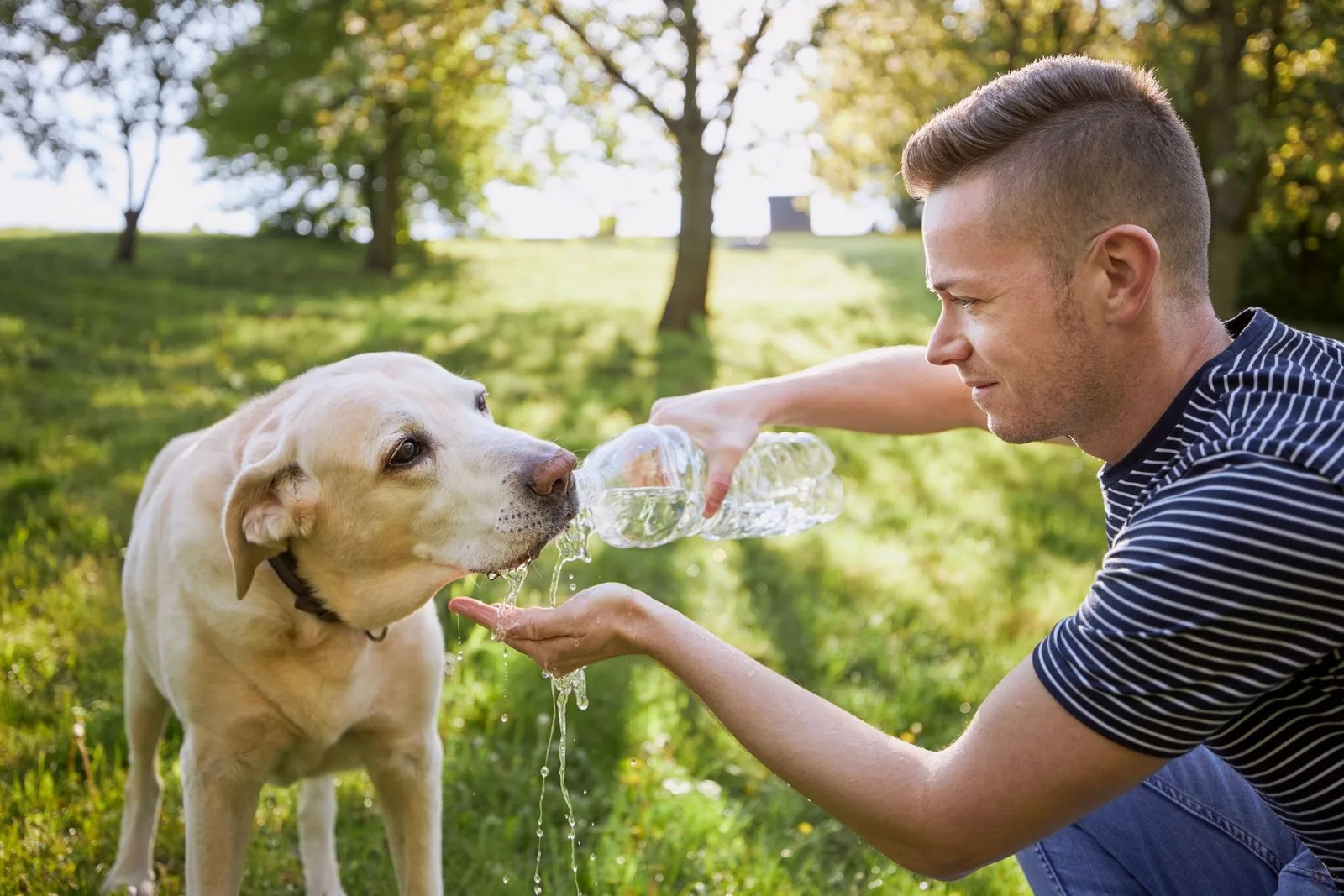
Increase moisture intake: switch to wet food or add warm water to existing meals. A cat water fountain encourages drinking in many cats. Plain canned pumpkin (not pie filling) at one to two teaspoons mixed into food provides soluble fibre that supports gut motility. Short active play sessions stimulate gut movement in the same way exercise does in humans.
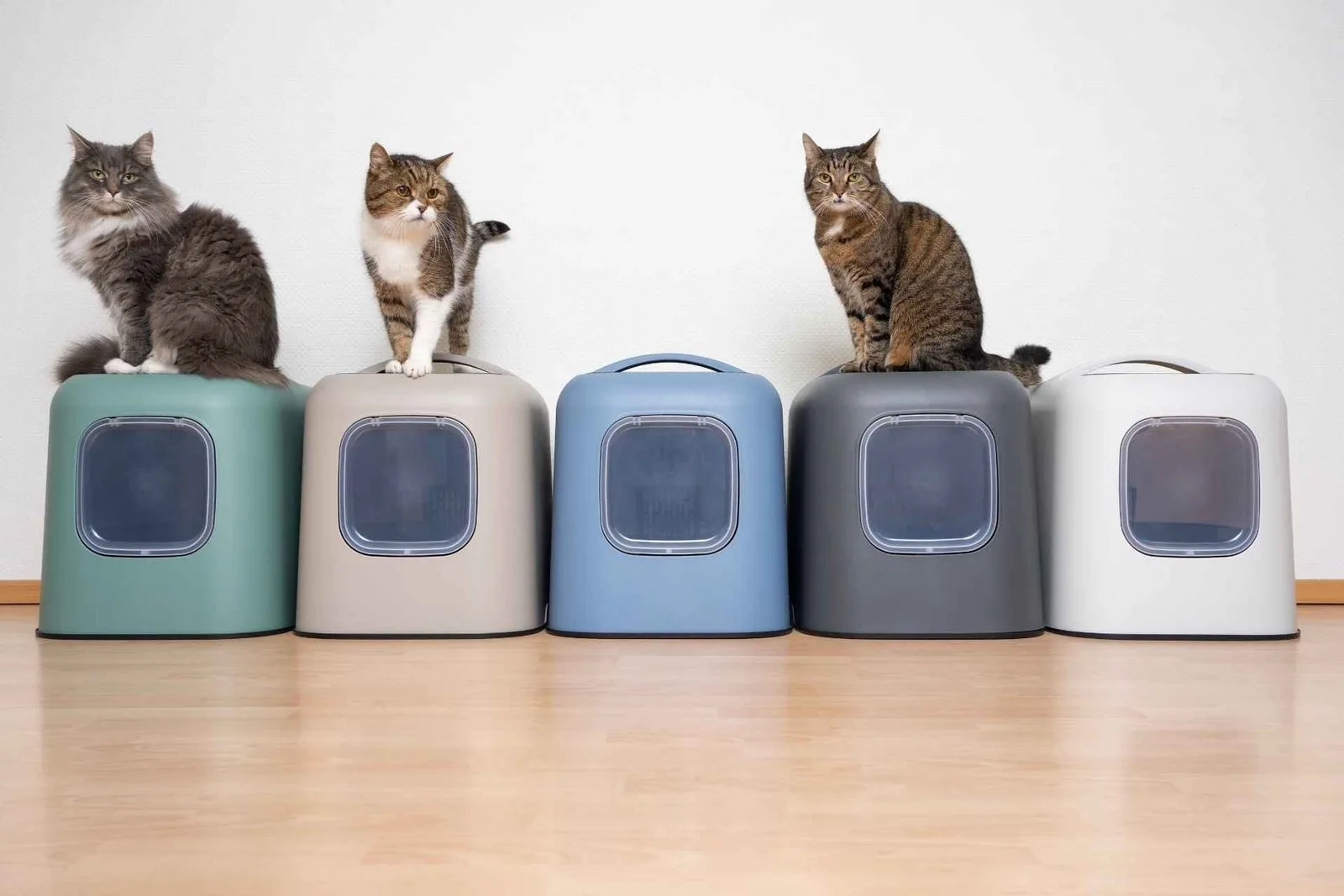
Check the litter box environment: a dirty box, an unfamiliar litter, or a box in a location that has become uncomfortable may be causing a cat to hold stool behaviorally rather than physically. Clean the box, add a second one, and make sure the placement hasn't changed in a way that discourages use.
For a more detailed breakdown of home remedies (including olive oil, psyllium husk, and what not to give) the home remedies for cat constipation guide covers each option in full.
When to call the vet
Home management is appropriate for mild constipation that hasn't lasted more than 48 hours in an otherwise healthy adult cat. The threshold for a vet call:
- No bowel movement in more than 72 hours
- No improvement after 24 to 48 hours of home interventions
- The cat is vomiting, refusing all food, or in visible pain
- Any blood in the stool
- Straining accompanied by no urine production: this is a urinary emergency
- Constipation is recurring: a cat that becomes constipated regularly needs a diagnosis
The speed of escalation matters more than the total duration. A cat who was fine yesterday, is now straining with distress and producing nothing, is more urgent than one who has simply produced fewer stools than usual over two days.
What vets do for constipated cats
A vet's first step is typically a physical examination to assess the amount of stool palpable in the colon, followed by imaging (X-ray) if the examination is inconclusive or if a blockage is suspected. Treatment options range from subcutaneous fluids for hydration to oral laxatives, enemas administered under veterinary supervision (never at home: human-grade enemas can be toxic to cats), and in severe obstipation, manual removal of impacted stool under sedation.
Never give human laxatives to a cat without specific veterinary instruction. Docusate sodium, senna, and similar products can cause serious harm. Do not give enemas at home. Sodium phosphate enemas, designed for humans, can be fatal to cats.
Chronic or recurring constipation typically requires a dietary management plan, ongoing medication, and in some cases (severe megacolon) surgical intervention to remove part of the colon. This is why addressing the first episode thoroughly, rather than managing each one independently without looking for the underlying cause, produces better long-term outcomes.
Preventing future constipation
Once a cat has had one episode of constipation, they are more likely to have another. The preventive measures that make the most difference: shifting to a wet-food-dominant diet, maintaining consistent access to fresh water, regular play and physical activity to support gut motility, keeping the litter box reliably clean, and twice-yearly vet check-ups after age seven to catch age-related contributors like kidney disease or arthritis early.
If you're leaving a cat with a pet sitter, include your cat's normal litter box frequency in the written instructions. A cat sitter who knows your cat normally goes once a day will recognise a 48-hour gap as a problem; one without that context may not raise the alarm until the situation has progressed further than it needed to.
Frequently asked questions
1. What can I give my constipated cat at home?
Plain canned pumpkin (one to two teaspoons mixed into wet food), increased hydration through wet food or a water fountain, and short active play sessions are the safest first interventions. Half a teaspoon of olive oil in food can help as a mild lubricant. Do not give human laxatives, dairy products, or mineral oil by mouth: these can cause additional harm. If home interventions haven't produced a bowel movement within 24 to 48 hours, contact your vet.
2. How long can a cat be constipated before it becomes dangerous?
More than 72 hours without a bowel movement warrants a same-day vet call. Between 48 and 72 hours, attempt home interventions but monitor closely. A cat who is vomiting, in visible pain, or refusing all food needs veterinary attention sooner: the distress level matters as much as the time elapsed. A cat who has been constipated before or who has known health issues should have a lower threshold for a vet call than an otherwise healthy young cat.
3. Can I give my cat human laxatives?
No. Most human laxatives are unsafe for cats and some are toxic. Docusate sodium, senna, sodium phosphate, and mineral oil given orally all carry risks ranging from diarrhoea and dehydration to fatal toxicity. Cat-specific laxatives prescribed by a vet, such as lactulose, are safe when used as directed. Never administer any laxative product to a cat without specific veterinary guidance.
4. Is cat constipation a sign of something serious?
Occasional constipation in an otherwise healthy cat is usually dietary or stress-related and responds to home management. Recurring constipation, or a first episode accompanied by significant distress, vomiting, or complete absence of stool for more than 72 hours, can indicate an underlying condition (kidney disease, hyperthyroidism, neurological problems, or early megacolon) that needs diagnosis and treatment rather than ongoing home management.
5. Can stress cause cat constipation?
Yes. Stress from routine disruption (a move, a new animal or person in the household, an owner's absence, or an unfamiliar carer) can cause a cat to delay defecation long enough for stool to harden. This is one of the reasons cats sometimes become briefly constipated during the first day or two of being cared for by a pet sitter. It typically resolves as the cat adjusts. If it persists beyond 48 hours or the cat is in distress, treat it as a standard constipation episode and manage accordingly.
6. What does constipated cat stool look like?
Hard, dry, small pellets, often darker in color than normal stool and passed with visible effort. In some cases, a constipated cat may pass a small amount of soft or liquid stool around a hard impaction; this can look like diarrhea but is actually liquid leaking around a blockage. If you're seeing this pattern, the cat needs a vet assessment rather than home management for diarrhea. 🐈
Cat constipation is one of those problems that resolves easily when addressed early and becomes significantly harder to manage when ignored. Knowing your cat's normal litter box pattern, watching for the early signs, and acting within 48 hours rather than waiting are the habits that keep it from becoming a chronic issue.