Most cats experience mild constipation at some point, usually from dehydration, too little fiber, or stress from a routine change. The home remedies below are effective for mild, isolated episodes in otherwise healthy adult cats. They are not substitutes for veterinary care in severe or recurring cases. For guidance on when symptoms are serious enough to warrant a vet call rather than home management, the full constipation guide covers the decision threshold in detail.
Recognising the signs first
Before trying any remedy, confirm what you're dealing with. Signs of constipation include no stools in the litter box for 24 to 48 hours, straining with little or no result, hard or dry stools when anything is passed, and repeated litter box visits without production. Normal frequency for most cats is once every 24 to 36 hours: the guide to how often cats should poop provides more detail on baseline habits.
One important check: straining in the litter box could also indicate a urinary blockage, which is a medical emergency. If your cat is straining and producing neither stool nor urine, contact a vet immediately rather than attempting home remedies. Constipation that comes with repeated vomiting also needs a vet rather than home care, and the guide to cat vomiting covers when throwing up is a warning sign.
Hydration: the most effective first step
Dehydration is the most common cause of cat constipation, and increasing moisture intake is often enough to resolve mild cases on its own. Cats have a low natural thirst drive (they evolved to get moisture from prey) and dry food diets can leave them chronically under-hydrated without obvious signs.
Switching to wet food or adding wet food to an existing dry food diet is the most effective single change. Adding water or low-sodium bone broth directly to meals increases moisture intake without requiring your cat to visit the water bowl more. A water fountain helps many cats drink more: the movement of running water triggers interest that a still bowl doesn't. For calculating the right wet-to-dry food balance, the cat food portions calculator helps adjust portions when adding wet food to an existing diet.
Pumpkin: the most reliable dietary remedy
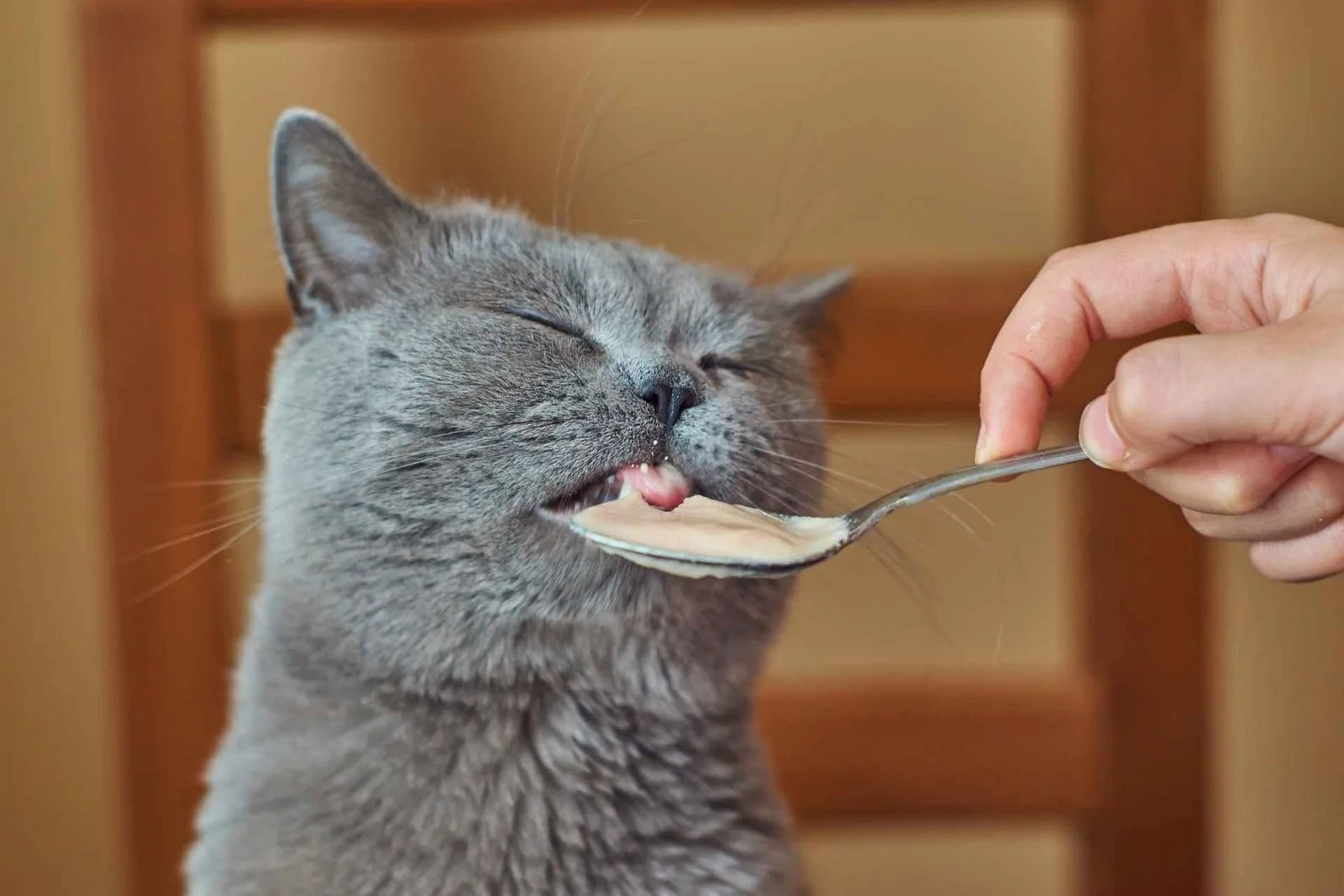
Plain canned pumpkin (not pumpkin pie filling, which contains sugar, spices, and other additives) is one of the most consistently recommended home remedies for mild cat constipation, and it is one of the few with genuine vet endorsement behind it. The soluble fiber in pumpkin absorbs water in the colon, which softens stool and supports movement through the digestive tract. It also works for diarrhea, making it a regulating fiber rather than a straight laxative.
How to use it: Mix 1 to 2 teaspoons of plain canned pumpkin into your cat's wet or dry food. Start with 1 teaspoon and increase slightly if needed. Do not use more than 2 teaspoons per day: excessive fiber without adequate hydration can make constipation worse rather than better. Most cats accept pumpkin without resistance when mixed into food.
Simple pumpkin recipe for a constipated cat
Ingredients: 1 teaspoon of plain canned unsweetened pumpkin, your cat's usual wet food (1 regular serving)
Instructions: Mix the pumpkin thoroughly into the wet food and serve as a normal meal. Offer once daily. Monitor litter box output over the following 12 to 24 hours. If no improvement after 48 hours, move to veterinary consultation rather than continuing home management.
Oils: gentle lubrication for the digestive tract
A small amount of olive oil or fish oil added to food acts as a mild lubricant, helping stool move through the colon more easily. This is an appropriate short-term remedy for mild constipation, not a regular daily supplement.
Half a teaspoon of extra-virgin olive oil mixed into a meal is the standard amount. Do not exceed this: olive oil is calorie-dense, and regular use in larger amounts can contribute to weight gain and, in predisposed cats, pancreatitis. Coconut oil in the same quantity is an alternative; some cats find it more palatable. Fish oil (salmon oil specifically) provides the additional benefit of omega-3 fatty acids, which support digestive and coat health, making it a more nutritionally complete choice if you want to use an oil supplement occasionally.
Olive oil and tuna recipe for mild constipation relief
Ingredients: ½ teaspoon extra-virgin olive oil, small portion of canned tuna in water (not oil), no added salt
Instructions: Mix the olive oil into the tuna and serve as a one-off meal addition. Do not make this a regular feeding: tuna has a high mercury content that becomes a concern with frequent use. This is a one-time remedy to help get things moving, not a daily treat. Monitor for improvement within the following 12 to 24 hours.
Probiotics for digestive support
Probiotic supplements formulated for cats support the gut microbiome and can ease constipation caused by bacterial imbalance or digestive disruption. They are particularly useful during or after antibiotic treatment, after dietary changes, or during periods of stress that have affected the cat's digestion.
Cat-specific probiotic powders or pastes are available at pet supply stores. Follow label dosage and mix into food. The effect is more gradual than oil or pumpkin: probiotics support underlying gut health over time rather than providing immediate laxative relief. They can be used alongside other remedies.
Lifestyle changes that prevent recurrence
Exercise and movement
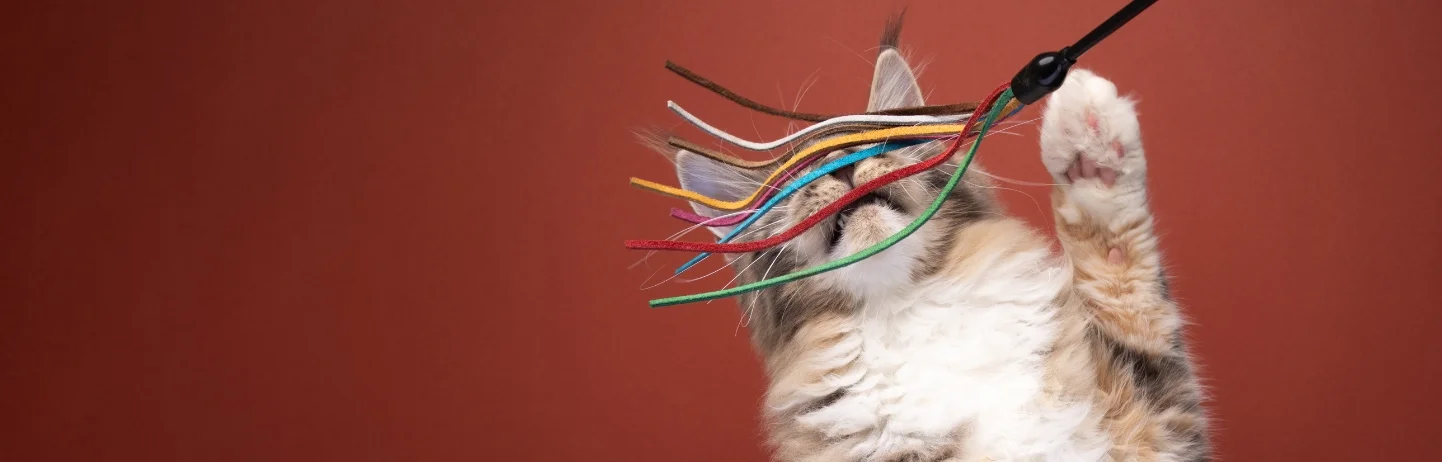
Physical activity stimulates gut motility directly. Ten to fifteen minutes of active play with a wand toy or similar twice a day has a measurable effect on digestive regularity in sedentary indoor cats. If your cat is showing constipation signs, increase play before resorting to dietary interventions: sometimes movement alone is enough for a mild case.
Regular brushing
Hairballs are a common contributing factor to constipation, particularly in longhaired breeds or cats who groom excessively. Regular brushing (a few times a week for shorthairs, daily for longhairs) reduces the amount of fur ingested during grooming and the amount that can accumulate in the digestive tract. This is a preventive measure rather than an acute remedy, but for cats with recurring constipation it is worth making part of the routine.
Litter box cleanliness and access
Cats avoid using a dirty litter box, and holding stool is one of the fastest ways to turn a minor digestive slowdown into actual constipation. Scoop daily. If you have multiple cats, the one-box-per-cat-plus-one rule reduces competition and avoidance. If your cat has recently started avoiding the box, try a different litter or a different box location: sometimes what looks like constipation is actually avoidance behavior with an environmental cause.
Stress management
Stress and routine disruption are underappreciated causes of digestive issues in cats. A new person, a new pet, a house move, or an owner's travel can all be enough to cause a cat to hold stool. Maintaining consistent routines, providing a quiet retreat area, and using pheromone diffusers (Feliway and similar) during disrupted periods can reduce stress-related constipation.
If a cat sitter or drop-in visitor is covering your cat while you travel, let them know your cat's normal pumpkin or dietary routine if you use one: a cat sitter who continues the existing gut support regime is less likely to deal with a constipation episode during your absence than one who isn't aware of it. Including "½ tsp pumpkin in evening wet food" in your sitter notes is a small detail that can prevent a problem.
What not to give
Human laxatives (including docusate sodium, senna, and polyethylene glycol products) are not safe for cats without specific veterinary direction. Sodium phosphate enemas are fatal to cats. Mineral oil given directly by mouth carries an aspiration risk. Dairy products are not helpful for constipation and cause diarrhea in most cats. If you're considering any remedy not listed here, check with your vet before giving it.
Frequently asked questions
1. Can you give a cat olive oil for constipation?
Yes, in small amounts. Half a teaspoon mixed into food is the appropriate single-dose amount. It acts as a mild lubricant laxative by coating the intestinal lining and making stool easier to pass. Use it as a one-time intervention rather than a daily supplement: the calorie and fat content of regular olive oil use adds up, and it is not appropriate for cats with weight management concerns or those prone to pancreatitis.
2. What foods help cats poop?
Wet food is the most reliably effective dietary change because it addresses the hydration deficit that causes most cat constipation. Beyond that, plain canned pumpkin provides soluble fiber that softens stool. High-fiber cat foods, pureed carrots, and green beans can also support regularity as dietary additions. All new foods should be introduced gradually to avoid digestive upset from the change itself.
3. Is tuna good for constipated cats?
Occasionally and in small amounts, yes. The high moisture content can help, and many cats are highly motivated to eat tuna, which is useful when you want to get food and a remedy into a cat who has lost appetite. The issue is mercury accumulation with regular use: tuna should be a one-off tool rather than a regular fix for constipation. Canned tuna in water (not oil, no added salt) is the only appropriate form.
4. Does milk help cat constipation?
No. Most cats are lactose intolerant, and milk is more likely to cause diarrhea than relieve constipation. This is one of the more persistent misconceptions about cat digestive health. If you want to add a liquid to encourage hydration, water or low-sodium bone broth mixed into food is the appropriate alternative.
5. How long do home remedies take to work?
Most effective home remedies produce visible improvement within 12 to 24 hours. If a cat has not produced any stool within 48 hours of trying home interventions (or if the cat is straining, vomiting, or appears in pain) contact your vet. Home remedies are appropriate for mild, first-time constipation in an otherwise healthy cat; they are not appropriate for cats who are clearly unwell or who have been constipated for more than 48 to 72 hours.
6. What natural supplements help cat digestion long-term?
Cat-specific probiotic supplements support gut microbiome health and reduce the frequency of digestive disruption over time. Small amounts of fish oil (salmon oil specifically) support intestinal health alongside coat and joint benefits. Psyllium husk fiber can be added in small amounts (quarter teaspoon) to wet food for cats with recurring constipation, but only if the cat is drinking adequately, since fiber without hydration makes constipation worse. For any ongoing supplementation, confirm the dose and suitability with your vet rather than extrapolating from human or dog guidelines. For a wider overview of natural health support for cats, the natural remedies for cat health guide covers the broader picture. 🐈
Home remedies for cat constipation work best when caught early: the first day of reduced litter box output is when intervention is most effective and most straightforward. Wet food, pumpkin, a small amount of oil, and increased play cover the majority of mild episodes. The important judgment call is recognizing when home management has reached its limit, which is why knowing the vet threshold matters as much as knowing the remedies.