The cat heat cycle, formally called the estrous cycle, is the recurring reproductive phase during which a female cat is fertile and ready to mate. Understanding how it works, what the signs look like, and how to manage it helps cat owners respond calmly when it occurs, and helps anyone caring for a cat (including pet sitters) recognize the behavior for what it is.
What is the cat heat cycle
The estrous cycle is driven by photoperiod: the amount of daylight a cat is exposed to. As day length increases in late winter and spring, rising light levels trigger the hormonal cascade that brings a cat into heat. This is why cats are described as seasonally polyestrous: they experience multiple heat cycles during the longer-daylight months and typically pause during winter.
The active breeding season runs roughly from February through October in the northern hemisphere. Indoor cats exposed to consistent artificial lighting may not experience a seasonal pause and can cycle year-round.
A key feature of feline reproduction that distinguishes cats from many other mammals: cats are induced ovulators. Ovulation does not occur spontaneously during heat: it is triggered by the physical act of mating. An unmated cat in heat will not ovulate, will exit the estrus phase, and will re-enter heat again within two to three weeks.
When does a cat first go into heat
Most female cats experience their first heat cycle between 4 and 9 months of age. The timing depends on body weight, breed, and time of year. Lighter-framed and smaller breeds tend to reach sexual maturity earlier; larger breeds may take longer. Some breeds, particularly Siamese and other Oriental breeds, are known to mature earlier than average.
A cat born in early spring may reach the minimum weight threshold for reproductive maturity before the breeding season ends that same year, experiencing her first heat at 4 to 5 months. A cat born in autumn who reaches maturity over winter may not experience her first heat until the following spring, appearing to be 7 to 9 months old before any heat cycle is observed.
How long does a cat stay in heat
An individual heat cycle during estrus lasts 3 to 14 days, with most cats remaining in active estrus for 5 to 7 days if mating does not occur. If mating occurs and ovulation is triggered, the estrus phase ends and the cat enters metestrus (either early pregnancy or a period of reproductive quiet lasting approximately 30 to 40 days).
If mating does not occur, the cat exits estrus and enters a brief interestrous period (typically 2 to 3 weeks) before the next heat begins. This cycle continues throughout the breeding season unless mating, spaying, or the onset of seasonal anestrus interrupts it.
How often do cats go into heat in a year
During the active breeding season, an unmated female cat will cycle into heat every 2 to 3 weeks. A cat entering the breeding season in February and remaining unmated through October could theoretically experience 8 to 10 heat cycles in that period.
For indoor cats under consistent artificial lighting, cycling may continue with no significant seasonal break, meaning year-round heat cycles at the same 2 to 3 week interval. This is one of the most common motivations for owners of indoor cats to pursue spaying: the behavioral disruption of near-continuous heat cycles is significant.
The four stages of the cat heat cycle
1. Proestrus
Duration: 1 to 2 days. The cat shows early behavioral changes, slightly increased affection and mild vocalization, but is not yet receptive to mating. This stage is brief and sometimes so subtle that owners miss it entirely.
2. Estrus
Duration: 3 to 14 days (average 5 to 7 days). This is the phase commonly referred to as being "in heat." Behavioral changes are pronounced: persistent loud vocalization, rolling and rubbing against surfaces and people, lordosis posture (crouching with lowered chest, raised hindquarters, and tread-like movements of the back legs), and intense escape-seeking behavior. The cat is receptive to mating and actively signals fertility. Unlike dogs, cats do not have a visible menstrual bleed during this phase.
3. Metestrus (interestrus)
Duration: approximately 2 to 3 weeks if unmated; 30 to 40 days if mating has occurred. If mating occurred and ovulation was triggered, the cat is either in early pregnancy or experiencing a pseudo-pregnancy. If no mating occurred, the cat is in a brief resting phase before the next estrus cycle begins. Behavioral signs diminish during this stage.
4. Anestrus
Duration: several weeks to months, typically during winter. The seasonal resting phase during which reproductive hormonal activity is suppressed by shorter day length. Behavioral signs of heat are absent. This phase does not occur reliably in indoor cats under artificial light.
Signs your cat is in heat
The behavioral signs of estrus are usually unmistakable once you know what to look for. The primary signs:
- Vocalization: Persistent, loud yowling or calling that can continue for hours. The sound is often deeper and more insistent than normal meowing and can resemble distress to owners who haven't heard it before.
- Lordosis posture: When touched on the back or hindquarters, the cat crouches with her chest low, her rear elevated, and her tail held to one side. This is the mating posture and is instinctive rather than voluntary during estrus.
- Rubbing and rolling: Excessive rubbing of the face and body against furniture, people, and objects, combined with rolling on the floor.
- Restlessness and escape attempts: Strong motivation to get outside and find a mate. A cat in estrus will attempt to exit through any available opening (doors, windows, cat flaps) and should be monitored carefully to prevent accidental mating or escape-related injuries.
- Urine spraying: Marking behavior to communicate fertility. May occur even in cats who don't normally spray.
- Increased affection toward people: Constant rubbing and weaving around legs, soliciting attention that may seem excessive compared to baseline behavior.
Physical changes during heat are less prominent than in some other species. There is no visible bleeding. The vulva may be very slightly swollen, and a small amount of clear discharge can occur, but these signs are typically not obvious without close examination.
How to help a cat in heat
A cat in heat is not in pain. She is hormonally driven and frustrated, which produces the behavioral signs described above. The practical goal for management is reducing stress and preventing accidental mating or escape.
Keep all exit points secured, doors, windows, and cat flaps. A cat in estrus has a strong drive to get outside, and the behavior can be uncharacteristically persistent from a cat who normally shows no interest in outdoor access.
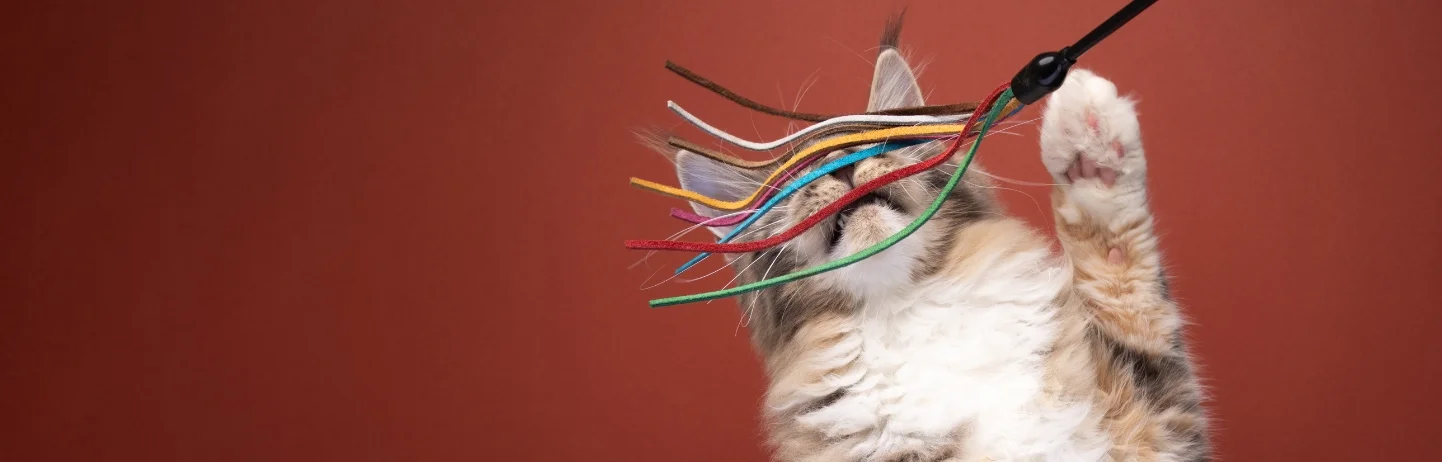
Interactive play sessions of 10 to 15 minutes can redirect energy and provide some relief. Feather wands and other prey-simulation toys work better than passive enrichment items during this phase. A warm, quiet resting space away from windows (where visual exposure to outdoor cats could increase agitation) gives the cat somewhere to settle.
Feline pheromone diffusers (Feliway and similar products) can reduce stress levels during heat, though they won't stop the cycle. Herbal remedies are not consistently effective. Natural calming options for cats may help at the margins but should not be the primary management strategy.
What your cat sitter needs to know about heat cycles
A cat in estrus presents specific management requirements that are important to communicate clearly to any cat sitter covering your cat while you travel.
The escape risk during estrus is at its highest. A cat sitter who is not told your cat is in heat may not realize that the cat who is normally calm about doors is now intensely motivated to bolt through any opening. Specific instructions to keep all doors, windows, and exit points secured at all times (more carefully than they would for a non-cycling cat) are worth including in your written sitter notes.
The vocalization behavior can be alarming to a cat sitter who hasn't encountered it before. Yowling that sounds like pain or distress is normal during estrus. A sitter who doesn't know this may panic unnecessarily or, worse, miss a real health issue because they assume the noise is just "heat behavior." Tell them what to expect and what constitutes a deviation that would actually warrant a vet call.
If your unspayed cat is approaching the age of first heat, consider timing travel carefully during her first spring and summer. A cat sitter managing a first-time heat in a cat who has never experienced it before is a harder situation than one covering a cat whose cycle is established and predictable. On Petme, you can find cat sitters with experience caring for unspayed female cats and communicate the specifics of your cat's reproductive status before confirming a booking.
Spaying: the long-term solution
Spaying, surgical removal of the ovaries and uterus, permanently eliminates heat cycles. It also eliminates the risk of uterine infection (pyometra), significantly reduces the risk of mammary tumors, and prevents unwanted pregnancy.
Veterinarians generally recommend spaying at 4 to 6 months of age, before the first heat cycle. Spaying before first heat produces the greatest reduction in mammary tumor risk: the protective effect is highest when estrogen exposure is minimized before the first cycle.
Spaying after a cat has already experienced heat cycles remains beneficial. It eliminates future cycles, removes the uterine infection risk, and reduces (though does not eliminate) mammary cancer risk relative to remaining unspayed.
There are no proven behavioral drawbacks to early spaying in cats. The concern about spaying before maturity being harmful to development is more relevant to certain dog breeds than to cats.
Frequently asked questions
1. How often do cats go into heat in a year?
During the active breeding season (roughly February to October), an unmated female cat cycles into heat every 2 to 3 weeks. This means a cat could experience 8 to 10 heat cycles in a single breeding season. Indoor cats under artificial lighting may cycle year-round with no seasonal break. Each cycle lasts 3 to 14 days, with most estrus phases averaging 5 to 7 days if mating does not occur.
2. What are the signs a female cat is coming into heat?
The most recognizable signs are persistent loud vocalization (yowling), lordosis posture (lowered chest, raised hindquarters, tail held aside when touched on the back), excessive rubbing and rolling, restlessness, strong attempts to get outside, and occasional urine spraying. There is no visible bleeding. The behavioral signs are usually clear enough that owners rarely miss a heat cycle once they understand what to look for.
3. How long is a cat in heat?
Each estrus phase lasts 3 to 14 days, most commonly 5 to 7 days, if the cat does not mate. If mating occurs and ovulation is triggered, the estrus phase ends within 24 to 48 hours. If mating does not occur, the cat exits estrus, rests for 2 to 3 weeks, and enters heat again. This pattern continues throughout the breeding season.
4. Should I touch my cat when she's in heat?
Yes, but be aware of the response. Touching a cat in heat on the back or hindquarters will often trigger the lordosis posture immediately: this is an involuntary mating reflex, not distress. Many cats in heat are more intensely affectionate than usual and actively seek petting. Others cycle between seeking attention and seeming agitated. Follow your cat's lead: pet and comfort her when she solicits it, and don't force contact when she seems overstimulated.
5. Can a cat get pregnant while still nursing kittens?
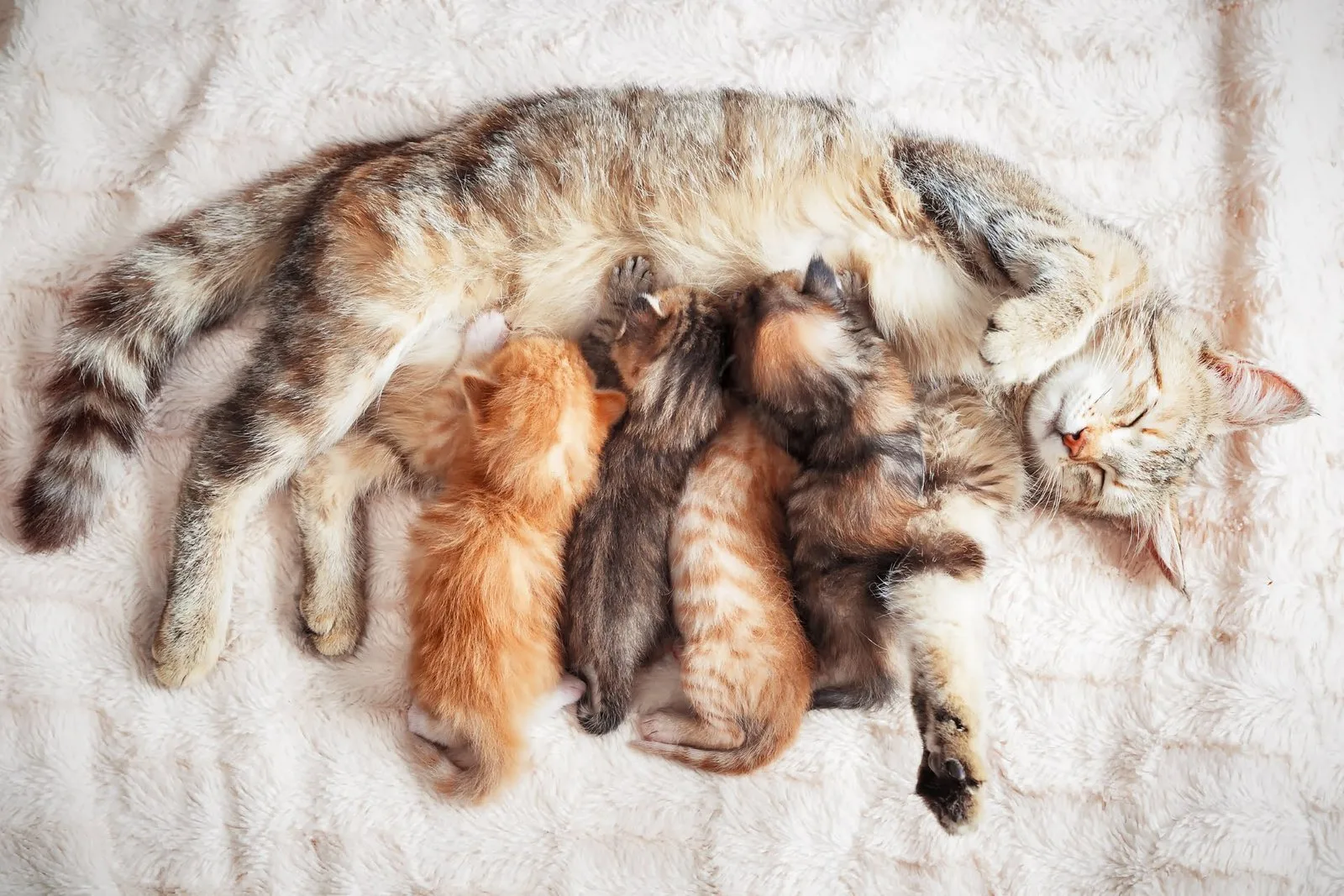
Yes. Queens (intact female cats) can return to estrus and become pregnant while still nursing a litter, sometimes as early as four weeks after giving birth. This is one of the reasons rapid succession of pregnancies is possible in unspayed cats and why the recommendation to spay immediately after a litter is weaned (or even while nursing, in some veterinary protocols) is widely given.
6. Does spaying change a cat's personality?
Spaying eliminates the cyclical hormonal fluctuations of the estrous cycle, which often results in a calmer baseline behavior. Cats who were particularly vocal or restless during heat cycles typically become noticeably calmer after spaying. Core personality traits (sociability, playfulness, affection level) are not significantly altered by spaying. Most owners report no negative behavioral changes and note the absence of heat-related behaviors as a straightforward improvement. 🐾
The cat heat cycle is one of the more dramatic aspects of caring for an unspayed female cat: the vocalization alone is memorable. Understanding the stages, the timeline, and what the behavior means makes the experience less alarming and easier to manage, whether you're home or whether you're leaving your cat with a cat sitter while you travel. For cats who are not being bred, spaying remains the most effective and health-beneficial resolution.