Understanding the rabbit gestation period matters whether you are a breeder managing planned litters or an owner who suspects an unplanned pregnancy. Rabbits reproduce quickly, and knowing what to expect at each stage helps you prepare the right environment, adjust the doe's diet, and recognize when something needs veterinary attention.
How long is the rabbit gestation period?
The gestation period - from conception to birth - typically spans 28 to 35 days, with an average of 31 days for most domestic breeds. Smaller breeds tend to deliver toward the shorter end of that range; larger breeds may take a few days longer. If a doe has not delivered by day 35, veterinary advice is warranted, as this can indicate a false pregnancy or complications. The table below shows gestation ranges by breed and species:| Rabbit breed | Gestation period (days) |
|---|---|
| Netherland Dwarf | 28-31 |
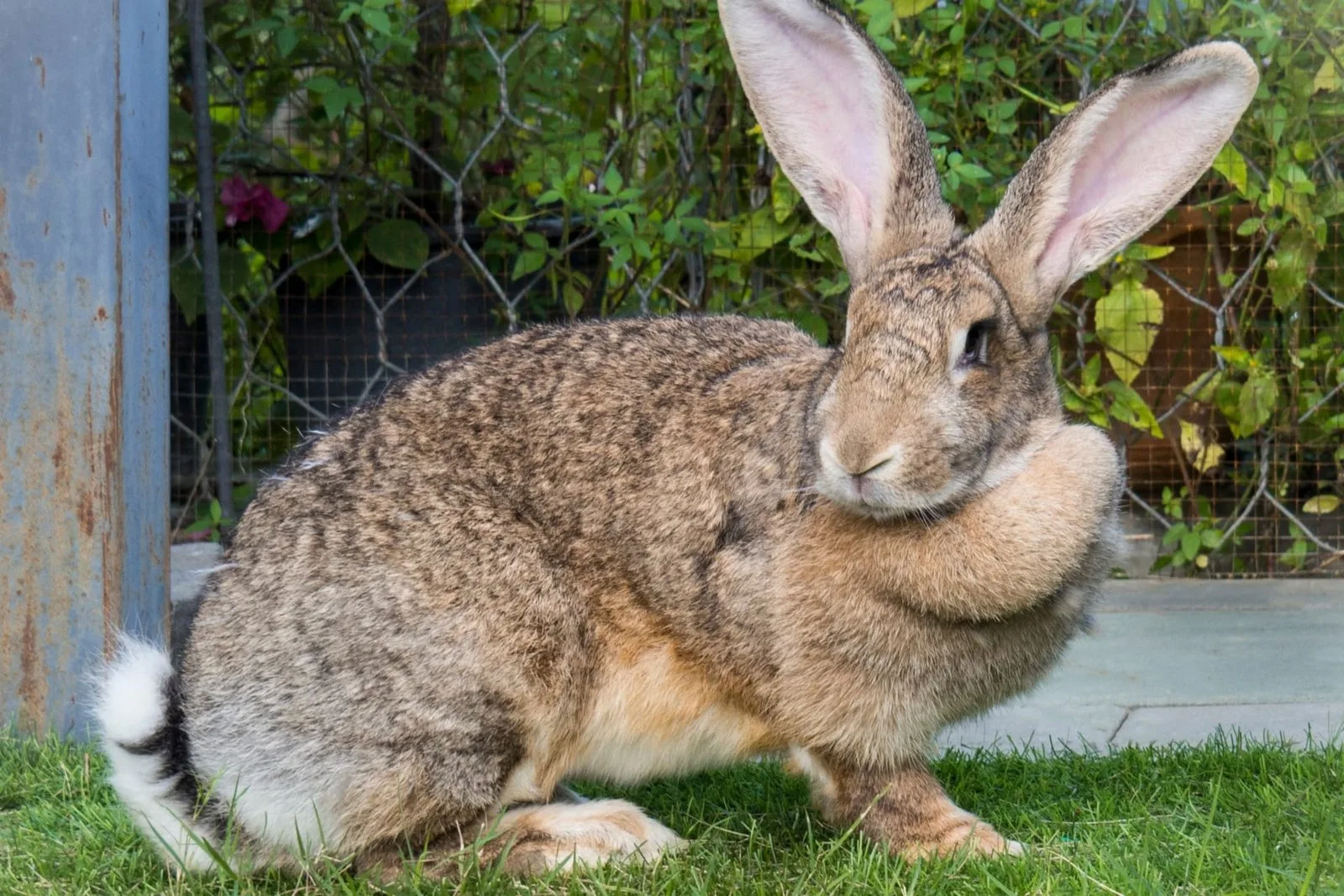
| Flemish Giant | 31-35 |
| European Rabbit | 28-35 |
| Eastern Cottontail | 27-28 |
| Swamp Rabbit | 35-37 |
| Desert Cottontail | 28-30 |
| New England Cottontail | 28-30 |
| Mexican Cottontail | 30-32 |
Pregnancy timeline by stage
Days 1 to 7: fertilization and early development
After mating, eggs are fertilized and embryos begin to form. Rabbits are induced ovulators, meaning mating itself triggers ovulation. The doe shows no visible signs at this stage.Days 8 to 14: embryo implantation
Embryos implant in the uterus. Subtle behavioral changes may appear - slight increase in appetite or early nesting restlessness. A vet can confirm pregnancy by gentle palpation around day 14, though this should not be attempted by inexperienced handlers.Days 15 to 21: fetal growth
Fetuses grow rapidly. The doe's abdomen may begin to swell noticeably. Weight gain becomes more apparent. Some does become slightly more reclusive or protective of their space.Days 22 to 28: nesting and preparation
The doe begins building a nest, pulling fur from her body and gathering hay or bedding material. She may become more territorial. A nesting box should be in place by day 22 at the latest.Days 28 to 35: kindling (birth)
The doe delivers her litter, typically at night. Kindling is usually swift - 15 to 30 minutes for a full litter. Litters range from 4 to 12 kits depending on breed. Ensure a quiet environment and minimal disturbance during and after delivery.Signs of pregnancy in rabbits
- Nesting behavior: gathering hay and pulling fur to build a nest, usually from day 22 onward
- Increased appetite: a doe eating noticeably more than usual may be supporting a growing litter
- Weight gain and abdominal swelling: visible from around day 15 to 20
- Changed temperament: some does become more territorial, others more withdrawn
- Palpation: a vet or experienced breeder can feel developing kits around day 14 - do not attempt without training, as mishandling can cause miscarriage
How soon can a doe become pregnant after birth?
A doe can conceive within hours of giving birth. This capacity for rapid re-breeding is why rabbit populations grow so quickly. However, successive pregnancies without recovery time are hard on the doe's body. Waiting at least four to six weeks between litters gives her time to recover, maintain condition, and nurse the current litter properly.Caring for your pregnant doe
Provide unlimited fresh hay throughout the pregnancy - it supports digestion and nutrition. Fresh leafy greens should continue daily; avoid introducing new foods during pregnancy to prevent digestive disruption. Fresh water must always be available. Check with your vet about whether a high-quality pellet formulated for pregnant does is appropriate. Minimize stress. Keep the enclosure quiet, avoid excessive handling in the later stages, and ensure other pets cannot access the doe's space. Set up the nesting box in a quiet corner by day 22.Caring for newborn kits
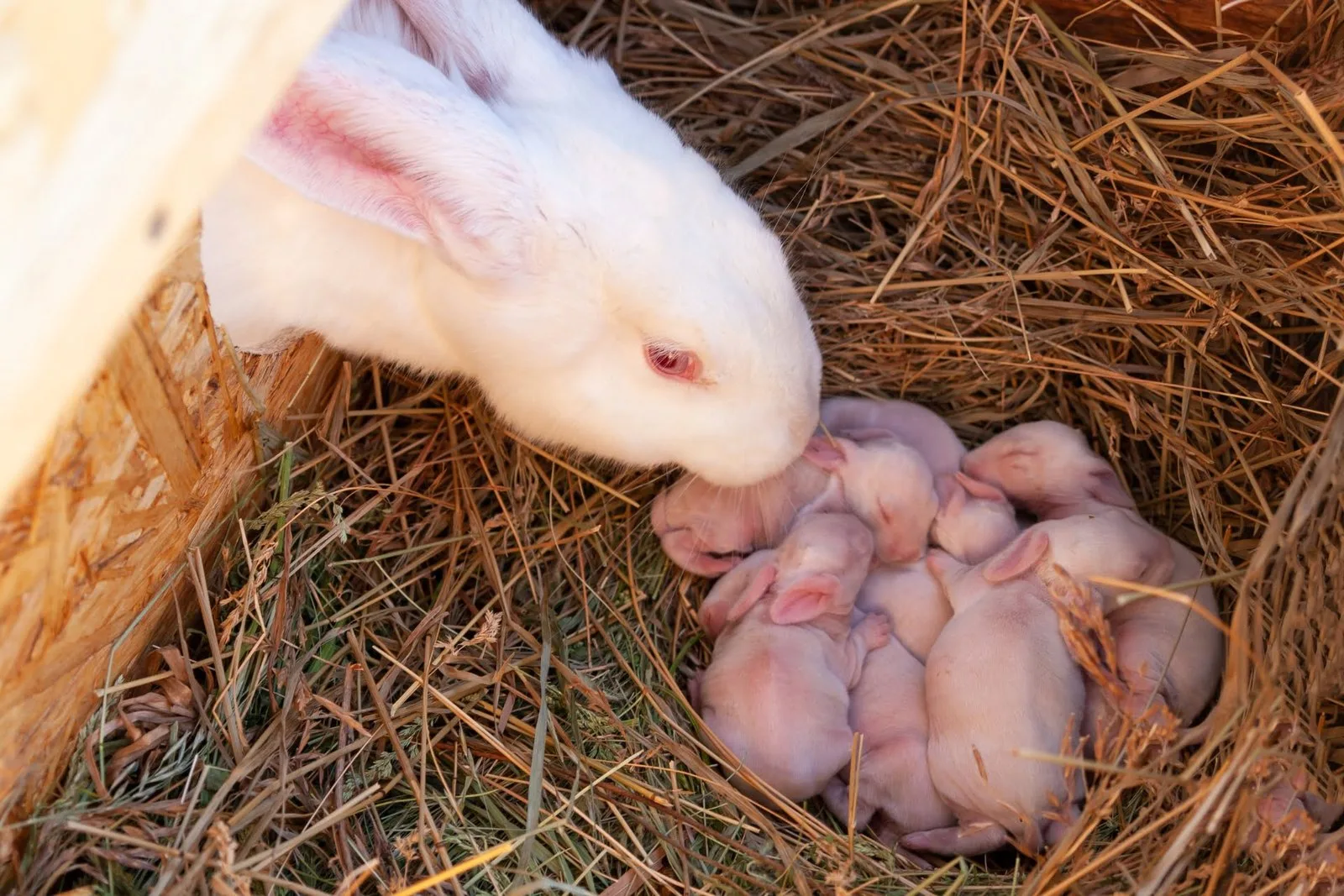
Kits are born blind, hairless, and entirely dependent on their mother. Avoid handling them for the first seven to ten days - the scent of human hands can cause the doe to reject a kit. After day seven, check that kits are nursing by looking for a rounded, full-looking belly. Eyes open around day ten. Keep the nest area at a stable temperature and check it once daily without disturbing the doe unnecessarily. A kit that seems weak or cold, or that is not nursing, needs veterinary attention.What to tell a pet sitter if your rabbit is pregnant
Leaving a pregnant rabbit with a pet sitter requires careful preparation. The sitter needs to understand the current stage of pregnancy, the doe's specific behaviors, and what constitutes an emergency. Before leaving your pregnant rabbit with a sitter, cover:- The expected delivery date or date range based on when mating occurred
- Whether the nesting box is already in place and where it is located
- That the doe should not be handled unnecessarily in the late stages of pregnancy
- The feeding routine, including what foods have been approved and what to avoid
- Signs of distress to watch for: lethargy, loss of appetite, abnormal discharge, labored breathing
- What to do if the doe delivers while you are away: observe from a distance, do not disturb the nest, and contact the vet if the doe seems to be in difficulty beyond 30 minutes of active labor
- Emergency vet contact details
Frequently asked questions
1. How many months is a rabbit pregnant?
Less than one month. The rabbit gestation period is 28 to 35 days, averaging around 31 days for most domestic breeds. Smaller breeds like the Netherland Dwarf tend to deliver at the shorter end; larger breeds like the Flemish Giant typically take closer to 31 to 35 days.
2. How many litters can a rabbit have in a year?
Biologically, a doe could have up to 8 to 12 litters per year given the short gestation period and rapid re-breeding capability. For her health and welfare, most experienced rabbit keepers recommend no more than 3 to 4 litters annually, with adequate recovery time between each. Successive pregnancies without breaks cause significant physical strain.
3. How can I tell if my rabbit is pregnant?
The most reliable early signs are behavioral changes from around day 8 to 14 onward - increased appetite, slight withdrawal, or restlessness. Nesting behavior typically begins around day 22. Visible abdominal swelling is usually apparent by day 15 to 20. For definitive confirmation, a veterinarian can palpate for developing kits around day 14 or perform an ultrasound.
4. What if my rabbit does not give birth by day 35?
Contact your vet immediately. A pregnancy extending beyond day 35 can indicate a false pregnancy, reabsorbed litter, or a complication requiring intervention such as dystocia (obstructed birth). Do not wait to see if the situation resolves on its own.
5. Can I check for pregnancy myself?
Abdominal palpation to feel for developing kits around day 14 is possible, but only for people trained in the technique. Incorrect palpation can cause miscarriage or injury. If you are not trained, take your doe to a vet for confirmation. Behavioral signs and visual weight changes are observable without any handling and are a reasonable first indicator.
6. Should I avoid leaving my pregnant rabbit with a pet sitter? 🐾
It depends on the stage of pregnancy. Early in the pregnancy, a well-briefed, rabbit-experienced sitter can manage care without difficulty. In the final week before expected kindling, having an inexperienced sitter manage the birth and immediate newborn care is a significant risk. If your travel coincides with the last five to seven days of the expected gestation period, either adjust the travel dates or arrange for an experienced rabbit keeper or vet to provide support during that window.