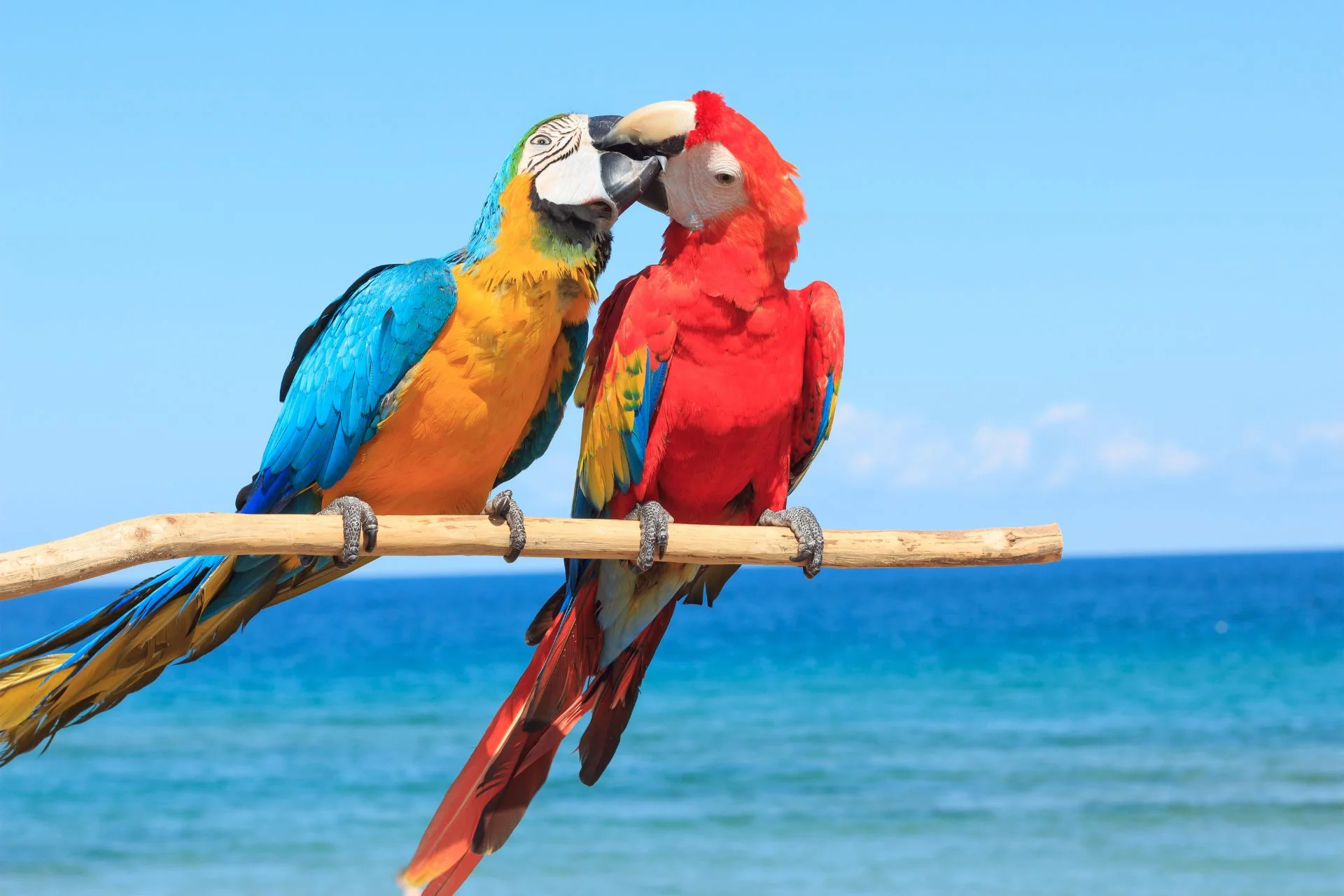
Parrots are among the most cognitively demanding pets an owner can take on. They are highly intelligent, socially driven, and capable of living for decades depending on the species. Getting their care right requires understanding what they actually need rather than what their reputation as colorful, talkative birds might suggest. The fundamentals of housing, diet, social interaction, and health care form the foundation for a parrot that thrives.
Understanding your parrot
Popular pet parrot species include African Grey parrots, Amazon parrots, cockatiels, cockatoos, conures, and macaws. Each has distinct behavioral traits, noise levels, social needs, and lifespan. African Greys are known for high intelligence and sensitivity; macaws are large, loud, and physically demanding; cockatiels are relatively manageable and well-suited to first-time parrot owners. Research the specific species you own or are considering, as care requirements vary considerably across the group. Parrots communicate through vocalizations, body language, and physical posture. A parrot with feathers held tightly, tail fanned, or wings partially raised may be stressed or defensive. A relaxed parrot grinds its beak gently, preens, and shows relaxed posture. Learning to read these signals helps owners respond appropriately and builds trust over time.Setting up your parrot's home
The cage should be large enough for your parrot to fully extend its wings and move between multiple perches without restriction. For most parrot species, bigger is better. The minimum size depends on the species, but erring toward more space rather than less is always the right direction. Include perches of varying thickness and texture across the cage. Natural wood branches, rope perches, and flat perches each place weight differently on the foot, reducing the risk of pressure sores that develop when only one type is available. Avoid perches with smooth uniform surfaces that offer no grip variation. Toys are not optional. Parrots that lack stimulation develop behavioral problems including feather plucking, screaming, and aggression. Provide foraging toys, chew toys, puzzle feeders, and items with different textures and materials. Rotate them regularly to maintain novelty.Feeding your parrot
A good parrot diet consists of high-quality pellets as the nutritional base, supplemented with fresh fruits, vegetables, and small amounts of nuts and seeds. Pellets provide a consistent nutritional profile that seed mixes cannot match. Seed-only diets are deficient in several key vitamins and minerals and are associated with shorter lifespans in parrots. Fresh daily additions should include a rotation of leafy greens such as kale and chard, orange and red vegetables such as sweet potato and bell pepper, and fruits such as papaya, apple, and berries. Introduce new foods gradually and be patient, as parrots are often neophobic about unfamiliar foods. Foods that must never be given to parrots include:- Avocado: contains persin, which is toxic to birds and can cause respiratory failure and cardiac problems
- Chocolate and caffeine: contain theobromine, which is toxic to parrots and can cause vomiting, seizures, and death
- Alcohol: causes severe toxicity in birds and must never be accessible to them
- High-salt foods: excessive sodium causes fluid imbalance and kidney stress
- Fatty or fried foods: contribute to obesity and liver disease over time
- Onions and garlic: can cause digestive problems and, in larger amounts, blood cell damage
Grooming and hygiene
Parrots need regular bathing to maintain healthy feathers and skin. Offer a shallow dish of water for bathing or mist your parrot with a spray bottle. Many parrots enjoy being misted lightly a few times per week. Avoid soaking them in cold water and keep the room warm to prevent chill. Nail trimming should happen every four to six weeks as needed. Overgrown nails catch on fabrics and perches and can cause injury. If you are not comfortable trimming nails at home, a veterinarian or experienced bird groomer can do this during routine visits. Beak care is typically managed naturally through the use of appropriate perches and chewable toys. A parrot with an overgrown, crossed, or damaged beak should be seen by an avian vet.Training your parrot
Positive reinforcement is the most effective training method for parrots. Reward the behavior you want to see immediately after it occurs, using a small treat or verbal praise that your parrot values. Never use punishment, as this damages trust and creates fear-based behaviors. Basic commands to establish early include step up (stepping onto your hand or arm), step down, and return to cage on request. Once a parrot reliably follows these commands, interactions become considerably safer and more enjoyable for both bird and owner. Training sessions should be short, five to ten minutes, and end on a positive interaction. Consistency in cues and rewards accelerates learning. Different household members should use the same verbal cues to avoid confusion.Common health issues and preventive care
Parrots are susceptible to respiratory infections, often triggered by stress, drafts, or exposure to airborne irritants such as non-stick cookware fumes, aerosols, and scented candles. Signs of respiratory illness include changes in breathing sounds, tail bobbing with each breath, discharge from the nares, and reduced activity. Feather plucking, where a parrot removes its own feathers, is a behavioral and sometimes physical health indicator. Causes include nutritional deficiency, boredom, stress, skin conditions, or underlying illness. It requires veterinary investigation rather than assumption. Gastrointestinal problems, parasites, and psittacosis (a bacterial infection transmissible to humans) are also conditions parrot owners should be aware of. Regular veterinary check-ups, typically once a year for healthy parrots, allow early detection and give the vet a baseline to compare against if problems arise.Leaving your parrot with a pet sitter
Parrots are among the more challenging pets to leave with sitters, particularly those that have strong bonds with their primary person. Some parrots refuse to interact with unfamiliar people; others may become aggressive or develop behavioral problems when routines are disrupted. Finding a sitter with prior parrot experience is worth the effort. A sitter who has handled birds before understands body language and knows not to force interaction. Before leaving your parrot with a sitter, prepare:- Written feeding instructions with the exact pellet brand, daily fresh food routine, and approved foods
- A list of foods that must never be given, with the most dangerous ones explained
- The daily interaction and play routine, including how long out-of-cage time typically lasts
- Notes on your parrot's individual personality, preferred handling style, and warning signs before a bite
- Grooming tasks if any are needed during the sit, including how to mist and whether nail trimming is due
- Avian vet contact details and the nearest emergency animal clinic
Frequently asked questions
1. Can parrots be left alone at home?
Not for extended periods. Parrots are social animals that require daily interaction and mental stimulation. Leaving a parrot alone for a standard working day is manageable if the morning and evening interaction is consistent and the cage is adequately enriched. Longer absences, such as overnight or multi-day trips, require a sitter who visits at least twice daily to maintain the parrot's routine and social needs.
2. How often should I clean my parrot's cage?
Daily cleaning of the tray and removal of droppings and uneaten fresh food is necessary to prevent bacterial and mold growth. A thorough clean of the cage structure, perches, and all accessories should happen at least once weekly. Parrot droppings are high in bacteria, and a dirty cage is a significant source of respiratory and digestive health risks for the bird.
3. Can parrots eat human food?
Some human foods are safe in moderation. Plain cooked grains, small amounts of cooked lean chicken or egg, and many fresh fruits and vegetables are appropriate. Human food that is salty, sugary, fried, or contains any toxic ingredients must be avoided entirely. Avocado, chocolate, and caffeine are the most important to keep completely away from parrots regardless of any apparent interest the bird shows.
4. Can parrots be potty trained?
Yes. Many parrots can learn to eliminate on cue or return to a specific location before eliminating. The process uses positive reinforcement and observation of the parrot's pre-elimination behavior, such as backing up or squatting. It requires patience and consistency but is achievable with most parrots and makes out-of-cage time considerably more manageable.
5. How often should I take my parrot to the vet?
Once a year for a healthy adult parrot is the general recommendation, with additional visits when health concerns arise. Finding an avian specialist rather than a general vet makes a meaningful difference in the quality of care. Avian vets are familiar with normal parrot physiology and can detect subtle signs of illness that a general practitioner might miss.
6. What makes a good parrot sitter? 🐾
Prior experience with parrots or other birds is the most important qualifier. A good sitter understands that parrots communicate through body language, knows not to force interaction, and can recognize signs of stress or illness. Ask directly how many parrots they have cared for, how they handle a bird that refuses to step up, and what they would do if the parrot stopped eating. A sitter who answers confidently with specific experience is a much better choice than one relying on general pet care knowledge alone.