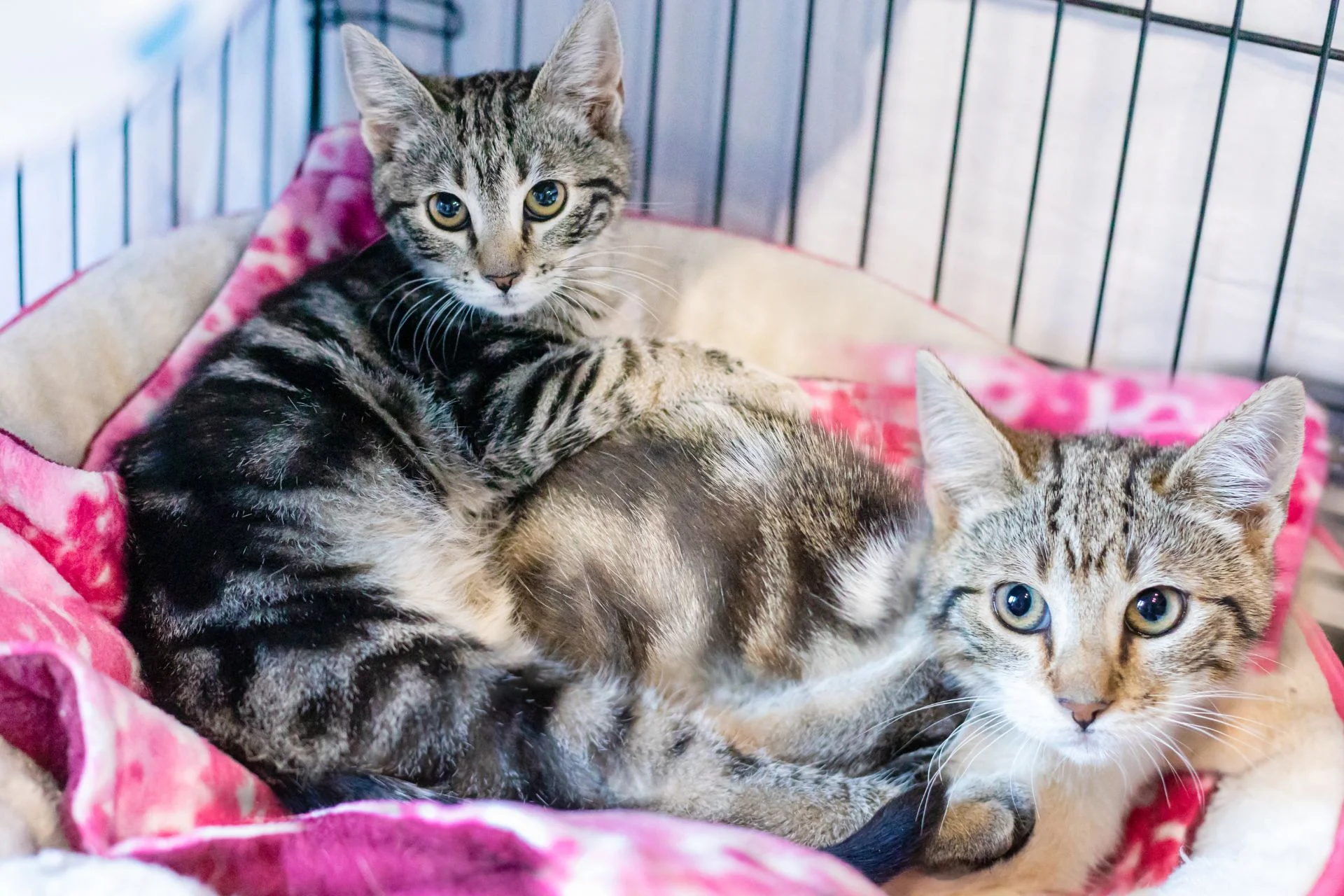
When someone finds a stray cat, encounters a feral colony, or witnesses animal neglect, one of the first decisions is who to contact. Animal control and cat rescue organizations are often the two options people consider, and the assumption that they're interchangeable leads to outcomes that serve the cat poorly. They operate under different mandates, with different tools, and produce different results.
Understanding how each system works, and where the gaps between them are, is useful for pet owners, anyone working in animal care, and anyone who simply wants to help a cat in their community.
What animal control does
Animal control agencies are funded by local government and operate under municipal or regional authority. Their mandate is primarily public safety and enforcement of animal-related laws: responding to dangerous animal reports, investigating cruelty complaints, managing stray animals on public property, and ensuring compliance with licensing and leash regulations.
When animal control picks up a stray cat, the cat enters the municipal shelter system. Most jurisdictions have a mandatory holding period, typically three to five days for stray animals, during which the cat can be reclaimed by their owner. After that period, the cat may become available for adoption, be transferred to a rescue partner, or in high-intake shelters, be euthanized.
Animal control agencies do not typically have the capacity for individual animal rehabilitation, behavioral assessment, or extended medical care. They operate at volume. A shelter processing hundreds of animals per week cannot provide the individual attention that a cat recovering from trauma or illness requires. This is a resource and mandate issue, not a values one.
Where animal control is the right call: a cat is injured and requires immediate removal for safety, there is a report of cruelty or neglect requiring legal intervention, a genuinely aggressive or dangerous animal needs to be contained, or a stray needs to be officially reported so a microchipped owner can reclaim them.
What cat rescue organizations do
Cat rescue organizations are private, non-profit entities. They have no legal enforcement authority: they cannot compel anyone to surrender an animal, enter private property without permission, or issue fines for neglect. What they can do is provide the welfare infrastructure that the government system lacks: extended medical care, behavioral rehabilitation, long-term fostering, and careful adoption matching.
Most cat rescues operate through foster networks rather than centralized facilities. A cat pulled from a high-intake shelter or surrendered directly enters a foster home, where they receive individual attention and are assessed for temperament and health over days or weeks. This produces more accurate behavioral information than a shelter cage and better prepares cats for adoption.
The limitation of rescue organizations is capacity. They cannot take in every cat in need: their intake is limited by the number of available foster homes, medical funds, and volunteer hours. This means they are selective, and cats referred to rescues may be waitlisted or declined if the rescue is at capacity.
Where a rescue is the right call: a stray cat appears healthy and friendly and needs rehoming rather than emergency intervention, a litter of kittens needs foster care, a semi-feral cat requires patient socialization work before adoption, or an owner needs to surrender a cat and wants placement support rather than just intake.
The key practical differences
Legal authority is the clearest dividing line. Animal control can legally enter private property in response to a cruelty complaint, impound animals that pose a public safety risk, and issue citations. A rescue organization cannot do any of these things. If a neglect situation requires enforcement, animal control is the right first contact: a rescue can follow up once the cat is removed, but they cannot initiate the removal.
Outcome likelihood differs significantly depending on where a cat enters. A cat who enters a high-intake municipal shelter faces a lower chance of live release than one who enters a rescue with capacity, not because shelter staff care less, but because the volumes involved and the resources available produce different outcomes at scale. If your goal in calling about a stray cat is for that specific cat to be rehomed, a rescue with space is a better first call than animal control, assuming the cat is not in immediate danger.
Speed of response is another difference. Animal control has vehicles and staff available to respond quickly; a rescue organization may take days to arrange intake depending on foster availability. For a cat who is injured, in immediate danger, or causing a safety issue, animal control's response capacity is necessary. For a cat who is simply homeless, the slower route through a rescue may produce a better outcome.
When to call which: a practical guide
Call animal control for: injured animals needing immediate removal, cruelty or neglect requiring legal investigation, dangerous or aggressive cats, stray cats you want officially logged so an owner can reclaim them through the chip registry, and situations where the cat poses a risk to people or other animals.
Contact a rescue for: friendly strays you've been feeding and want to see rehomed, litters of kittens found without a mother, cats surrendered by owners who want placement support, and semi-feral cats in a TNR-eligible colony situation where you want support from an experienced organization.
For people who work with animals in the community (dog walkers, pet sitters, or anyone who regularly spends time in neighborhoods where stray cats are present), having both options in your contacts is practical. A pet sitter who finds an injured stray near a client's home needs to know who to call quickly; the answer is animal control, not a rescue organization whose intake process doesn't allow for same-day emergency intake. Understanding this distinction before the situation arises means a faster, more effective response for the animal involved.
Trap-Neuter-Return and where it fits
Trap-Neuter-Return (TNR) is a method for managing feral cat colonies that doesn't fit neatly into either the animal control or rescue framework. Feral cats, truly unsocialized cats with minimal human contact, are rarely good adoption candidates and are typically euthanized if they enter the shelter system. TNR is the alternative: cats are humanely trapped, neutered, and returned to their territory, where the colony stabilizes in size rather than reproducing.
Some animal control agencies run or support TNR programs. Others are indifferent or actively opposed to them, preferring impoundment. Cat rescue organizations frequently run TNR programs independently, often relying on volunteer trappers and partnered veterinary clinics for low-cost neuter services.
Where TNR programs exist and are supported by local animal control, the outcomes for feral cat populations are better than impoundment-only approaches. Where the two systems are in conflict, feral cats often fall through the gap, not suitable for adoption, not safe for return by an animal control agency whose mandate doesn't include colony management.
How individuals can help both systems work better
The two most impactful things individuals can do are adopt from rescue organizations rather than buying, and have their owned cats microchipped and spayed or neutered. Both reduce the intake load on both systems: fewer cats entering the pipeline, and those who do get lost having a route back to their owners.
Volunteering as a foster carer expands rescue capacity directly: each additional foster home means additional cats can be pulled from shelters. Supporting rescue organizations financially funds the veterinary care that makes intake viable. And if you witness animal neglect or cruelty, reporting it to animal control rather than to a rescue is the correct first step, because enforcement requires legal authority that only animal control holds.
Frequently asked questions
1. What is the main difference between animal control and cat rescue?
Animal control is a government agency with legal authority to respond to dangerous animals, investigate cruelty, and manage strays under municipal law. Cat rescue organizations are private, non-profit groups focused on rehabilitation and rehoming without enforcement powers. Animal control operates at volume and with a public safety mandate; rescue organizations provide the individual welfare support that the government system cannot at scale.
2. Who should I call for a stray cat?
It depends on the situation. If the cat is injured, aggressive, or in immediate danger, call animal control: they have the vehicles and authority to respond quickly. If the cat appears healthy and friendly and you want them rehomed rather than entering the shelter system, contact a local rescue organization first and check whether they have capacity. In either case, scanning for a microchip at any vet clinic first is worth doing if you can safely contain the cat.
3. Will animal control euthanize a stray cat?
It depends on the jurisdiction and the shelter's capacity. Most have mandatory holding periods during which the cat can be reclaimed by an owner. After that, the cat may be adopted, transferred to a rescue partner, or in high-intake facilities, euthanized. Euthanasia rates vary significantly by location: some municipal shelters have achieved near-zero for healthy cats, while others continue to euthanize for capacity. Checking your local shelter's live release statistics is possible in most jurisdictions and gives you a clear picture of what entering that system means for an individual cat.
4. Can a cat rescue force someone to give up their cat?
No. Rescue organizations have no legal authority. They cannot compel an animal surrender, enter private property, or investigate a neglect complaint. If you believe a cat is being neglected or abused, the correct first contact is animal control or your local SPCA, which in some jurisdictions has cruelty investigation authority. A rescue organization can support the cat after it has been removed through official channels, but they cannot initiate that removal.
5. What is TNR and how does it relate to animal control?
Trap-Neuter-Return is a method for managing feral cat colonies by neutering rather than impounding and euthanizing. Some animal control agencies support or run TNR programs; others do not. Cat rescue organizations frequently run TNR programs independently. Where the two systems cooperate, feral cat population management is more effective and more humane. Where they operate in opposition, feral cats often fall through the gap: unsuitable for adoption and returned to the street without the population management that TNR provides.
6. How can I support both animal control and cat rescue in my community?
Microchip and spay or neuter your own cats: this reduces intake load on both systems. Adopt from rescues rather than buying. Foster for a rescue organization to expand their capacity. Report cruelty or neglect to animal control rather than attempting to handle it privately. Donate to rescue organizations to fund veterinary care. And if you find a stray, knowing which system to contact for which situation means a faster, more effective outcome for the cat. 🐾
Animal control and cat rescue organizations are not competing systems. They address different parts of the same problem (public safety and legal enforcement on one side, welfare and rehoming on the other) and the communities where both operate effectively and collaboratively produce better outcomes for cats than either could alone. Knowing what each can and cannot do is the first step toward using both of them well.