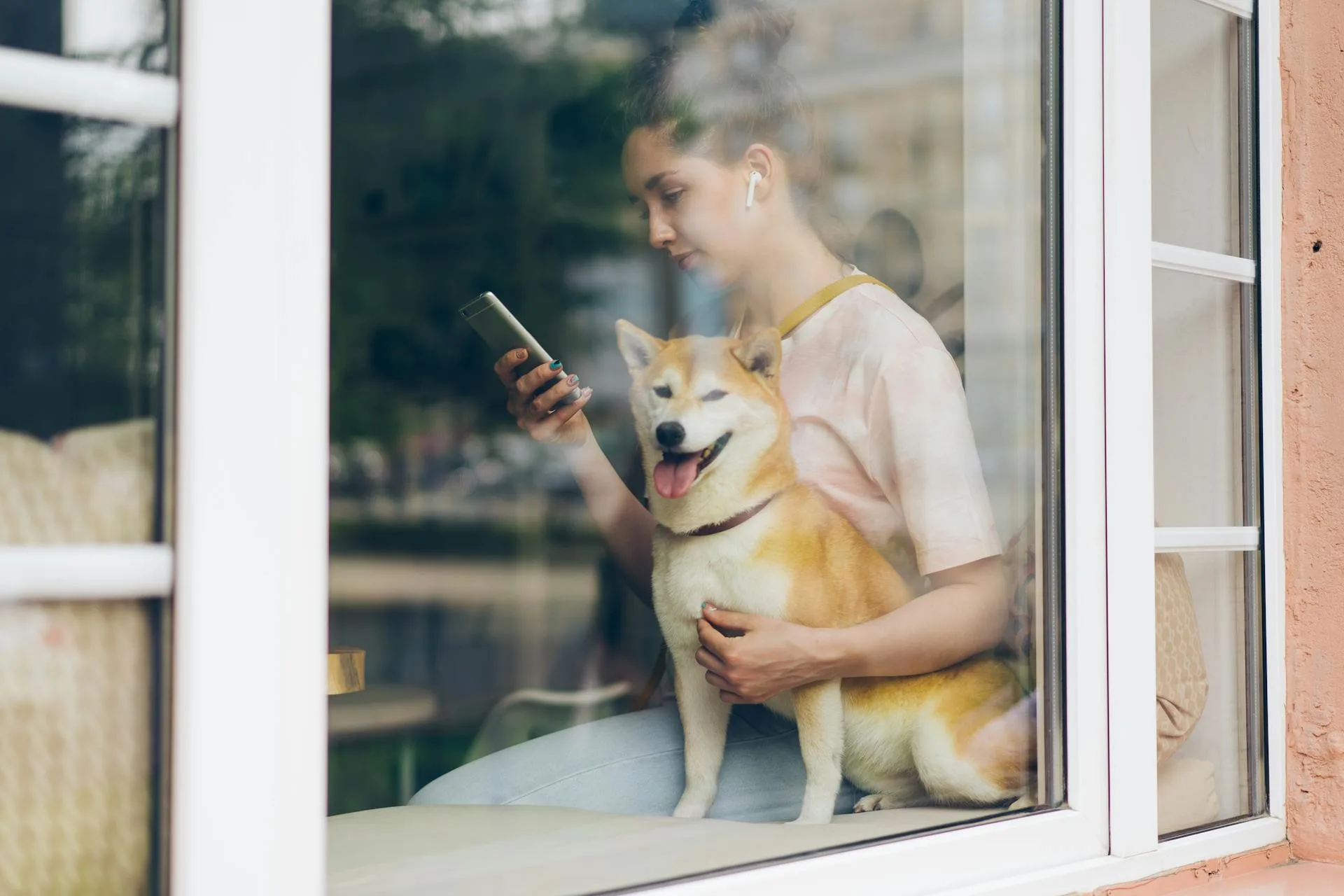
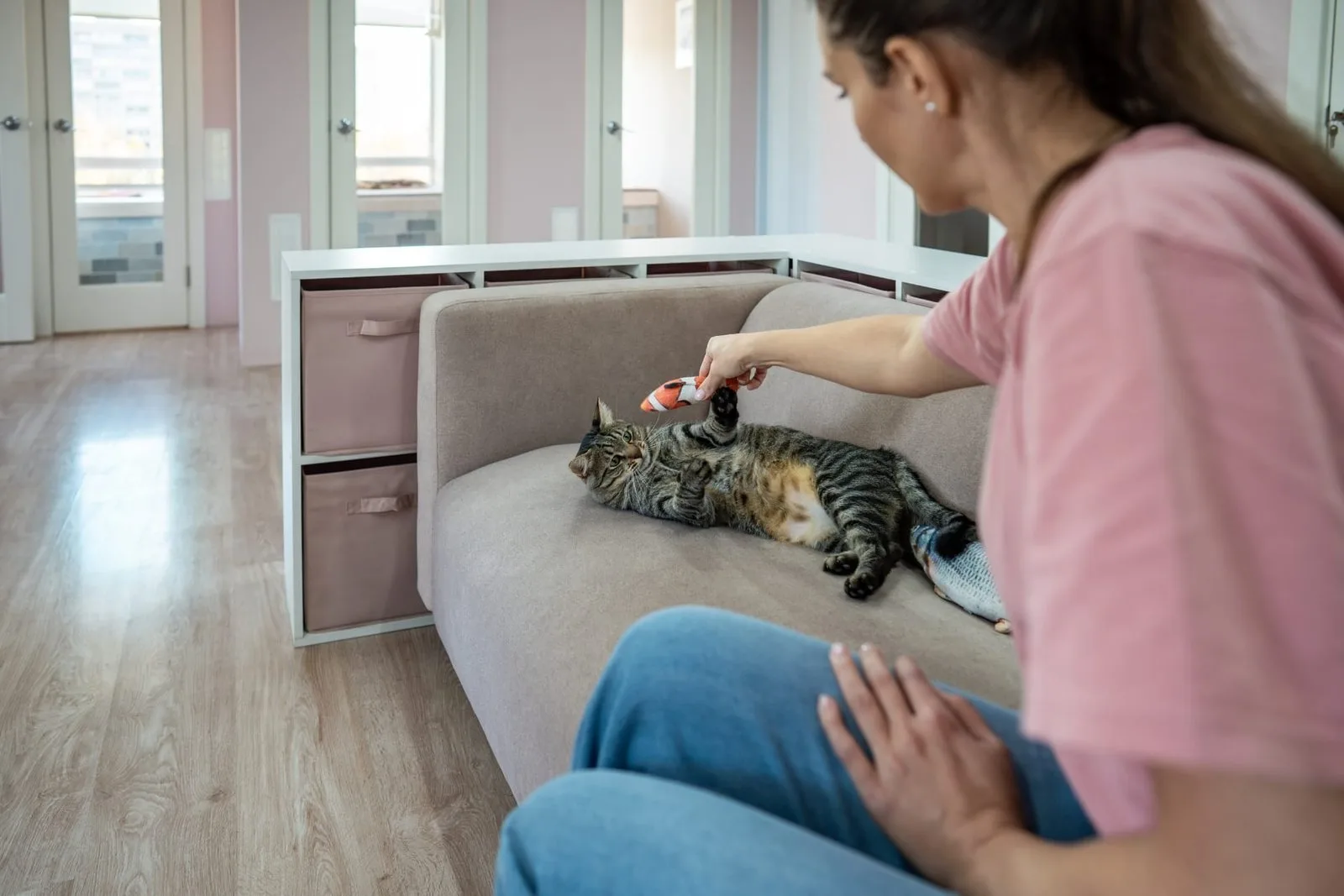
The US pet sitting market is one of the largest in the world. There are more than 90 million dogs and 94 million cats in American households, and the in-home pet care industry has grown substantially as more pet owners look for an alternative to kennels and boarding facilities. The breadth of the market means you can almost always find a sitter in any major US city, but it also means quality varies considerably, and knowing what to look for matters.
How house sitting differs from other pet care in the US
House sitting is a specific type of pet care in which the sitter stays in your home overnight while you're away. This is distinct from boarding (where your pet stays at the sitter's home), drop-in visits (where a sitter checks in on your pet once or twice a day without staying), and doggy daycare (daytime care at a sitter's home).
The main reason pet owners choose house sitting over boarding or kennels is continuity. A dog or cat that stays in its own home, eats from its own bowl, and sleeps in its own spot experiences far less stress during an owner's absence than an animal relocated to an unfamiliar environment. For anxious animals, older pets with established routines, and multi-pet households where splitting animals across facilities creates additional disruption, house sitting is often the most practical option on welfare grounds.
House sitting also provides incidental home security during your absence: a well-reviewed sitter in your home deters opportunistic problems, brings in mail, and notices anything that needs attention. The practical value of that for US homeowners who travel regularly is not trivial.
What house sitting costs across the United States
Rates for house sitting vary by market, sitter experience, and duration. As a national benchmark: daytime pet sitting (which includes drop-in visits and shorter check-in services) typically runs $40–80 per day. Overnight house sitting ranges from $50 to $125 or more per night for established, well-reviewed sitters in major metro areas.
For drop-in visits specifically, $15–35 per hour is the national range, with a 30-minute visit typically priced at around $25 in most mid-sized US cities. Cities like New York, San Francisco, Seattle, and Los Angeles run above the national average; smaller and mid-sized markets tend to sit at the lower end of the range.
Holiday surcharges are standard practice in the US pet sitting market. Most experienced sitters apply a 15–30% premium during Thanksgiving, Christmas-to-New-Year, and peak summer travel periods. The effective cost of a holiday booking can therefore run $65–163 per night at the upper end of the market. Factoring this into your travel budget before you search for a sitter avoids unpleasant surprises when the booking confirmation arrives.
How US pet sitting platforms differ on sitter verification
The US market has several large platforms and many regional ones, and they differ meaningfully on what they verify about sitters before allowing them to take bookings.
Platforms that rely primarily on the review-accumulation model: sitters self-register, create a profile, and build credibility through owner reviews over time. There is no independent identity check or background screen before going live. The reviews become the quality signal, which works over time but provides no protection for a sitter's first few bookings.
Platforms with formal pre-listing verification: these require identity confirmation and a background check before a sitter's profile goes public. The background check typically covers criminal record, and some platforms also verify pet care credentials or references from previous pet owners. These are meaningfully safer for first-time bookings, especially with an inexperienced sitter who has few reviews.
Check which category any platform you're considering falls into. "Verified" can mean anything from a self-upload of ID to a full background check through an independent service. The platform's own verification page will say what it actually covers.
What to look for in a sitter profile
Across platforms, the most useful profiles share a few common characteristics. Reviews are specific rather than general: a review that says "Jake took great care of our anxious rescue and messaged us twice a day with photos" tells you something real. A review that says "Great sitter! Highly recommend!" does not.
Photos of the sitter's home environment (for boarding or daycare bookings) or of the sitter's previous sits (for house sitting) give you more than a profile headshot. A sitter who shows photos of their setup is implicitly showing you where your pet would spend time and inviting you to evaluate it.
Response rate is a practical indicator. A sitter who responds to messages within a few hours is actively managing their bookings. A sitter who takes a day or two per response may not be easy to reach during a sit if something comes up.
For a full evaluation framework, the guide to choosing the right pet sitter covers what to weigh and what to ignore across platform types.
How the main US pet sitting platforms compare
Petme requires every sitter to complete identity verification and a background check before their profile goes live. Owners pay the sitter's rate and nothing else: no service fee at checkout. The Petme Protection Plan may contribute to eligible vet costs up to $22,000 during a booked sitting, and every completed booking earns cashback toward future sittings.
Rover is the largest US pet sitting marketplace by sitter count. It takes a commission from sitters on each booking, which leads many sitters to price up to compensate. Owners also pay a service fee at checkout, on top of the sitter's listed rate. Their exact fees are published on their own site and can change. Background checks are available but have not always been a hard requirement for listing. The gap between the rate shown on a sitter's profile and the total you pay at confirmation is worth checking before committing.
Wag has a stronger focus on on-demand dog walking and takes a commission from sitters that sits at the higher end of the market, with the current rate published on its own site. Sitters who are aware of what they give up tend to price accordingly, so the effective cost to owners can run higher than comparable care on platforms with lower sitter fees. Wag has expanded its verification process over the years but has been more variable on this than platforms with a stricter upfront requirement.
The meet-and-greet and what it should cover
For any US booking longer than a single night, a meet-and-greet before confirming is worth the time. The meet-and-greet is where you assess how the sitter interacts with your pet in person, covers logistics and emergency protocols directly, and confirms that the person you read about in the profile matches the person standing in your living room.
Key things to cover during a meet-and-greet for house sitting: feeding schedule and portions, medication if applicable, exercise requirements and any walking restrictions, which vet your pet uses and the nearest 24-hour emergency vet, house access and security, and any behavioral notes your pet needs (what they're afraid of, what triggers them, how they behave with strangers at the door). The meet-and-greet guide has a question framework for this conversation.
After the meet-and-greet, leave your sitter with written copies of everything important. Don't rely on the chat log from the booking platform as your only record: a sitter should be able to find feeding instructions, vet contacts, and emergency procedures from a piece of paper in the kitchen without needing their phone.
Frequently asked questions about house sitting in the United States
1. How much does a house sitter cost in the US?
House sitting rates across the United States typically run $50–125 per night for overnight stays, with the national midpoint around $65–80 per night for an experienced sitter in most metro areas. Major cities like New York, San Francisco, and Los Angeles run toward the upper end. Holiday surcharges of 15–30% above base rate are standard during Thanksgiving, Christmas-to-New Year, and peak summer travel periods. Daytime pet sitting without overnight stays typically runs $40–80 per day; drop-in visits around $25 per 30-minute visit.
2. Is house sitting better than boarding in the US?
For anxious pets, older dogs and cats with established routines, and multi-pet households, house sitting is almost always the better welfare choice. Keeping a pet in its own environment removes the stress of relocation and the challenge of adapting to unfamiliar animals and spaces. For social, adaptable dogs that actually thrive on variety and interaction with other animals, boarding may suit them as well or better. The guide to pet boarding covers what makes a good kennel if boarding is the right option for your pet.
3. How do I know if a US pet sitter has been background checked?
Check the platform's own verification page rather than assuming "verified" badge means background checked. Platforms that run genuine background checks through a third-party service (like Checkr or Sterling) will say this explicitly. Platforms that verify identity only (usually through a selfie and ID upload) will typically say "identity verified" without mentioning criminal background. The distinction matters, particularly for new sitters with few reviews who haven't yet built a track record on the platform.
4. Do US pet sitters charge more during holidays?
Yes, and it's standard practice. Most experienced pet sitters in the US apply a holiday surcharge of 15–30% during Thanksgiving, Christmas Eve through New Year, Fourth of July weekend, Memorial Day weekend, and Labor Day weekend. Some sitters also apply a peak-summer surcharge for June through August. Factor this into your budget before the holiday travel window; the gap between an off-peak and peak-holiday booking with the same sitter can be $15–30 per night or more.
5. How far in advance should I book a house sitter in the US?
For holiday travel periods, book as early as possible once your dates are confirmed. Experienced sitters in major US cities are often booked out six to eight weeks before Thanksgiving and Christmas. For non-holiday travel, two to four weeks is typically enough for most markets. Same-week and last-minute bookings are possible in large cities but significantly reduce your choice, and the sitters available at last minute are disproportionately those with less experience.
6. What should I leave for a house sitter when I travel in the US? 🐾
Leave a written guide in the home with: your pet's feeding schedule and exact amounts, any medications with doses and timing, your regular vet's name and number, the nearest 24-hour emergency animal hospital (look this up in advance rather than leaving it to the sitter), behavioral notes specific to your pet, and house logistics (how the thermostat works, where the spare key is, any quirks with locks or appliances). Don't assume the sitter will remember everything from your pre-booking conversation. A printed guide in the kitchen means a problem can be addressed without hunting through chat history at 2am. The pet sitter prep checklist is the easiest starting point for building this guide.
House sitting is one of the most effective ways to keep your pet comfortable during your absence, and the US market has enough experienced, verified sitters in most cities that finding a good one is a matter of knowing what to look for. Start early, check what "verified" actually means on whatever platform you use, and take the meet-and-greet seriously. Those three steps cover most of what goes wrong with US pet sitting bookings.