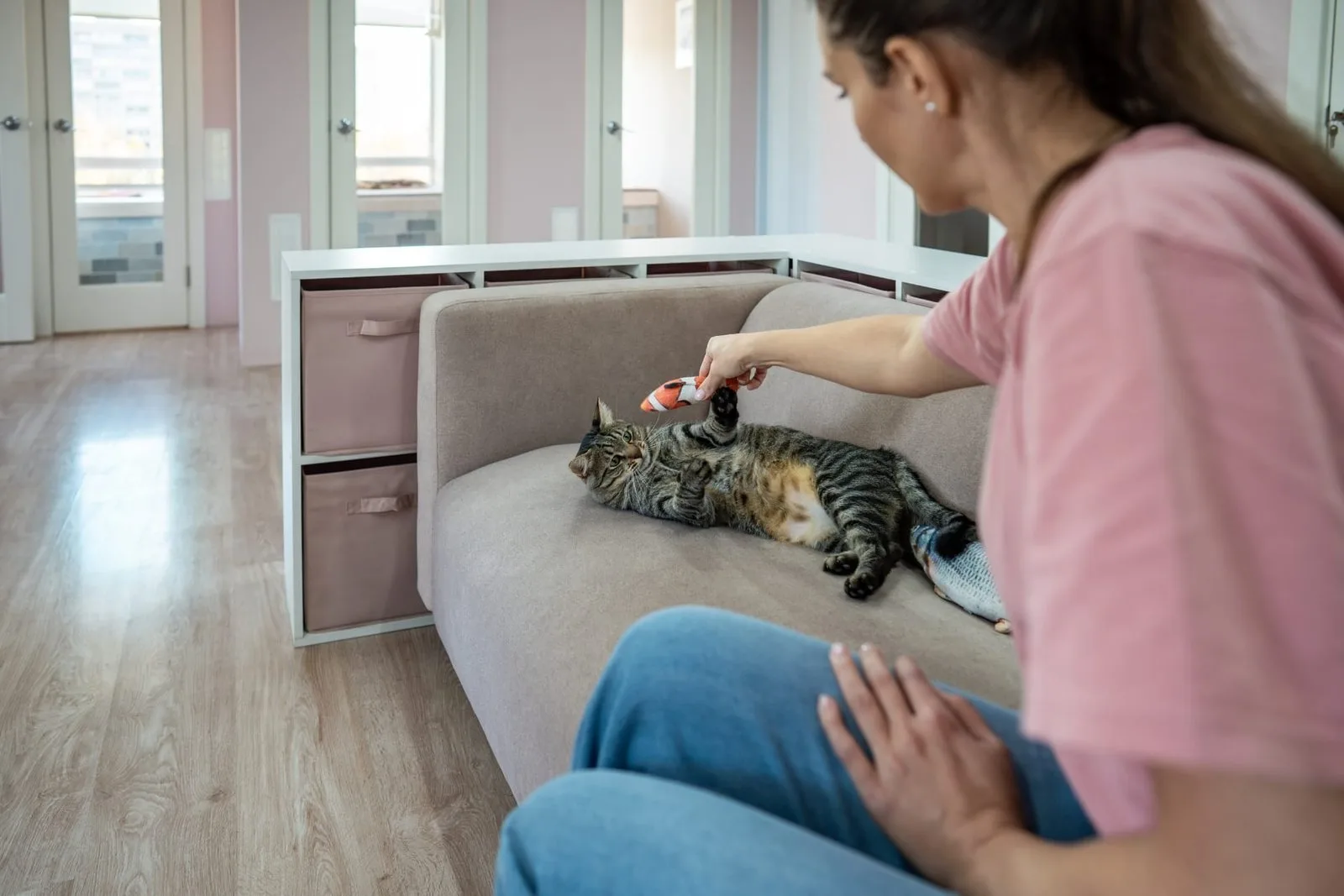
Pet sitting and doggy daycare solve different problems. A working owner who needs their high-energy dog occupied from 9am to 6pm needs something different from an owner travelling internationally for a week who wants their anxious rescue to stay in its own environment. The platform you use matters less than whether the service type actually matches what your specific dog needs. That said, platforms differ meaningfully on sitter screening, what fees owners and sitters pay, and what protection exists if something goes wrong. This is what each of the main options actually offers.
Pet sitting vs doggy daycare: the core difference
Pet sitting covers a range of care types where a sitter provides care to your pet, typically in your home or theirs. This includes drop-in visits, house sitting (sitter stays at your home overnight), boarding (pet stays at sitter's home overnight), and dog walking. The unifying characteristic is that one sitter is caring for your specific pet, usually without a group of other dogs present.
Doggy daycare is a group care environment: your dog spends the day in a space (either a sitter's home or a commercial facility) alongside other dogs. The social aspect is a feature for some dogs and a stressor for others. High-energy social breeds often thrive in daycare; anxious, reactive, or senior dogs often don't.
The decision between them isn't really about which is better. It's about which suits your dog's personality and your specific situation. A dog with no history of reactivity who gets bored without company is a good daycare candidate. A dog with separation anxiety or a strong preference for routine is almost always better served by one-to-one in-home care. For a fuller breakdown, the dog sitting vs doggy daycare guide covers the tradeoffs by dog type.
How the main platforms screen sitters
Sitter screening is where platforms differ most meaningfully, and it's the dimension that matters most to an owner trying to assess whether a sitter they've never met is actually trustworthy.
Rover runs background checks, but the process isn't uniform across all sitters or markets. Background checks are available through Rover's system, and many sitters have completed one, but it hasn't always been a hard requirement for listing. Rover's review system is extensive given the platform's scale, which provides some quality signal for established sitters, but new sitters go live without the track record that makes reviews useful.
Wag has expanded its verification process since its early years. It screens sitters through an application process and background check, and it offers a third-party home protection policy that covers property damage during a booking. Wag's dog walking product is its most mature offering; its pet sitting side has grown but is smaller in scale than Rover's.
Tails operates with a matched-care model, meaning the platform pairs owners with a specific sitter based on pet type, location, and care requirements rather than letting owners browse and select freely. Sitters go through a more intensive vetting process upfront, including home visits in some markets. The tradeoff is less owner control over sitter selection.
Petme requires every sitter to complete identity verification and a background check before their profile goes live. There are no exceptions. The Petme Protection Plan may contribute to eligible vet costs up to $22,000 during a booked sitting. Completed bookings earn cashback that reduces the cost of future sittings, and pet owners pay no service fees on top of the sitter's rate.
How platform fees compare
Understanding how each platform makes money matters because the fee structure affects what sitters charge and what you ultimately pay as an owner.
Rover takes a commission from sitters on each booking, which leads many sitters to price up to account for it. Owners also pay a service fee at checkout, on top of the sitter's listed rate. Rover publishes its current fees on its own site and they can change. The final price you see at the booking confirmation stage is often higher than the rate displayed on the sitter's profile.
Wag also takes a commission from sitters, and its current rates are published on its own site. Sitters on Wag who are aware of what they give up tend to price accordingly, and the effective cost to owners can be higher than comparable care on platforms with lower sitter fees.
Petme charges pet owners no service fee at all. You pay the sitter's rate and nothing more. Sitters keep a larger portion of what they earn, which means less pressure to inflate listed rates to compensate for commission, and a more direct relationship between the rate you see and the rate you pay.
What owners can check independently
Platform verification tells you what the platform has checked. But independent verification is something owners can do themselves, and it's worth doing for any booking longer than a day or two.
Ask for references from previous pet owners and follow up on them. A sitter who's been on a platform for two years but has only two reviews is a very different proposition from a sitter with forty reviews in the same period. Both are "experienced" by the platform's own framing, but the evidence is different.
Search the sitter's profile name or username alongside their city on social media. Most legitimate, experienced pet sitters have some kind of independent online presence: a local community group they're active in, a personal page where they post about pets they've cared for, or a local business listing. Absence isn't automatically a red flag, but presence is a positive signal.
Run a meet-and-greet before any multi-day booking. This is the step that tells you the most about how a sitter will actually be with your pet. The meet-and-greet guide has a specific question list for this conversation.
Which option suits which type of dog
Doggy daycare is worth considering for: young to middle-aged dogs of social breeds (retrievers, spaniels, many working breeds), dogs that get destructive or anxious when left alone for long periods, dogs whose owners work full days and can't provide midday breaks, and dogs that have been well-socialised with other animals and handle group settings without stress.
One-to-one pet sitting is a better fit for: dogs with any history of reactivity or anxiety around other dogs, senior dogs whose energy and stress tolerance have changed, dogs recovering from injury or illness, puppies below a certain age who aren't suited to group play, and dogs whose routines matter enough that displacement to a new environment creates genuine welfare issues.
If your dog has been to a daycare environment before and handled it well, that's the most useful data point. If you're unsure how your dog would manage, a trial session at a well-run facility before a longer commitment is more informative than a profile description or a sitter's assurance.
How to check whether a doggy daycare facility is well-run
For physical daycare facilities (as opposed to in-home sitter daycare), a few signals separate well-run operations from ones worth avoiding.
A good facility will let you tour before your dog's first day. Anyone who won't show you where your dog will spend time has something they'd rather you didn't see. Check: how dogs are grouped (by size and temperament, not just by whoever showed up), the ratio of dogs to staff, whether there's a secure outdoor area or only indoor space, and how the facility handles a dog that becomes distressed or reactive during a session.
Ask specifically how they handle a dog that doesn't settle. The answer should describe a protocol, not vague reassurance. A well-run facility separates dogs that aren't managing well and contacts the owner rather than leaving an overwhelmed dog in a group situation.
For in-home daycare with a sitter, check how many other dogs will be present on the same day and whether your dog will have outdoor access. An in-home sitter with five dogs in a small apartment is a different situation from a sitter with two dogs in a house with a garden.
Frequently asked questions about pet sitting and daycare companies
1. What's the difference between Rover, Wag, and Petme?
Rover is the largest US pet sitting marketplace by scale, with extensive sitter coverage and a deep review database. It takes a commission from sitters and adds a service fee for owners. Wag has a stronger focus on on-demand dog walking and also takes a commission from sitters. Both publish their current fees on their own sites. Petme verifies every sitter before listing through identity verification and a background check, charges owners no service fees, and the Petme Protection Plan can contribute up to $22,000 toward eligible vet costs, and gives owners cashback on completed bookings. The most significant difference between platforms is what they verify about sitters before listing, not their feature sets.
2. Is pet sitting or doggy daycare better for an anxious dog?
Pet sitting, specifically in your dog's own home, is almost always better for an anxious dog. Familiar environment, familiar smells, a consistent routine, and one-to-one attention from a sitter who can focus entirely on your pet removes most of the variables that trigger anxiety. A group daycare environment brings unfamiliar dogs, unfamiliar spaces, and high stimulation, all of which tend to amplify anxiety rather than reduce it. For dogs with diagnosed separation anxiety or a history of reactivity, house sitting by a verified, experienced sitter is typically the best option.
3. How do I know if a pet sitter has been properly background checked?
Check the specific platform's verification page. "Verified" can mean anything from a selfie-and-ID check to a full criminal background screen through a third-party service. Platforms that run genuine background checks will typically name the service they use (Checkr, Sterling, or similar) and say this explicitly. If the platform's verification description is vague or only mentions identity verification, assume a background check has not been run. You can also ask the sitter directly whether they've completed a background check on any platform they use, and ask for the platform's confirmation of this.
4. What should I ask at a doggy daycare before booking?
Ask how dogs are grouped (by size, temperament, age), the maximum number of dogs per session and the staff-to-dog ratio, what happens if a dog becomes distressed or reactive, whether you can tour the facility before your dog's first day, and how they handle a dog's first session if it hasn't attended before. For in-home sitter daycare, also ask how many other dogs will be present simultaneously and whether the sitter's home setup gives your dog adequate space and outdoor access.
5. Do pet sitting platforms take a fee from owners?
Most do. Rover and Wag both add a service fee at checkout, on top of the sitter's listed rate. This fee isn't always visible until you reach the booking confirmation page. Petme charges no service fee to pet owners: you pay the sitter's rate and nothing more. When comparing rates across platforms, check the total you'll pay at checkout rather than the listed rate, since a sitter's nightly profile rate can grow noticeably once service fees are added on some platforms.
6. What protection do I have if something goes wrong during a pet sitting booking? 🐾
This varies significantly by platform. Rover has a "Rover Guarantee" that covers vet costs up to a capped amount if a pet is injured in certain circumstances; the terms are worth reading closely, as there are conditions and exclusions. Wag has a home protection policy covering property damage, but covering vet costs is a different matter. The Petme Protection Plan may contribute to eligible vet costs up to $22,000 for serious injuries during a booked sitting. No platform's guarantee is a substitute for pet insurance, and reading the specific terms of what each covers before a booking is worth the ten minutes it takes.
The best pet sitting or daycare experience starts with the right match between care type and dog temperament, followed by a platform that verifies its sitters properly, and finished with a direct conversation and meet-and-greet before the first booking. Get those three things right and the platform choice becomes a secondary consideration.