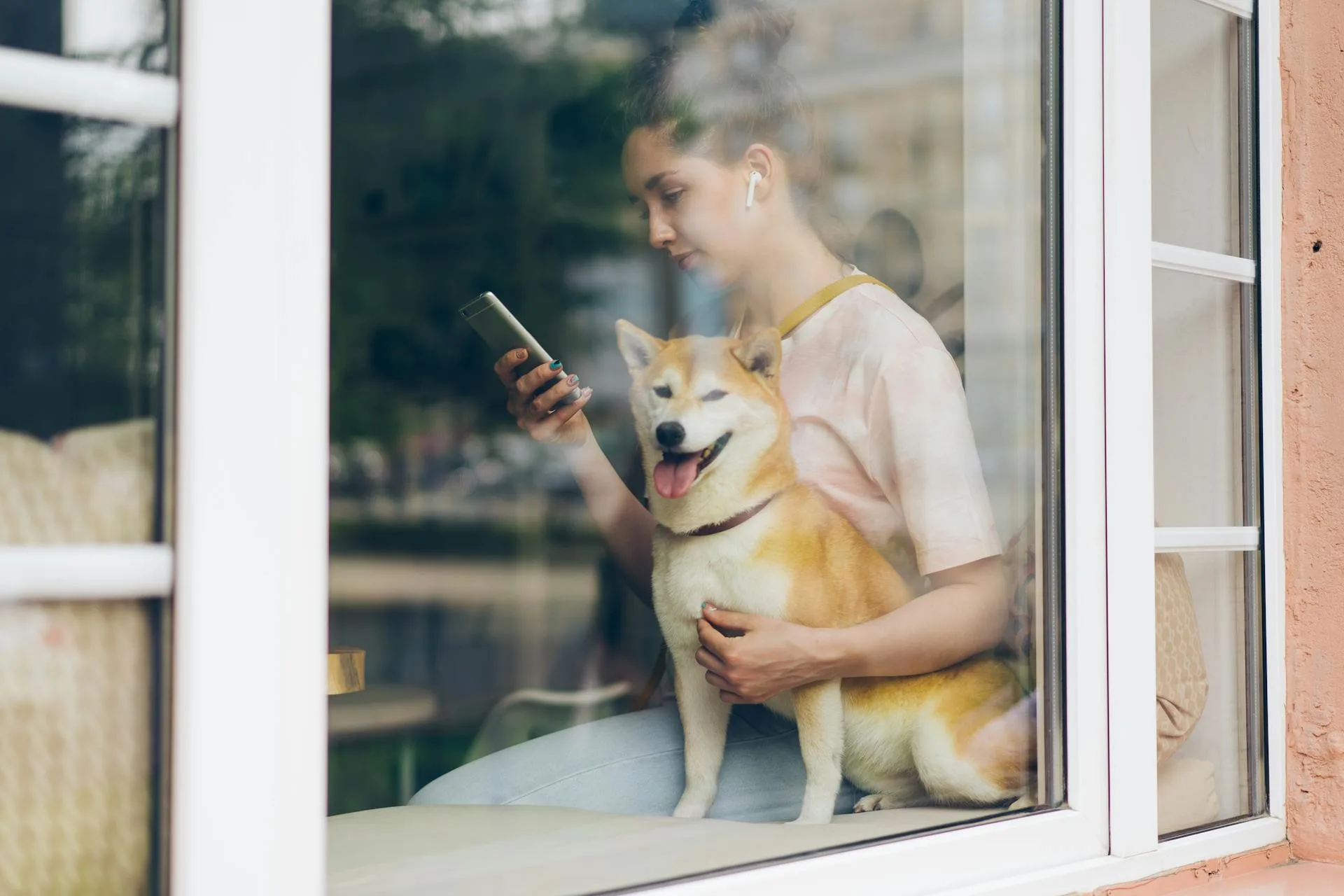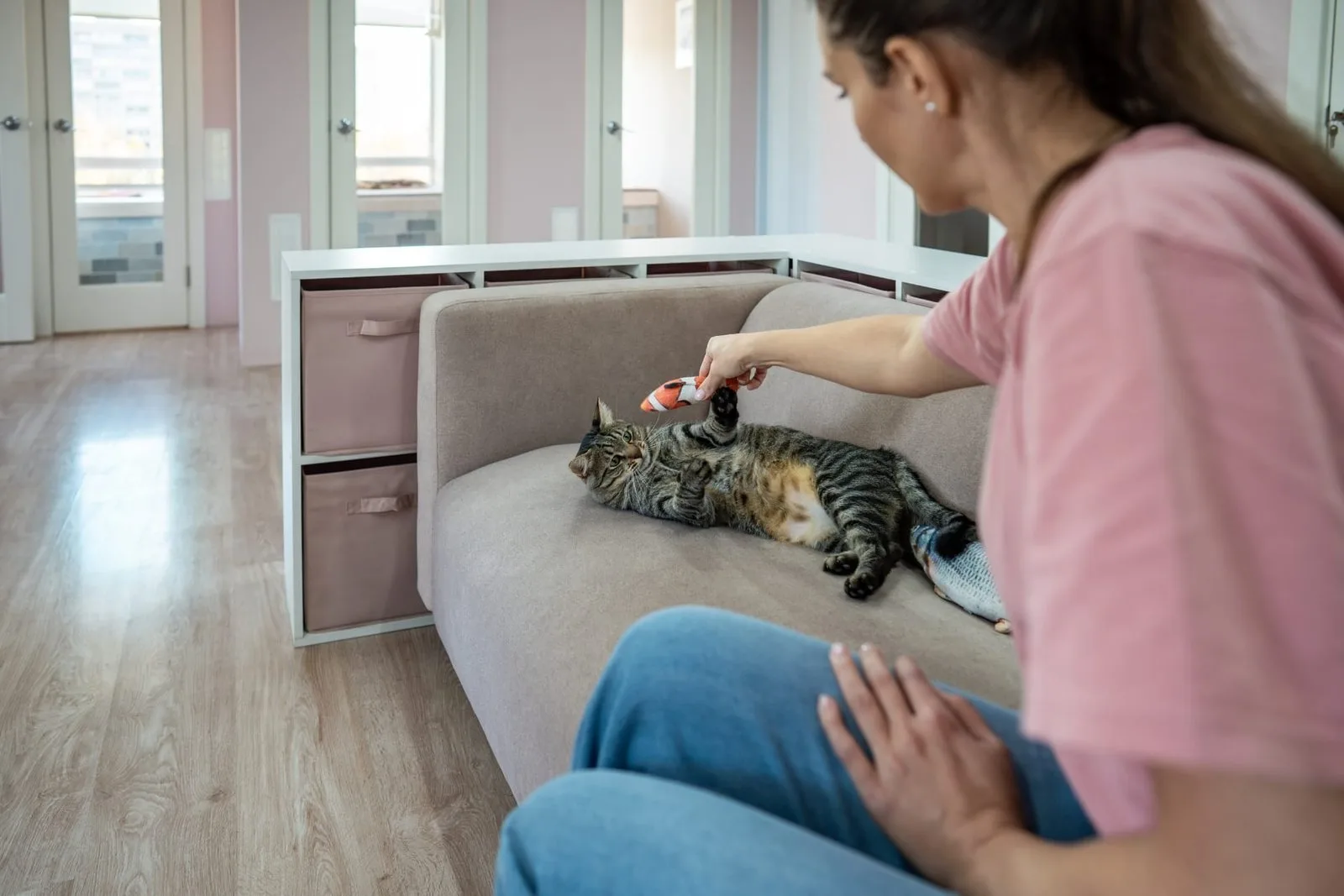
Australia has one of the highest rates of pet ownership in the world, with over 28 million pets across Australian households. Despite that, the pet sitting market here still runs quite differently depending on which city you're in and which platform you use. Understanding the pricing landscape and what sitter verification actually means is worth doing before you book.
What pet sitting costs in Australia by city
Rates vary enough between Australian cities that it's worth checking local averages before setting your budget. The national average for overnight pet sitting sits at around $84 per night, but that figure covers a wide spread.
The Gold Coast consistently comes out at the higher end of the national market, averaging around $111 per night for dog sitting. Brisbane averages $79.54 per night, Sydney sitters tend toward the middle of the range for overnight stays, and Melbourne averages around $68.94 per night for in-home overnight care.
For shorter daytime visits, expect to pay $20–$35 per day for a drop-in, with most experienced sitters in capital cities sitting at the higher end. Additional pets in the same household typically add $10–$20 per booking. For a multi-pet household, that math adds up quickly compared to kennel rates that often charge per animal regardless.
Kennel boarding sits at a different price point. In Sydney, kennels average around $61.61 per night; Melbourne around $55.67; Brisbane closer to $39.78. In-home pet sitting with a local sitter therefore runs at a premium to kennels in most cities, but many owners find the behavioural and emotional cost of kennel stays for anxious or routine-dependent pets makes in-home care the better value choice overall.
Types of pet sitting available in Australia
The Australian pet sitting market covers the same range of care types as the UK and US, though how they're priced and delivered varies by platform.
House sitting is when a sitter stays in your home overnight while you're away. This keeps your pet in their own environment, on their own routine, with one consistent person. It's particularly well-suited for dogs that don't settle in unfamiliar spaces and multi-pet households where moving all animals to a sitter's home creates more disruption than it solves.
Boarding means your pet stays overnight at the sitter's home. This works well for social dogs who adapt easily to new places and aren't distressed by different smells and spaces. It typically costs slightly less than house sitting because the sitter isn't giving up their own home for the duration.
Drop-in visits, where a sitter comes to your home one or twice a day to feed, walk, and spend time with your pet, are the most cost-effective option for independent cats, dogs that do fine alone for stretches of time, and shorter absences where your pet just needs someone to check in. See the guide to drop-in visits for what these typically cover.
Doggy daycare, where your pet spends the day at a sitter's home, suits working owners whose dogs need company during long hours and aren't suited to being left alone for a full day. Rates for daycare tend to sit between drop-in and full overnight boarding.
How to find a verified pet sitter in Australia
The Australian pet sitting market has several platforms operating nationally, but verification standards vary considerably.
At the entry level, platforms function more like classifieds: sitters self-register, upload a photo and a short bio, and start taking bookings. Reviews accumulate over time, but there's no independent identity check or background screening before the sitter goes live. These platforms are common and have large sitter pools, but the responsibility for vetting rests almost entirely on the owner.
Better-structured platforms verify identity and run a background check on every sitter before they can accept bookings. Profile content also tends to be richer: photos of the sitter's home environment, a record of what types of animals they've cared for, response rate, and whether they've handled pets with medical needs. These are the platforms worth using when your pet has specific requirements or you're booking for an extended trip.
Petme connects Australian pet owners with verified local sitters. Every sitter completes identity verification and a background check before taking their first booking, and owners pay no service fees on top of the sitter's rate. The Petme Protection Plan may contribute to eligible vet costs up to $32,000 during a booked sitting. Every completed booking earns cashback toward future sittings.
What to look for in a pet sitter profile
Across any platform, the most useful sitter profiles tell you something real about who the person is and how they've handled previous bookings. Generic profiles that read the same as ten others on the same page give you very little to work with.
Specific signals worth looking for: photos taken in the sitter's actual home environment (not stock images), a clear description of what types of animals they've cared for and how they handle pets with specific needs, recent reviews that mention concrete situations rather than just general approval, and a response rate above 90%. A sitter who takes days to reply to an initial message may not be someone you want looking after a pet who needs timely attention.
Red flags worth noting: profiles with only one or two reviews despite a long tenure on the platform, review language that sounds templated or unusually uniform, and sitters who haven't updated their profile in a year or more. A good sitter is usually actively booking and has a genuinely evolving profile.
Beyond the profile itself, the meet-and-greet is where you actually assess fit. No amount of profile reading replaces seeing how a sitter interacts with your pet in person.
Why in-home pet sitting beats boarding for many Australian pets
The research on pet stress during owner absence consistently points to environmental continuity as a major factor. A dog who sleeps in the same spot, eats from the same bowl, and walks the same route adapts far better to an owner's absence than a dog transported to an unfamiliar space with unfamiliar animals nearby.
For dogs with separation anxiety, older pets who are set in their routines, cats (who are territorial and particularly sensitive to space changes), and multi-pet households where splitting animals across different boarding arrangements creates additional disruption, in-home care wins on welfare grounds.
Boarding is genuinely better for some dogs: social breeds that bore easily, high-energy dogs who need more stimulation than a single sitter at home provides, and younger dogs who adapt quickly and benefit from the social element of being around other pets. Knowing your specific dog's personality is the only reliable guide to which option actually suits them.
For a practical comparison of options, the guide to dog sitting vs doggy daycare covers the tradeoffs in detail.
Preparing your pet sitter for an Australian booking
What you hand over to your sitter before you leave matters as much as who you pick. A sitter who knows your pet's feeding schedule, medication routine, vet details, and what to watch for in terms of health signals can respond to a problem. A sitter left to figure things out alone cannot.
The basics to cover before any sit: feeding amounts and times, exercise requirements, the name and address of your regular vet and an emergency vet nearby, any medications or supplements with exact doses, and behavioral notes specific to your pet (what they're afraid of, what calms them down, how they react to strangers at the door). This information should be written down and left physically in the home, not just sent in a message that the sitter might not find easily under pressure.
The full checklist for what to hand over is in the pet sitter prep guide.
Frequently asked questions about pet sitting in Australia
1. What is the average cost of pet sitting in Australia?
The national average for overnight pet sitting in Australia is around $84 per night, but it varies significantly by city and sitter experience. The Gold Coast averages $111 per night at the high end; Melbourne sits closer to $69 per night. Day visits typically run $20–$35, and additional pets in the same household usually add $10–$20. Rates in capital cities tend to run higher than regional areas.
2. Is pet sitting better than a kennel in Australia?
It depends on your pet. Kennel boarding in Australian cities averages $40–$62 per night, which is typically less than in-home pet sitting. But kennels suit confident, social dogs better than anxious or routine-dependent pets. Dogs that struggle with unfamiliar environments or other animals nearby do better with in-home care where their routine stays intact. Cats are almost always better served by in-home care, since they're territorial and adapt poorly to displacement.
3. How do I find a pet sitter in Sydney or Melbourne?
Start on a platform that verifies sitters before they go live, rather than one that relies purely on self-registration and accumulated reviews. Filter by location, available dates, and the care type you need. Review at least three to five profiles before shortlisting, focusing on review specifics rather than star averages. Then arrange a video call and a meet-and-greet before confirming the booking. Both Sydney and Melbourne have large enough sitter pools that you should have several good options to choose from with a few weeks' notice.
4. What should I ask a pet sitter in Australia before booking?
Ask how many pets they're currently caring for alongside yours, what their protocol is if a pet shows signs of illness, which emergency vet they would call in your area, and whether they've cared for a pet with similar needs to yours. For house sitting specifically, also ask how often they'll be in the home during the day, since some sitters treat the stay as accommodation for their own activities rather than focused pet care. The guide to choosing the right pet sitter has a full question list.
5. Do pet sitters in Australia need qualifications or insurance?
There are no mandatory qualifications for pet sitters in Australia. Pet sitting is not a licensed profession, and individual sitters are not required to hold insurance unless a platform requires it as a condition of listing. Some sitters hold pet first aid certificates or are members of professional associations, which are worth noting as positive indicators, but they're not standard. The platform you book through determines what minimum requirements apply, and they vary considerably from basic identity checks to full background screening.
6. How far in advance should I book a pet sitter in Australia? 🐾
For Christmas, Easter, and school holiday periods, experienced Australian sitters fill up fast. Booking six to eight weeks ahead for peak holiday sits is reasonable in capital cities; popular sitters during the December–January period sometimes fill within days of posting availability. For off-peak travel, two to four weeks is usually enough. One key point specific to Australia: if your state requires the sitter to show a working-with-animals check or similar, verify this before your travel dates, as processing times vary by state.
Pet sitting in Australia has grown substantially over the past several years, and the range of verified professional sitters available in major cities now gives owners genuine options beyond kennels and asking friends. The main thing to get right is the vetting process: a platform that verifies its sitters properly, a profile that tells you something real, and a meet-and-greet before you commit. Get those steps right and the rest of the booking process takes care of itself.